


The Mughal gardens of Kashmir, renowned for their stunning landscapes, rich culture, and historical sites, are a must-see attraction in the region. These iconic gardens, designed by Mughal emperors centuries ago, offer a perfect blend of nature, architecture, and royal heritage. Whether you’re a history enthusiast, nature lover, or a photography aficionado, the Mughal gardens provide a serene escape that transports you to another time. This guide will explore the Mughal Garden Kashmir legacy, covering its history, architectural design, and famous gardens like Shalimar Bagh, Nishat Bagh, Chashme Shahi, Pari Mahal, and the Botanical Gardens in Srinagar.

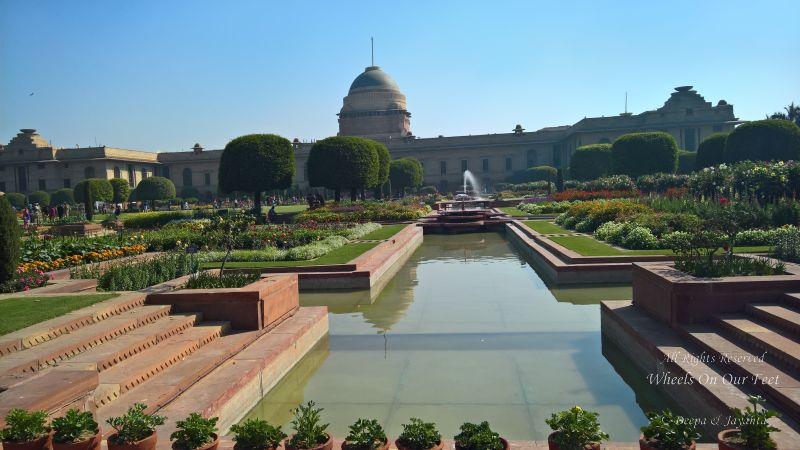
The Legacy of Mughal Gardens in Kashmir
The Historical Significance of Mughal Gardens
The Mughal Garden Kashmir, built between the 16th and 17th centuries, showcases the architectural brilliance of the Mughal emperors, who were inspired by Persian and Islamic garden designs. These gardens were designed to blend nature’s beauty with royal architecture, serving as a retreat for the royal family and a symbol of the empire’s power and vision. The Mughal garden history highlights the deep connection the rulers had with nature, incorporating floral elements and water canals for cooling effects and peaceful sounds.
The Char Bagh Layout: A Signature Design
The Mughal Garden Kashmir features a unique Char Bagh layout, symbolizing paradise in Persian literature and Islamic teachings. The four-part division is surrounded by vibrant flora, fountains, and trees, reflecting the harmony of nature. The central water channel and pathways divide the garden into four equal sections, creating a refreshing and peaceful atmosphere. This timeless design element has been carefully preserved in many Mughal gardens, enchanting visitors today.

Explore the Top Mughal Gardens in Srinagar
Shalimar Bagh – The Abode of Love
Shalimar Bagh, a Mughal garden in Kashmir, is a renowned example of Mughal ingenuity. Built by Emperor Jahangir in the 17th century, it features terraces with stunning views of Dal Lake. The uppermost terrace houses a magnificent black marble pavilion, adding to the regal charm. The Royal Canal, lined with vibrant flowers, adds a sense of peace and tranquility. Shalimar Bagh is a testament to the Mughal ingenuity in blending nature, architecture, and art into a harmonious space.
Nishat Bagh – The Garden of Bliss
Nishat Bagh, a grand Mughal garden built by Asif Khan, the brother of Empress Nur Jahan, is the second-largest garden in Srinagar. Known as the “Garden of Bliss,” it offers stunning views of Dal Lake, the Zabarwan Mountains, and surrounding valleys. The garden is arranged in twelve terraced levels, each representing a different zodiac sign. Known for its design and lush surroundings, visitors can enjoy leisurely strolls, water relaxation, and seasonal floral displays.
Chashme Shahi – The Royal Spring
Chashme Shahi, a Mughal Garden in Kashmir, is renowned for its natural spring with medicinal properties. Built by Emperor Shah Jahan, the garden features terraced levels with flowing water, creating a calming atmosphere. The spring feeds into fountains and channels, enhancing its beauty. The serene atmosphere makes it an ideal spot for peace and solitude, and a picturesque location for photography due to the spring and terraced levels.
Pari Mahal – The Fairytale Palace
Pari Mahal, built by Dara Shikoh, is a historical and architectural marvel in the Mughal Garden Kashmir collection. Located on a hilltop overlooking Dal Lake, the palace features seven terraces with stunning views and intricate architectural features. The ruins exude grandeur and mystique, making it a fascinating site for history lovers and photographers. The peaceful surroundings add to the charm, making it one of Kashmir’s most unique and visually striking historical sites.
Botanical Gardens in Srinagar
Kashmir’s Botanical Gardens, located near Srinagar, offer a contemporary alternative to the Mughal Gardens. Despite lacking historical significance, they provide a serene and peaceful environment for visitors to appreciate flora. The gardens feature a diverse collection of plants from around the world, well-maintained paths, lakes, and seasonal blooms. They cater to those seeking a less crowded experience than the more famous Mughal gardens.
ALSO READ: A First-Timer’s Guide to Shopping in Kashmir – What to Buy & Where

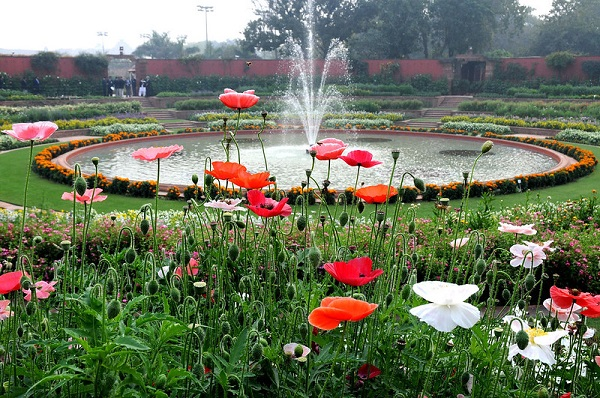
Mughal Gardens: A Paradise for Photography
Best Spots for Capturing Timeless Beauty
- Nishat Bagh: 12 terraces with vibrant flowers and Dal Lake views.
- Shalimar Bagh: Royal Canal waters and black marble pavilion.
- Chashme Shahi: Peaceful atmosphere and flowing water.
- Pari Mahal: Historical ruins and Dal Lake views create dramatic backdrops.
Seasonal Highlights for Photography
- Spring: Vibrant blooms and peak colors in gardens.
- Autumn: Tranquil ambiance with golden leaves and cooler weather.
- Ideal for capturing serene beauty of gardens.
Planning Your Visit
Best Time to Visit Mughal Gardens
- Spring (March-May): Vibrant colors and full bloom of flowers.
- Autumn (September-November): Golden hues and peaceful outdoor exploration.
Visitor Tips
- Wear comfortable shoes for uneven paths.
- Bring water, sunscreen, and a hat for comfort.
- Arrive early to avoid crowds.
- Respect historical and cultural significance of gardens.
- Use WanderOn’s curated travel packages for expert-guided tours and hassle-free travel experience.
To Sum up,
The Mughal Garden Kashmir offers a captivating journey through history, nature, and architecture, showcasing the rich cultural heritage of Kashmir. Visitors can relax, reflect, and enjoy the beauty of the gardens, including Shalimar Bagh, Nishat Bagh, Chashme Shahi, Pari Mahal, and the Botanical Gardens in Srinagar.


Mughal Gardens A Guide to the Paradise on Earth
- Best time to visit: Spring (March to early May) and Autumn (September to November).
- Accessible via cab, auto rickshaw, or self-drive.
- Ideal for family outings due to broad areas, picturesque scenery, and secure paths.
- Photography permitted, with professional event photography requiring additional authorization.
- Amenities inside the gardens: Basic seating, bathrooms, drinking water, snack bars, and outdoor beverage vendors.