


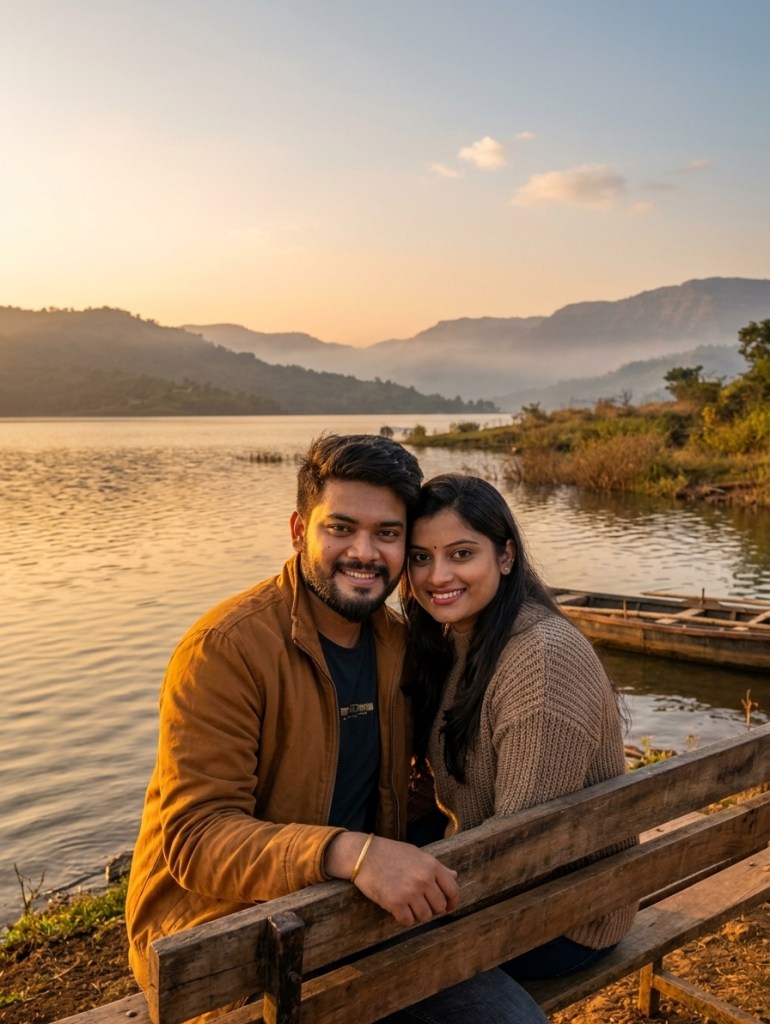
We’ve spent weekends at both Mulshi and Pawna more times than we can count. And every time someone asks us which one’s better for couples, our answer starts with a question: what kind of couple are you?
That’s not a cop-out. It’s the truth. Mulshi and Pawna sit barely 40 kilometres apart, both are within easy reach of Pune, and both promise lakeside romance. But they deliver completely different experiences. One’s for couples who want solitude and slow mornings. The other’s for those who want energy, bonfires, and a bit of buzz around them.
We’ve made the drive to both on random Friday evenings, booked last-minute homestays, argued over which route to take, and sat by both lakes wondering why more couples don’t ask the right questions before choosing. So let’s fix that. This isn’t a generic comparison. This is what we’d tell you if you called us right now asking which lake to book for your anniversary.


What You Need to Know Before You Pick Either Lake
Here’s what most travel blogs won’t tell you: neither Mulshi nor Pawna Lake is a single destination. They’re both clusters of hamlets, farmstays, campsites, and access points spread across several kilometres. Your experience depends entirely on where you stay and what you book.
We learned this the hard way. Our first trip to Pawna, we booked a “lakeside” campsite that turned out to be 500 metres from the water with no view. At Mulshi, we once stayed at a property so remote that we ran out of snacks by evening and the nearest shop was a 20-minute drive through unlit roads. Both trips were our fault for not asking the right questions upfront.
So before you choose between Mulshi and Pawna, decide this: are you okay with zero mobile network for 48 hours? Do you want other couples around, or do you want to feel like you’ve rented an entire hillside? Can you handle basic food, or do you need options? Your answers will tell you which lake suits you better.
Mulshi Lake: For Couples Who Want Complete Privacy
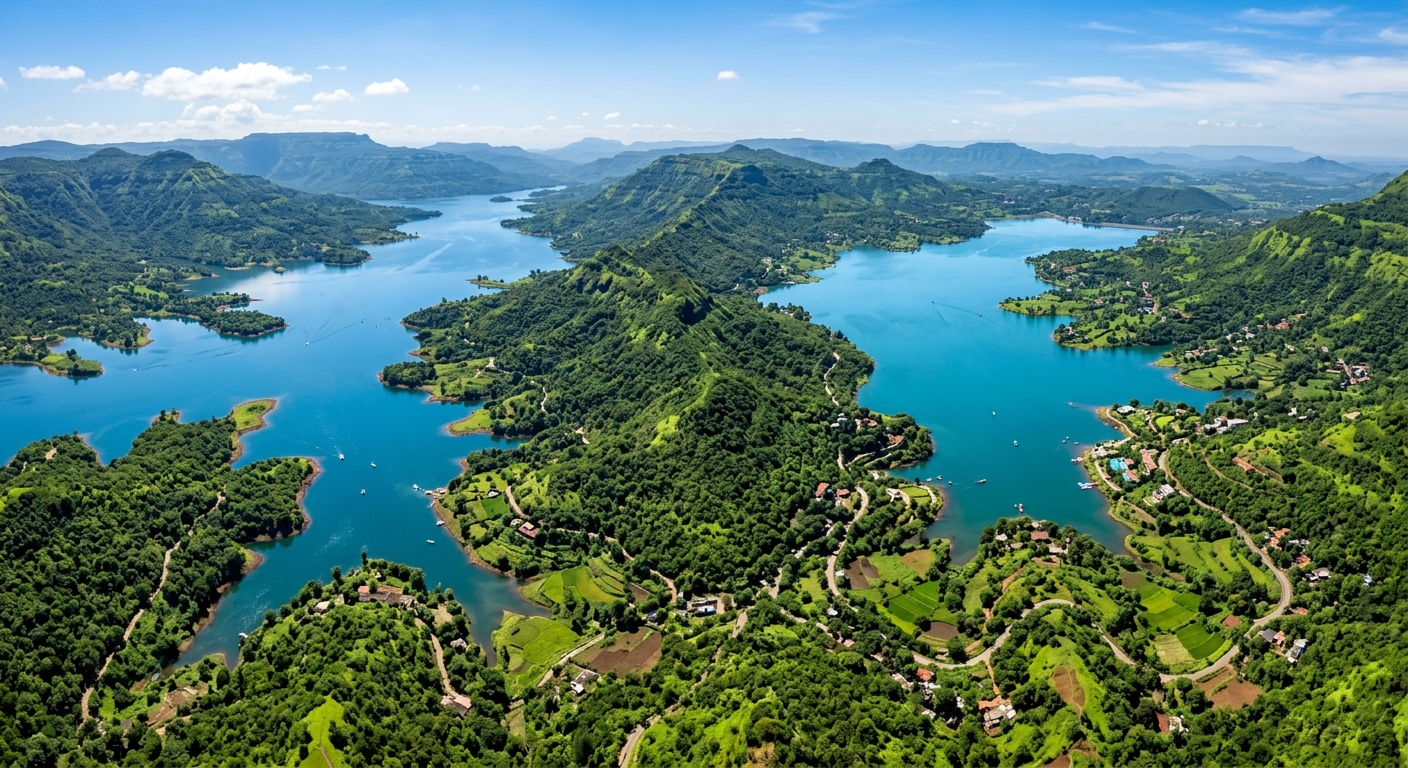
Mulshi is quieter, greener, and more remote. The lake itself is massive — it’s actually a reservoir created by the Mulshi Dam, and it snakes through valleys surrounded by the Western Ghats. The landscape feels more dramatic here. Hills rise steep and close, the water’s deeper, and the colour changes from blue to grey depending on the cloud cover.
If you’re the kind of couple that wants a homestay with maybe two other rooms max, Mulshi’s your place. Most properties here are small — family-run farmhouses, boutique stays, or standalone cottages. You won’t find large resorts or big commercial campsites. That’s the point. You get to wake up to mountain mist, have breakfast on a private balcony, and spend the afternoon doing absolutely nothing without another soul in sight.
But here’s the trade-off: Mulshi is harder to reach, and once you’re there, you’re pretty much stuck at your property. The roads that lead to most homestays are narrow, winding, and poorly marked. Mobile network is patchy at best. If your idea of romance includes scrolling Instagram together by the lake, Mulshi will frustrate you. If your idea of romance is two days offline with just your partner and a paperback, Mulshi nails it.
The food situation is simpler here too. Most homestays serve fixed Maharashtrian meals — bhakri, pitla, chicken or mutton curry if you’re lucky. It’s home-cooked and honest, but you won’t get variety. We’ve stayed at places where breakfast was poha, lunch was rice and dal, and dinner was rice and dal again. Not bad. Just predictable. If you’re particular about food, ask upfront or carry backup snacks.
Cost-wise, Mulshi is slightly cheaper than Pawna. A decent couple-friendly homestay runs between ₹2,500 and ₹4,500 per night including meals. Luxury villas with private pools go up to ₹10,000, but those are rare. Fuel from Pune to most Mulshi properties is about ₹300-400 depending on your car and exact location. No tolls. Parking is free everywhere.
One thing we love about Mulshi: the sunsets. The way the light hits the water through the gaps in the hills — it’s softer, slower, more cinematic than Pawna. You don’t need to do anything. Just sit. That’s the whole experience.
Pawna Lake: For Couples Who Want Energy and Options
Pawna is busier, flatter, and way more accessible. The lake sits lower, the surrounding hills are gentler, and the whole vibe feels more open. You’ll see other campsites, other couples, the occasional group of friends. That energy can either add to your experience or take away from it, depending on what you’re after.
The big draw here is variety. Pawna has dozens of campsites, glamping setups, and lakeside resorts. Some are basic — tents, shared washrooms, bonfire, and maggi. Others are bougie — Swiss tents with attached bathrooms, fairy lights, and curated playlists. You can pick your budget and your vibe. We’ve done both. The ₹1,200-per-person camping experience was fun and chaotic. The ₹5,000-per-night glamping setup felt like an Airbnb by the water.
If you’re newly married or it’s your first romantic getaway as a couple, Pawna feels safer. There are people around. The roads are better. Mobile network works. You can order food if the campsite meal disappoints you. And honestly, that’s not a small thing. The first time we stayed at Pawna, the dal was watery and the rotis were cold. We just walked to another campsite nearby and bought sandwiches. Try doing that at Mulshi.
The downside? You won’t get the kind of privacy Mulshi offers. Even if you book a “private” campsite, you’ll hear music from the next property. You’ll see headlights. You’ll share the lake view with a dozen other tents. That’s not a dealbreaker if you’re comfortable with it, but if your idea of romance includes not hearing someone else’s Bluetooth speaker, Pawna might annoy you.
Weather-wise, Pawna gets more wind. Which sounds poetic until you’re trying to eat dinner and your paper plate keeps flying away. We’ve had meals where we literally had to hold our food down. Mulshi, being more sheltered by hills, doesn’t have that problem.
Cost at Pawna ranges wildly. You can camp for ₹1,000 per person or spend ₹8,000 on a luxury tent. Most decent couple-friendly options with attached washrooms and meals cost around ₹3,000 to ₹4,500 per night. Fuel from Pune is slightly less than Mulshi — about ₹250-350. There’s a ₹50 toll near Lonavala if you take the expressway route. Parking is free at most campsites.
Accessibility and Road Conditions
Let’s talk about getting there, because this matters more than most blogs admit.
Pawna is easier. You take the old Mumbai-Pune highway or the expressway, get off near Kamshet or Lonavala, and follow a fairly well-marked road to the lake. The approach roads are paved. Google Maps works. You’ll reach in about 60 to 90 minutes from Pune depending on traffic. Any car can handle it, including a sedan.
Mulshi requires more attention. You take the Paud-Mulshi road, which is beautiful but narrow in stretches. Once you leave the main road and head towards specific properties, the paths get rougher. We’ve driven through single-lane village roads where you have to reverse if another car comes from the opposite side. Some homestays require a final 2-kilometre climb that’s steep enough to make you nervous if you’re not used to hill driving. Google Maps lies here — it’ll show a route that doesn’t exist or stops halfway. Always call your host and get exact directions.
If you’re driving at night, Pawna wins by default. The roads are lit and busy enough that you won’t feel lost. Mulshi roads at night are pitch dark. No streetlights. No landmarks. We’ve missed our turn twice and ended up driving an extra 40 minutes in circles.
Activities and Things to Do as a Couple
Neither Mulshi nor Pawna is an adventure destination. You’re not going there to do things. You’re going there to not do things. But here’s what’s on offer if you get restless.
At Pawna, most campsites organise bonfires, barbecue, and group activities like antakshari or outdoor games. Some offer kayaking or paddleboats, though availability depends on the water level and season. If you’re into photography, sunrise at Pawna is good — the light is flat and golden, and the reflections on the water are clean. The Tung Fort trek is nearby if you want a morning hike. It’s an easy 20-minute climb, not too crowded on weekdays, and the view from the top covers the entire lake.
At Mulshi, activities are more organic. You walk. You sit. You talk. Some properties have swings, hammocks, or private sit-out areas by the lake. A few organise guided nature walks or village tours. We once spent an entire afternoon just watching a farmer plough his field. That sounds boring, but it wasn’t. The silence did something to our heads. No notification. No rush. Just us. If you’re into birdwatching or sketching, Mulshi gives you that space.
The real activity at both places is doing nothing together. Reading the same book out loud. Playing cards. Arguing about which hills look better. Making bad chai in a homestay kitchen. That’s the romance you’re paying for.

Weather and Best Time to Visit
Both lakes are at their best from October to February. The monsoon months (June to September) make them greener and more dramatic, but accessibility becomes a problem. Roads flood. Campsites close. Leeches show up. We’ve been to Pawna in July once, and while the views were stunning, we spent half the time swatting insects and the other half worrying about our car getting stuck in mud.
Mulshi in the monsoon is beautiful but risky. The mist is so thick you can’t see 10 metres ahead. The roads get slippery. Some homestays shut down completely. If you’re experienced with hill driving and okay with unpredictable weather, go for it. If not, wait till October.
Summers (March to May) are manageable but hot during the day. Pawna gets hotter because it’s more exposed. Mulshi stays cooler because of the forest cover. Either way, mornings and evenings are pleasant. Just don’t plan outdoor activities between noon and 4 PM.
Winter is perfect. Clear skies. Cool breeze. Comfortable enough to sit outside without a blanket, but not so cold that you need a heater. Both lakes get crowded on weekends in December and January, so book early or visit midweek if you want fewer people around.
Food and Meal Options
This is where expectations need to be realistic.
Most Mulshi homestays serve simple Maharashtrian food. You get what the family eats. If you’re vegetarian, you’ll get dal, bhaji, rice, chapati, and maybe some local pickle. If you’re non-vegetarian, they’ll add chicken or mutton curry. It’s fresh, it’s filling, and it’s the same every day. Some places will cook eggs for breakfast if you ask. Don’t expect a menu. Don’t expect continental or Chinese. If you’re picky, carry snacks or request a kitchen where you can cook your own meals.
Pawna campsites usually offer fixed meal packages: breakfast, lunch, dinner, and evening snacks. The quality varies wildly. We’ve had great meals at some campsites — fresh rotis, paneer curry, good dal. And we’ve had terrible meals at others — undercooked rice, watery sabzi, stale bread. The problem is you won’t know till you get there. Check reviews carefully. If the campsite has a live kitchen and you can see them cooking, that’s a good sign.
Some higher-end Pawna properties now offer à la carte menus, barbecue setups, or even wood-fired pizza. Those cost extra but solve the monotony problem. If food matters to you, pick a property that lists its meal plan clearly and has recent reviews mentioning the kitchen.
Neither place has restaurants nearby. At Pawna, you might find a small dhaba on the main road, but it’s a 10-minute drive. At Mulshi, the nearest eatery is usually 20 minutes away. Plan accordingly. We always carry packaged snacks, biscuits, and a couple of Maggi packets just in case.
Which Lake Suits Which Kind of Couple?
Here’s the honest breakdown.
Choose Mulshi if you’re celebrating an anniversary and want zero distractions. If you’re okay with basic food and no mobile network. If your idea of a perfect evening is sitting by the water with your partner without another human in sight. If you’re the kind of couple that prefers long conversations over long walks. Mulshi rewards patience and silence. It’s slower, softer, and more introspective. It’s also better for second or third visits — once you’ve done Pawna and realised you want something quieter next time.
Choose Pawna if it’s your first romantic getaway and you want a safer, easier experience. If you want options — food, properties, activities. If you’re okay with other couples around and actually like the vibe of a bonfire with strangers. If your partner isn’t great with silence and needs something to do. Pawna is more forgiving. It’s also better for last-minute plans, because there are more properties and higher availability even on weekends.
One more thing: if you’re proposing, go to Mulshi. The setting is more dramatic, more private, and you won’t have someone’s playlist ruining your moment. If you’re just testing the waters with a new relationship and need conversation starters, Pawna’s easier. The energy helps fill the gaps.
Realistic Costs for a Weekend Trip
Let’s break down what a two-day, one-night trip actually costs for a couple, because most blogs skip this part.
Pawna Lake weekend:
- Fuel (round trip from Pune): ₹300
- Toll (if applicable): ₹50
- Accommodation (decent campsite with meals): ₹3,500
- Extra snacks, tea, water: ₹200
- Miscellaneous (parking, tips, emergency grocery): ₹150
- Total: ₹4,200 approximately
Mulshi Lake weekend:
- Fuel (round trip from Pune): ₹350
- Toll: ₹0
- Accommodation (homestay with meals): ₹3,000
- Extra snacks, tea, water: ₹250 (since shops are far)
- Miscellaneous: ₹100
- Total: ₹3,700 approximately
These are mid-range budgets. You can do Pawna camping for ₹2,500 total if you rough it out. You can spend ₹12,000 at a luxury Mulshi villa if you want. But most couples we know spend between ₹3,500 and ₹5,000 for a comfortable weekend at either lake.
Frequently Asked Questions
Which lake is better for a honeymoon stay near Pune?
Mulshi is better for honeymoon couples who want privacy and romance without distractions. Pawna works if you want a livelier setup with options and easier access. If it’s your first trip together as a married couple, Mulshi sets the right tone — intimate, slow, and completely focused on each other.
Can we visit Mulshi and Pawna Lake in the same weekend?
Technically yes, but we don’t recommend it. The lakes are about 40 kilometres apart, but the driving and check-in time will eat into your relaxation. Pick one, stay overnight, and actually enjoy it. Rushing between both defeats the purpose of a romantic retreat.
Is mobile network available at both lakes?
Pawna has decent mobile network with most carriers — Jio and Airtel work fine. Mulshi is hit or miss. Some properties have no signal at all. A few have WiFi, but it’s slow. If you need to stay reachable, confirm network availability with your host before booking.
Which is safer for couples travelling alone?
Both are safe. Pawna feels safer because it’s more populated and accessible. Mulshi requires more planning, but the homestay hosts are welcoming and trustworthy. We’ve never felt unsafe at either place. Just inform someone back home about your exact location and property name before you go offline.
Here’s What We’d Tell You If You Called Us Right Now
If this is your first lake trip together, book Pawna. It’s easier, cheaper, and less intimidating. You’ll enjoy it. If you’ve already done a few getaways and want something deeper, go to Mulshi. It’ll feel like you’ve left the state entirely even though you’re barely 60 kilometres from Pune.
Don’t overthink this. Both lakes are beautiful. Both will give you a weekend away from your routine. The difference isn’t which one’s objectively better. The difference is which one matches how you want to spend your time together.
Want to know which lake Musafir Couple prefers? Honestly, we go back to both. Pawna when we need a quick reset. Mulshi when we need to remember why we travel in the first place. Book the one that feels right. Pack light. Drive safe. And let the lake do the rest.
If you’re still confused or want specific property recommendations based on your dates and budget, reach out to us at Musafir Couple through our website. We’ll share the exact places we’ve stayed, the hosts we trust, and the routes that actually work. Have a great trip.