 by
by Kanyakumari, often known as the Land’s End of India, is more than simply the country’s southernmost point; it is a destination where natural beauty meets profound spiritual meaning. Kanyakumari, surrounded by the Arabian Sea, the Bay of Bengal, and the Indian Ocean, is thought to have a special cosmic energy as a result of the uncommon convergence of three oceans.
For generations, saints, philosophers, and seekers have come here to meditate, ponder, and commune with the divine. From the strong traditions of Goddess Kanyakumari to Swami Vivekananda’s stirring meditation, the region has been a haven for spiritual enlightenment. Kanyakumari is extremely unique in that it celebrates Hindu spirituality while simultaneously embracing Christianity, Islam, and other faiths, making it a veritable spiritual melting pot of India.

Visiting Kanyakumari is not just about discovering monuments; it’s about enjoying moments of tranquility, watching natural beauties like dawn and sunset, and immersing yourself in the spiritual energy that the area emanates.
Here are five places that define its spiritual essence.
Shirdi Sai Baba Temple, Kanyakumari
The Shri Shirdi Sai Baba Anantha Aalayalam, was opened in 2012, is a unique temple complex that contains smaller temples for Vetri Vinayaka and Maha Sri Thathrayer. It has regular poojas and spiritual meetings for Sai Baba devotees, including special days when Annadanam is distributed and Sai Baba’s Abhishekam is conducted using milk, curd, white rice powder, turmeric powder, and ghee.

ALSO READ: Top 5 Budget Islands in the Maldives
Vivekananda Rock Memorial
Kanyakumari’s most renowned tourist attraction, erected in 1970, celebrates Swami Vivekananda, who reached enlightenment on a rock said to be where Goddess Kanyakumari underwent tapas in devotion to Lord Shiva. The temple’s construction is inspired by numerous Indian traditions, and it includes the Sripada Mandapam, Vivekananda Mandapam, and a separate meditation hall. The memorial also represents the confluence of the Bay of Bengal, Indian Ocean, and Arabian Sea.

Kollemcode Sree Bhadrakali Temple
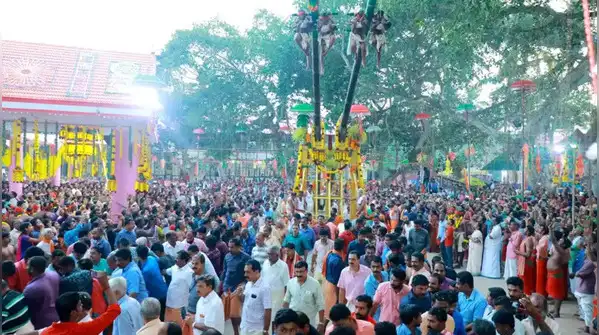
The Kollemcode temple, dedicated to Goddess Bhadrakali, represents Durga and protects mankind throughout the Kali Yuga. It has unusual woodwork carvings and Mudi constructions that represent snake hoods. Blacksmith priests perform rites, and the Thookam festival, held on Bharani day in Meenam, draws thousands of devotees each year. The region was originally known as Kalinga Rajapuram, where war refugees resided and worshiped the Goddess Kali.
St. Xavier’s Cathedral, Kottar
St. Xavier’s Cathedral, erected in 1600 by St. Francis Xavier, is an important Latin Catholic prayer place as well as a center for charitable activity and local celebrations. It is located in the present-day Kanyakumari region and attracts a large number of devotees each year, especially around November and December. The oldest Cathedral Church in the Roman Catholic Diocese of Kottar is dedicated to missionary activity and protection.
Our Lady of Ransom Church, Kanyakumari
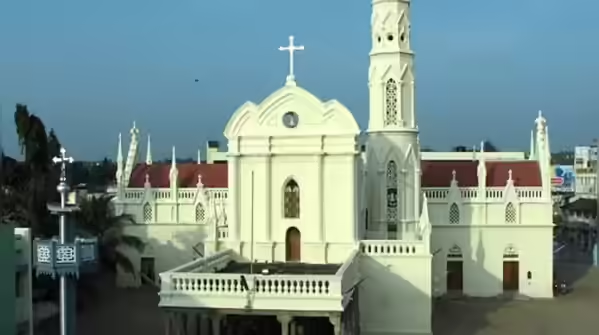
Kanyakumari’s Catholic Church is an architectural masterpiece, with seven entrances symbolizing the Holy Spirit’s gifts. The ancient church housed a figure of Mother Mary on a golden altar, but the present church, completed in 1900, had Gothic architecture and twelve towers portraying Jesus’ followers. The feast of Our Lady of Ransom, held in December, concludes with a golden chariot procession.

🧳 Travel Tips for Visitors
- Best Time to Visit: October to March offers pleasant weather and clearer skies, ideal for both sightseeing and spiritual retreats. Avoid peak monsoon season as seas can get rough.
- How to Reach:
- By Air: Nearest airport is Thiruvananthapuram International Airport (about 90 km).
- By Train: Kanyakumari has its own railway station, well connected to major Indian cities.
- By Road: State and private buses connect Kanyakumari to Tamil Nadu and Kerala.
- Accommodation: Choose from budget lodges, mid-range hotels, and even spiritual retreat centers. For a spiritual stay, some ashrams offer simple and peaceful accommodation.
- Food: South Indian vegetarian cuisine is most common near temples. You’ll also find fresh seafood along the coast.
- Essential Tip: Carry light cotton clothes, comfortable footwear, and don’t miss early mornings for sunrise.
🌟 Conclusion
Kanyakumari is more than simply a geographical marker; it is a trip into the heart of India’s spirituality. From strong temples and tranquil meditation halls to the exquisite beauty of sunrise and sunset, the town provides experiences that stimulate both the intellect and the emotions. It’s a location where mythology and history collide, where religions coexist harmoniously, where nature itself feels heavenly.
Whether you’re a pilgrim looking for blessings, a visitor looking for calm, or simply inquisitive about India’s spiritual variety, Kanyakumari greets you warmly. A journey here is more than just seeing monuments; it’s about experiencing the spiritual energy that keeps this seaside town ageless and sacred.