
 by
by “Where the land ends and the divine begins – that’s where Somnath stands.”
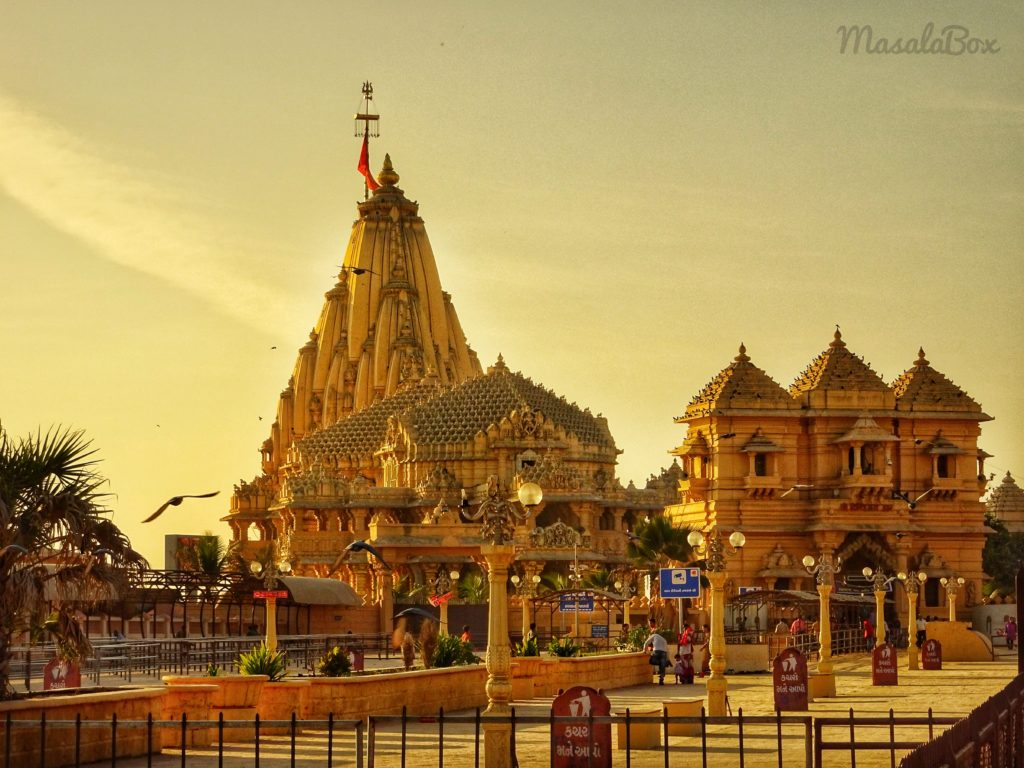
The Somnath Temple, located in Gujarat, on India’s western border, is a striking example of unwavering faith, deep wisdom, and artistic tenacity. Locals affectionately refer to it as Adi Jyotirling, the basis of all sacred things, and it is widely revered as the first of Lord Shiva’s twelve Jyotirlingas.
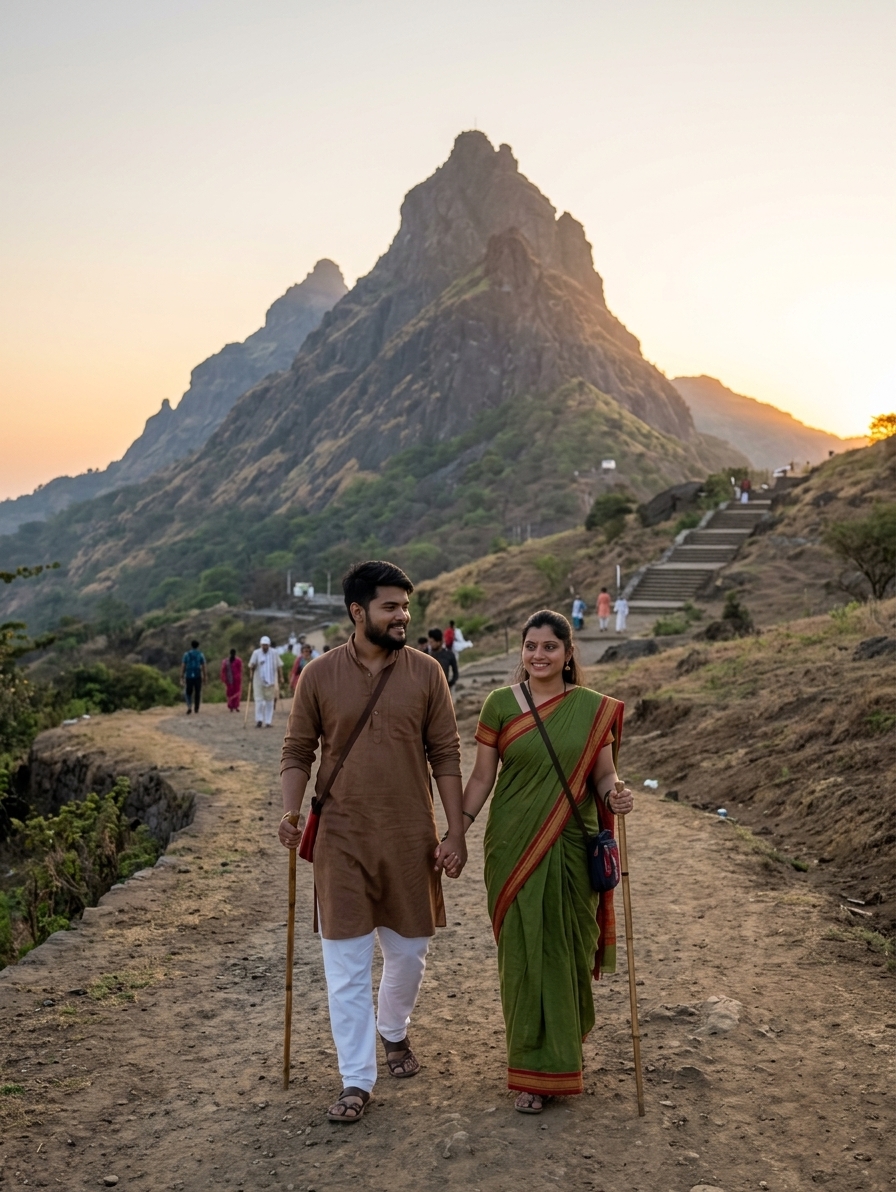
A Spiritual Journey from Girnar to Somnath Temple
After a challenging yet enlightening climb on Mount Girnar, I set my heart on Somnath, a place one lives through rather than simply tours. From Junagadh we caught a night train toward the coast. Our bodies ached, yet an unusual calm wrapped around us as we rolled into the station. Upon arrival we checked into a nearby hotel for a quick wash and short rest before the morning light.
With a cup of strong chai in hand we started the three-hundred-metre stroll to the temple just after six. It felt like a sacred prelude. The streets lay quiet, the sky freshly washed, and each step drifted toward prayer.
Somnath Temple History
The splendour of the temple and the first Jyotirlinga reliquary may have drawn rulers.
The temple, which is situated by the Arabian Sea, has seen several reconstructions and destructions.
During the Dwapara Yuga, the Moon made the temple out of gold, Ravana made it out of silver, and Krishna made it out of sandalwood.
The Arab governor of Sindh demolished the second temple, which was constructed by the Yadava kings of Vallabhi.
The temple was restored six times, with a 1947 reconstruction project, after Mahmud of Ghazni assaulted it seventeen times, burning down the wooden structure and stealing its riches.
Dr. Rajendra Prasad, the president at the time, dedicated the shrine in 1951.

A Dual Blessing: Old and New Temples
Within the Somnath temple complex, two buildings meeting each other are divided by a stone courtyard:
The Ahilyabai Temple, sometimes called the Old Somnath Temple, was built here in 1783 by Queen Ahilyabai Holkar. Inside, pilgrims may touch a piece of the past and feel as though Mahadev has been protecting this place for thousands of years gratitude to the old Shivlinga.
During the Dugdha Abhishek ritual, I stood in show of that holy stone, poured milk over it, and then just sat and took a deep breath. The world appeared to melt away in those silent moments; time appeared to fold, and all of a sudden the divine presence I had been exploring for exterior of myself was inside of me.
The New Somnath Temple, a contemporary architectural wonder with crisp lines and vibrant masonry illuminated by daylight, rises over the route. The serene spirit that pervades the room feels crisper than any snapshot, yet phones and cameras must be kept off.
Don’t Miss These Two Experiences
- The Geographical Pillar, called Baan Stambh, stands guard at the edge of the sea: Its surface bears the striking line, There is no land in a straight line between Somnath and Antarctica. Visitors are reminded by carved representations that Somnath is both physically and symbolically at the headquarters of the globe, where the earth contains and the spirit starts.
- Join the crowd for the 7:00 A.M. or 7:00 P.M. aarti, and reality shifts.
Bells ring, waves react, shells burst, and the throb gets your bones. Goosebumps alert anybody who is open-minded to the fact that they are the only camera needed for such holy points.
Soothing Moments by the Sea
Behind the shrine the gentle sweep of Somnath Beach treats the ear to stories long kept. Watching the sun slip into the sea there, while cool salt air brushes the skin, is quickly, simply, meditative. The beach is a great spot to rest, relax, and believe because it isn’t marketed.
Hidden Gems Around Somnath
After our temple visit, we took a tuk-tuk to explore the surrounding gems:
- Suraj Mandir (Sun Temple):
A lesser-known ancient temple with divine vibes and fewer crowds. It’s ideal for peaceful moments and capturing serene visuals. - Bhalka Tirth:
It is thought that Lord Krishna ended his earthly trip at this spiritually significant location. A hunter wrongly thought he was a deer and hit him with an indicator as he was dozing beneath a tree. “Bhalka” is derived from the word “bhal,” which means “arrow.” It’s like riding the pages of a live history book when you visit this site. - Dehotsarg Tirth:
This holy cremation ground, where Lord Krishna is said to have passed from his mortal form, is found just in front of Bhalka Tirth. For anyone curious about myth and heavenly levels, this is a must-see.
A Window into History – Prabhas Patan Museum
Visit the Prabhas Patan Museum if you have an attraction in history. It saves old carvings, sculptures, and remnants of earlier iterations of the Somnath Temple. Stories of destruction, devotion, and unwavering faith in Mahadev are subtly conveyed by the relics.
Planning Your Visit: Useful Tips
- Temple Timings: 6:00 AM – 9:30 PM
- Aarti Timings: 7:00 AM, 12:00 PM, 7:00 PM
- Light & Sound Show: 8:00 PM – 9:00 PM (in Hindi, beautifully narrates the temple’s history)
- Mobiles/Cameras: Not allowed inside the main temple. Lockers are available.
- Facilities: Clean drinking water, wheelchair access, and security checks are well-managed.
Where to Stay
The Somnath Trust Guest Houses, especially Sagar Darshan, offer clean, budget-friendly rooms with sea views. The trust-run accommodations are safe, comfortable, and perfect for spiritual travellers.

Conclusion: Somnath is Not Just a Temple, It’s a Feeling
From the steep stairs of Girnar to the sacred waters of Somnath, this journey was a spiritual purification experience rather than merely a tourism expedition. My spirit felt rejuvenated despite my body’s exhaustion.
There is no grandeur or throng in Somnath Temple. It’s about making a relationship with yourself, with history, and with god. You’ll understand that this is more than just a location—it’s a presence—as you stand in front of the powerful Shiva, seas screaming behind you, and chants reverberating throughout the environment.
Have you ever had a spiritual bond with a location or a god? Leave a comment below with your tale. Until the next time, never stop believing and moving along. जय भोलेनाथ!