
 by
by Planning a weekend escape to Mulshi from Pune sounds simple until you start budgeting. Most couples either wildly overspend or cut corners that ruin the experience. We’ve done this trip multiple times — sometimes splurging, sometimes squeezing every rupee — and learned what actually matters.
Here’s the truth about a Mulshi road trip cost for couples in 2026. Not the Instagram version. The real one, with tolls, parking fees, that sudden downpour that ruins your plans, and the local vendor who charges tourists double. We’ll break down exactly where your money goes, what you can skip, and where cutting costs backfires.
Myth 1: A Three-Day Mulshi Trip Budget Starts at ₹15,000 Minimum
People assume Mulshi is expensive because it’s a weekend hotspot. Wrong.
Your Mulshi trip budget 2026 depends entirely on two decisions: where you stay and when you eat out versus cooking. Everything else is negotiable. We’ve done comfortable three-day trips for ₹8,500 as a couple, and we’ve blown ₹18,000 on the same route with fancier choices.
Let’s start with fuel. Pune to Mulshi via Pirangut is roughly 35 km one way. Round trip plus local sightseeing — you’ll clock about 150 km total over three days if you explore Tamhini Ghat, Koraigad base, and the dam backwaters. A sedan doing 15 km/litre burns 10 litres. At ₹105 per litre (April 2026 Pune petrol rates), that’s ₹1,050. Add ₹200 buffer for detours. Call it ₹1,250 in fuel.
Tolls? None on the Pirangut route. Parking at most lakeside spots and farmstays is free or ₹50 maximum. This isn’t Lonavala where every viewpoint has a gate.
Accommodation varies wildly. A basic homestay with a decent view costs ₹2,000 to ₹2,500 per night. Multiply by two nights — that’s ₹5,000. Mid-range lakeside properties with breakfast start around ₹3,500 per night, totaling ₹7,000 for two. Luxury farmhouses with pools and private decks can hit ₹8,000 a night, taking your stay budget to ₹16,000 alone.
Food depends on whether your stay includes meals. Most homestays offer dinner and breakfast for ₹500 to ₹800 per person per day. That’s roughly ₹3,000 for two people over three days if you take all meals at the property. If you eat out — and Mulshi has limited restaurant options — budget ₹600 per meal for two at roadside dhabas, ₹1,200 at decent cafes. Three days, six meals out, you’re looking at ₹5,000 to ₹7,000.
We usually pack breakfast supplies (bread, eggs, coffee) and cook at the homestay if there’s a kitchenette. Saves ₹800 easy. Lunch we do at local spots. Dinner at the property. Total food spend: around ₹2,500 for the weekend.
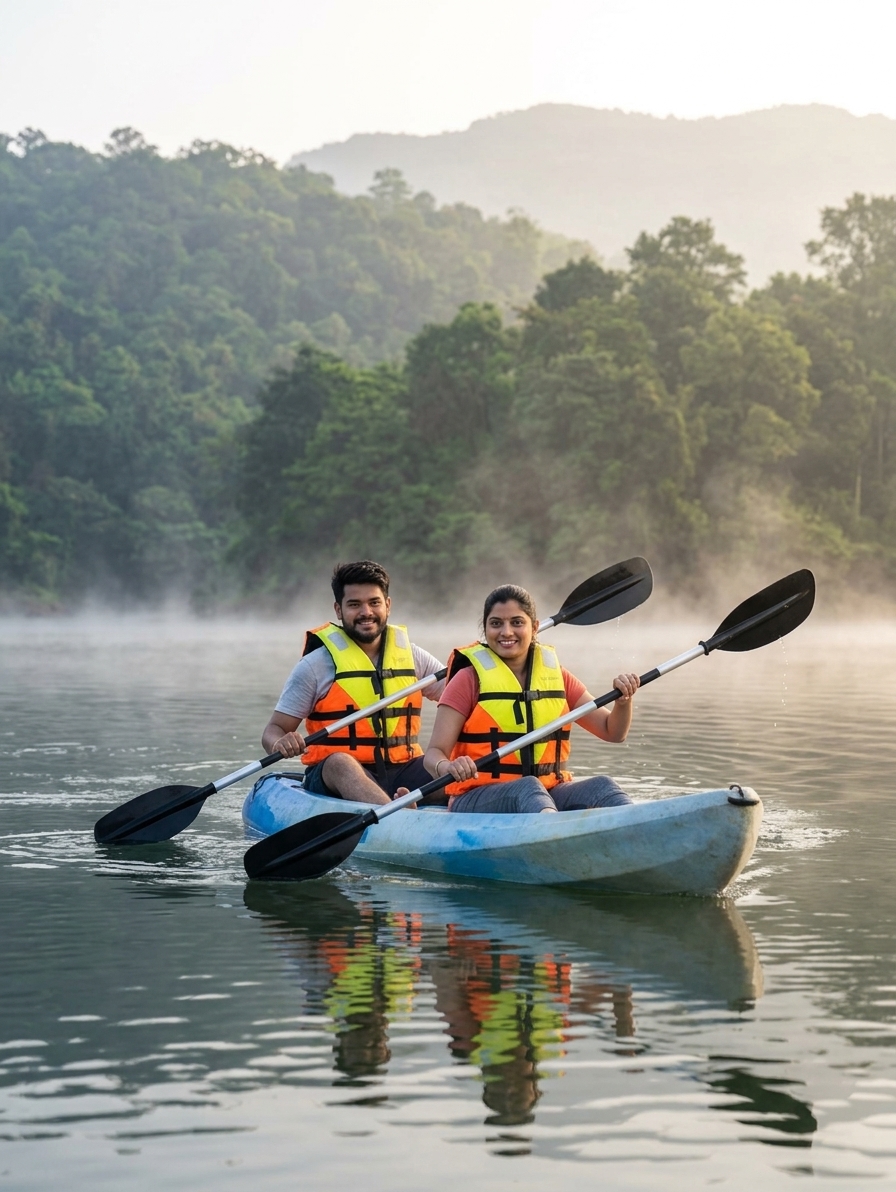
Sightseeing costs almost nothing. Mulshi Dam has no entry fee. Tamhini Ghat is free. Koraigad trek costs ₹50 per person if you park at the base. Kayaking at the reservoir runs ₹500 per person for an hour — optional, but fun. Budget ₹1,500 total for activities if you do them all.
Add it up conservatively:
- Fuel: ₹1,250
- Stay (budget homestay): ₹5,000
- Food (mix of home-cooked and local eats): ₹2,500
- Activities: ₹1,500
- Miscellaneous (chai stops, emergency rain gear): ₹500
Total: ₹10,750 for two people, three days, done comfortably. Not ₹15,000.
If you go luxury — ₹8,000/night stay, all restaurant meals, guided nature walks — you’ll hit ₹18,000. But you don’t need that for a great trip. Most couples land between ₹9,000 and ₹12,000.
Myth 2: Off-Season Travel to Mulshi Saves Serious Money
This one’s tricky. People think visiting Mulshi in summer (March to May) costs less because demand drops. Partly true. Accommodation rates do soften — you might get that ₹3,500 property for ₹2,800 if you book directly and negotiate.
But here’s the catch: off-season means the lake’s water level is low. The dramatic backwaters that make Mulshi stunning? Half-dried. The waterfalls along Tamhini Ghat? Trickles, if that. You save ₹1,000 on the room and lose 60% of the visual experience.
We made this mistake in April 2024. Booked a lakefront cottage at ₹2,200 per night, felt smart. Reached and realized the “lakefront” was 200 meters from the waterline because the reservoir was low. No kayaking. No misty mornings over water. Just brown hillsides.
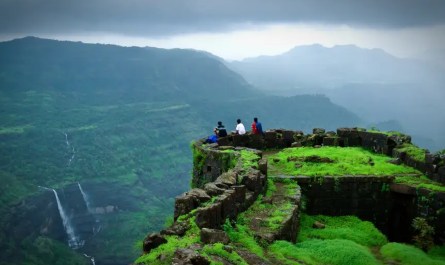
Monsoon (June to September) is when Mulshi earns its reputation. The lake is full. Tamhini Ghat erupts with waterfalls. Every farmhouse has that postcard view. But prices jump 30% to 50% on weekends, and many dirt roads to hidden spots become undrivable.
Post-monsoon (October to November) is the sweet spot. Water levels are still high from the rains. Weather’s perfect. Crowds thin out after Diwali. Rates drop back but the scenery hasn’t dried up yet. This is when we prefer going.
Winter (December to February) is pleasant but slightly pricier again due to long weekends and holiday bookings. Rates stay 20% above base but lower than peak monsoon.
So the couple road trip expenses don’t drop dramatically off-season unless you’re okay trading the experience for the discount. If the goal is budget over beauty, go in March. If you want the full Mulshi effect without peak pricing, go in November.
Myth 3: You Need to Book Expensive Stays for a Good Mulshi Experience
Instagram makes it look like you must stay at those glass-walled villas with infinity pools. You don’t.
Some of our best Mulshi weekends were at simple homestays run by local families. The couple who run the place near Varasgaon Dam charged us ₹2,000 per night, cooked insane chicken curry for ₹200, and told us about a hidden waterfall no property website mentions. The “luxury” farmhouse we tried later had better furniture and worse food.
What actually matters for couples:
- A decent bed (not lumpy, not damp)
- A clean attached bathroom with hot water
- A view (even if it’s not floor-to-ceiling glass)
- Quiet surroundings (away from the main road)
You can get all four for ₹2,500 a night if you book directly with homestays instead of aggregator sites. The markup on OTAs is ₹500 to ₹800 per night. Call the property, ask if they do direct bookings. Most do.
Here’s what’s not worth paying extra for unless you specifically want it:
- Swimming pools (the lake is right there)
- In-room breakfast (you’re on holiday, walk to the dining area)
- “Premium” packages with guided tours (you can explore on your own with Google Maps)
- Cottages with kitchenettes vs shared kitchen access (shared works fine and saves ₹600 per night)
One thing worth splurging on: mattress quality. If the pictures show thin mattresses on wooden cots, ask about it before booking. A bad bed ruins every other part of the trip. We learned this the painful way at a “budget eco-stay” where the bed was basically plywood with a sheet.
The Mulshi travel guide price assumptions online skew high because they assume you’re booking through apps and choosing mid-tier or premium. If you research, call ahead, and pick a good basic stay, you’ll spend half what the blogs say.
Myth 4: Food Costs Spiral Because Mulshi Has Limited Options
True that Mulshi isn’t a restaurant town. But couples who plan a little won’t overspend.
Most homestays include breakfast. Confirm this when booking. If it’s included, that’s one meal sorted at no extra cost. Some properties offer dinner too (₹300 to ₹500 per person), which is almost always better value than eating out because there’s nowhere nearby to eat.
For lunch, you have three realistic options:
- Pack a cooler with sandwiches, fruit, chips. Costs ₹300 for two, lets you picnic by the dam.
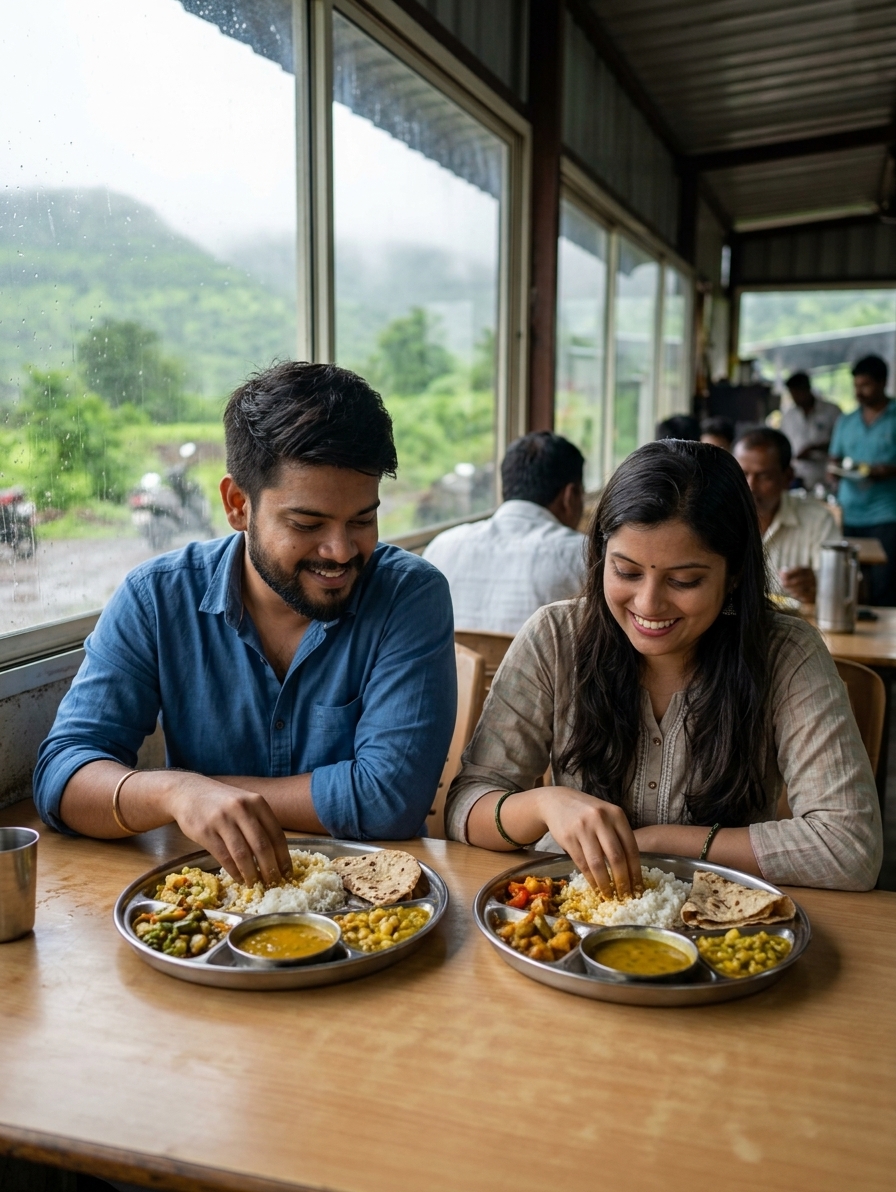
- Stop at a dhaba on the Panshet or Pirangut road. Unlimited thali for ₹120 per person. Filling, cheap, tasty.
- Hit one of the handful of cafes near Mulshi (there’s a decent one past the dam towards Lavasa side). Expect ₹600 for two for Maggi, pakoras, chai.
We usually do option two for lunch, option one for evening snacks. Total food cost beyond what the homestay provides: ₹1,000 for three days.
Where couples blow the budget is unplanned stops. You’re driving, it’s drizzling, someone spots a “farmhouse cafe” with fairy lights. You stop. Two coffees, a plate of fries, maybe a brownie. Bill comes to ₹850. Happens twice, that’s ₹1,700 you didn’t plan for.
Not saying don’t do it. Just account for it. If you want those spontaneous cafe moments, add ₹2,000 to your food budget. If you’d rather save, stick to the plan.
One hack we use: carry a small electric kettle and instant coffee sachets. Most homestays have a plug point. Morning tea on the balcony without waiting for the host’s breakfast timing. Costs ₹150 in supplies, saves ₹400 over three days.
Also, carry your own drinking water. Packaged water at roadside shops near Mulshi is ₹40 for a litre bottle (city price is ₹20). Over three days, that’s ₹200+ wasted. Fill a 5-litre can before leaving Pune.
Myth 5: Renting a Car Costs Less Than Taking Your Own Vehicle
Rental sounds smart until you do the math.
A sedan rental for three days (Friday evening pickup, Monday morning drop) from Pune costs ₹4,500 to ₹6,000 depending on the service. That includes 300 km. You’ll stay within that. But add fuel (₹1,250), and you’re at ₹5,750 minimum.
If you own a car:
- Fuel: ₹1,250
- Wear and tear (negligible for 150 km)
- Parking: ₹0 (free at most Mulshi spots)
You spend ₹1,250 vs ₹5,750. That’s ₹4,500 saved, which covers your entire accommodation if you pick a budget stay.
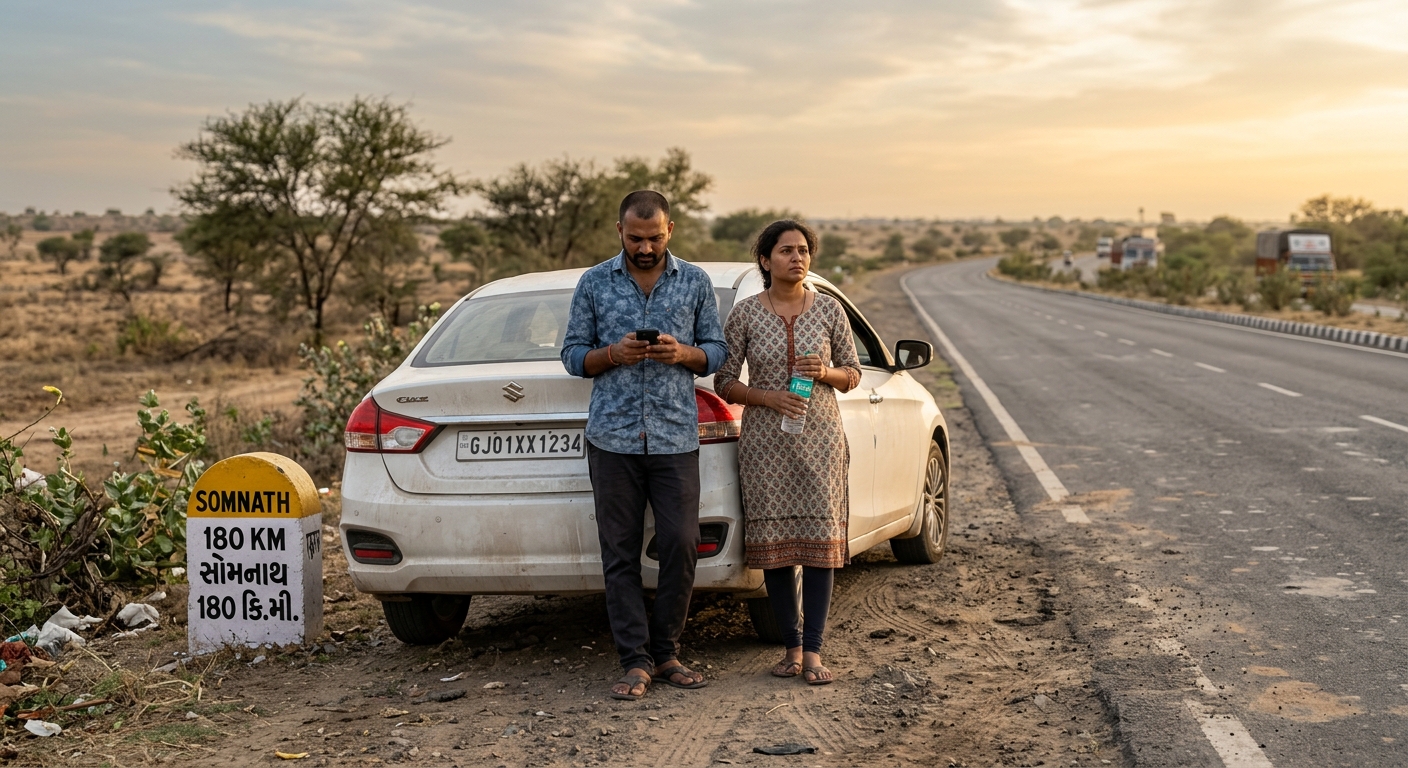
“But what if the car breaks down?” Fair question. Mulshi’s 35 km from Pune. If your car is remotely reliable and serviced recently, the risk is near zero. We’ve done this route 12 times. Zero breakdowns.
Renting makes sense only if you don’t own a car or yours has issues. Otherwise, it’s burning money.
Bike rentals are cheaper (₹1,200 for three days) but impractical if it rains, which it does often even in off-season. We tried it once in October. Got caught in a sudden shower near Tamhini. Reached the homestay drenched and miserable. Not worth the ₹3,000 saved.
What the 3-Day Mulshi Itinerary Cost Actually Looks Like (Real Breakdown)
Let’s lay out two real scenarios — budget-conscious and comfortable.
Budget couple road trip (₹9,200 total):
- Fuel: ₹1,250
- Homestay (₹2,200/night x 2): ₹4,400
- Food (breakfast included, packed lunches, dhaba dinners): ₹1,800
- Activities (kayaking, Koraigad trek): ₹1,200
- Miscellaneous (chai, water, snacks): ₹550
Comfortable trip (₹13,500 total):
- Fuel: ₹1,250
- Lakeside cottage (₹3,500/night x 2): ₹7,000
- Food (all meals at property or cafes): ₹3,500
- Activities (kayaking, nature walk, bonfire): ₹1,500
- Miscellaneous: ₹750
Notice the gap isn’t crazy. You’re talking ₹4,300 difference for significantly better accommodation and zero meal prep stress.
Where NOT to cut costs:
- Safety (bald tyres, skipping vehicle check)
- Accommodation quality (bad bed, no hot water in monsoon)
- Emergency fund (₹1,000 cash for unexpected stuff)
Where you CAN cut without losing much:
- Fancy packed snacks (buy locally)
- Bottled water (carry from home)
- Guided tours (self-explore)
- Souvenirs (there’s nothing unique to buy in Mulshi anyway)
Couple Road Trip Expenses Beyond the Obvious: What We Forgot to Budget
First trip, we forgot to account for:
Chai and snack stops. We’re Indian. We stop for chai. Three days, six chai breaks, ₹40 each. That’s ₹240 we didn’t plan for. Add bhajiyas twice (₹100 each). Suddenly ₹440 unaccounted.
Phone recharges and hotspot data. Mulshi’s network is patchy. We rely on hotspot for Maps. Burns through data. If your plan is limited, you’ll buy a top-up. ₹100 to ₹200.
Return route snacks. You’re driving back Sunday evening, someone’s hungry, you stop at a bakery near Chandani Chowk. That’s ₹300 for random munchies.
Umbrella or raincoat bought on the road because yours tore. ₹150.
These aren’t big, but they add up to ₹800 if you don’t pad your budget.
Also, tip your homestay host or cook if the service was great. ₹200 is fair. It’s not mandatory but appreciated, especially at smaller family-run places.
Hidden Costs That Show Up Only in Monsoon
Monsoon Mulshi is magical. Also slightly more expensive.
Raincoats (if you don’t have good ones): ₹400 for two.
Shoe covers or extra footwear (because your sneakers are soaked): ₹300.
Umbrella (the wind will destroy a cheap one): ₹250 for a sturdy version.
Waterproof bag for electronics: ₹200 if you don’t own one.
That’s ₹1,150 in monsoon-specific gear. Reusable, but still an upfront cost.
Also, some roads become impassable. You might need to hire a local guide with a 4×4 to reach a particular waterfall spot. That’s ₹800 to ₹1,200 depending on distance. We did this once to reach a stream near Donaje. Worth it, but unplanned expense.
How We Actually Spend on a Typical Mulshi Weekend (Ketan and Samprita’s Real Numbers)
We did this trip in November 2025. Here’s the actual breakdown.
Car fuel (Pune to Mulshi to Tamhini to Lavasa to Pune): ₹1,320.
Stay (two nights at a homestay near Varasgaon, booked direct, ₹2,400/night): ₹4,800.
Food (breakfasts included, one lunch at dhaba ₹240, one packed lunch ₹180, two dinners at homestay ₹900, snacks and chai ₹400): ₹1,720.
Activities (kayaking ₹1,000, Koraigad trek parking ₹100): ₹1,100.
Miscellaneous (bought local honey ₹250, emergency poncho ₹120, tips ₹200): ₹570.
Grand total: ₹9,510.
Comfortable, no compromises, well-fed, great stay, didn’t feel like we were budgeting hard. That’s our sweet spot.
If we’d booked a ₹5,000/night property and eaten all meals out, same trip would’ve hit ₹15,000. The experience wouldn’t have been twice as good.
Frequently Asked Questions
Is Mulshi expensive for a couple’s weekend trip in 2026?
Not if you plan smart. A comfortable three-day Mulshi road trip costs ₹9,000 to ₹13,000 for couples, covering stay, food, fuel, and activities. Budget-conscious couples can do it for under ₹10,000 without sacrificing the experience. Luxury stays and frequent dining out push costs to ₹18,000, but that’s optional, not necessary.
What’s included in a typical Mulshi trip budget for couples?
Fuel (₹1,250 for a round trip from Pune), two nights’ accommodation (₹4,400 to ₹7,000), meals (₹1,800 to ₹3,500 depending on whether you eat out or at your stay), activities like kayaking or trekking (₹1,200 to ₹1,500), and miscellaneous expenses like snacks and tips (₹500 to ₹750). Total couples’ budget ranges from ₹9,000 to ₹14,000.
Can you do a Mulshi road trip under ₹10,000 as a couple in 2026?
Yes, easily. Book a basic homestay at ₹2,200 per night, take included breakfasts, pack lunches, eat dinner at local dhabas, skip paid activities except one (like kayaking), and carry your own water and snacks. You’ll land around ₹9,200 total and still have a great time. We’ve done it multiple times without feeling like we missed out.
When is the cheapest time to visit Mulshi for couples?
March to May offers the lowest accommodation rates (20% to 30% cheaper), but the lake is often half-dry and waterfalls are minimal. November is the real sweet spot — post-monsoon scenery is still lush, weather is perfect, and rates drop back to off-peak levels after Diwali. You get the full Mulshi experience without paying monsoon premiums.
Plan Your Mulshi Escape Without the Budget Guesswork
A three-day Mulshi road trip doesn’t have to cost a fortune or feel like camping on a shoestring. With the right mix of smart bookings, planned meals, and one or two indulgences where they matter, couples can have an unforgettable weekend for ₹9,000 to ₹13,000.
Musafir Couple has done this route more times than we can count — in monsoon, winter, off-season, budget mode, and splurge mode. We’ve stayed at ₹1,800 homestays and ₹8,000 villas, eaten at roadside dhabas and overpriced cafes, kayaked in the rain and trekked in the heat. Every trip taught us something about where money matters and where it doesn’t.
If you’re planning your own Mulshi escape and want the real story — honest reviews, hidden spots, actual costs with no fluff — follow Musafir Couple on YouTube and Instagram. We share every detail, from fuel receipts to homestay WhatsApp numbers, because that’s the kind of information we wish we’d had on our first trip. No filters, no sponsorships distorting our recommendations, just two people who love this route and want you to experience it without the usual travel content nonsense.
Ping us if you’re confused about where to stay or what to skip. We reply to every message because we remember being that couple staring at ten browser tabs trying to figure out if ₹12,000 was reasonable or ridiculous. Turns out, for Mulshi, it’s very reasonable — if you know where it’s going.
Musafir Couple
Pune, Maharashtra
YouTube | Instagram | Contact