
 by
by Complete Guide to Budget Travel in India for Couples
Budget travel in India for couples isn’t about cutting corners—it’s about spending smart on what matters and skipping what doesn’t. After watching hundreds of couples overspend on things that added zero value to their trip while missing experiences that cost almost nothing, we learned this the hard way. Your ₹30,000 weekend can feel emptier than someone else’s ₹8,000 adventure if you don’t know where your money actually goes.
Most travel guides tell you to “travel cheap.” That’s useless advice. What you need is a system that lets you experience more while spending less—not because you’re cutting experiences, but because you’re cutting waste. The difference between budget travel and cheap travel? One feels rich. The other just feels restricted.
Why Most Couples Overspend (And How We Fixed That)
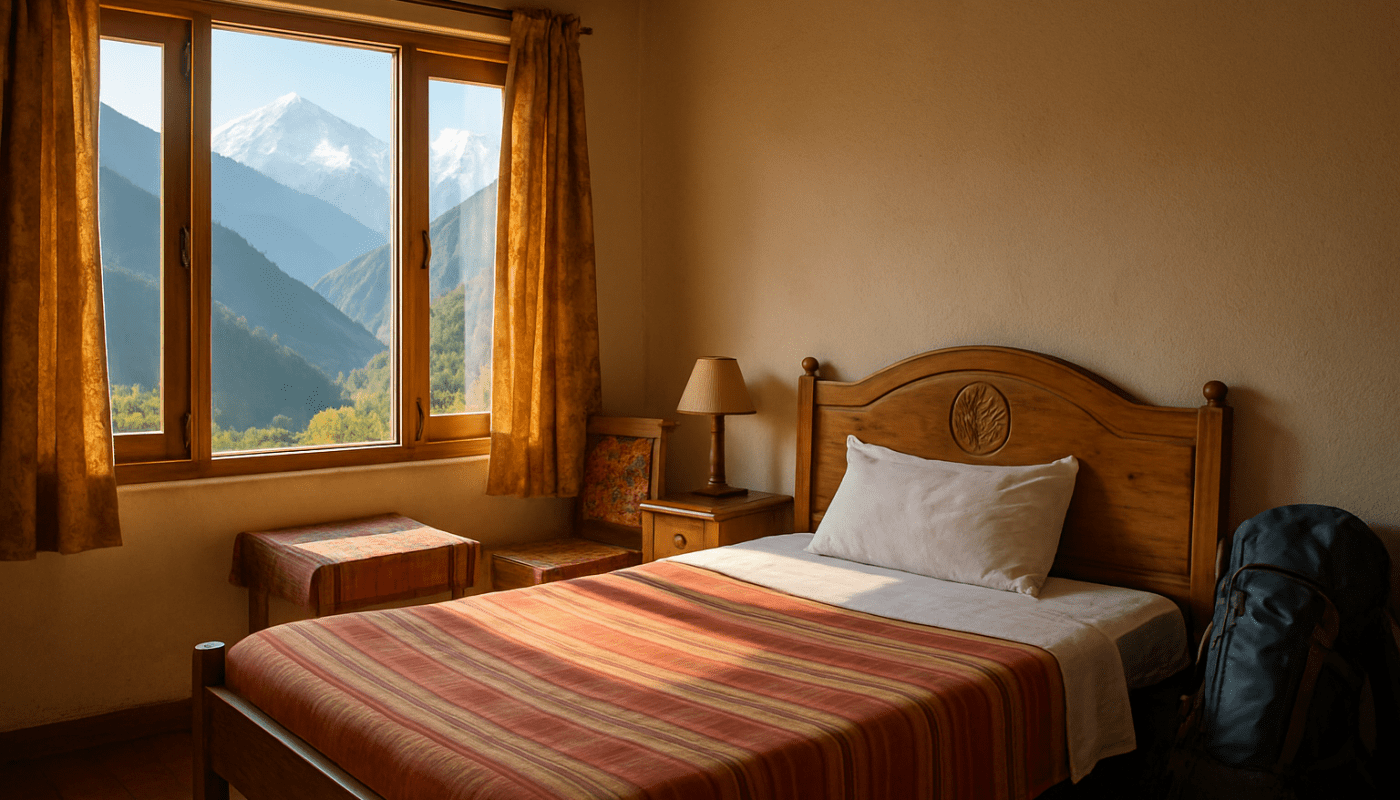
Here’s what nobody tells you: couples waste money on comfort they don’t need and skip investments that actually matter. We’ve done it. Paid ₹4,500 for a “romantic” resort room that looked nothing like the photos, then discovered a homestay 2 km away for ₹1,800 with better views and home-cooked food included.
The biggest budget killer? Assuming expensive equals better. It doesn’t. Not in India. Some of our best stays cost under ₹1,200 per night. Some of our worst cost ₹6,000.
Second mistake—booking everything in advance out of fear. That premium you pay for “peace of mind”? Often unnecessary. We’ve saved 40-60% by booking accommodations one day ahead during off-peak travel. Yes, it requires some flexibility. No, it’s not reckless if you know which destinations have plenty of options.
Third issue—transportation. Couples either blow their budget on cabs everywhere or torture themselves on the cheapest bus available. Neither is smart. Budget travel means knowing when to spend ₹800 on a private cab because it saves four hours, and when to take the ₹120 state transport because the route is scenic anyway.
Real Budget Breakdown: What Actually Costs What
Let’s get specific. Numbers matter more than advice.
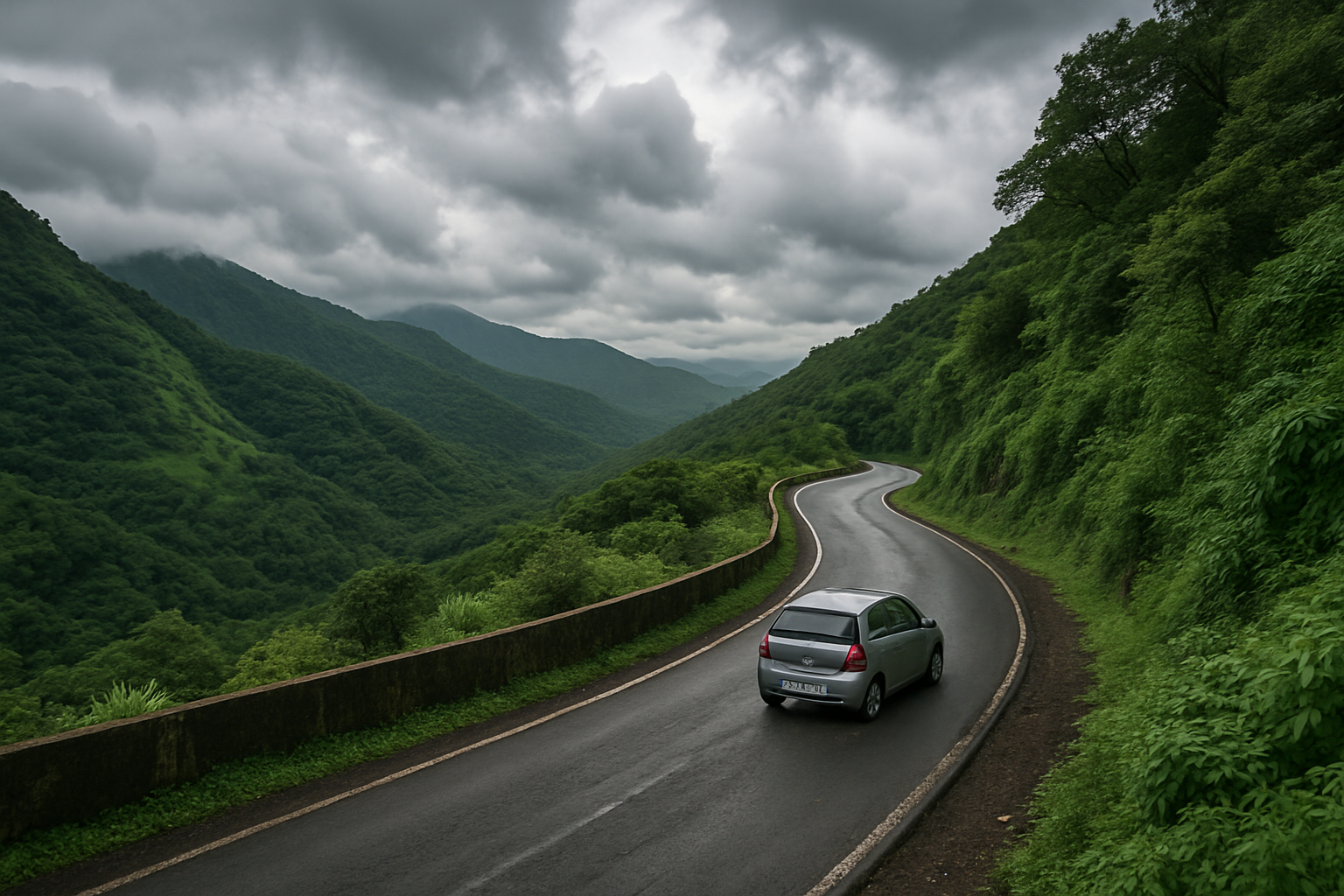
A weekend trip for two from Pune to a destination within 300 km—Mahabaleshwar, Lonavala, Mulshi, Alibaug—should cost between ₹6,000 and ₹12,000 total. That includes fuel, tolls, two nights’ stay, all meals, entry fees, and buffer money. If you’re crossing ₹15,000, you’re either going luxury (totally fine) or wasting money (not fine).
Fuel for 600 km round trip in a mid-sized car: ₹3,200-₹3,800 depending on your vehicle. Tolls both ways: ₹400-₹800 depending on route. Parking at destinations: ₹50-₹100 per spot. These are fixed costs you can’t negotiate much.
Accommodation is where you control everything. A decent homestay or budget property runs ₹1,500-₹2,500 per night for couples. A mid-range hotel or resort: ₹3,500-₹5,500. Luxury: ₹8,000+. We typically aim for the ₹1,800-₹2,200 range and rarely feel like we compromised.
Food for two people per day: ₹800-₹1,200 if you mix local eateries with one nice meal. Street food and small restaurants for breakfast and lunch, a proper dinner spot in the evening. If you’re eating every meal at hotel restaurants or tourist traps, add another ₹600-₹800 daily.
Entry fees and activities: budget ₹500-₹1,000 per day depending on what you do. Forts and caves are often ₹20-₹50 per person. Waterfalls and viewpoints are free. Adventure activities like paragliding or water sports start at ₹500 per person and go up.
Destinations Where Your Money Goes Further
Not all destinations cost the same. Some places are budget-friendly by nature. Others punish your wallet.
Coastal Karnataka and Goa’s hidden beaches—places like Gokarna, Kumta, Murudeshwar—offer better value than North Goa. Accommodation costs 30-40% less, food is cheaper, and you avoid tourist pricing on everything from parking to coconut water. We’ve stayed in beach shacks for ₹1,200 that had better sunset views than ₹5,000 Candolim hotels.
Hill stations near Pune—Mulshi, Wai, Panchgani’s offbeat areas—beat Mahabaleshwar and Lonavala for budget travel. Same Western Ghats beauty, half the crowd, and pricing that actually makes sense. A lakeview cottage in Mulshi costs what a basic room in Lonavala main market charges.
Spiritual destinations like Somnath, Dwarka, Ujjain, and temple towns across India are incredibly budget-friendly. Dharamshalas offer clean rooms for ₹300-₹800, local food is cheap and good, and the entire ecosystem isn’t built around squeezing tourists. We spent three days in Somnath for under ₹7,000 including a 900 km road trip from Pune.
Rajasthan’s smaller towns—Bundi, Chittorgarh, Kumbhalgarh—give you the heritage experience without Udaipur or Jaisalmer pricing. Same architecture, same history, fraction of the cost.
Avoid: Peak season in Manali, Shimla, or any destination that’s trending on Instagram that month. Prices double. Roads clog. Everything feels overpriced because it is.
Where to Save Without Feeling Like You’re Saving
This is the real skill. Cutting costs invisibly.
Accommodation timing: Book Sunday to Thursday when possible. Weekend rates at the same property often cost 50% more. A place charging ₹3,200 Friday-Saturday drops to ₹1,800 Tuesday-Wednesday. Same room. Same view. Different price.
Food strategy: Breakfast at your stay if included, lunch at local spots where you see families eating, dinner at one nicer place if you want. Skip hotel restaurants for every meal—that’s where budgets die. The best food we’ve had cost under ₹400 for both of us. The worst cost ₹1,800.
Transportation: If you’re doing a longer trip—7+ days, 1,500+ km—car rental beats using your own vehicle. Factor in fuel, maintenance, wear on your car, and insurance. Sometimes a ₹15,000 rental for 10 days makes more financial sense than putting 3,000 km on your car. Plus you can take a bigger vehicle for the same cost as your car’s running expense.
Activity selection: Free experiences are often better than paid ones. Sunset at Salaulim Dam costs nothing and beats most ticketed viewpoints. Walking through old city areas, finding local markets, talking to people—these cost zero and create memories. Save your activity budget for one or two things you genuinely want to do, not everything the hotel promotes.
Off-season magic: Travel during monsoon or extreme summer when others don’t. Prices drop 40-60%, availability is instant, and some destinations—like Western Ghats in monsoon—are actually better during “off” season. We’ve gotten ₹5,000 properties for ₹1,800 just by showing up in July instead of October.
The Booking Strategy That Saves ₹3,000+ Per Trip
Most couples book wrong. Here’s what works.
For accommodations, use multiple platforms—never just one. Check Google Maps for properties, then search their name on MakeMyTrip, Goibibo, Booking.com, and direct contact. Same property can have different prices across platforms. We’ve found price differences of ₹600-₹1,200 for identical bookings. The platform with the best deal changes constantly, so check all of them.
Call properties directly after finding them online. Ask if they offer a lower rate for direct booking without platform commission. About 40% of the time, they do. Savings range from ₹200-₹800 per night depending on property type. Small homestays and family-run places are most likely to negotiate.
Use platform discounts smartly. Most booking apps have ongoing sales, bank offers, or wallet cashback. A ₹2,000 booking with 25% cashback effectively costs ₹1,500. Stack a credit card offer on top and it drops further. We’ve cut accommodation costs by 30-35% just by paying attention to which offers are live.
Group expenses carefully. If you’re traveling with another couple, shared accommodations can save everyone money—but only if you pick the right properties. A 3-BHK cottage that costs ₹4,500 split between two couples (₹2,250 each) often provides better space and amenities than two separate ₹1,800 rooms.
Timing is everything: Prices fluctuate by day, sometimes by hour. We’ve seen the same room cost ₹2,400 on Tuesday and ₹1,600 on Wednesday for the exact same dates. Check prices over several days before booking. Set alerts if the platform allows it.
Don’t book refundable unless necessary. Non-refundable rates are typically 15-25% cheaper. If you’re certain about your dates, take the non-refundable rate and pocket the difference. That’s an easy ₹500-₹800 saved per booking.
Budget Travel Mistakes We Made (So You Don’t Have To)
Year one of serious travel, we messed up repeatedly. Cost us thousands in wasted money and dozens of frustrating moments.
Mistake one: Choosing the cheapest option without reading reviews carefully. A ₹900 per night place in Lonavala sounded amazing until we arrived to find it was next to a highway, had no hot water, and the “valley view” was a construction site. Sometimes ₹600 more per night is worth it. Sometimes it isn’t. Read the negative reviews first—they tell you what actually matters.
Mistake two: Not carrying enough cash. Many budget accommodations, local restaurants, and toll booths don’t accept cards reliably. We’ve scrambled to find ATMs multiple times. Now we carry at least ₹5,000 cash per trip—half in ₹500 notes, half in ₹100 and ₹50 notes for small expenses.
Mistake three: Overpacking “just in case” items and underpacking essentials. You don’t need six outfit changes for a two-day trip. You do need a phone charger, basic medicines, a torch, and a reusable water bottle. Budget travel means being self-sufficient enough that you don’t have to buy forgotten items at tourist prices.
Mistake four: Skipping trip insurance for budget trips. ₹400-₹600 for basic travel insurance isn’t waste—it’s protection against the ₹15,000 loss if your car breaks down 500 km from home, or the ₹8,000 hospital visit after bad food. We didn’t buy it. Then we needed it. Now we always do.
Mistake five: Following the same itinerary as everyone else. Budget travel works better when you zig while others zag. Everyone goes to the main Lonavala points. You go to Bedse Caves and Rajmachi. Crowd is smaller, experience is better, and costs are lower because you’re not in the tourist pricing zone.
Making Budget Travel Feel Luxury
Here’s the truth: some ₹2,000 nights feel better than ₹6,000 nights. Difference isn’t always money—it’s choices.
Pick properties with character over properties with star ratings. A heritage homestay in an old Wada, a farmstay with home-cooked meals, a hilltop cottage with genuine views—these create experiences that big hotels can’t match regardless of price. We’ve stayed in a 150-year-old house converted to a homestay for ₹1,600 per night. The stories, the architecture, the food—it felt luxury despite the price.
Prioritize experiences over accommodations. If you’re out exploring all day, your room is just a place to sleep. Spend on a river rafting experience or a sunset boat ride instead of upgrading from a decent room to a premium room. The premium room gives you two extra pillows. The experience gives you memories.
Invest in one special meal per trip. Budget doesn’t mean eating poorly. It means eating smart most of the time and splurging intentionally once. Find that local specialty restaurant, order what they’re famous for, enjoy it fully. That ₹1,400 meal becomes a highlight. Seven mediocre ₹200 meals just fill your stomach.
Slow down. Budget travel works better with more time and less rushing. Three days exploring one area deeply costs less and feels richer than one day each in three areas. You save on fuel, reduce stress, find hidden spots, and connect with places instead of just checking them off.
Create small luxuries. We carry good coffee, a portable speaker for evening music, a deck of cards, and comfortable pillows from home. These cost nothing per trip but elevate the experience. Budget accommodation with your own comfort items beats sterile expensive hotels.
Frequently Asked Questions
How much should couples budget for a week-long trip in India?
For seven days covering 800-1,200 km across multiple destinations, budget ₹18,000-₹28,000 for two people traveling mid-range budget style. This includes fuel or transportation (₹5,000-₹7,000), accommodation (₹10,500-₹14,000 for six nights), food (₹5,600-₹8,400), and activities (₹2,000-₹3,500). North India costs 15-20% more than South India generally. Rajasthan and Himachal are pricier than Karnataka or Maharashtra. Actual costs depend heavily on season, destination popularity, and how much you eat out versus local spots.
What are the cheapest months for couple travel in India?
July through September (monsoon) and April through May (summer) offer the lowest prices—accommodations drop 40-60% compared to peak season. Monsoon is actually beautiful in Western Ghats, Northeast India, and Kerala if you don’t mind rain. Avoid these months only for Himalayas and Rajasthan desert areas. January-February and October-November are peak season everywhere with maximum pricing. March and June are shoulder months with moderate pricing and decent weather in most regions.
Is it better to book hotels in advance or find them on arrival?
Depends entirely on destination type and season. For popular weekend spots near metros during peak season—book 7-10 days ahead or pay premium prices or find nothing. For smaller towns, spiritual destinations, and off-season travel—booking 1-2 days ahead saves money. Properties drop prices when they see empty rooms coming. We’ve negotiated 35-40% discounts by calling properties the day before arrival during low occupancy periods. But this strategy requires flexibility and backup options.
How can couples save money on food while traveling?
Eat breakfast at your stay if included—that’s ₹300-₹400 saved daily. Have lunch at dhabas or local restaurants where you see truck drivers or families—food quality is usually great and prices are real, not tourist-inflated. Budget ₹150-₹250 for lunch for two people. For dinner, choose one nice meal every 2-3 days and cook or eat simple other nights if your stay has kitchen access. Carry snacks, coffee/tea bags, and a water bottle to avoid paying ₹50-₹100 for items that cost ₹10 at local shops. Street food is cheap and often excellent—just choose busy stalls with visible hygiene.
What are the most budget-friendly romantic destinations for couples in India?
Coorg and Chikmagalur in Karnataka offer great value with coffee estates, waterfalls, and hill station charm for 40% less than Munnar or Ooty. Gokarna beats Goa for beach romance on budget. Pondicherry provides French colonial charm and beach access affordably. Udaipur’s surrounding areas like Kumbhalgarh and Ranakpur give you Rajasthan heritage without Udaipur pricing. For spiritual romance, Rishikesh, Pushkar, and Hampi combine beautiful settings with budget-friendly infrastructure. McLeod Ganj offers Himalayan views at half the cost of Manali. Focus on destinations where tourism isn’t the only economy—prices stay reasonable.
Start Your Budget Travel Journey the Right Way
Budget travel in India for couples isn’t about sacrifice. It’s about clarity. Knowing exactly where your money goes, what actually adds value, and what just looks good in advertisements.
Every trip we’ve taken, we’ve tracked costs down to parking fees and chai stops. Not because we’re obsessed with money, but because understanding your spending patterns is the only way to optimize them. The couples who travel most aren’t always the ones who earn most—they’re the ones who spend smartest.
If you’re planning your next couple getaway and want honest insights about destinations, real costs, and whether something is actually worth it, Musafir Couple shares every detail from our travels. We’ve made the expensive mistakes so you don’t have to. We’ve found the hidden gems that cost almost nothing. And we’ve learned that budget travel India isn’t a compromise—it’s often the better choice.
Start with one weekend trip. Track everything you spend. Compare it to the value you received. Adjust for the next trip. Within three getaways, you’ll have your own system that works for your travel style and budget. That’s when travel stops being an occasional luxury and becomes a regular part of your life together.
Contact Musafir Couple for destination-specific advice, honest reviews, and real budget breakdowns that actually help you plan better. Because the best travel advice comes from people who are figuring it out alongside you, not selling you packages they’ve never experienced themselves.
