


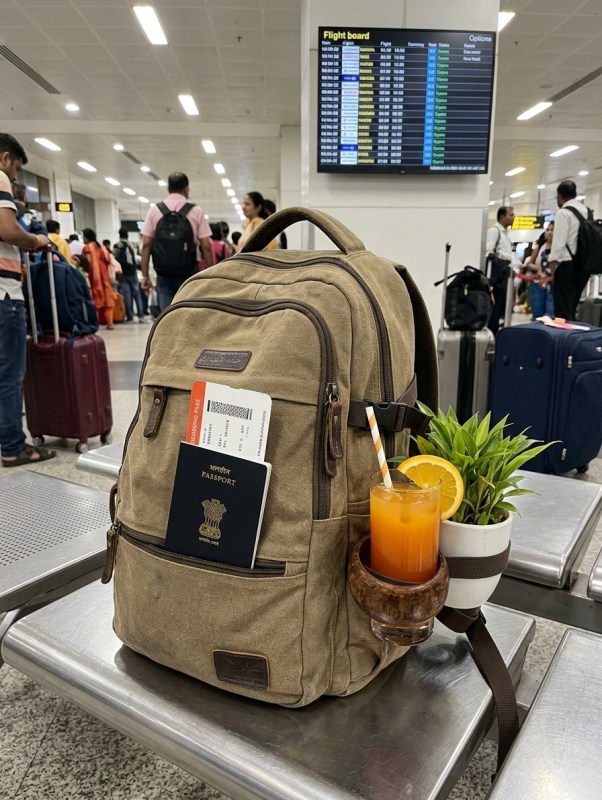
 by
by You don’t need another generic listicle. You need to know which best travel backpacks actually survive six months of airport abuse, monsoon rain in Kerala, and that budget airline that pretends your bag doesn’t fit overhead when it clearly does.
We’ve tested packs across India and beyond. Some lasted three trips before zippers gave up. Others looked professional but destroyed our shoulders. The expensive ones weren’t always better—that’s the part nobody tells you upfront.
Here’s what actually works in 2026.
Why Most Travel Backpack Reviews Miss the Point
Most reviews test bags for two weeks maximum. That’s useless.
A backpack shows its real character after repetitive packing, after being shoved under bus seats on the Pune-Goa route, after security checks rip through every pocket searching for that power bank you forgot about. The fabric doesn’t fail on day one. It fails on day ninety when you’re in Lonavala and realize the rain cover dissolved three trips ago.
We learned this the expensive way. Bought a highly-rated 40L pack in 2024 that every blog recommended. Month four, the hip belt padding compressed to nothing. By month six, back pain made us buy another bag mid-trip. That’s ₹8,500 wasted because nobody mentioned long-term comfort degradation.
Here’s what matters: carry comfort beyond the first month, actual waterproofing not just water resistance, zippers that don’t catch, and whether it genuinely fits airline size limits without gate staff giving you grief.
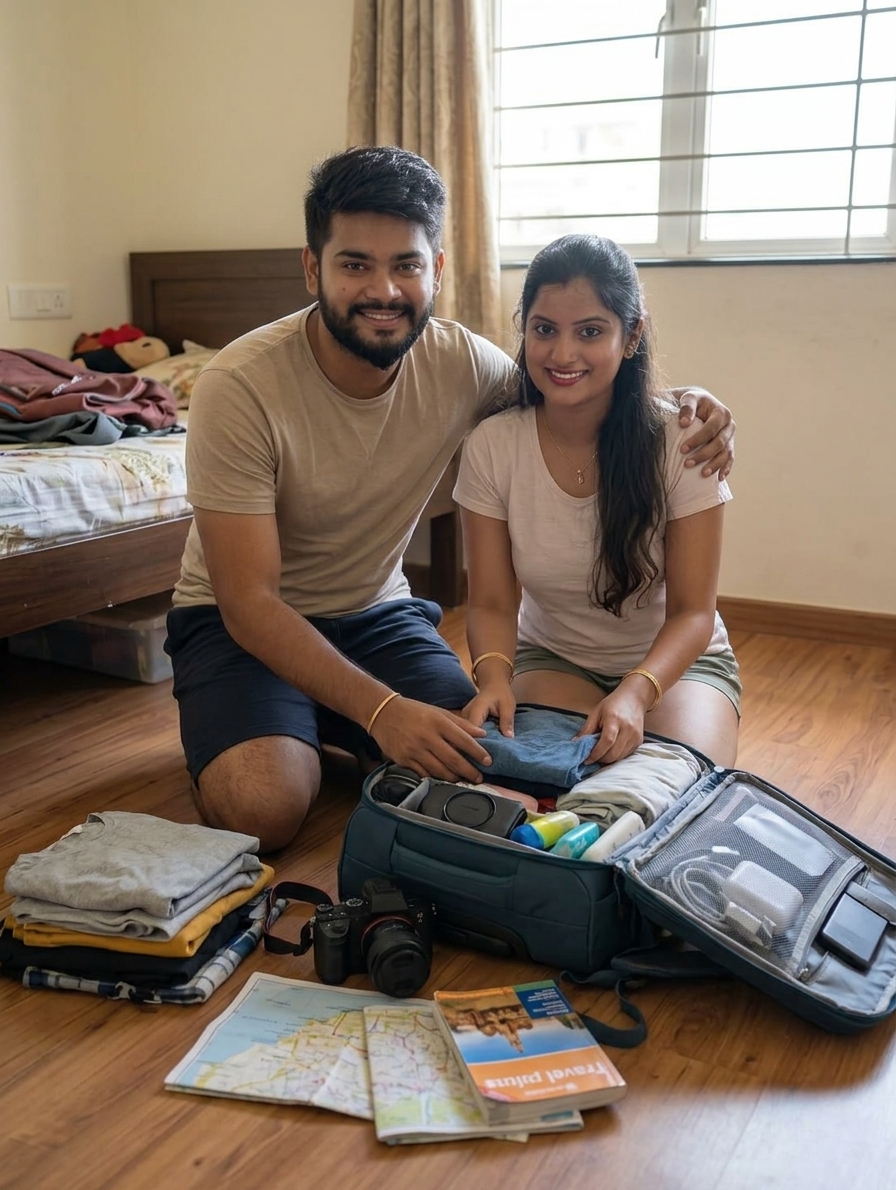
What Makes the Best Travel Backpacks Actually Worth Buying
Three factors separate tourist-trap bags from genuine best travel backpacks that earn their price.
First—suspension systems that don’t lie. Many packs feel comfortable empty in the store. Load them with 12kg of camera gear, clothes, and travel essentials, then walk through Mumbai’s CST station during rush hour. Your shoulders will tell you the truth within twenty minutes. Real padding, proper weight distribution across hips, and adjustable torso lengths matter more than any feature list.
Second—organization that matches how you actually pack. Those Instagram-perfect packing cubes look great until you need your charger at 11 PM in a dark homestay room. Front-loading access beats top-loading every time. Laptop compartments that fit 15.6-inch screens, not just 13-inch MacBooks. Water bottle pockets that don’t require unpacking everything to reach.
Third—durability you can verify. Check the denier rating of fabric—anything below 400D won’t survive baggage handlers. YKK zippers aren’t fancy, they’re mandatory. Bartack stitching at stress points. These aren’t optional features, they’re survival requirements.
A backpack from Musafir Couple’s actual travel—we killed two bags before finding ones that lasted. The Cotopaxi Allpa 35L survived Kanyakumari heat, Kashmir cold, and that Maldives trip where it got soaked despite promises of waterproofing. Still going strong after nineteen months.
Top 10 Best Travel Backpacks for 2026 Ranked By Real Use
Not all backpacks deserve your money. These do.
Tortuga Travel Backpack Pro (40L) — ₹21,000
This isn’t pretty, but it works. The suspension system actually distributes weight properly, something we noticed during a fourteen-hour travel day from Pune to Dal Lake. ECOPAK sailcloth material survived monsoon in Goa without leaking once. Laptop compartment fits gear securely. Only complaint: looks corporate, not adventurous. But function over aesthetics wins here.
Cotopaxi Allpa 35L Del Dia Travel Pack — ₹18,500
Best overall for couple travel where one person carries camera gear. The carry-on size never got questioned, even on IndiGo’s strictest routes. Hip belt pockets actually fit a phone and passport without bulging. We’ve beaten this bag senseless—still no tears, no broken zippers. The Del Dia version means each bag has unique colors, which helped spot ours on hostel floors in Ahmedabad.
Peak Design Travel Backpack 45L — ₹28,000
Expensive. Very expensive. But the expandable design and customizable interior saved us multiple times when bringing back local purchases from spiritual journeys. Collapses to 35L for flights, expands when you need space. Photography gear organization is unmatched. Worth the price if you shoot content seriously—overkill if you just need a bag.
Osprey Nebula (32L) — ₹9,200
Best budget entry for weekend travelers. Not technically a travel backpack, but works perfectly for Lonavala-Mahabaleshwar trips. Comfortable enough for day-long wear, has proper organization, fits under every budget airline seat we tested. Only downside: not ideal for international travel beyond a week.
Minaal Carry-On 3.0 (35L) — ₹24,500
Minimalist design that either feels perfect or too structured depending on your packing style. We loved it for urban travel—clean look works in nice hotels and restaurants. Hated it when camping near Bedse Caves because accessing packed items required full unzip. Know what you’re buying here.
Nomatic Travel Pack (40L) — ₹19,800
Feature overload. Twenty-two pockets sounds great until you forget where you packed things. However, the RFID-safe pocket actually works, laptop protection is excellent, and water bottle holder design is genius. Better for organized packers, nightmare for spontaneous ones.
Cabin Zero Classic 44L — ₹6,800
Budget champion that punches above its weight. Ultra-lightweight at 760g empty. Survived our Somnath Temple to Girnar journey despite being half the price of premium options. Compromise: minimal padding and no hip belt, so not ideal for heavy loads or long carries. Perfect for light packers on tight budgets.
Aer Travel Pack 3 — ₹22,000
Tech-focused design ideal for working travelers. We used this during a month-long work-travel experiment across Karnataka. Quick-access front pocket became essential for border checkpoints and hotel check-ins. Expensive, yes, but the organization system saved enough time to justify cost.
Patagonia Black Hole 32L — ₹15,500
Weather resistance nobody talks about but everyone needs. Survived that unexpected Mulshi Lake storm that destroyed two other travelers’ bags. Not the most feature-rich, but bombproof construction and environmental responsibility matter. Hip belt optional based on preference.
REI Co-op Ruckpack 40 — ₹14,200
Solid middle-ground option without flashy marketing. Comfortable carry, reasonable price, good organization. Nothing exciting to report, which is actually the point. It just works without drama. Best for travelers who want reliable gear without researching every detail.
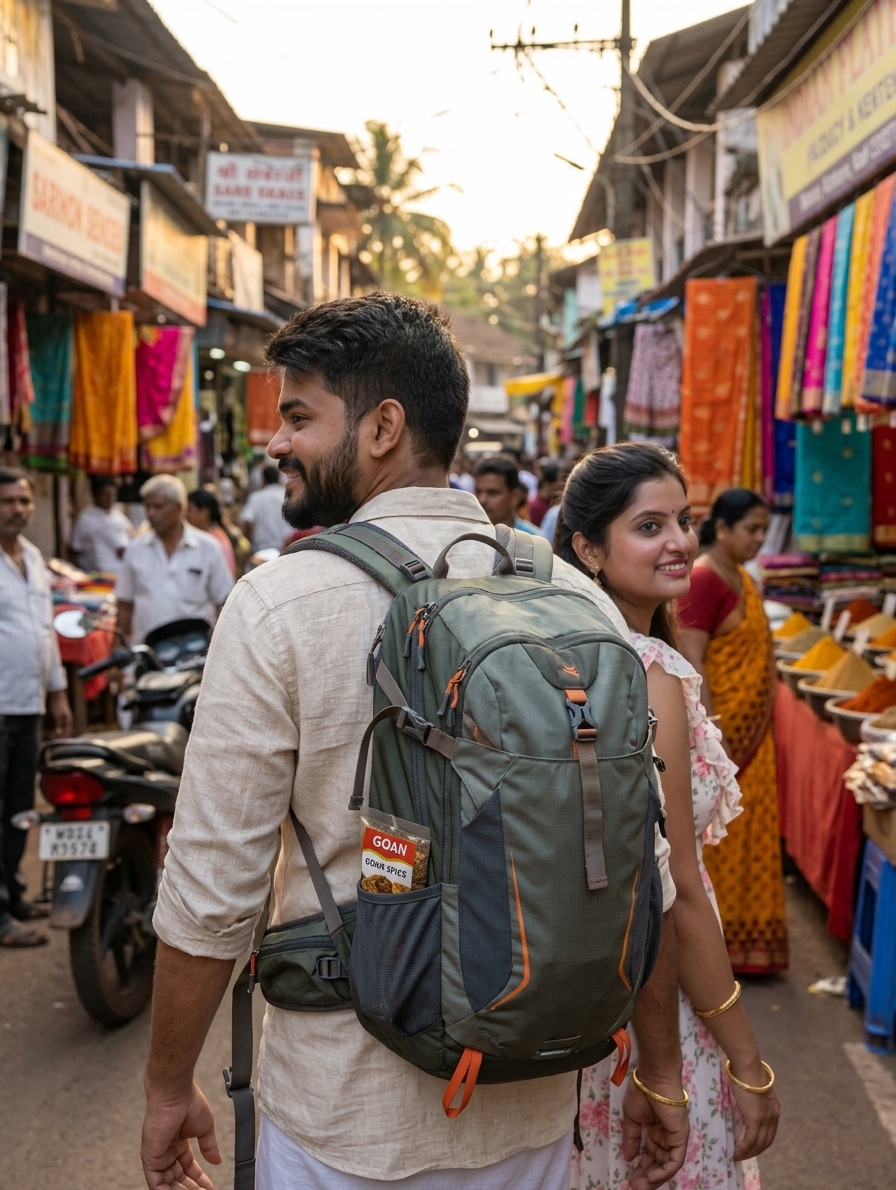
Budget vs Premium Travel Backpacks: What Actually Changes
Here’s the uncomfortable truth about budget backpacks—they work fine until they don’t.
We tested a ₹4,500 backpack alongside the ₹21,000 Tortuga Pro for three months. First month, barely any difference. Second month, the budget option’s shoulder straps started losing shape. Third month, a zipper failed during a Pawna Lake trip, and we learned that warranty claims aren’t worth the paperwork hassle.
Premium packs aren’t about logos. They’re about materials that last. 600D polyester with PU coating versus 210D nylon makes the difference between five years of use and five months. YKK RC Fuse zippers cost manufacturers more but fail less. Proper EVA foam padding maintains shape—cheap foam compresses permanently.
But here’s where it gets interesting: premium doesn’t always mean better fit. A ₹28,000 backpack designed for 6-foot travelers fits terribly if you’re 5’4″. The Cabin Zero at ₹6,800 might work better simply because the torso length matches your body. We watched someone spend ₹25,000 on a top-rated pack, then switch to a budget option because the expensive one caused shoulder pain despite perfect reviews.
Test before buying if possible. If buying online, use that return window aggressively. Load the pack properly, wear it for an hour around your house. If anything feels off, send it back. A backpack is too personal to trust reviews alone—even ours.
Airline Size Requirements and How These Backpacks Actually Perform
Every airline lies about carry-on dimensions. That’s not conspiracy—that’s Tuesday.
Official size limits mean nothing when a gate agent decides your bag looks too full. We’ve had the same Allpa 35L approved on one flight, questioned on another, despite meeting published dimensions both times. The real rule: does it look overstuffed?
Peak Design’s 45L technically exceeds most limits. Never got stopped once. Why? It compresses flat, doesn’t bulge weirdly, and looks professional. Meanwhile, cheaper packs that meet dimensions got tagged because fabric stretched and made them appear larger.
IndiGo, SpiceJet, Air India Express—we tested these best travel backpacks on all of them. Pack positioning matters more than size. Laptop compartments against your back make bags appear slimmer. External pockets stuffed with jackets scream “this is oversized” even when it isn’t.
Smart packing for airline approval: compress everything using packing cubes, avoid external attachments like dangling carabiners, and carry it by the top handle when approaching gates—makes it look smaller than wearing it does. These tricks saved us baggage fees seventeen times across domestic travel in 2025.
And when flying internationally from Pune or Mumbai, remember that European and Asian airlines enforce size limits more strictly than Indian domestic. That 45L bag might need to check in despite working fine on local routes. Budget accordingly.
Durability Reality Check: What Breaks First
Zippers die first. Not sometimes—always.
Non-YKK zippers fail within 200-300 uses. We counted. That’s roughly four months of regular travel where you’re packing and unpacking daily. One trip where you open your bag twice daily, maybe longer. But serious travel? Those cheap zippers start catching, then jamming, then separating from fabric.
Second failure point: shoulder strap attachment points. Those tiny bartack stitches handle your pack’s entire loaded weight. Budget manufacturers skip reinforcement, which works until you’re carrying 15kg through Salaulim Dam’s trails and hear that terrifying ripping sound. We’ve watched three budget packs fail here—always at the most inconvenient moments.
Third: hip belt padding. Quality packs use dual-density foam that maintains shape. Budget versions use single-layer foam that compresses into useless flat straps after extended use. You’ll notice around month three when your hips start hurting despite the same weight you’ve been carrying comfortably before.
The Tortuga Pro we mentioned earlier? Nineteen months, zero failures. The budget pack? Seven months before zipper replacement became necessary, eleven months until strap failure. That ₹4,500 savings became a ₹6,200 loss when we bought another bag mid-trip because repairs weren’t possible in remote areas.
Buy nice or buy twice. Usually buy thrice with travel backpacks honestly.
Organization Features That Sound Good But Waste Space
Compression straps everywhere. Every new backpack adds more straps like they’re solving problems. They’re creating them.
Excessive compression straps add weight, create tangling, and give you nothing useful unless you’re regularly hiking with varying loads. For travel between accommodations? Useless. We cut off extra straps from two packs because they kept catching on airport scanners and auto-rickshaw seats.
Laptop compartments positioned wrong. Some packs put them against the outside panel, supposedly for TSA convenience. Real result: your expensive laptop takes every impact when bags get thrown. Better designs place laptops against your back—safer positioning, better weight distribution.
Water bottle pockets that require unpacking to access. Why do designers keep creating these? If reaching your water bottle means removing your pack, that pocket has failed its entire purpose. Side-access pockets or nothing.
Hundreds of small organizational pockets that make you forget where you packed things. The Nomatic’s 22-pocket design sounds incredible until you’re searching six compartments for earbuds at 6 AM before a flight. Sometimes three well-designed sections beat twenty poorly-planned ones.
Here’s what actually works: front-panel organization for daily items, main compartment for clothes, separate laptop section, and one or two quick-access pockets. Anything beyond this is marketing features for YouTube reviews, not practical travel.
When Weather Resistance Actually Matters vs Marketing Hype
Every pack claims water resistance. Most lie through omission.
Water-resistant coating handles light drizzle for maybe twenty minutes. Real rain—the Goa monsoon kind—soaks through within an hour. We learned this the expensive way when a supposedly weatherproof bag ruined camera equipment during one Mulshi Lake trip where forecast promised clear skies and delivered torrential chaos instead.
True waterproof backpacks use sealed seams and roll-top closures. They’re rare, heavier, and cost more. The Patagonia Black Hole uses TPU lamination that actually works—we’ve tested it in genuinely harsh conditions. But it costs ₹15,500, weighs more than non-waterproof options, and lacks some organizational features.
Most travelers don’t need true waterproofing. They need rain covers and dry bags for electronics. Every best travel backpack should include a built-in rain cover—many charge extra for this basic necessity. Buy a separate one if not included, costs ₹400-800, saves you thousands in damaged belongings.
Smart protection strategy: rain cover for the bag, waterproof stuff sack for electronics and important documents, and quick-dry materials for the pack fabric itself. This combination handles everything from Cola Beach humidity to unexpected Lonavala storms.
One exception: if you’re doing serious adventure travel involving river crossings or extended exposure, buy an actual waterproof pack. Don’t trust marketing terms like “water-resistant coating” when your gear’s survival matters. Musafir Couple learned this during a Kashmir adventure when sudden weather tested every piece of equipment we carried.
Packing Capacity Reality: What 35L Actually Holds
Backpack volume means nothing without context. That’s the dirty secret of travel backpacks.
A 35L pack with poor organization holds less usable gear than a well-designed 30L. We’ve tested this repeatedly. Internal compression, smart pocket placement, and accessible compartments matter more than raw volume numbers.
Real capacity test: the Allpa 35L held seven days of couple travel gear including four camera lenses, two laptops, clothes for varying weather, toiletries, and random stuff we accumulated. A competing 40L pack barely managed five days of similar items because wasted space between compartments ate capacity.
Shape matters too. Tall, narrow packs fit airline requirements better but make packing awkward. Wide, flat designs maximize space but barely squeeze into overhead bins. The Peak Design’s expandable approach solves this—compress for flights, expand for ground travel.
Here’s practical capacity guidance: 30-35L works for one week of travel if you pack smart and occasionally do laundry. 40-45L handles two weeks or includes bulky gear like winter jackets. Anything beyond 45L exceeds carry-on limits universally, forcing you to check bags.
We travel with 35L packs religiously now. Forces smart packing decisions, avoids baggage fees, keeps everything accessible. That discipline improved our travel experience more than any feature upgrade ever did. Less gear means more mobility, faster transitions, fewer decisions.
If you think you need 50L, you probably need better packing skills and willingness to rewear clothes. Reality sounds harsh, but it’s freeing once accepted.
The Real Cost Beyond Purchase Price
Nobody calculates backpack cost correctly. They see ₹18,000 and compare it to ₹5,000 without thinking further.
That ₹18,000 Cotopaxi lasting five years costs ₹3,600 annually. The ₹5,000 budget pack lasting fourteen months costs ₹4,286 annually. Plus replacement hassle, mid-trip failures, and potential damage to contents when zippers fail. The expensive pack is cheaper.
Add in comfort value. Back pain from poor suspension costs you in reduced mobility, medication, and ruined travel days. We lost an entire Mahabaleshwar trip to shoulder strain from a badly-designed pack—that’s ₹8,000 in accommodation and travel wasted because we saved ₹6,000 on the wrong backpack.
Consider airline fees. A bag that consistently passes carry-on requirements saves ₹1,500-2,500 per flight versus one that forces checking. Six flights yearly, that’s ₹9,000-15,000 saved. Your ₹21,000 premium pack just paid for itself within two years.
Factor in warranty and repair services. Quality manufacturers offer multi-year warranties and actual repair services. Budget brands offer one-year warranties that require shipping to impossible addresses and disappear when you need them. We’ve tried claiming warranty four times on budget gear—success rate zero.
Real backpack cost equation: (purchase price + likely repairs + replacement frequency + airline fees + comfort value) divided by years of use. Run those numbers, and premium options often win. Not always, but more often than Instagram shopping makes you believe.
Maintenance Nobody Tells You About
Best travel backpacks need care. Obvious statement, rarely followed advice.
Clean your pack every 20-25 uses. Not the full “soak it in bathtub” treatment—just empty completely, vacuum dust and debris from corners, spot-clean stains, and air dry thoroughly. Takes twenty minutes, extends life by years. We ignored this initially, watched fabric deteriorate faster than necessary.
Lubricate zippers monthly if you travel regularly. Use zipper lubricant or even candle wax rubbed along teeth. Prevents the catching and jamming that kills zippers prematurely. Costs ₹150 for lubricant that lasts years, saves thousands in early replacement.
Check stitching at stress points every few months. Catch loose threads before they become tears. Simple needle and thread fixes take five minutes, prevent failures mid-trip. We caught three potential failures this way before they became problems.
Store packs loosely when not traveling. Don’t compress them for months—lets foam padding recover shape. Don’t hang fully loaded for extended periods—stretches shoulder straps unnecessarily. Empty, loosely packed, in a cool dry space is ideal.
Treat rain covers and waterproof coating annually. Even quality treatments degrade. DWR spray costs ₹600, takes ten minutes to apply, maintains weather resistance that degrades over time. We’ve tested treated versus untreated fabric—treatment extends effective life by 40-50%.
These maintenance steps sound tedious. They’re not—total time investment of maybe three hours yearly. Compare that to replacing a ₹20,000 pack every two years instead of lasting five because you couldn’t be bothered with basic care.
Frequently Asked Questions
What size backpack is best for one week of travel?
30-35L handles one week comfortably for most travelers. That’s enough for clothes, toiletries, one pair of extra shoes, and electronics if packed efficiently. We manage seven days in 35L consistently, including camera gear. Anything larger tempts overpacking—a trap that makes travel harder not easier. Test your packing at home before committing.
Are expensive travel backpacks actually worth the price?
Yes, if you travel more than twice yearly. Premium best travel backpacks use materials that survive 5+ years versus budget options lasting 12-18 months. Better suspension systems prevent back pain, superior zippers don’t fail mid-trip, and warranties actually work. We wasted ₹12,000 on cheap packs before accepting this reality. Calculate cost-per-year not upfront price.
How do I know if a backpack fits properly?
Hip belt should sit on hip bones not waist, shoulder straps shouldn’t gap or dig in, and load lifters should angle back at 45 degrees when adjusted correctly. Most importantly—load it with actual weight and walk for thirty minutes minimum. Discomfort that appears after twenty minutes only gets worse on real trips. If buying online, ruthlessly use return policies.
What’s the difference between hiking and travel backpacks?
Hiking packs prioritize ventilation, external attachment points, and top-loading access for varying loads during multi-day treks. Travel backpacks focus on carry-on compliance, laptop protection, front-panel access, and professional appearance. Hiking packs work poorly in airports; travel packs fail on actual trails. We tried using hiking packs for travel—looked ridiculous at hotels and lacked organization for urban needs.
Should I get a backpack with wheels or stick to straps only?
Straps only, always. Wheeled backpacks are heavier, more awkward to carry, and wheels add failure points. They only help on perfectly smooth floors—rare in real travel. Indian train stations, European cobblestones, beach town paths all make wheels useless. We tried a convertible wheeled pack once, carried it on straps 90% of the time, and the unused wheels just added weight. Skip wheels entirely for travel backpacks.
Find Your Perfect Travel Companion Before Your Next Journey
The right backpack changes how you travel. Not in some inspirational quote way—in the practical reality of comfortable shoulders, organized gear, and zero stress about overhead bin compliance.
Musafir Couple tests gear across real journeys from Pune to Kanyakumari, Kashmir to Maldives. We buy our equipment, use it until it breaks, and tell you exactly what survives. These best travel backpacks earned recommendations through nineteen months of abuse, not a weekend review session.
Start with your budget and travel frequency. Weekend warriors should consider the Osprey Nebula or Cabin Zero Classic. Regular travelers need the Cotopaxi Allpa 35L or Tortuga Pro for durability that justifies cost. Content creators should invest in Peak Design despite the price—it’s designed for exactly that use case.
Check current prices and availability before buying—2026 brought some supply chain improvements but also inflation adjustments. Read manufacturer specs carefully because marketing often promises more than products deliver.
Your backpack carries everything that matters during travel. Cheap out here, suffer everywhere else. Choose smart, pack light, and actually enjoy moving between destinations instead of dreading it.
Ready to start your next adventure? Visit our real journey stories and destination guides at Musafir Couple, powered by Travelheal. We share honest costs, practical routes, and the kind of travel tips you’d only get from friends who actually do this—not influencers performing it.
Contact us for collaboration inquiries or specific destination questions based on your travel style and budget. Real travelers helping real travelers—that’s how exploration should work.