

 by
by We used to leave tourist markets feeling dumb.
You know that sinking feeling when you walk away proud of a “deal” — only to see someone else buy the exact same thing for half the price five minutes later? Yeah. We’ve been there. Multiple times. In Goa’s flea markets, Jaipur’s textile lanes, Manali’s Tibetan stalls, even the floating markets we visited on our trips. Ketan would haggle hard, I’d feel awkward about pushing too much, and we’d almost always overpay while congratulating ourselves on “supporting local artisans.”
Then we started paying attention. Not just to what we were doing wrong, but to what actually worked when we accidentally got it right. What changed wasn’t some magic script or aggressive posturing. It was understanding a few specific patterns that shifted bargaining at tourist markets from embarrassing guesswork to something that felt fair for both sides — and saved us real money without the guilt.
This isn’t theory. These are the tactics that worked when we tested them across markets in Maharashtra, Goa, Rajasthan, Kashmir, and a dozen other places we’ve documented on Musafir Couple. Some you’ll recognize. Some will feel uncomfortable at first. All of them actually work.
Walk Past the First Three Shops — Seriously
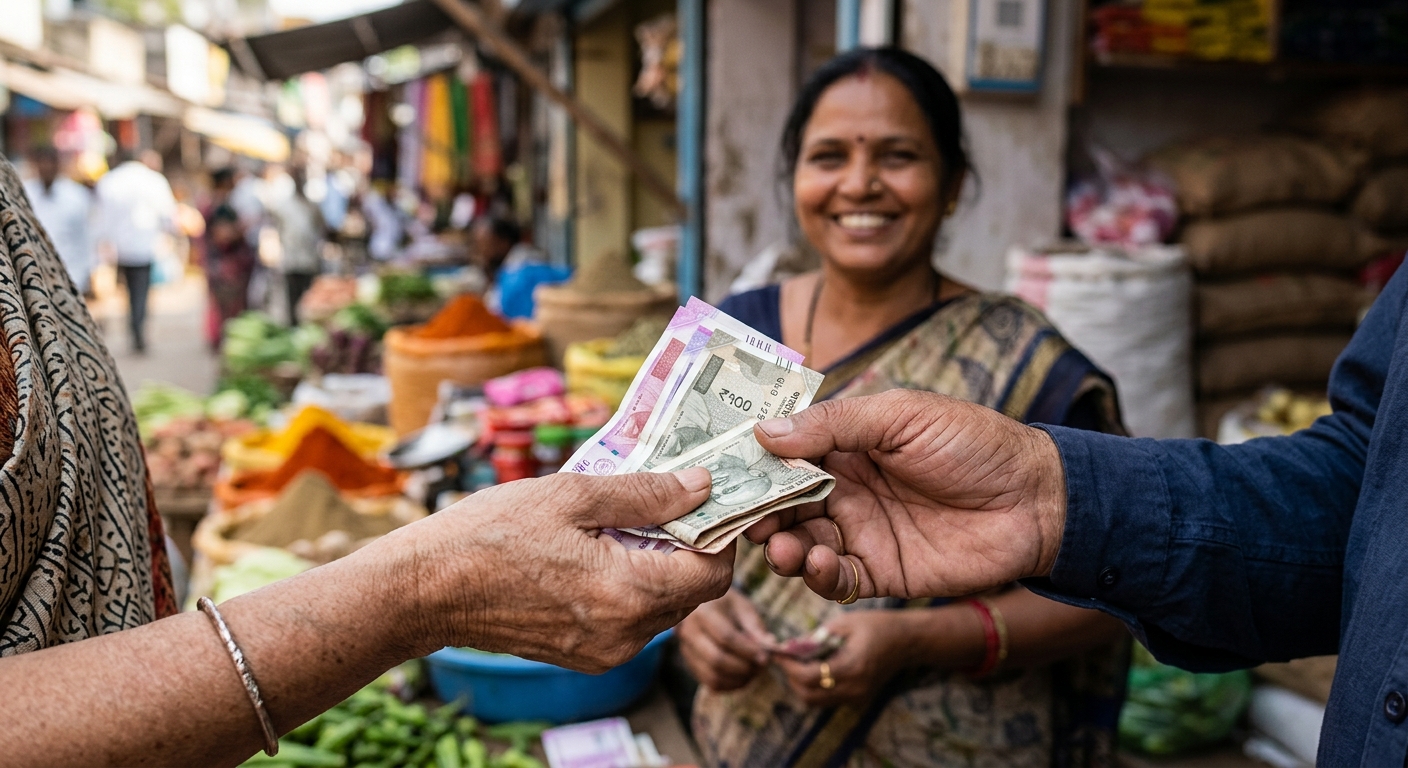
Here’s what most couples do. They enter the market excited, spot something pretty in the first colorful stall, ask the price, try bargaining a bit, feel awkward, and buy it thinking they did okay.
We did this in Anjuna. Bought a beaded bag for ₹800 after “negotiating” down from ₹1200. Felt smart. Walked fifty meters further and saw identical bags being opened at ₹400. The exact same bags. Same supplier, probably.
The first few shops at any tourist market entrance know you’re fresh, excited, and uninformed about pricing. They quote high because you have nothing to compare against. The real pricing reality only shows up after you’ve seen the same item in four or five places.
Now we make it a rule. Walk the entire market first. Don’t buy anything on the first pass. Just look, touch, ask prices casually, and note where things actually are. You’re gathering pricing data, not shopping yet. It feels inefficient — Ketan hated this at first — but it consistently saves us 30 to 40 percent compared to impulse buying at the entrance.
When you loop back, you know which shops are reasonable, which items are everywhere versus actually unique, and what the real price range is. You’re bargaining from information, not excitement.
Don’t Start the Conversation — Let Them
This sounds backwards, but aggressive bargaining often backfops. We learned this the hard way in Udaipur’s clock tower market when Ketan opened with “What’s your best price?” before the shopkeeper even finished showing us a miniature painting.
The guy’s face changed. He quoted ₹5000 flatly, refused to move below ₹4500, and the whole interaction felt tense. We left without buying.
Two stalls down, we tried something different. We picked up a similar painting, examined it carefully, said nothing about price. The shopkeeper started talking — explaining the art, the artist, the natural colors. After three minutes of this, he offered ₹3200 without us even asking. We bought it for ₹2800 after a brief, friendly negotiation.
What changed? When you demand the “best price” immediately, you signal you’re just hunting numbers. The seller’s guard goes up. But when you show genuine interest in the item first — ask about the material, the origin, how it’s made — you’re treated like a customer, not a bargaining opponent.
Let them make the first move on price. If they ask “How much do you want to pay?” resist the urge to throw out a number. Smile and say, “I’d love to know what you think is fair first.” You’re not playing games. You’re gathering information about their anchor point before revealing yours.
The Walk-Away Has to Be Real
Everyone knows the classic “walk away” tactic. Start to leave, they call you back with a better price. It’s in every bargaining guide on the internet.
Here’s why it usually fails for us tourists: it’s fake. The shopkeeper can tell you’re pretending. You’re walking slowly, glancing back, hovering near the exit. It reads as theater, not genuine disinterest. So they let you go, because they know you’ll be back.
We tested this exact scenario at a Kashmiri shawl shop near Dal Lake. Ketan tried the slow walk-away after they wouldn’t budge below ₹8000 for a pashmina. The owner smiled, said “Okay, thank you,” and turned to another customer. Ketan stood outside awkwardly for two minutes, then came back. The price didn’t move. We overpaid.
The real walk-away isn’t a tactic. It’s a decision. You’ve decided the price isn’t worth it to you, and you’re genuinely leaving to find it elsewhere or skip it entirely. That’s the energy that actually works.
When we walked away from an overpriced marble inlay box in Agra — actually walked away, didn’t look back, started browsing another section — the shopkeeper found us four stalls later and dropped his price by ₹1200. He could tell the first walk-away was real.
You can’t fake indifference. Either you’re willing to leave without the item, or you’re not. If you’re not, don’t pretend.
Buy Multiple Items from One Seller — But Negotiate the Bundle
Tourist market shopping usually happens item by item. You haggle over a scarf, then a keychain, then a fridge magnet, each time starting the bargaining process from scratch. Exhausting and inefficient.
We figured out a better way in Goa’s Saturday Night Market at Arpora. Instead of bargaining piece by piece, we’d pick up four or five things we genuinely liked from one stall, pile them together, and ask for a total price.
The shift is immediate. The seller knows they’re looking at a ₹2000+ sale instead of a ₹300 scarf transaction. Their math changes. They’re more willing to cut per-item margins when the total volume is bigger.
Here’s the exact pattern that works: pick up items casually, don’t ask individual prices, pile them at the counter, then ask “What would you do for all of this together?” You’re signaling bulk, commitment, and simplicity — one transaction, no item-by-item drama.
We did this for souvenirs before leaving Mahabaleshwar. Six small items that would’ve totaled around ₹1800 individually. Asked for a bundle price. Got quoted ₹1500. Negotiated to ₹1200. The shopkeeper was happy to close a big sale quickly, we saved ₹600, and the whole thing took five minutes instead of thirty.
The key is genuine intent. Don’t pile up items you don’t want just to negotiate — that’s disrespectful and obvious. But if you’re actually buying multiple things anyway, bundle the negotiation.
Pay in Cash, but Mention It Early
This one feels old-school, but it still works in 2026 at most tourist markets across India. Card payments and UPI are everywhere now, but they come with transaction fees — sometimes 2%, sometimes more depending on the payment gateway. For a shopkeeper running on thin margins, that’s real money.
When you mention upfront that you’ll pay cash if the price is right, you’ve just removed a cost from their side of the equation. That gives them room to drop the price slightly without losing margin.
We saw this play out clearly in Jaipur’s Johari Bazaar. A silver jewelry seller quoted ₹4500 for a pair of earrings. We asked if there was a better price for cash payment. He paused, calculated, came back with ₹4100. Not massive, but ₹400 is ₹400 — and it took five seconds to ask.
The timing matters. Don’t bring up cash after you’ve already agreed on a price — that feels like you’re trying to renegotiate a done deal. Mention it early in the process: “We’re happy to pay cash if we can settle on a fair price.” It’s framed as a benefit to them, not a demand from you.
One caution: never flash a thick wad of cash while bargaining. That just resets their price expectations upward because now they know you can afford more. Keep your payment method discreet until the deal is settled.

Know When the Price Is Actually Fair — and Stop
This is the mistake we made most often in our first year of travel. We’d negotiate a reasonable price, feel good about it, then push for one more discount just because we could. The seller would reluctantly agree, but the interaction would end on a sour note. We’d leave feeling weirdly guilty instead of happy.
Bargaining at tourist markets isn’t about extracting every possible rupee. It’s about reaching a price that feels fair to both people.
How do you know when you’re there? A few signs: the seller’s body language relaxes, they start chatting naturally instead of defensively, they offer to wrap the item nicely or throw in something small, or they smile genuinely instead of transactionally.
We bought a wooden carved elephant in Mysore for ₹1800 after negotiating from ₹2800. The craftsman — because it turned out he made it himself — started telling us about the sandalwood source, how long the carving took, showed us other pieces he was working on. That’s when we knew we’d hit fair pricing. Pushing further would’ve just been greed.
Compare that to a shawl purchase in Manali where we pushed a seller from ₹3500 to ₹2200. He agreed, but he was clearly frustrated, wrapped it quickly without speaking, and basically rushed us out. The price might’ve been “better,” but the experience felt bad. We probably pushed ₹300-400 past fair.
There’s no exact formula. But if you’ve walked the market, compared prices, negotiated respectfully, and landed somewhere in the middle of the range you’ve seen — that’s fair. Stop there.
The “I’m Local” Lie Never Works — Try Honest Instead
Every guide suggests pretending you live locally to avoid tourist pricing. “I live here, don’t give me tourist rates.”
Doesn’t work. At least not for us, and we’ve tried.
We tested this in Lonavala’s market near the lake, claiming we were from Pune (which we are). The chikki seller laughed and said, “If you were really local, you’d know we give everyone the same price.” Then he switched to Marathi to prove his point. It was awkward.
The problem isn’t the tactic itself — it’s that shopkeepers at tourist markets can spot tourists instantly. Your clothes, your camera, the way you browse, your bargaining style, even your Hindi accent if you’re not from that region. Pretending otherwise just makes you look dishonest, which kills trust.
What actually worked better: being honest about being travelers, but showing respect for the local economy. “We’re traveling through, we love this piece, we want to pay a fair price — what works for you?”
That exact phrasing got us better responses in Pondicherry, Udaipur, and even the Tibetan market in McLeod Ganj. Sellers dropped their guard because we weren’t playing games. One shop owner in Jaisalmer literally said, “Thank you for not lying about being local. Here’s my actual price.”
Honesty isn’t weakness in negotiation. It’s a faster route to fair pricing than any performed identity.
Timing Changes Everything — Shop Before 11 AM or After 6 PM
Most tourists hit markets between noon and 5 PM. That’s when shops are busiest, sellers know they’ll get steady traffic, and your individual sale matters less.
We stumbled into better timing by accident in Goa. We’d reached Mapusa Market around 9:30 AM, way earlier than planned. Shops were just opening, foot traffic was light, and sellers were chatty, relaxed, not in transaction mode yet.
We bought the same items we’d priced the previous evening — but this time, every single seller gave us better opening quotes and negotiated faster. A dress Samprita had been quoted ₹1600 for the night before opened at ₹1100 in the morning. Same stall, same dress.
Why? Early morning, the shopkeeper hasn’t made their first sale yet. In many markets, there’s a belief that the first sale of the day sets the tone — so they’re more motivated to close a deal, even at a lower margin, just to get things started.
Late evening works similarly but for different reasons. Shops are thinking about closing, they’re mentally tallying the day’s sales, and they’re less interested in long negotiations. If you’re a sure sale at a decent price, they’ll take it to wrap up smoothly.
We tested this pattern at Sarojini Nagar in Delhi and the flea market near Calangute. Morning and late evening consistently got us 15-20% better pricing than midday, with way less haggling friction.
Avoid peak hours unless you enjoy crowds and slower negotiations. Time your visit to the edges of the market day.
Don’t Bargain on Handcrafted or Artisan Items — Just Don’t
This one goes against most haggling advice, but it’s something we learned from experience and now follow strictly.
If an item is genuinely handcrafted by the person selling it — not mass-produced, not resold, but made by hand in front of you or in their workshop — we don’t bargain aggressively. We ask if there’s flexibility, we might negotiate 10-15% if the price feels high, but we don’t push hard.
Why? Because the margins on handcrafted work are already thin. The price reflects hours of skilled labor, not bulk manufacturing. Pushing a potter, weaver, or wood carver down to rock-bottom pricing is extracting value from someone’s craft, not negotiating a fair deal.
We met a block-print artisan in Jaipur who walked us through his process — carving the wooden block, mixing natural dyes, hand-printing each meter of fabric. He quoted ₹3200 for a bedspread. We asked if ₹2900 worked. He agreed. We stopped there. Pushing to ₹2500 would’ve just been disrespecting the work.
Contrast that with generic souvenir stalls selling factory-made items available in fifty other shops. Those are fair game for bargaining because the seller is a reseller, margins are higher, and pricing is more flexible.
How do you tell the difference? Ask where the item is made. If the seller made it or can point to a local artisan who did, tread lightly. If they shrug or say “I get it from a supplier,” bargain away.
Respect craft. Negotiate commerce.
Frequently Asked Questions
How much should I reduce from the first quoted price when bargaining at tourist markets?
Start by offering 50-60% of the initial quote, then meet somewhere in the middle. Most tourist market vendors quote 1.5x to 2x their acceptable price, expecting negotiation. If you’ve walked the market and seen comparable pricing, you’ll know if your counteroffer is reasonable. The goal isn’t a fixed percentage — it’s landing near the fair market rate you observed across multiple stalls.
Is it rude to bargain at every shop in India?
No, bargaining is culturally expected at most tourist markets and street vendors across India. It’s part of the transaction, not an insult. However, skip bargaining at stores with fixed-price tags, government emporiums, and directly with artisans selling their own handcrafted work. Context matters — read the setting before pushing for discounts.
What should I do if a shopkeeper gets angry during bargaining?
Stay calm and polite, but don’t fold just because they’re performing frustration. Some sellers use fake anger as a tactic to pressure you into accepting their price. If the anger feels genuine and the conversation turns unpleasant, simply thank them and leave. There are always other shops. Never let emotional manipulation push you into a price you’re not comfortable with.
Can I bargain when paying by card or UPI at Indian markets?
You can, but you’ll get better results with cash. Card and UPI payments cost the seller 1-2% in transaction fees, which eats into their margins. If you mention upfront that you’ll pay cash, some sellers will offer a small discount to avoid those fees. Just don’t use it as a manipulative tactic after agreeing on a price — mention it early in the negotiation instead.
Ready to Shop Smarter on Your Next Trip?
Bargaining at tourist markets isn’t about winning or losing. It’s about respecting the dance, knowing when to push and when to stop, and walking away with something you love at a price that feels fair to both sides.
We still mess it up sometimes. We overpay when we fall in love with something too quickly. We under-offer when we misjudge an artisan’s work as mass-market. But we’re better at it now than we were two years ago, and these tactics — walking the market first, bundling purchases, timing our visits, being honest instead of performative — have saved us thousands of rupees while keeping interactions pleasant.
If you want to see how we navigate real markets, awkward negotiations, and the occasional bargaining fail, follow our travel stories on Musafir Couple. We document everything — the wins, the overpays, the moments Ketan and I disagree on whether ₹200 is worth fighting over. Because that’s real travel. Not perfect, just honest.
And next time you’re standing in front of a colorful stall wondering if ₹800 is fair for that scarf? You’ll know exactly what to do.
Meta Title: Bargaining at Tourist Markets: Real Tips That Work in 2026
Meta Description: Honest bargaining tips from real travel experience. Learn what actually works when negotiating prices at tourist markets across India — no theory, just tested tactics.
Primary Keyword: bargaining at tourist markets
Secondary Keywords: haggling tips for travelers, negotiating prices while traveling, tourist market shopping guide, travel money saving strategies