


 by
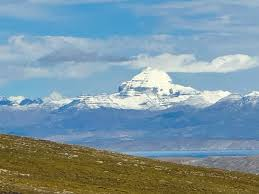
by I’ve always thought that certain travels are more about self-discovery than about travel. My recent Kailash Mansarovar Yatra was one of these experiences. Standing before Mount Kailash, having a plunge in the holy Mansarovar Lake, and hiking through the high-altitude mountains provided me with not just tranquility but also a greater connection to my own soul.
Since so many people have asked me how to organize this trip, I decided to share my whole experience, from routes and schedule to lodging, meals, permits, costs, and practical recommendations. If you are planning this spiritual journey, I hope my experience helps you prepare better.
Routes for Kailash Mansarovar Yatra
There are mainly two routes to reach Mount Kailash and Mansarovar Lake:
1. By Road (via Kathmandu – Nepal Border – Tibet)
- Duration: 14–15 days
- Journey: Long road drives through Nepal and Tibet.
- Advantage: The route is slower but allows better acclimatization.
- Itinerary Highlights: Kathmandu sightseeing (Pashupatinath Temple, Budhanilkantha Temple), border crossing at Syabrubesi, Saga (acclimatization stay), Mansarovar Lake, Rakshas Tal, Darchin (base camp), and then the Kailash Parikrama of 52 km completed in 3 days.
2. By Air (via Lucknow – Nepalgunj – Simikot – Hilsa – Tibet)
- Duration: 9–11 days
- Journey: Flight to Simikot → Helicopter to Hilsa → Cross border → Bus to Taklakot.
- Advantage: Faster and more convenient, suitable for those with less time.
- Disadvantage: More expensive (50–70k extra compared to road).
- After Taklakot, the route merges with the same journey as the road option – Mansarovar Lake, Darchin, and Kailash Parikrama.
ALSO READ: Kailash Mansarovar Yatra: A Journey Beyond Travel
Kailash Parikrama (Circumambulation)
- Distance: 52 km trek over 3 days.
- Altitude: Highest point at Dolma La Pass – 18,500 ft.
- Itinerary:
- Day 1: Yam Dwar to Deraphuk (12 km trek). Horses and porters can be hired in advance.
- Day 2: Deraphuk to Zuthulphuk (22 km trek, crossing Dolma La Pass, with darshan of Gauri Kund).
- Day 3: Zuthulphuk to base (7–8 km trek), then return by bus.
Accommodation & Food
- Hotels available at: Kathmandu, Nepalgunj, Taklakot, Saga, and Darchin (3-star to 5-star).
- Guesthouses during Mansarovar stay and parikrama: Basic dormitory-style, shared washrooms, simple arrangements.
- Food: Pure vegetarian meals provided by the tour operator. Expect dal, rice, roti, vegetables, soup, fruits, and salad.
- Recommended to carry: Dry fruits, energy bars, chocolates, glucose, murmura, and laddoos for quick energy.
Permits & Documents
- A valid passport is mandatory.
- Chinese and Tibet permits are arranged through authorized tour operators only (beware of frauds).
- Medical fitness certificate is required.
- Government employees, defense, and police officials need special approvals.
Health & Acclimatization
- Highest altitude point: 18,500 ft (Dolma La Pass).
- Risk: Altitude sickness is common.
- Preparation tips:
- Practice daily fast walking (1 hour) and Pranayama (breathing exercises) for at least a month before the trip.
- Carry medicines for altitude sickness, small oxygen cylinders, and basic first-aid.
- Take proper rest and allow your body to acclimatize.
Packing Essentials
- Clothing: 5–7 sets of light clothes, thermal wear, down jacket, waterproof gloves, cap, sunglasses, and raincoat.
- Shoes: Waterproof trekking shoes or rubber shoe covers.
- Toiletries & Health: Lip balm, moisturizer, sunscreen, wet tissues, sanitizer, toilet paper, torch, and walking stick.
- Others: Dry fruits, snacks, energy supplements, and prescribed medicines.
- Note: Trolley bags are not allowed during trekking. Tour operators provide duffel bags and backpacks.
Cost of Kailash Mansarovar Yatra
- By Road (14 days): Approx. ₹1.8 – ₹2.2 lakh per person.
- By Air (10 days): Approx. ₹2.3 – ₹2.8 lakh per person.
- Additional Costs:
- Horse for 3 days: ₹30,000–40,000 per person.
- Porter (for carrying bags): ₹15,000–20,000 per person.
Key Highlights of the Yatra
- Pashupatinath Temple (Kathmandu).
- Mansarovar Lake: Take a holy dip and perform puja.
- Rakshas Tal: Linked with Ravana’s story.
- Mount Kailash: Spiritual darshan during parikrama.
- Dolma La Pass (18,500 ft).
- Gauri Kund: Believed to be the birthplace of Lord Ganesha.
Important Notes
- Weather and permissions are unpredictable – be flexible.
- Immigration checks at the Tibet border are strict – patience is needed.
- Hygiene and washrooms are very basic – be mentally prepared.
- Always book through a trusted tour operator.
- This is more than a trip – it’s a spiritual journey of faith and endurance.
Final Words
For me, the Kailash Mansarovar Yatra was more than simply a travel experience; it was a reminder of how insignificant we are in the face of nature and divinity. Every step of the journey tried my endurance, tolerance, and commitment, but the first view of Mount Kailash made it all worthwhile.
If you’re planning anything, make sure your body, mind, and spirit are ready. This voyage will provide you with lasting tranquility, dedication, and memories.


One thought on “Complete Guide to Kailash Mansarovar Yatra”