

 by
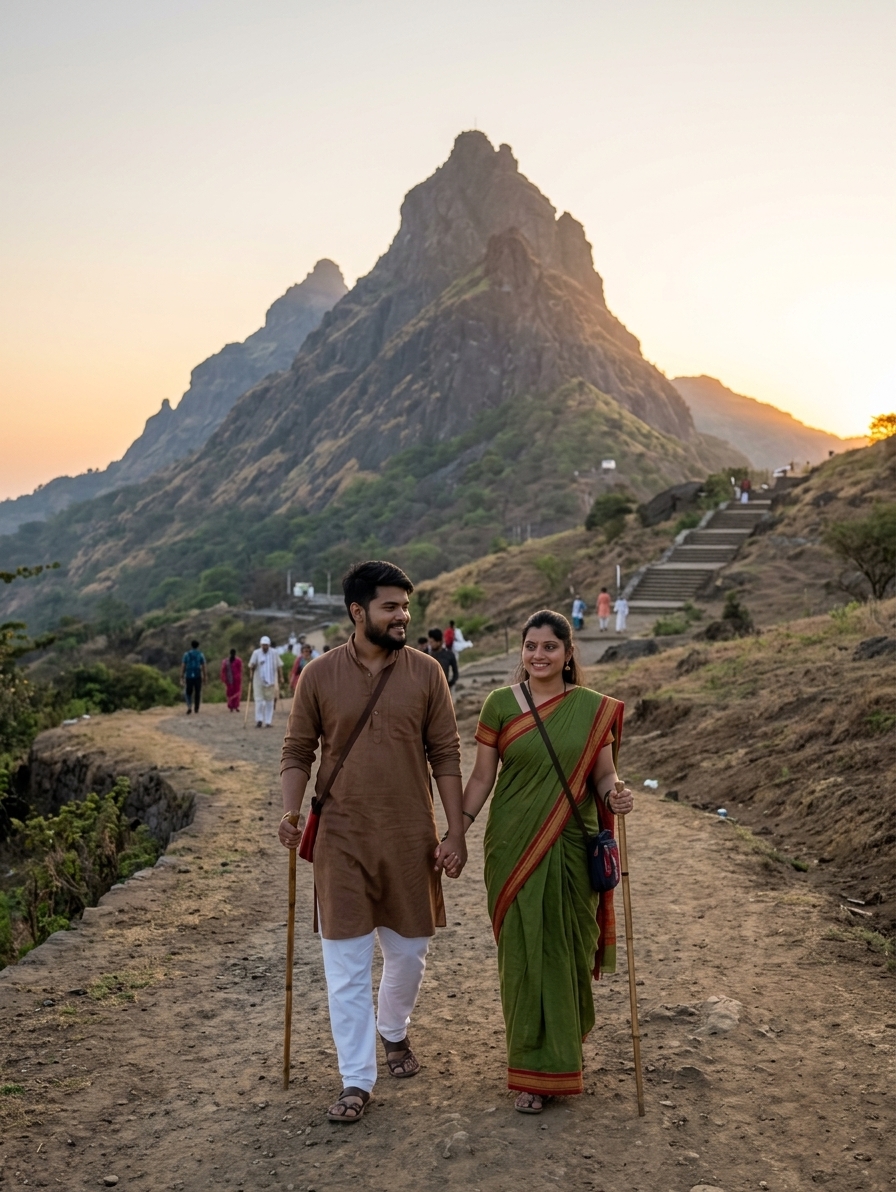
by Ketan woke up at 2:30 AM with his alarm screaming and immediately regretted every life choice that led to this moment. Samprita was already tying her shoelaces, annoyingly awake. We were about to start the Girnar Parikrama — a 36-kilometer spiritual trek circling the base of Girnar mountain in Gujarat. We’d heard stories. Pilgrims who walked barefoot for 12 hours. Couples who started together and finished separately. We wanted the real experience, not the sanitized Instagram version.
That night walk taught us more about Girnar than any blog post ever could. The route is unforgiving. The costs are unpredictable. The spiritual weight is real. And if you’re planning this as a couple, you need honest information — not motivational poster advice.
This Girnar Parikrama guide walks you through everything we learned the hard way: actual costs down to the last rupee, route realities that no one mentions, couple survival tactics, and the “worth it or not” verdict that matters most.
What Exactly Is Girnar Parikrama and Why Couples Attempt It
Girnar Parikrama is a 36-kilometer circumambulation around the sacred Girnar mountain range near Junagadh, Gujarat. Pilgrims traditionally complete it in one night — starting after sunset and finishing by sunrise the next morning. It’s considered one of the toughest spiritual walks in India, not because of technical difficulty, but because of sheer distance, darkness, and devotion.
Unlike the Girnar temple trek that takes you up 10,000 steps to the mountaintop temples, the Parikrama circles the base. You’re walking through villages, farmland, rocky paths, and dense stretches where your phone torch is your only companion. Most pilgrims walk barefoot. Some carry only water. The route is dotted with small temples and rest points, but for long stretches, you’re alone with your thoughts and your blisters.
Couples attempt it for different reasons. Some come for spiritual merit — it’s believed that completing the Parikrama with a pure heart brings blessings and fulfills wishes. Others, like us, come because it’s a challenge that tests your relationship in ways a beach vacation never will. You’ll see each other tired, cranky, questioning life decisions at 4 AM. If you finish together without a fight, that’s a relationship win.
The Parikrama happens year-round, but the peak season is during Kartik Purnima (October-November) when lakhs of pilgrims descend on Junagadh. That’s when the route becomes a spiritual highway — crowded, chaotic, but oddly energizing. We did ours in February, which was quieter and cooler.
Girnar Parikrama Cost: Real Numbers from Our 2026 Journey
Let’s talk money. Every travel blog skips this part or gives vague ranges. Here’s what we actually spent, itemized and honest.
Accommodation in Junagadh (night before Parikrama): ₹1,200 for a decent budget hotel near the bus stand. You don’t need luxury — you’ll barely sleep. We checked in at 6 PM, napped for a few hours, and left by midnight. Book something walkable to the Parikrama starting point to avoid late-night auto negotiations.
Food (pre-Parikrama dinner): ₹350 for two. We ate light — rotis, dal, sabzi at a local dhaba. Avoid heavy meals. Your stomach will hate you at kilometer 15.
Water and snacks for the route: ₹200. We carried two 1-liter bottles each and refilled at temples along the way (free). Also packed glucose biscuits, energy bars, and ORS sachets. Don’t skimp here. Dehydration is real.
Torch and batteries: ₹100. Your phone torch will die. Carry a handheld torch with spare batteries. The route has long dark patches where phone light isn’t enough.
Offerings at temples: ₹100-₹200 (optional). Small amounts for prasad and donations at key stops. Not mandatory, but most pilgrims do it.
Auto from hotel to starting point: ₹50. Short ride. Some couples walk it to warm up.
Post-Parikrama breakfast: ₹250 for two. After finishing, we collapsed at a tea stall near the endpoint and ordered everything on the menu. Budget for a proper meal — you’ll be starving.
Medical (band-aids, pain relief spray): ₹150. We bought these the day before. Samprita’s heels started bleeding around kilometer 20. Band-aids saved us.
Total for two people: ₹2,400 approximately. Add ₹500-₹800 if you’re traveling from Pune or another city for fuel or train tickets. We drove, so add ₹3,000 for petrol (Pune to Junagadh round trip).
Here’s what we didn’t spend on but saw others regret skipping: a small folding mat (₹200) for sitting during breaks, and a cap or headscarf (₹50) for the final stretch when the sun rises and beats down mercilessly.
The Parikrama Route: What Actually Happens Kilometer by Kilometer
The official starting point is Bhavnath Mahadev Temple, about 5 kilometers from Junagadh city. Most couples begin around midnight to finish by sunrise. The route is mostly well-marked with small signboards and temple markers, but Google Maps won’t help much in the middle stretches.
Kilometer 0-5: You leave Bhavnath Temple area and walk through semi-lit villages. The path is paved. You’ll see small tea stalls (closed at night), and groups of pilgrims moving in clusters. Energy is high. Everyone’s talking, chanting. This is the easy part. Don’t rush. Save your knees.
Kilometer 5-12: The route turns rural. You’re walking past farmland, small shrines, occasional rest stops with water. The crowd thins. It gets darker. This is where couples start realizing what they signed up for. Samprita and I had our first “why are we doing this” conversation around kilometer 8. No fight yet, just existential doubt.
Kilometer 12-18: The halfway mark. There’s a larger temple here (name escapes me, but you’ll know it — everyone stops). Sit. Rest. Refill water. Check your feet. This is blister inspection time. We saw three couples turn back here. No shame in that — the second half is harder.
Kilometer 18-25: The loneliest stretch. Fewer people. Darker. The path gets rocky in parts. You’re walking through silence except for your footsteps and breathing. This is where the spiritual part kicks in, whether you’re religious or not. You’re just walking. Thinking. Samprita barely spoke for two hours. I didn’t either. It’s meditative, but also exhausting.
Kilometer 25-30: You start seeing signs of civilization again. Small villages. A few early risers. The sky begins to lighten. Your body is screaming, but mentally, you’re lifting. You’re going to finish this.
Kilometer 30-36: The final push. The sun rises. The route gets busier as day pilgrims join. The endpoint is back near Bhavnath Temple area. When you see the temple spire, you’ll want to cry or collapse. We did both.
One thing no guide mentions: the route is not a perfect circle. There are two-three points where you’ll second-guess if you’re on the right path. Follow the crowd. If there’s no crowd, look for small painted arrows on rocks or walls. We got confused once around kilometer 22 and walked 500 meters in the wrong direction before a local farmer redirected us.
Couple Travel Tips That Kept Us Together (Barely)
Doing Girnar Parikrama as a couple is not romantic. It’s raw. Here’s what worked for us and what we wish we’d done differently.
Walk at your own pace, but stay visible. Ketan walks faster. Samprita needed breaks. We agreed he’d walk ahead but stop every 2 kilometers to let her catch up. Don’t walk side-by-side the whole time — you’ll slow each other down and build resentment. But don’t lose sight of each other either, especially in the dark stretches.
Pack light, but pack right. I carried the water and snacks in a small backpack. Samprita carried the medical kit and phone. Divide the load based on comfort. Don’t carry unnecessary stuff — every extra 100 grams will hurt by kilometer 20.
Don’t talk when tired. Biggest relationship hack. Around kilometer 18, we were both exhausted. I made a dumb joke. She snapped. I snapped back. We walked in angry silence for an hour. Then we both laughed because we realized how stupid it was. Lesson: if you’re both exhausted, just walk. Talk later.
Footwear matters more than fitness. We wore walking shoes with good grip. Some pilgrims go barefoot for religious reasons, which we respect, but we’re not trained for that. If you’re wearing shoes, break them in a week before. New shoes will destroy your feet. Samprita wore sports shoes she’d been using for months. No blisters until kilometer 20, and even then, minor.
Celebrate the small wins. Every 5 kilometers, we’d stop, high-five, and take a photo (mostly terrible photos, but still). It breaks the monotony. Parikrama is mental as much as physical. Small celebrations help.
Don’t compare yourselves to other couples. You’ll see couples who look fresh at kilometer 30. You’ll see couples fighting at kilometer 10. Everyone’s journey is different. We saw one couple literally running the last 5 kilometers. Good for them. We limped. Also good.
Have a post-Parikrama plan. We booked a homestay in Junagadh for the afternoon. After finishing, we showered, slept for 4 hours, then explored the city. Don’t plan anything intense, but have something to look forward to. It helps during the tough kilometers.
Best Time to Do Girnar Parikrama in 2026
Kartik Purnima (November 15-16, 2026) is the peak. If you want the full experience — lakhs of pilgrims, chanting, energy, chaos — go then. The entire route is lit up, lined with temporary stalls, volunteers serving food and water. It’s a spiritual festival. We didn’t do it during peak season because we’re not crowd people, but if you are, that’s your window.
Winter months (December-February) are ideal for weather. Cool nights, pleasant mornings. We did ours in February and the temperature was perfect — around 15-20°C at night. You won’t overheat, which is critical for a 12-hour walk.
Avoid summer (April-June). It’s brutal. Even starting at midnight, the sunrise stretch will drain you. Temperatures cross 35°C by 7 AM. Unless you’re training for suffering, skip summer.
Monsoon (July-September) is tricky. The route can get muddy and slippery. Some pilgrims prefer it because the landscape is green and beautiful, but the risk of rain mid-Parikrama is real. We wouldn’t recommend it for first-timers.
Plan around your work schedule. You’ll need two days minimum — one for the Parikrama night, one to recover. We took a long weekend. Left Pune Friday evening, did the Parikrama Saturday night, recovered Sunday, drove back Monday. If you’re flying in, add extra buffer time.
Physical Preparation: Do You Need to Be Fit?
Honest answer: you don’t need to be an athlete, but you can’t be completely sedentary either. If you can walk 10 kilometers without collapsing, you can do Girnar Parikrama. It’s about endurance, not speed.
We didn’t train specifically for it, but we’re moderately active — weekend hikes, occasional gym. That was enough. What helped more than fitness was mental preparation. Around kilometer 25, your body is done, but your brain has to push you forward. That’s the real challenge.
If you’re starting from zero fitness, give yourself 4-6 weeks. Walk daily. Start with 5 kilometers, then 8, then 10. Build endurance, not speed. Do at least two long walks (12-15 km) in the shoes you’ll wear during Parikrama. This is non-negotiable. Your feet need to know those shoes.
Stretching before and after is crucial. We did basic leg stretches before starting and again at the halfway point. No injuries. Some pilgrims we met didn’t stretch and were limping badly by kilometer 20.
One mistake we made: we didn’t practice walking at night. The darkness messes with your depth perception and rhythm. If possible, do a night walk in your city before attempting Girnar. Even 5 kilometers will help you adjust.

What to Carry: The Minimalist Packing List
We overpacked the first time we planned this and learned better. Here’s the final list that worked:
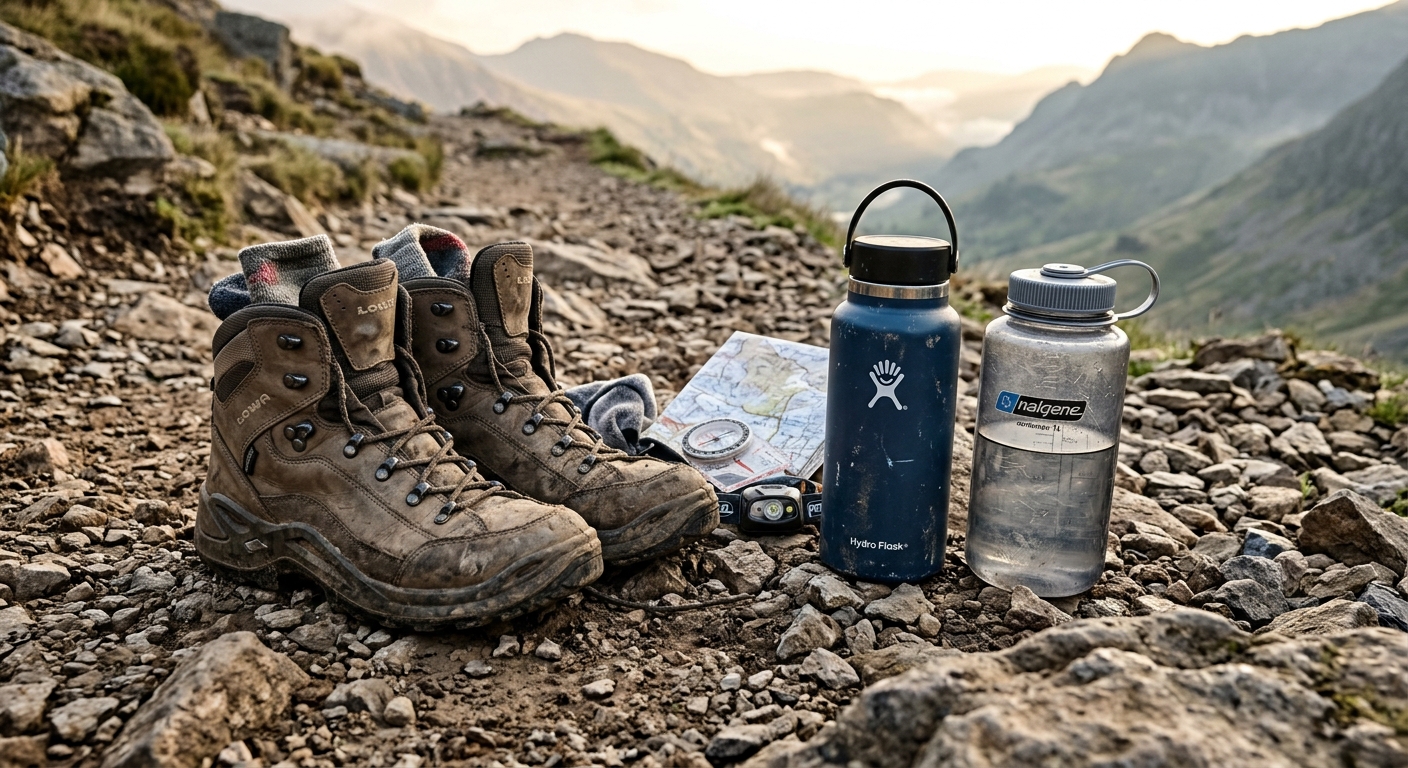
Small backpack (20L max). Water bottles (two 1-liter bottles per person). Energy snacks (glucose biscuits, energy bars, bananas, ORS sachets). Torch with spare batteries. Phone with offline maps (mostly useless, but good for emergencies). Portable charger (10,000mAh lasted us the full route). Band-aids and antiseptic spray. Cap or scarf (for the sunrise stretch). Small towel (for wiping sweat). Cash (₹500-₹1,000 in small notes for offerings, chai, emergencies). ID proof (some checkpoints may ask, though rare).
What we didn’t need: Extra clothes (you won’t change mid-route). Heavy snacks (temples offer free prasad at some stops). Books or entertainment (you won’t have energy to read). Excessive electronics (keep it simple).
What we wished we’d carried: A foldable mat (for sitting during breaks, some stretches have no seating). Lip balm (our lips dried out badly). Salt packets (for muscle cramps — we didn’t cramp, but saw others struggle).
Accommodation Options in Junagadh Before and After Parikrama
Junagadh isn’t a luxury destination, but you’ll find decent budget and mid-range options. We stayed at Hotel Vishala near the bus stand (₹1,200 per night). Clean, basic, hot water, close to the Parikrama starting point. Perfect for what we needed.
If you want more comfort, Hotel Harmony or Hotel Relief Inn are slightly upscale (₹2,000-₹3,000 per night). AC rooms, better beds, good restaurants. Worth it if you’re planning to rest properly after the Parikrama.
For post-Parikrama recovery, we switched to a homestay on the outskirts — Girnar Homestay (₹1,500 per night). Quiet, home-cooked food, friendly hosts who’ve done the Parikrama multiple times and shared tips. Highly recommend if you want a local perspective.
Avoid staying too far from Bhavnath Temple area. The auto rides at midnight are annoying to negotiate, and you want to conserve energy for the walk, not pre-walk logistics.
Cultural and Spiritual Context: What Musafir Couple Observed
We’re not deeply religious, but we respect the spiritual significance of places we visit. Girnar Parikrama is sacred to Jains and Hindus. The mountain is dotted with Jain temples (the famous 10,000-step climb), and the Parikrama is considered a path of purification.
Most pilgrims we met were locals from Gujarat, Rajasthan, and Maharashtra. Families, elderly couples, solo walkers. The energy is devotional — people chant, sing bhajans, walk barefoot despite the rough terrain. Some carry flags, some carry small idols. It’s humbling.
We walked mostly in silence, but around kilometer 15, an elderly couple from Ahmedabad walked with us for a bit. They’d done the Parikrama 18 times. Eighteen. They shared their water, told us stories about their first Parikrama 40 years ago when the route was barely marked. That conversation carried us through the next 5 kilometers.
There’s an unspoken code among Parikrama walkers: help each other. We saw strangers offering water, band-aids, encouragement. A group ahead of us waited for a limping pilgrim to catch up. No one’s competing. Everyone’s just trying to finish.
One moment that stayed with us: around kilometer 28, just as the sun rose, we passed a small temple where a priest was offering free tea and prasad. No asking for donations, no expectations. Just seva (service). We sat, drank tea, thanked him, and moved on. That’s the spirit of Girnar Parikrama — devotion expressed through action, not just words.
Is Girnar Parikrama Worth It? Our Honest Verdict
Yes. But not for the reasons we expected.
We didn’t experience any divine revelation. No dramatic spiritual awakening. What we gained was simpler and maybe more valuable: proof that we could push through discomfort together. Every couple fights about small things — who forgot to pack the charger, who’s walking too slow. Girnar Parikrama forces you past that. You’re too tired to fight about nonsense. You either help each other or you don’t finish.
The route itself is tough but manageable. The cost is minimal compared to other travel experiences. The memories are permanent. We still talk about the 4 AM moment when we were both ready to quit, but didn’t, because the other person kept walking.
Would we do it again? Probably not immediately. Once is enough for the experience. But we’re glad we did it. It’s one of those things that sounds insane when you’re planning it, brutal when you’re doing it, and somehow meaningful once you’re done.
If you’re a couple looking for something beyond resort weekends and Instagram backdrops, Girnar Parikrama is worth it. Just go prepared, stay humble, and don’t expect it to be romantic. Expect it to be real.
Frequently Asked Questions
Can beginners do Girnar Parikrama without prior trekking experience?
Yes, absolutely. Girnar Parikrama is not a technical trek — it’s a long walk on mostly flat terrain. If you can walk 10 kilometers comfortably, you can complete it with proper pacing and breaks. We saw first-timers, elderly pilgrims, and families with kids finish successfully. Start slow, carry water, and don’t rush.
What is the total cost for two people to complete Girnar Parikrama in 2026?
Based on our actual expenses, budget ₹2,400-₹3,000 for two people including accommodation, food, supplies, and local transport in Junagadh. Add travel costs from your city (we spent ₹3,000 on fuel from Pune). If you’re on a tight budget, you can do it for ₹1,500-₹2,000 by staying in dharamshalas and carrying your own food.
How long does it take to complete the 36-kilometer Girnar Parikrama?
Most couples finish in 10-12 hours. We took 11 hours with breaks. If you’re fit and walking briskly, 8-9 hours is possible. Slower walkers or those taking longer breaks may need 13-14 hours. Start by midnight to finish comfortably before noon the next day.
Is it safe for couples to walk Girnar Parikrama at night?
Yes, the route is generally safe. You’ll see other pilgrims throughout the night, and locals are helpful. Stick to the marked path, stay aware, and avoid isolated shortcuts. We felt safe the entire time. Mobile network is patchy in middle stretches, so inform someone about your plan before starting.
Ready to Walk the Girnar Parikrama? Here’s What to Do Next
If you’re planning Girnar Parikrama in 2026, start preparing now. Book your accommodation in Junagadh at least two weeks in advance, especially if you’re targeting Kartik Purnima. Begin your fitness routine — daily walks, building up to 10-12 kilometers. Break in your walking shoes. Pack light but pack right.
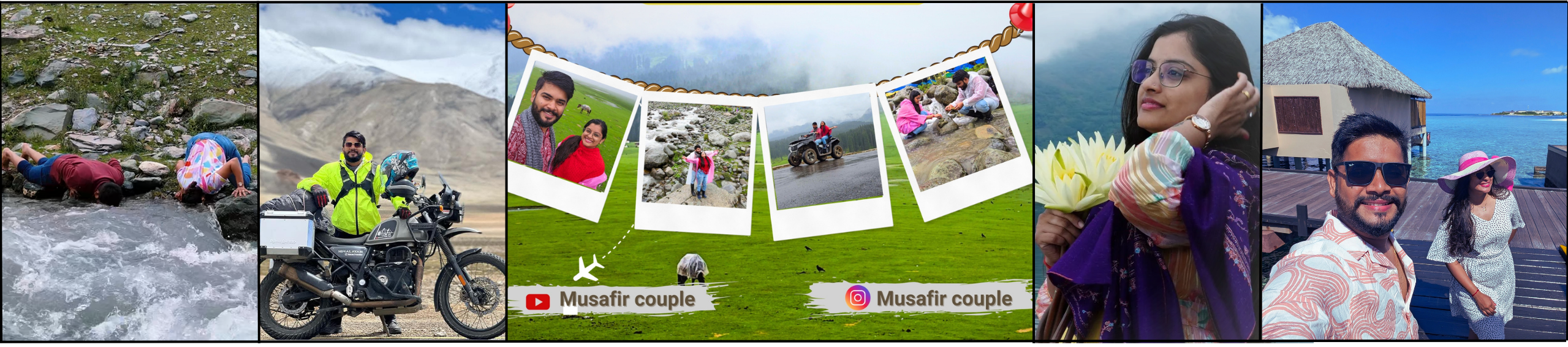
Musafir Couple shares real travel experiences like this because we believe in honest storytelling over glossy highlights. We’ve walked the route, made the mistakes, and figured out what works. If you’re a couple looking for a travel experience that tests you and brings you closer, Girnar Parikrama delivers.
Follow us on our journey as Ketan and Samprita continue exploring spiritual destinations, hidden trails, and offbeat couple travel across India. Connect with Musafir Couple through our vlogs and travel guides — because real travel stories matter more than perfect Instagram feeds.
Meta Title: Girnar Parikrama Guide: Real Costs Routes & Tips 2026
Meta Description: Complete Girnar Parikrama guide with actual costs, route details, and honest couple travel tips from our 2026 journey. Real experience, no fluff.
Primary Keyword: Girnar Parikrama guide
Secondary Keywords: Girnar Parikrama cost breakdown, Girnar trekking route details, couple pilgrimage tips Gujarat, Junagadh spiritual travel 2026