


 by
by Last March, we sat in a tiny dhaba near Somnath Temple, calculating our trip expenses on a napkin. The number was 31% higher than we’d budgeted. Fuel cost more than expected. That “homestay deal” had hidden charges. We’d ordered bottled water at every stop instead of carrying our own. Small things. They added up fast.
That trip taught us something textbook advice never could — budget travel tips aren’t about being cheap. They’re about being intentional with every rupee so you can travel more often, stay longer, and actually enjoy it without checking your bank balance every evening.
We’re Musafir Couple — Ketan and Samprita from Pune — and we’ve spent the last three years traveling across Maharashtra, Gujarat, Karnataka, Kashmir, and even Maldives on budgets that would surprise you. Not because we’re frugal by nature, but because we learned the hard way what works and what’s just internet advice that sounds good but costs you money.
Here’s what actually saves money when you’re planning couple trips, weekend getaways, or longer spiritual journeys in 2026. No fluff. Just what we wish someone had told us before that Somnath trip.
Why Most Budget Travel Tips Miss the Real Money Drains
Everyone talks about booking flights early and choosing hostels over hotels. That’s fine. But the real money disappears in the middle — the unplanned lunch because you skipped breakfast, the cab you took because you didn’t research local transport, the entry fee you paid twice because you didn’t know the combo ticket existed.
We’ve noticed this with every couple we meet on the road. They research accommodations thoroughly but wing everything else. Then they wonder why their 3-day Lonavala trip cost as much as a week in Goa.
Budget travel isn’t one big decision. It’s thirty small ones made right. Miss five of them and your “budget trip” becomes an expensive lesson.

Start With Real Numbers Before You Book Anything
Here’s what we do now that we never did in our first year of travel. We open a Google Sheet before we even choose a destination. Four columns — Must Have, Nice to Have, Can Skip, Total Budget.
Must Have includes fuel (calculated using actual Google Maps distance), toll charges (we check state transport websites), basic accommodation, and one meal per day. Nice to Have covers that lakeside resort upgrade or the guided trek. Can Skip is everything else that sounds tempting but isn’t why we’re going.
The total budget number sits at the top. We don’t exceed it. Sounds boring? Maybe. But this system let us do five trips in 2025 instead of two expensive ones we’d have regretted.
For our Dal Lake Kashmir trip last year, the sheet showed us that skipping one fancy restaurant meal and cooking at our homestay twice saved us ₹3,200 — enough for an entire extra day in Srinagar.
Research shows that travelers who set specific budget categories before booking spend 23% less on average than those who “figure it out as they go.” We believe it. We’ve lived both versions.
Travel Tuesday Through Thursday to Cut Accommodation Costs in Half
This one surprised us. Weekend rates at most homestays and resorts in Maharashtra are 40% to 60% higher than weekday rates. Not sometimes. Always.
We wanted to visit Pawna Lake in January 2025. The same lakefront tent that cost ₹3,500 on Saturday cost ₹1,800 on Wednesday. Same tent. Same view. Same breakfast. Different day.
If you’re working professionals like us, using two leave days mid-week unlocks pricing most weekend travelers never see. A Thursday-to-Sunday trip costs significantly less than Friday-to-Sunday because that Thursday night rate is still weekday pricing.
This applies to spiritual journey destinations too. We visited Girnar on a Tuesday. The hotels near the temple were half-empty and negotiable. Our friends who went the following Saturday paid double and still had to compromise on the room.
Budget travel tips in 2026 must account for dynamic pricing. It’s not just airlines anymore. Every property with an online booking system adjusts rates based on demand.
Pack Your Own Food for Road Trips — Then Actually Eat It
We used to pack snacks and then stop at highway dhabas anyway because the food looked good or we were bored in the car. Dumb? Yes. Common? Extremely.
A highway meal for two averages ₹400 to ₹600. A homemade sandwich, some fruit, and chips cost maybe ₹150 total. On a Pune to Cola Beach road trip, we saved ₹2,100 just by eating the food we’d packed for breakfast and lunch and saving restaurant meals for dinner when we actually wanted the local experience.
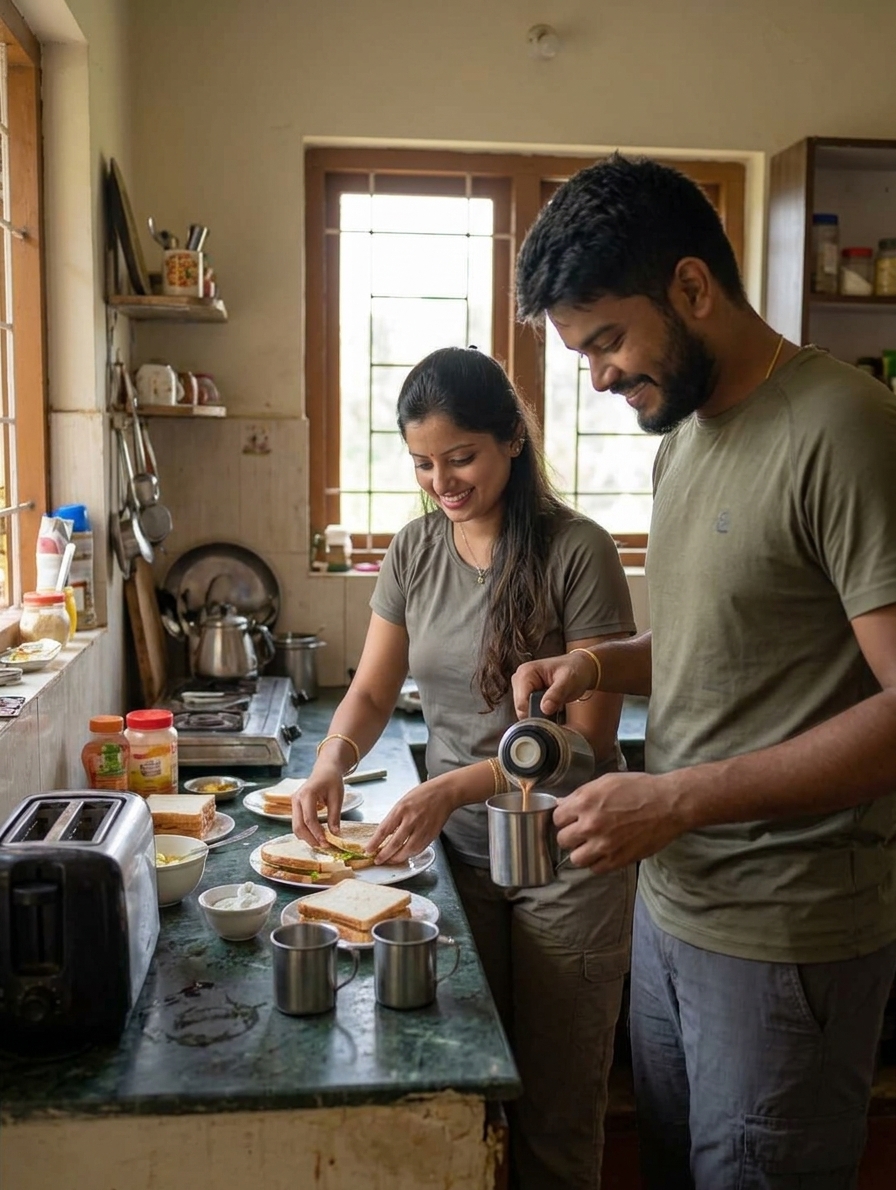
The trick isn’t packing food. It’s committing to eating it. We now pack things we genuinely like eating cold — parathas with pickle, boiled eggs, cucumber slices, namkeen, and always a thermos of chai from home. That last one saves us from “just one chai stop” that turns into breakfast.
Your travel on a budget 2026 strategy should include this non-negotiable rule: if you packed it, eat it before you buy more food. Sounds strict. Saves thousands over a year of travel.
Use Fuel Apps to Find Cheapest Petrol Pumps on Your Route
Petrol prices vary by ₹2 to ₹4 per liter between pumps in the same city. Over a 800-kilometer round trip, that’s ₹160 to ₹320 saved by choosing the right pump.
We use apps like Fuel Buddy and Park+ to check rates before filling up. On our Pune to Somnath road trip, we saved ₹280 by waiting 15 kilometers to reach a slightly cheaper pump. That’s lunch for two.
Budget travel destinations become more accessible when you optimize every variable. Fuel is your single biggest road trip cost after accommodation. Track it, plan it, don’t just fill up wherever you happen to stop.
Also — always fill full tank in Maharashtra before entering Goa or Karnataka. Border state pricing differences are real and add up quickly.
Book Homestays Directly to Skip Platform Commission Charges
Booking platforms charge properties 15% to 25% commission. Many homestay owners will give you that discount if you book directly. We’ve done this seven times in the last year.
Here’s the process. Find the property on a booking platform. Check if they have a website or phone number listed. Call them directly. Say you found them online and ask if they offer a direct booking rate. Most do. Some throw in free breakfast or late checkout because they’re saving the commission.
Our Mulshi farmhouse stay would’ve cost ₹4,000 through the platform. We called the owner, booked directly, paid ₹3,400. Same room. Same dates. ₹600 saved in one phone call.
This is one of those cheap travel hacks that feels slightly awkward the first time but becomes routine fast. Property owners appreciate it. You save money. Everyone wins except the platform that was just acting as an expensive middleman.
Travel in Monsoon and Summer for Lowest Prices Everywhere
Peak season pricing in Maharashtra hill stations is brutal. October to February sees rates jump 50% to 80%. Same property, same room, wildly different price.
We visited Mahabaleshwar in August 2025 during heavy monsoon. The resort was nearly empty. They upgraded our room for free and gave us 35% off the rack rate just to fill occupancy. The rain was heavy, yes. But we weren’t there to trek. We wanted quiet time together, good food, and a valley view. We got all three at a fraction of winter pricing.
Summer works too. Everyone avoids May and June because it’s hot. But if you’re going to Maldives or planning a spiritual journey to Kailash Mansarovar that requires advance booking, doing your research and reservations in peak summer gets you better deals and fewer crowds.
Budget travel tips for 2026 must factor in seasonal pricing. Choose when you travel as carefully as where you go. Timing is leverage.
Negotiate Everything That Isn’t a Fixed Price
This one makes many couples uncomfortable. We get it. But if you’re not asking for a better rate, you’re leaving money on the table that other travelers are pocketing.
Local transport at destinations, guide fees, boat rides, photoshoot charges, even some temple donation amounts — they’re all negotiable. Not aggressively. Politely. But consistently.
At Bedse Caves, the local guide quoted ₹800. We asked if ₹500 works. He said yes immediately. At Salaulim Dam, the boat ride was “₹600 per person.” We asked for a couple rate. Got both seats for ₹900 total.
The worst they can say is no. Usually they don’t. Especially if you’re polite, respectful, and clearly budget-conscious travelers who appreciate their service but need fair pricing.
This applies to longer bookings too. We’ve negotiated rates for 3-night homestay bookings, asked for free parking to be included, requested late checkout at no cost. Sometimes we get a yes. Sometimes partial yes. Rarely a flat no.
How to save money traveling isn’t about being cheap with people. It’s about not accepting the first price offered when flexibility exists. Big difference.
Choose Destinations Where Your Money Goes Further
Some places drain wallets fast no matter how careful you are. Others let your budget breathe. We’ve learned to pick the second type more often.
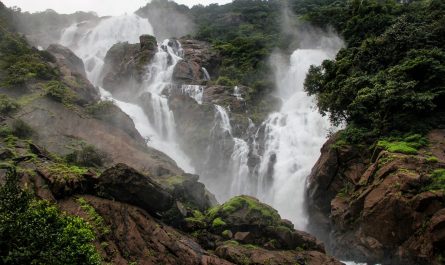
A weekend in Lonavala with resort stays and restaurant meals costs ₹12,000 to ₹18,000 for two people. A weekend exploring hidden waterfalls near Tamhini Ghat with basic homestays and local food costs ₹4,500 to ₹6,000. Both are beautiful. One costs three times more.
Budget travel destinations in 2026 aren’t necessarily far away or unknown. They’re places where infrastructure costs less, food is local and affordable, and activities are free or low-cost. Pawna camping costs ₹1,500 per person. A comparable experience at a Lonavala resort costs ₹4,000.
We’re not saying avoid popular spots. We’re saying balance your travel calendar. Do one Maldives trip and three Maharashtra hidden gems. Your annual travel count goes up. Your per-trip costs go down. You see more, stress less.
Use Credit Card Reward Points for Fuel and Tolls
If you’re paying fuel and toll charges in cash, you’re missing free money. Most travel credit cards give 2 to 4 reward points per ₹100 spent on fuel. Over a year of road trips, that’s thousands of points.
We use an SBI Card that gives us 4 points per ₹100 on fuel and 2 points on tolls via FASTag. Last year, we redeemed ₹3,800 worth of points for Amazon vouchers that we used to buy travel gear. Essentially free money for spending we’d have done anyway.
This works only if you pay your full credit card bill every month. If you carry a balance and pay interest, ignore this tip. The interest will cost more than the rewards are worth.
But if you’re disciplined with credit, it’s one of those budget travel tips that requires zero extra effort and adds up over time. We earned enough points from our Kashmir trip fuel expenses to cover an entire weekend getaway later.
Cook One Meal Per Day When You Travel
Resort breakfasts cost ₹400 to ₹800 per person. A homestay with a kitchen lets you make eggs, toast, and chai for under ₹100 total. Do this for four days and you’ve saved ₹2,400 to ₹4,800.
We started doing this in 2025 and it changed our travel budget math completely. We’re not suggesting you skip trying local food. We’re saying you don’t need three restaurant meals per day.
Make breakfast at your stay. Enjoy lunch at a local spot everyone recommends. Cook a light dinner or grab something simple. You’re still experiencing the destination’s food culture. You’re just not paying premium resort pricing for toast and omelette.
This works especially well for longer trips. Week-long stays where you cook breakfast and dinner but eat out for lunch feel relaxed and save significant money. Plus you get to shop at local markets, which is its own kind of travel experience.
Our Goa trip in December 2025 lasted seven days. We cooked 11 meals at our homestay. Saved approximately ₹6,300. Used that money to book a sunset cruise we’d thought was out of budget.
Frequently Asked Questions
What are the best budget travel tips for couples in India?
Travel mid-week to avoid weekend pricing surges, book homestays directly to skip commission fees, pack your own food for road trips, and choose destinations where infrastructure costs less. The biggest savings come from advance planning and being intentional about each expense category rather than making impulsive spending decisions on the road.
How can I travel on a budget in 2026 without compromising experience?
Focus your spending on what matters most to you and cut aggressively everywhere else. If sunset boat rides are why you’re visiting, do that and cook your own breakfast. If spiritual journey experiences matter, invest there and skip fancy accommodations. Budget travel isn’t about doing everything cheaper — it’s about doing what matters at full quality and eliminating what doesn’t add real value to your trip.
Which are the cheapest months to travel in India?
Monsoon months from July to September and summer months from April to June offer the lowest accommodation and activity pricing across most Indian destinations. You’ll find 30% to 50% lower rates compared to peak winter season. Weather may be less ideal, but if your priority is maximizing travel frequency over perfect conditions, these months stretch your budget significantly further.
Do budget travel hacks really save significant money?
Yes, but only when you apply multiple strategies consistently rather than trying one or two occasionally. Saving ₹600 on accommodation by booking directly seems small, but combine it with ₹2,100 saved on food, ₹280 on fuel, and ₹1,200 from off-season travel and you’ve reduced a ₹15,000 trip to ₹10,800. That’s 28% savings that let you travel more often or extend trips by extra days. The compound effect of small optimizations is where real budget travel impact happens.
Is it better to book travel in advance or last minute for budget trips?
Advance booking wins for accommodation and any fixed experiences that might sell out. Last-minute sometimes works for flights during sales but rarely for homestays or resorts in popular destinations. The sweet spot is booking accommodation 3-4 weeks ahead to secure good rates while remaining flexible on exact travel dates to take advantage of mid-week pricing. This balanced approach consistently delivers better budget outcomes than extreme advance or last-minute strategies.
Start Planning Your Next Trip With Money Left Over
Budget travel tips only work when you actually use them. Not once. Consistently.
We’ve gone from stressed travelers checking expenses every evening to confident explorers who know exactly what we’re spending and why. That shift didn’t happen because we suddenly made more money. It happened because we learned where money disappears on trips and plugged those leaks systematically.
The Somnath trip that went 31% over budget taught us more than any travel blog ever could. Now our trips come in under budget and we’re traveling six times a year instead of three.
You don’t need a huge income to travel regularly. You need clear priorities, honest numbers, and the discipline to make thirty small smart choices instead of winging it and hoping things work out.
Musafir Couple shares real experiences, actual costs, and honest assessments of every destination we visit because we remember what it felt like to be confused, overspend, and wonder if we were doing it wrong. Follow our journey on YouTube where Ketan and Samprita document unscripted travel with all the confusion, bargaining, and “was it worth it” verdicts that most polished travel content skips. For destination guides, road trip itineraries with real fuel and toll costs, and hidden gems across Maharashtra and beyond, visit Travelheal and Musafir Couple on social platforms. Let’s make 2026 your year of traveling more while spending less — because budget travel isn’t about sacrifice. It’s about being smart enough to do this more often.