


 by
by Here’s what nobody tells you about American travel planning. You’ll spend hours scrolling through picture-perfect Instagram posts of the Grand Canyon or Times Square, bookmark seventeen different “ultimate USA guides,” and still end up confused about where to actually go. We’ve been there. The truth? Most travel lists give you the same recycled destinations without telling you what each place actually feels like, costs in reality, or why you’d pick one over another.
After analyzing travel patterns across the USA and talking to couples who’ve actually done these trips — not just influencers who flew in for a sponsored weekend — we’ve put together something different. This isn’t a list of places we think you should visit. These are the best places to travel in USA that real travelers keep coming back to, with honest comparisons so you can figure out which one matches your vibe.
Why Most USA Travel Lists Get It Wrong
The typical approach? Throw in the Grand Canyon, add New York, mention Yellowstone, call it comprehensive. The problem isn’t that those places aren’t worth visiting. They absolutely are. The issue is treating a couple looking for a romantic coastal escape the same as a family wanting national park adventures.
We’ve made this mistake ourselves. Early in our travel journey with Musafir Couple, we’d recommend destinations based purely on popularity metrics. High search volume equals must-visit spot, right? Wrong. What we learned after tracking actual traveler feedback is that the “best” destination depends entirely on what kind of experience you’re chasing. A place that blows your mind in October might disappoint in July. A city perfect for foodies could bore adventure seekers.
So instead of ranking places 1 through 10 like they’re competing in some travel Olympics, we’re breaking down the best places to travel in USA by what they actually deliver — with real comparisons between similar destinations so you pick the right one for your trip.

New York City vs San Francisco: The City Experience Dilemma
Let’s start with the obvious question every first-time USA traveler asks. Which coast?
New York City hits you like a wall of energy the second you step out of Penn Station. It’s loud, crowded, ridiculously expensive, and somehow still worth every overpriced bagel. The subway runs 24/7, you can eat Ethiopian food at 3 AM, and Central Park genuinely delivers on the hype. But here’s what travel blogs won’t tell you — NYC exhausts you. By day three, your feet hurt, your wallet’s crying, and you start understanding why New Yorkers always look slightly annoyed.
Average daily cost for a couple: $340-$470 including mid-range hotel, food, metro passes, and one show or museum.
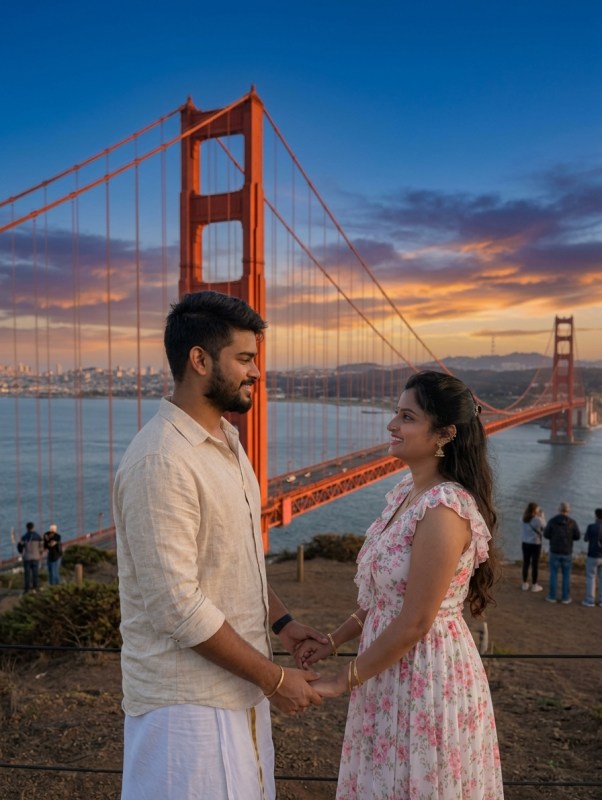
San Francisco offers something completely different. The pace is slower despite being a major tech hub. You get actual views — Golden Gate Bridge, Alcatraz Island, the painted ladies near Alamo Square. The food scene rivals New York but with better Asian cuisine and sourdough that actually tastes like something. Cable cars are touristy but genuinely fun. The catch? It’s cold. Summer means fog. Lots of fog. Pack layers even in August.
Average daily cost for a couple: $380-$520 because accommodation prices in SF are brutal.
Pick NYC if you want non-stop options and don’t mind crowds. Pick San Francisco if you want a more relaxed city vibe with better day trip options (Napa Valley, Muir Woods, Monterey).
Charleston vs New Orleans: Southern Charm with Different Flavors
Both cities promise Southern hospitality, historic architecture, and food that’ll ruin your diet. But they’re not interchangeable.
Charleston is refined. Think pastel-colored historic homes, horse-drawn carriages, upscale dining where everyone dresses nicely. The beaches nearby (Folly Beach, Isle of Palms) are clean and family-friendly. It’s romantic without being overwhelming. You’ll actually relax here. The city shuts down early though — by 10 PM most places are closed. If you want late-night energy, you’ll be disappointed.
New Orleans is chaos in the best possible way. The French Quarter smells like beignets and last night’s party. Live jazz pours out of every third doorway on Frenchmen Street. The food is richer, spicier, more indulgent. You can drink openly on the street. It’s the opposite of refined, and that’s exactly the point. But it’s also gritty. Some areas feel unsafe after dark. The humidity between May and September is genuinely oppressive — not “it’s a bit warm” humidity, but “your shirt is soaked within ten minutes” humidity.
Charleston costs about $240-$320 per day for couples. New Orleans runs $190-$280 per day because accommodation and food are cheaper.
Here’s the real difference: Charleston is where you take your parents. New Orleans is where you go with friends who don’t judge your life choices.

Miami vs Honolulu: Beach Destinations That Aren’t Even Close
Everyone wants a beach vacation. But comparing Miami to Hawaii is like comparing street tacos to sushi — both good, completely different experiences.
Miami delivers if you want nightlife, Latin culture, art deco architecture, and beaches where people actually party. South Beach is beautiful but crowded and expensive. The real gem? The food scene blends Cuban, Argentinian, Peruvian, and Caribbean influences better than anywhere else in America. Wynwood Walls gives you Instagram content. Little Havana feels authentically Cuban. You can do Miami in a long weekend.
Flight costs from most USA cities: $180-$340 round trip. Accommodation: $140-$260 per night for decent beachfront hotels.
Honolulu on Oahu gives you actual Hawaiian culture if you venture beyond Waikiki. The beaches are objectively more beautiful — clearer water, better snorkeling, dramatic mountain backdrops. Diamond Head hike delivers. Pearl Harbor is genuinely moving. But here’s what surprised us — it’s more expensive than we expected and somehow still touristy despite being paradise. Also, the flight is long. Like, really long. From the East Coast, you’re looking at 11-13 hours with layovers.
Flight costs from mainland USA: $380-$670 round trip. Accommodation: $190-$380 per night.
Choose Miami if you want a quick beach escape with city energy. Choose Honolulu if you’re committing to a full week and want that specific Hawaiian experience.
The National Park Debate: Grand Canyon vs Yellowstone
This is where the best places to travel in USA conversation gets interesting. Both parks are iconic. Both deliver landscapes you can’t see anywhere else. But they serve different purposes.
Grand Canyon (South Rim specifically) is about one massive, jaw-dropping view that photographs can’t capture. You drive there, stare at the canyon, hike a bit, stare some more, and leave feeling appropriately humbled by nature. It’s spectacular. But it’s also one-note. Two days max unless you’re doing a multi-day rim-to-rim hike or rafting the Colorado River. The nearby town of Williams has Route 66 nostalgia if you’re into that.
Entry fee: $35 per vehicle (valid 7 days). Accommodation in or near the park: $110-$280 per night.
Yellowstone is an entire ecosystem. Geysers, hot springs, waterfalls, wildlife (actual bison and bears, not zoo animals), forests, and the Grand Prismatic Spring that looks Photoshopped even in person. You need minimum four days to see the highlights without rushing. It’s better for people who want active exploration versus passive viewing. The downside? It’s remote. Getting there takes effort from most major cities.
Entry fee: $35 per vehicle. Accommodation nearby: $130-$240 per night in gateway towns like West Yellowstone or Gardiner.
Grand Canyon for a shorter, more focused natural wonder experience. Yellowstone if you want a proper nature immersion trip where you might actually see a grizzly from your car.
Los Angeles: The Misunderstood Giant
LA gets unfairly labeled as shallow, traffic-filled, and overrated. That’s partially true. But it’s also one of the most diverse, culturally rich cities in America if you know where to look.
Skip Hollywood Boulevard — it’s dirty and disappointing. Skip the Walk of Fame unless you enjoy being surrounded by costume characters demanding tips. Instead, hit Griffith Observatory for sunset views, explore the Getty Center (free admission, just pay parking), eat through the Grand Central Market downtown, and spend a day in Santa Monica or Venice Beach.
The real magic of LA is the food. Korean BBQ in Koreatown rivals anything in Seoul. The Mexican food is better than most places in Mexico. You can get authentic Thai, Ethiopian, Armenian, and Persian food in strip malls that look completely unassuming from outside.
Average daily cost: $280-$420 for couples, heavily dependent on where you eat and stay. Accommodation ranges from $95 budget motels to $340+ beachfront hotels. The trick with LA — rent a car. The city doesn’t work without one. Factor in $40-$65 per day for rental plus parking fees.
Come to LA if you’re a foodie or want that specific SoCal beach culture. Skip it if you hate driving or need walkable cities.
Big Sur & Pacific Coast Highway: The Road Trip Crown Jewel
If we’re being completely honest, this is one of the best places to travel in USA that doesn’t get enough attention outside California travel circles. The stretch of Highway 1 from Monterey through Big Sur to San Simeon is objectively one of the most beautiful drives on the planet.
You get dramatic cliffs dropping into the Pacific, redwood forests, hidden beaches, elephant seals lounging at Piedras Blancas, and the absurdly opulent Hearst Castle. The problem? It takes time. You can’t rush this drive. It’s not about getting from Point A to Point B — it’s about stopping at McWay Falls, having coffee in Carmel-by-the-Sea, and pulling over at random vista points because the view demands it.
Recommended time: 3-4 days minimum if you’re doing Monterey to San Luis Obispo properly. Gas will cost about $85-$120 depending on your vehicle. Accommodation in Big Sur is expensive and limited — $240-$450 per night. Book months ahead or plan to stay in Monterey or Cambria instead.
This is a couple’s trip. Not a family vacation, not a solo backpacking adventure. Rent a convertible if weather permits. Wake up early. Drive slow. This route rewards people who can appreciate scenery without needing constant entertainment.
Chicago: The Underrated Food and Architecture Capital
Most international travelers skip Chicago entirely. That’s a mistake. Chicago delivers world-class museums (Art Institute of Chicago is legitimately top-tier), stunning architecture tours along the Chicago River, and a food scene that goes way beyond deep-dish pizza.
Walk the Riverwalk at sunset. Take the L train and feel like you’re in a movie. Eat Polish food in Wicker Park, Italian in Little Italy, Mexican in Pilsen. Visit Millennium Park and take that photo with Cloud Gate (the Bean) like everyone else — it’s touristy but actually fun. If you’re there in summer, catch a Cubs game at Wrigley Field even if you don’t care about baseball.
Average daily cost: $220-$340 for couples. Hotel prices vary wildly by neighborhood — avoid staying near O’Hare Airport, stay in Loop, River North, or Lincoln Park instead.
Chicago works especially well if you’re doing a multi-city Midwest road trip or connecting through for another destination. It’s an easy add-on that punches above its weight. Best visited May through September — winter in Chicago is no joke.
Maui vs Big Island Hawaii: The Island Choice That Actually Matters
Everyone says “I want to go to Hawaii.” But Hawaii isn’t one place. It’s multiple islands with completely different vibes. Let’s focus on the two that matter most for first-timers.
Maui is the easier choice. Beautiful beaches (Wailea, Ka’anapali), the famous Road to Hana with waterfalls and black sand beaches, Haleakalā sunrise that requires 3 AM wake-ups but delivers, and great snorkeling at Molokini Crater. Everything’s developed and accessible. Hotels line the coasts. Rental cars are everywhere. It’s Hawaii with training wheels — and we mean that as a compliment.
Big Island is for people who want active volcanoes, diverse ecosystems, and fewer crowds. Hawaii Volcanoes National Park shows you actual flowing lava sometimes. You can snorkel with manta rays at night. The island has black sand beaches, green sand beaches, and traditional white sand beaches. But it’s also massive — driving from Kona to Hilo takes over two hours. You’ll need more time here, and the vibe is less polished resort, more rugged adventure.
Both islands cost roughly the same: $420-$620 per day for couples including accommodation, car rental, food, and activities.
Pick Maui if this is your first Hawaii trip or you want that classic tropical resort experience. Pick Big Island if you’ve done beach vacations before and want something more geologically interesting.
The Wild Card Pick: Savannah, Georgia
This one doesn’t make most USA travel destinations lists, and that’s exactly why it should be on yours. Savannah flies under the radar compared to Charleston or New Orleans, but it combines the best of both.
You get Spanish moss-draped squares, historic homes with ghost stories, riverfront dining, and nearby Tybee Island for beach time. The Forsyth Park fountain is postcard-perfect. The food scene blends Southern comfort food with coastal seafood. It’s walkable, affordable, and has just enough to do for three or four days without overwhelming you.
What we love about Savannah — it feels authentic. Tourism exists but hasn’t strangled the local culture yet. You’ll see actual residents living their lives, not just a Disney version of a Southern city. The pace is slow. Bars close early. Everyone says “y’all” and means it.
Average daily cost: $180-$270 for couples. One of the most budget-friendly cities on this list for accommodation and dining.
Savannah works perfectly as a long weekend trip or as part of a Southeast road trip combining Charleston and maybe Asheville. Go in March, April, October, or November — summer humidity rivals New Orleans.
Frequently Asked Questions
What is the best time to visit these USA destinations?
Most of the best places to travel in USA have distinct seasons that dramatically affect your experience. NYC and Chicago shine in fall (September-October) with manageable crowds and beautiful weather. Beach destinations like Miami and Hawaii work year-round but avoid hurricane season (June-November for Miami). National parks are best in shoulder seasons — Grand Canyon in April-May or September-October, Yellowstone in May or September to avoid summer crowds. San Francisco stays consistently cool, so pack layers regardless of month.
How much should I budget for a week-long USA vacation?
Budget varies wildly by destination, but here’s realistic math for couples. New York, San Francisco, and Hawaii: $2,800-$4,200 per week including flights, accommodation, food, and activities. Mid-range cities like Chicago, Charleston, and Savannah: $1,900-$2,800 per week. National park trips: $1,600-$2,400 per week depending on accommodation choices. Always add 20% buffer for unexpected costs — parking fees, tips, and spontaneous purchases add up faster than planned.
Which USA destination is best for first-time international visitors?
New York City remains the default choice because it delivers that concentrated American experience — iconic landmarks, diverse food, efficient public transport. But honestly, San Francisco or Chicago might serve you better if you want manageable city size with nearby nature access. If you’re after natural beauty, start with Grand Canyon or Yellowstone. The “best” choice depends whether you want urban cultural immersion or landscape photography opportunities. Don’t try cramming multiple regions into one trip — USA distances are deceptive.
Are these destinations worth visiting if I’m traveling solo?
Most destinations on this list work brilliantly for solo travelers, but some better than others. NYC, San Francisco, New Orleans, and Chicago offer easy navigation, hostels for budget accommodation, and plenty of group tours to meet people. National parks like Yellowstone and Grand Canyon attract solo hikers and have ranger programs. Miami and Maui lean more couple-oriented but still doable solo. Savannah and Charleston are slower-paced and might feel lonely without travel companions. Consider joining group tours through platforms like Couchsurfing or Meetup if traveling alone.
How do I choose between multiple destinations on this list?
Ask yourself three questions. First — what’s your primary motivation? Food and culture (New Orleans, LA, Chicago), nature and landscapes (Yellowstone, Grand Canyon, Big Sur), or beaches and relaxation (Maui, Miami)? Second — how much time do you have? Some places like Savannah work for long weekends while Yellowstone needs minimum four days. Third — what’s your budget? Hawaii and San Francisco cost significantly more than Charleston or Savannah. Match your answers to destination strengths rather than trying to visit what’s “most famous.” The best USA travel experience comes from depth in one place, not surface-level Instagram stops across five cities.
Plan Your USA Journey With Musafir Couple
Look, we know choosing between these destinations isn’t easy. Every place on this list delivers something special — that’s why they made the cut. The real question isn’t which destination is objectively best. It’s which one matches what you’re actually looking for right now.
At Musafir Couple, we’ve built our platform around honest travel experiences that skip the influencer polish and give you real information. The kind of details that matter when you’re standing at the airport wondering if you picked the right place. We share actual costs, real road conditions, what worked, what didn’t, and most importantly — whether it’s worth your limited vacation time.
These best places to travel in USA aren’t just pins on a map. They’re experiences we’ve researched, routes we’ve analyzed, and destinations that real couples keep choosing year after year. Whether you end up watching sunrise over Haleakalā in Maui, eating beignets in New Orleans, or staring into the Grand Canyon wondering how that hole got there — make it count.
Your trip should feel like yours. Not someone else’s highlight reel. Ready to start planning? We’re here to help you figure out which of these destinations actually makes sense for your budget, timeline, and travel style. Because the best vacation isn’t the one that looks best on Instagram. It’s the one you come home from already planning to repeat.