

 by
by Real vs Instagram: What Honeymoon Destinations Actually Look Like
Samprita spent twenty minutes getting the “perfect” shot at Maldives. Wind messing up her hair. Me holding a reflector (read: our beach towel). A German couple accidentally photobombing three times. When she finally got it, the photo looked effortless — turquoise water, white sand, her looking off into the distance like some contemplative goddess.
That single image took planning, patience, and enough retakes to make a Bollywood director proud. Yet when we posted it, friends assumed we just woke up looking like that with paradise as our backyard. That’s the honeymoon destinations reality nobody talks about — the gap between what you see scrolling through Instagram and what actually happens when you’re there, sweating, negotiating, waiting, and yes, still having an incredible time, just not the way the photos suggest.
We’ve been to the places that flood your feed during engagement season. Maldives, Kashmir, Goa’s “secret” beaches, Kanyakumari, even Kailash Mansarovar. We’ve taken those photos. We’ve also dealt with the parts that get cropped out, filtered away, or simply never mentioned. Here’s what actually happens at popular honeymoon spots, what the photos hide, and how to set expectations that won’t ruin your trip when reality doesn’t match the grid.

The Maldives Water Villa That Costs More Than Your Wedding
Instagram shows endless turquoise, overwater bungalows, breakfast floating to your villa on a wooden tray, and couples in white linen looking peaceful.
Reality check: Maldives is stunning, genuinely one of the most beautiful places we’ve visited. But here’s what doesn’t make the feed. Those water villas? Starting at ₹80,000 per night at decent resorts in 2026. The “floating breakfast” costs an additional ₹5,000 to ₹8,000 and arrives soggy half the time because wind and water don’t care about your aesthetic. You’ll spend most of your time in that villa because leaving the island means expensive excursions — snorkeling trips run ₹12,000 per person, sunset cruises another ₹8,000.
We stayed four nights. Beautiful, unforgettable, but also isolating. By day three, we’d explored every corner of our tiny resort island twice. The Instagram vs reality travel gap hits hardest here because photos can’t convey the sameness — same view, same breakfast spot, same sunset angle. It’s gorgeous, but it’s also repetitive in ways a still image never reveals.
The photos also hide the transfer logistics. You can’t just “arrive” in Maldives. You fly to Male, then take a speedboat (₹15,000 per person round trip, 45 minutes of bouncing over waves) or seaplane (₹35,000 per person, weather dependent, frequently delayed) to your actual resort. Ketan spent our first evening seasick from that speedboat ride. That’s not in anyone’s honeymoon reel.
Worth it? Yes, but only if you’re prepared for a very expensive, very contained experience. If you need variety, exploration, and spontaneous plans, Maldives will frustrate you. If you want pure luxury and are okay with repetition, it delivers.
Kashmir’s Dal Lake: Shikara Rides and Unwanted Salesmen
The shot: Serene shikara floating on glassy water, snow-capped mountains reflected perfectly, you and your partner wrapped in a pashmina, everything peaceful.
What actually happens: Dal Lake is legitimately beautiful, especially at sunrise. But the moment you step into a shikara, vendors in other boats start circling. Selling saffron. Selling pashminas. Selling wooden crafts, jewelry, dried fruits. Every five minutes, a new boat pulls alongside, and the boatman knows them all, which means he’s getting a cut.
We went in March 2025. Gorgeous weather. Stunning views. And an unending sales pitch that turned a romantic float into a floating bazaar. Ketan tried politely refusing. Then firmly refusing. Eventually we just stopped responding, which made it awkward because these guys don’t leave — they row alongside you for ten minutes waiting for you to crack.
The Instagram photos crop out the plastic waste floating near the shore, the commercial houseboats packed close together, and the fact that “sunrise ride” means 5:30 AM wakeup because that’s the only time you get decent light and fewer boats. By 8 AM, Dal Lake is crowded, noisy, and loses most of its magic.
Here’s the fake travel photos honeymoon truth: That serene couple shot required asking our boatman to row away from the main area, finding a quiet corner (which took 25 minutes), and timing it between vendor interruptions. Worth it for the photo? Sure. But the experience was more “managed photo shoot” than “spontaneous romantic moment.”
Still worth visiting? Absolutely. Kashmir is spectacular. Just don’t expect the postcard serenity to last longer than a few stolen minutes.
Goa’s Secret Beaches Aren’t Secret Anymore
Cola Beach. Butterfly Beach. Kakolem. These names show up in every “hidden Goa” list now, always with the same promise: empty sands, no crowds, just you and paradise.
We’ve been to Cola Beach three times since 2023. First time, it genuinely felt hidden — steep path down, maybe twenty people total, beautiful lagoon. By our third visit in late 2025, there were sixty-plus people, two “beach shacks” selling overpriced beer, and someone’s Bluetooth speaker blasting Punjabi remixes.
The honeymoon expectations vs reality problem with Goa’s “secret” spots is that the internet ruined them. Every blog, every reel, every “offbeat Goa” guide lists the same five beaches. They’re not secret. They’re just harder to reach, which filters out families and large groups but does nothing to stop couples exactly like you who read the same blogs.
Butterfly Beach, which you can only reach by boat, now has boats running every thirty minutes during peak season. We counted eleven other couples there on a Wednesday afternoon in January. Beautiful? Yes. Empty? Not even close.
The travel photography truth behind those pristine beach shots: You shoot early morning (before 8 AM) or late afternoon (after 5 PM), and you frame carefully to exclude the other twenty people doing exactly the same thing. Samprita has a beautiful photo from Kakolem Beach that looks like we had the place to ourselves. We didn’t. There were forty-odd people there. She just waited for a gap and shot tight.
Goa’s still great for honeymoons, especially if you rent a scooter and explore. Just don’t expect solitude anywhere the internet has mentioned.
The Spiritual Honeymoon That Tests Your Patience
Somnath Temple, Girnar, Kailash Mansarovar — we’ve done spiritual journeys as part of our travels, and they’re profound in ways beach resorts aren’t. But Instagram’s version of spiritual travel shows quiet meditation, golden hour light on ancient temples, peaceful moments of connection.
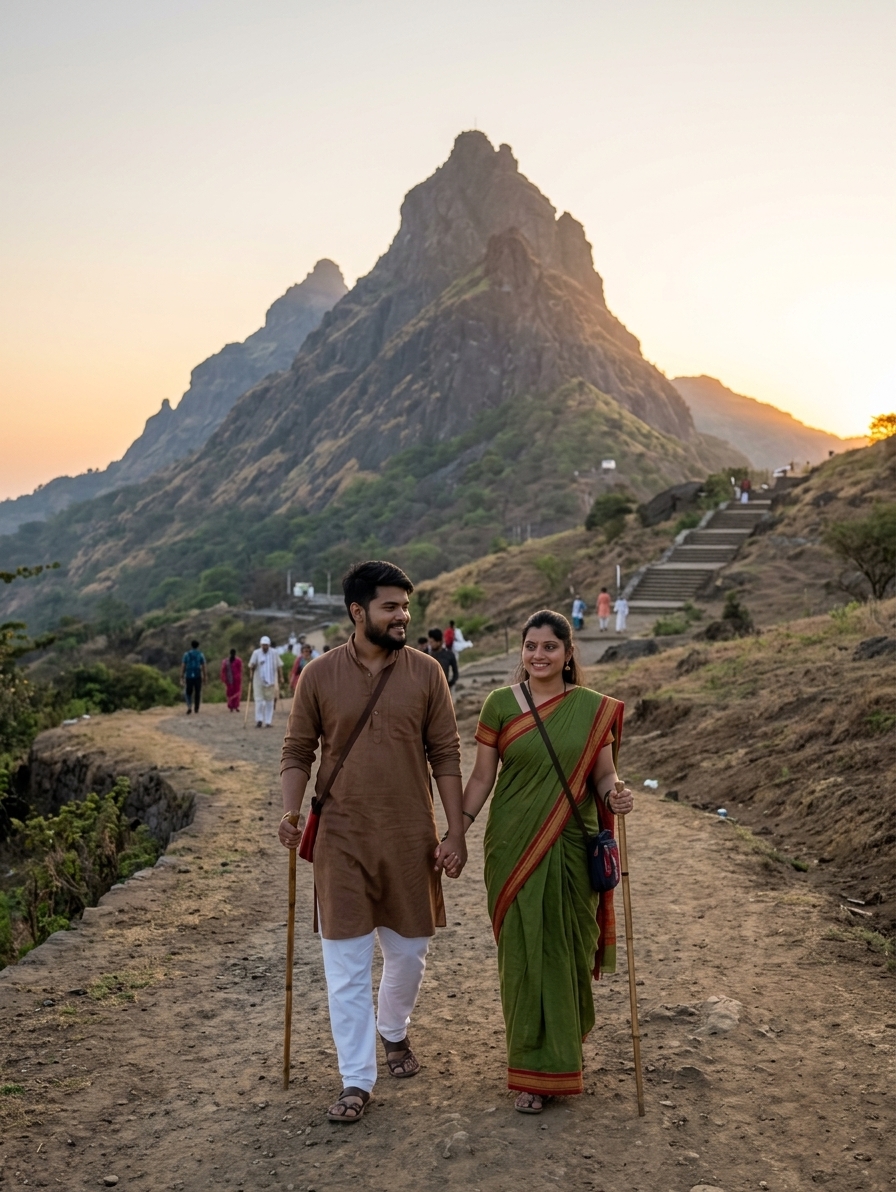
Reality involves crowds, logistics, and physical exhaustion. Girnar has 10,000 steps to the summit. Photos show the temples at the top, glowing in perfect light. They don’t show the four-hour climb, the aggressive monkeys, the exhaustion, or the fact that you’re climbing alongside hundreds of other pilgrims who didn’t make the Instagram cut.
Kailash Mansarovar — probably our most challenging trip — was spiritually transformative. It was also freezing, physically brutal, and required permits, acclimatization, and acceptance that you’ll feel sick, tired, and stretched beyond comfort. The photos Ketan posted show stunning mountain vistas and sacred lakes. They don’t show him throwing up from altitude sickness or the thirteen-hour drive on unpaved roads.
The honeymoon expectations reality check for spiritual destinations: They’re meaningful, but they’re not comfortable. If you want spiritual depth mixed with your honeymoon, prepare for experiences that won’t feel romantic in the moment — but will bond you through shared challenge.
Somnath was easier, but even there, the temple visit meant crowds, security checks, restricted photography, and humid heat. Beautiful, deeply moving, but far from the peaceful temple shots you see online.
Lonavala in Monsoon: Clouds, Crowds, and Traffic
Every monsoon, your feed fills with photos of Lonavala — misty hills, waterfalls, couples in hoodies enjoying chai with a view.
We’re from Pune. Lonavala is our backyard. And yes, monsoon makes it stunning, but the photos lie by omission. That scenic drive? It’s bumper-to-bumper traffic on weekends. The viewpoint where everyone gets that iconic misty shot? Packed with fifty other people jostling for the same angle. The waterfall? Crowded, slippery, and often requires wading through ankle-deep muck to reach.
The travel photography behind scenes truth: We’ve taken gorgeous monsoon shots from Lonavala. Every single one required getting there by 6:30 AM on a weekday to beat crowds and get decent light. Weekend visits mean traffic chaos — what should be a 90-minute drive becomes three hours each way.
The “cozy homestay with a view” photos look peaceful. They don’t show that most Lonavala properties are overbooked during monsoon, service drops, and hot water is hit-or-miss because every room is occupied.
Is Lonavala beautiful in monsoon? Absolutely. Is it the peaceful, uncrowded escape the photos suggest? Not unless you go midweek, early morning, and manage expectations around crowds.
The Overwater Restaurant That’s Over Your Budget
Maldives again, but this applies to many honeymoon destinations. You see photos of couples dining over water, candles everywhere, sun setting dramatically behind them.
That setup costs ₹25,000 to ₹40,000 for two. Minimum. The “private beach dinner” packages at most honeymoon resorts are separate charges, often not included even in expensive packages. And here’s what the photos don’t show: You’re eating at 6 PM sharp because they need the setup for the next couple at 8 PM. The food is often mediocre because the kitchen is focused on volume, not quality. And those candles? Artificially arranged five minutes before you arrive, then removed the moment you leave.
We did one such dinner in Maldives. Beautiful photos, yes. But it felt staged, rushed, and honestly, the regular restaurant served better food. The Instagram version sells romance. The reality is a time-boxed photo op with average food and a hefty bill.
The fake travel photos honeymoon lesson: If you want the shot, budget for it and know you’re paying mostly for the setup. If you want a genuinely memorable meal, you’re often better off at the regular restaurant where the kitchen actually cares about what they’re serving.
The Timing Nobody Tells You About
Here’s a honeymoon destinations reality that almost never makes the posts: Timing matters more than location.
Maldives in May is rainy, humid, and loses much of its appeal. Kashmir in December is freezing and often inaccessible due to snow. Goa in May is unbearably hot. Lonavala outside monsoon is brown and dusty.
We’ve made timing mistakes. Visited Mahabaleshwar in peak summer when it was crowded and hot. Went to Pawna Lake during a dry spell when water levels were low and the “lakeside camping” was actually fifty meters from the water.
The travel photography truth glosses over this because influencers shoot during optimal conditions or edit heavily. But your actual honeymoon happens in real time, real weather, and real crowds. A destination that looks perfect in February can be miserable in June.
Do your research. Ask locals, not just influencers. We’ve learned to check actual weather patterns, not just “best time to visit” blogs that copy each other.
The Photo Poses That Look Natural But Aren’t
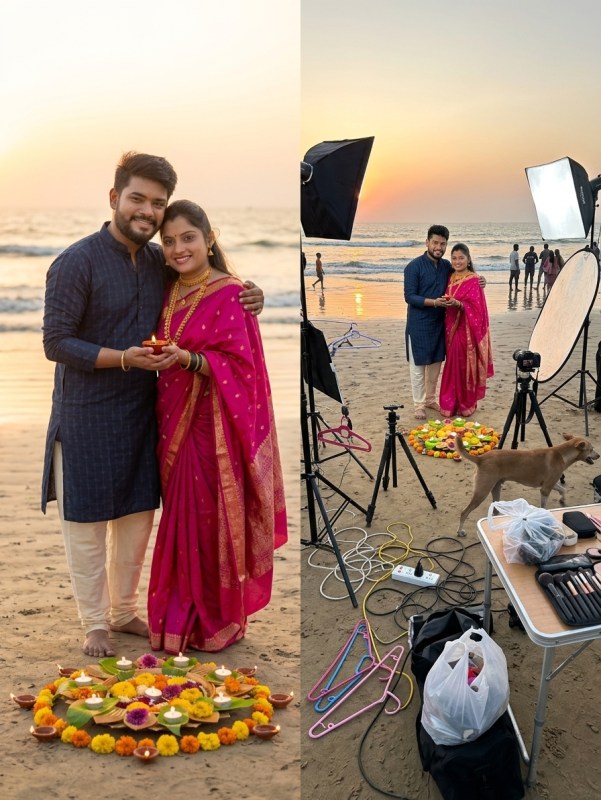
Samprita’s gotten good at “candid” shots. Laughing naturally, looking off into the distance, walking hand-in-hand with perfect hair.
None of it is candid. Each shot is directed. “Walk toward me. Now laugh. No, that looked fake. Laugh again. Turn slightly left. Good, hold that.”
The Instagram vs reality travel gap includes the effort behind every “effortless” couple photo. We’ve spent thirty minutes getting a single usable shot. Other travelers walk by wondering why we’re doing the same walk fifteen times. The photo suggests spontaneity. The process is anything but.
This isn’t dishonest, exactly. It’s just the nature of photography. But it creates false expectations. New honeymooners assume those moments just happen, then feel inadequate when their own photos don’t work out.
Here’s the truth: Every good travel photo involves effort, timing, and usually multiple attempts. If you want nice photos, plan for it. Wake up early, scout locations, be patient. But also know when to put the camera down and actually experience the moment. Some of our best memories have zero photos because we were too busy living it.
The Editing That Changes Everything
Samprita doesn’t heavily edit, but even basic adjustments transform photos. Boosting saturation makes water bluer, skies more dramatic. Increasing exposure hides imperfections. Cropping removes trash bins, other tourists, and anything that breaks the illusion.
We visited Salaulim Dam in Goa — beautiful, quiet spot. The photos look pristine. In reality, there was plastic waste along parts of the shore, construction equipment in the background, and muddy water near the edge. None of that made the final images because we framed carefully and edited lightly.
The fake travel photos honeymoon reality is that everyone does this. It’s not deceptive, it’s just how photography works. But it creates a version of destinations that emphasizes beauty and hides flaws. When you arrive expecting perfection, the flaws hit harder.
Our approach: We post the beautiful shots, but we try to be honest in captions about what didn’t make the frame. It doesn’t get as many likes, but it helps people set realistic expectations.
What Actually Makes a Honeymoon Good
After all these destinations, here’s what we’ve learned: The best honeymoons have little to do with where you go and everything to do with how you approach them.
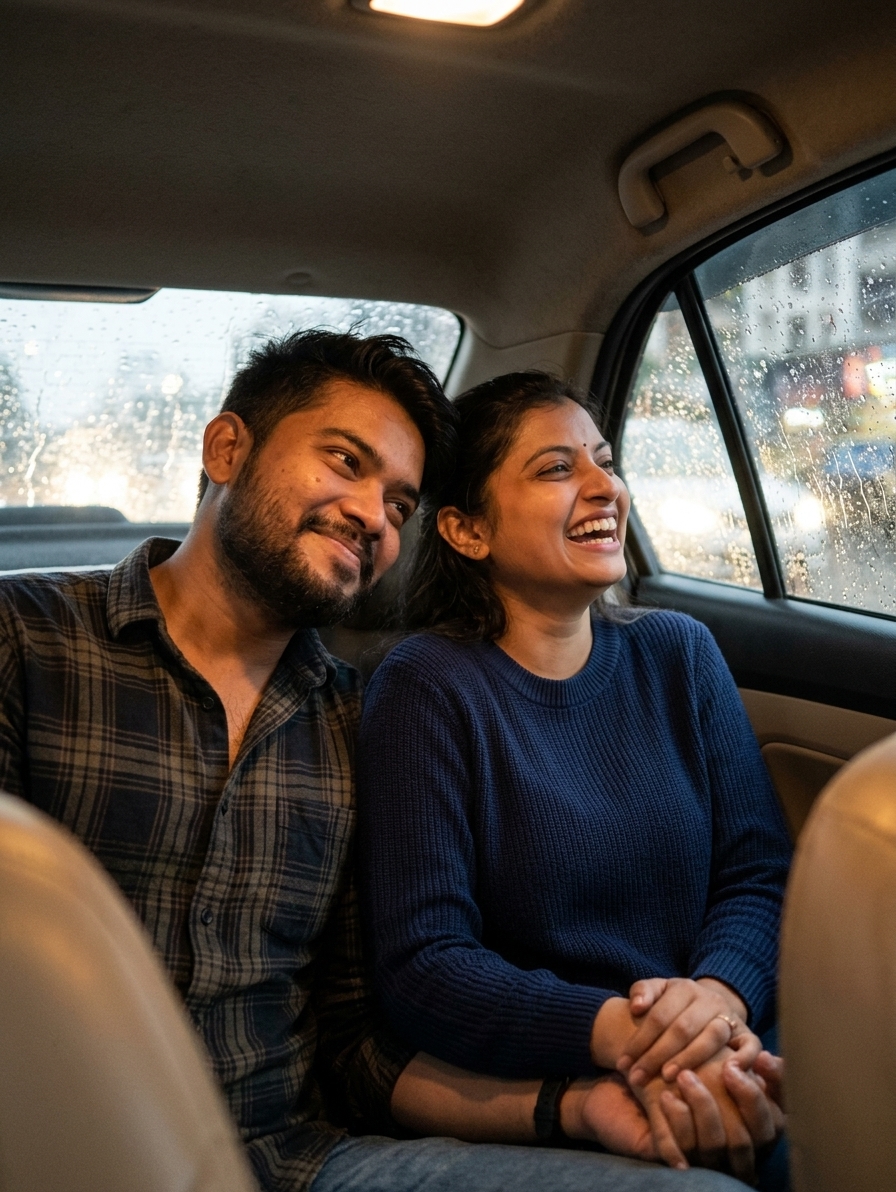
Our favorite moments weren’t the Instagram-famous spots. They were random discoveries. A tiny dhaba near Mulshi serving incredible misal. Getting lost on backroads near Mahabaleshwar and finding an unplanned viewpoint. Sitting in our car during unexpected rain at Pawna, talking for two hours with nowhere to go.
The honeymoon destinations reality that matters: Connection happens in unplanned moments, not posed photos. The more you chase the Instagram version, the more you miss what’s actually in front of you.
Yes, plan some photo ops if that matters to you. But leave space for spontaneity. Talk to locals. Take wrong turns. Eat at places without online reviews. Let the trip surprise you.
The destinations in your feed are real, and they’re beautiful. But they’re also edited, timed, posed, and carefully framed. Your honeymoon will be messier, less photogenic, and if you let it, more meaningful than anything you’ve seen online.
Frequently Asked Questions
Are honeymoon destination photos fake?
Not fake, but selectively presented. Real destinations, real beauty, but captured during optimal conditions with careful framing and editing that removes crowds, trash, bad weather, and imperfections. The places exist as shown, but not consistently.
How can I avoid honeymoon disappointment from Instagram expectations?
Research beyond Instagram. Read detailed blogs, watch full-length vlogs, ask friends who’ve been there recently, and check reviews from the past six months. Understand that photos show peak moments, not average experiences. Budget for realities like transfers, crowds, and timing.
Should I skip popular honeymoon destinations because of crowds?
No. Popular destinations are popular for good reasons — they’re genuinely beautiful. Just adjust timing. Visit during shoulder season, arrive early morning, go midweek, and manage expectations that you won’t have places to yourself.
How much do honeymoon photo setups actually cost?
Private beach dinners run ₹25,000-₹40,000. Professional photo shoots cost ₹15,000-₹50,000 depending on duration and location. “Floating breakfast” in Maldives costs ₹5,000-₹8,000 extra. Decorated rooms with flowers and candles are usually ₹3,000-₹8,000. Most aren’t included in standard packages.
Stop Chasing Photos and Start Creating Memories
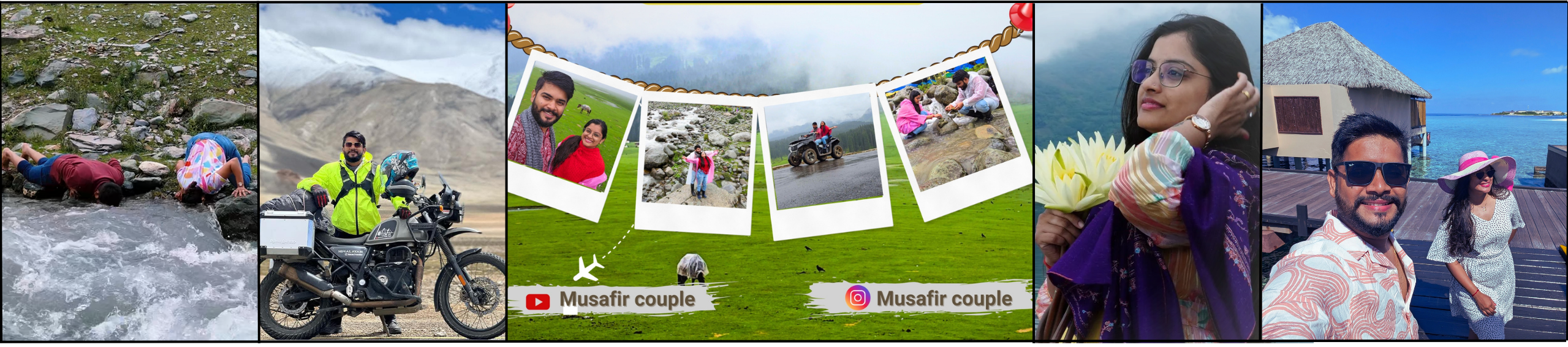
We’re Ketan and Samprita from Musafir Couple, and we’ve chased enough perfect shots to know they’re not what makes travel memorable. The real honeymoon happens between the photos — in conversations during long drives, in laughter when plans fail, in discovering that the “hidden gem” has forty other people but you’re still having fun.
If you want honest travel insights, real costs, and destinations beyond the Instagram filter, follow our journey. We share what actually happens, including the parts that don’t make the grid. Because the honeymoon destinations reality is messier, more expensive, and more rewarding than any photo suggests.
Visit Musafir Couple for unfiltered travel experiences, actual costs, and the kind of advice friends give friends — not influencers give followers. Your honeymoon deserves real information, not just pretty pictures.