

 by
by We’d heard whispers about this dam tucked away in Sanguem for months. A couple we met at Cola Beach mentioned it in passing—”peaceful,” they said, “nothing like the touristy Goa.” So last monsoon, we packed our Nexon at 6 AM and drove from our Pune base down to South Goa specifically to see if Salaulim Dam was worth the hype or just another overpromised Instagram spot.
Spoiler: it’s worth it. But not for the reasons most travel blogs tell you.

What Makes Salaulim Dam Different from Other Goa Spots
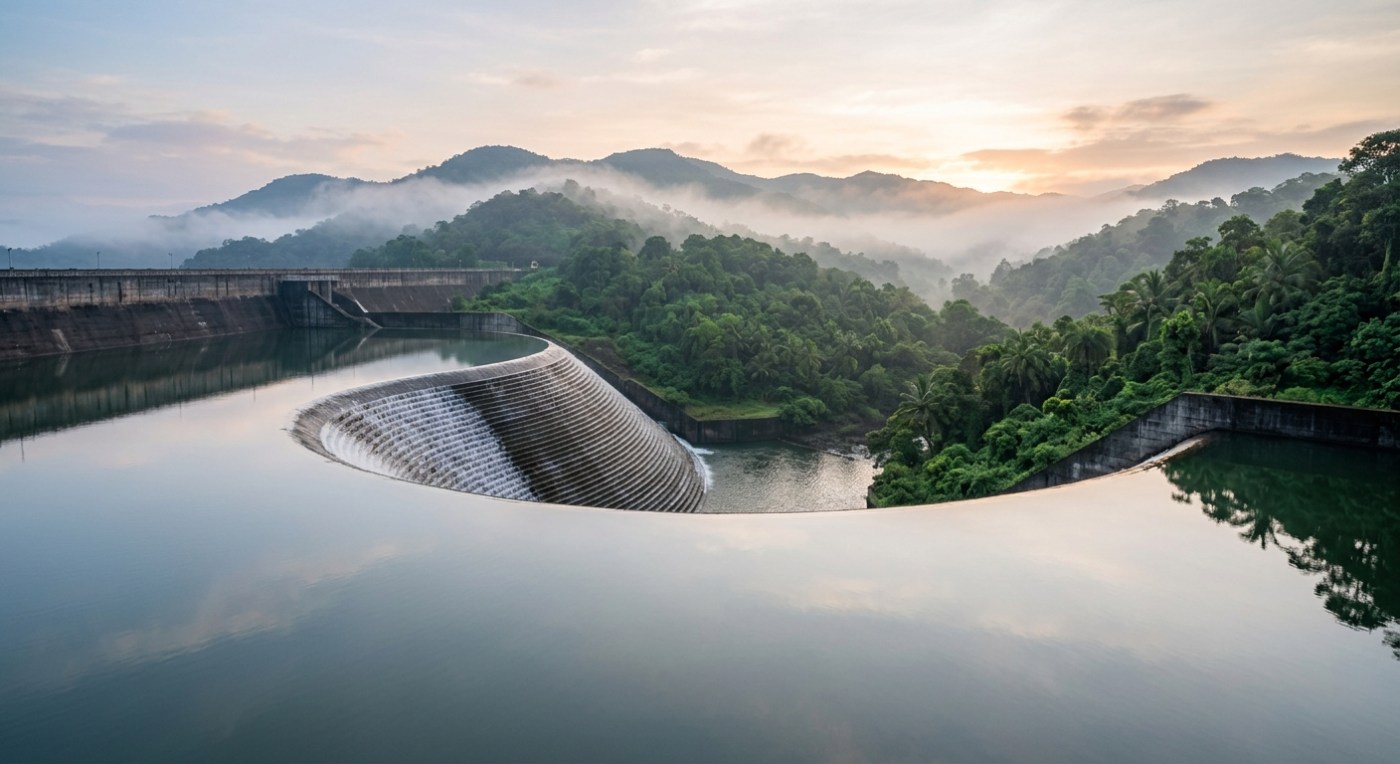
Most people visit Goa for beaches, shacks, and parties. Salaulim sits in Sanguem taluka, about 60 kilometres from Panaji, and doesn’t fit that script at all. It’s Goa’s second-largest reservoir, built across the Salaulim River, and the curved spillway design alone makes it architecturally interesting—something you don’t often say about a dam.
But here’s what surprised us. The drive to reach the dam matters more than the dam itself. Dense forest patches, tiny roadside mandirs, local farms with cattle grazing right by the road, and these small water puddles that form during monsoon. We stopped at least four times just to take it in. No filter needed. No crowd either.
The silence is real. When we first stood at the viewpoint, the only sounds were water trickling over the spillway and birds we couldn’t identify. Ketan tried recording a vlog intro three times because he kept whispering—felt wrong to talk loud there. If you’re tired of Baga’s noise or Anjuna’s crowds, this is the opposite end of the spectrum.
The Real Route to Salaulim Dam (Not the Google Maps One)
Google Maps will take you via NH748. That’s fine. But we tried a different route on our second visit and it’s way better for couples who actually enjoy the journey.
From Panaji, head towards Ponda. Take the Borim-Shiroda road and then cut through Sanguem town. This adds maybe 15 minutes but takes you past local villages where you’ll see actual Goan life—not the tourist version. Old Portuguese-style homes, small bakeries, locals heading to morning mass. One stretch goes through a canopy of trees so thick it blocks sunlight even at noon.
Fuel up in Ponda or Margao. There’s a single pump near Sanguem town but we didn’t risk it. Road conditions are decent—patchy in two or three spots but nothing our hatchback couldn’t handle. Monsoon makes it greener but also muddier. Post-monsoon, between October and February, the roads are cleaner and the reservoir stays full.
Parking at the dam is informal. There’s a clearing near the viewpoint where about 10-12 cars can fit. No fee. No security. Just park, lock, and walk down.
Local Food Stops You Shouldn’t Skip
Here’s where most guides fail you. They’ll tell you to pack snacks because “there’s nothing nearby.” Wrong. There’s not much, but what’s there is worth stopping for.
About 8 kilometres before you reach the dam, there’s a small dhaba-style place near Sanguem town that serves fresh fish curry-rice and chicken cafreal. No signboard, just plastic chairs and a tin roof. We ate there twice. The lady who runs it doesn’t speak much English, but she understood “fish” and “spicy” just fine. Cost us ₹180 for two plates, and it was some of the best Goan home-style food we’ve had outside someone’s actual home.
On the way back, stop at Quepem town. There’s a bakery called Xavier’s that bakes pão and bebinca. The pão is still warm if you go before 11 AM. We bought six for ₹60 and finished them in the car before we even hit the highway.
If you’re driving from Margao side, there’s a toddy shop about 5 kilometres from the dam that serves fried mackerel and sol kadhi. We didn’t try the toddy, but the fish was crispy and the sol kadhi cut through the heat perfectly. ₹120 for a plate.
Avoid carrying packaged snacks if you can. The local food is cheaper, better, and honestly part of the experience. Just carry drinking water—that you won’t find easily once you leave Sanguem town.
Hidden Spots Around Salaulim Dam That Nobody Talks About
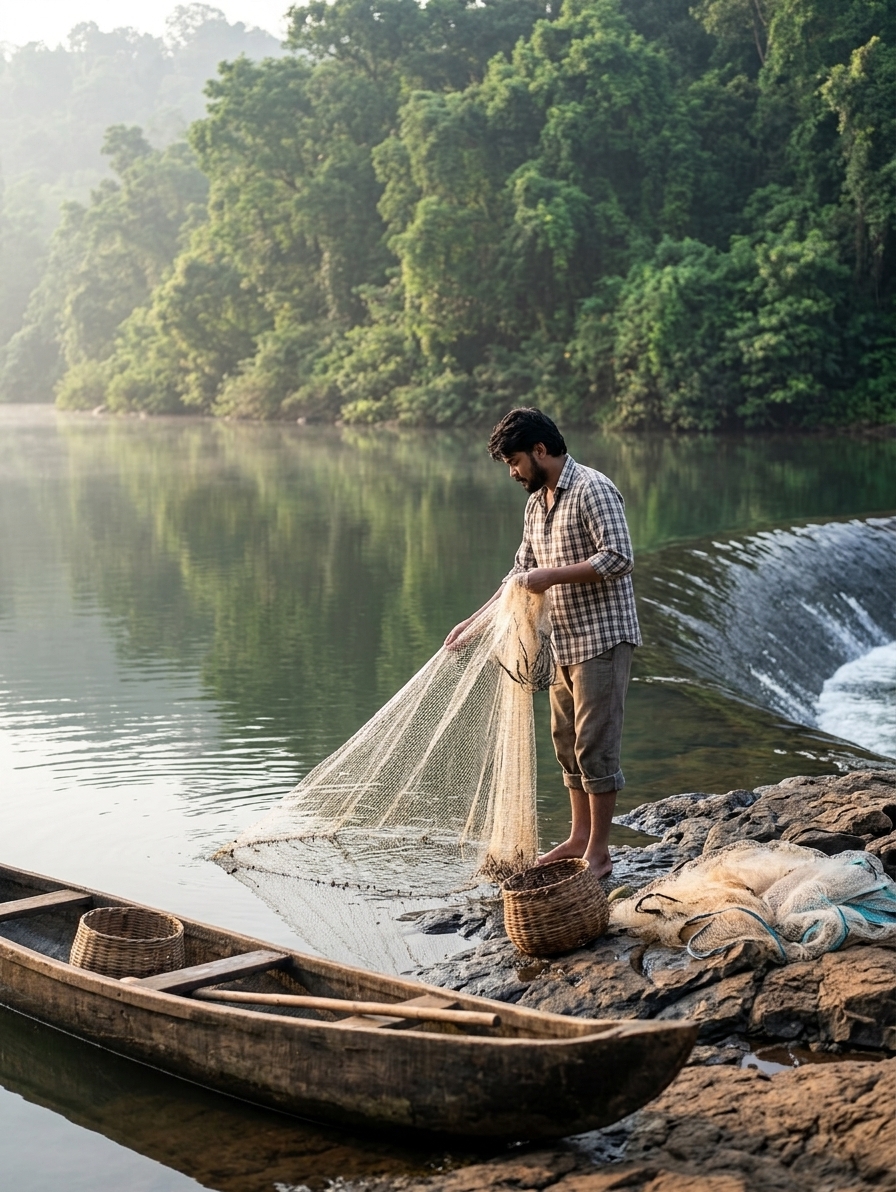
The dam viewpoint is beautiful. But if you walk about 300 metres downstream, there’s a smaller clearing where locals fish. We sat there for an hour and saw exactly two people. The water’s calmer there, and you get a side angle of the spillway that’s actually prettier than the main view.
There’s also a small Hanuman temple about a kilometre from the dam. Nothing grand, just a local structure with a red flag and oil lamps. The priest was friendly, gave us prasad, and told us the dam was built in the 1980s and locals still come here during droughts to pray for rain. That kind of story adds weight to a place.
If you’ve got time, drive another 15 minutes towards Netravali. There’s a bubbling lake there—literally, the water bubbles naturally. We didn’t make it there on our first trip and regretted it. Second time, we did. It’s a bit touristy now but still interesting. Combine both spots if you’re already making the drive.
One mistake we made the first time—we went in the afternoon. Heat, glare, harsh light, and fewer birds. Go early. 7 to 9 AM is perfect. The mist is still lifting, the air is cooler, and you’ll have the place mostly to yourself. By 11 AM, small groups start arriving, and the vibe shifts.
What It Actually Costs to Visit Salaulim Dam
Let’s talk numbers because we track everything.
From Pune, it’s about 480 kilometres one way. Fuel for our Nexon cost roughly ₹3,200 for the round trip (diesel prices in early 2026). If you’re starting from Margao, it’s about 40 kilometres and should cost around ₹200-250 in fuel.
No entry fee at the dam. No parking fee. No guide fee. It’s free. That alone makes it one of the most budget-friendly spots we’ve covered under Musafir Couple.
Food, as mentioned, was about ₹180 for a meal and ₹60 for bakery items. If you stop for sol kadhi and fish fry, add another ₹120. Total food cost for two, around ₹350 to ₹400 for the day if you eat local.
If you’re staying overnight, there are a couple of homestays in Sanguem town. We stayed at one called Green Nest—basic, clean, ₹1,200 per night with breakfast. Don’t expect luxury. Expect a bed, a fan, and a quiet night. That’s it.
So total cost for a day trip from Margao: ₹600 to ₹800 for two people. From Pune (overnight trip): roughly ₹5,000 including fuel, food, and stay. Compare that to a weekend in North Goa and you’ll see the difference.
Our Honest Verdict: Is Salaulim Dam Worth It?
Not for everyone. If you need activities, WiFi, or Instagram-perfect setups, skip it. But if you’re a couple looking to escape for a few hours, sit quietly, eat well, and not spend much, it’s absolutely worth it.
We went twice. That should tell you something. The second time, we didn’t even take photos for the first 30 minutes. Just sat on a rock, shared a thermos of chai we’d carried, and watched the water spill. Samprita said it felt like we’d stolen a few hours from real life. That’s the best way to describe it.
The route, the food, the silence, the lack of commercialisation—it all adds up to something rare. Most of Goa is selling you a version of itself. Salaulim just exists. You either vibe with that or you don’t.
One thing we learned: don’t over-plan it. Don’t build it up as this grand destination. Treat it as a Sunday drive with a beautiful endpoint. Stop where you feel like stopping. Eat where it smells good. Talk to locals if they’re willing. The dam is the excuse. The experience is everything in between.
If you’re based in Pune like us, or anywhere in Maharashtra, and you’re doing a Goa road trip, add this to your itinerary. Not as the main attraction, but as the break from the main attractions. That’s where it shines.
And if you do go, take the Ponda-Sanguem route. Trust us on that one.
Frequently Asked Questions
Is Salaulim Dam open to tourists throughout the year?
Yes, the dam is accessible year-round. Best time to visit is post-monsoon between October and February when the reservoir is full and weather is pleasant. Monsoon offers lush green surroundings but roads can get slippery.
Can we swim or do water activities at Salaulim Dam?
No official water activities are allowed. Swimming is not safe due to the dam’s depth and currents, especially near the spillway. Stick to viewing from the designated spots and walking around the area.
Are there accommodation options near Salaulim Dam?
Sanguem town, about 8 kilometres away, has a few basic homestays and budget lodges ranging from ₹800 to ₹1,500 per night. Don’t expect resorts. For better options, stay in Margao or Ponda and make it a day trip.
What’s the best time of day to visit Salaulim Dam?
Early morning between 7 and 9 AM offers the best experience—cooler weather, fewer people, better light for photos, and active birdlife. Avoid afternoons during summer due to harsh heat and glare.
Plan Your Visit with Musafir Couple
We’re Ketan and Samprita, and we’ve road-tripped across most of South Goa hunting for spots like this. Salaulim Dam isn’t flashy. It won’t make your friends jealous. But it’ll give you a few hours of quiet that’s hard to find anywhere else in Goa.
If you’re planning a Goa trip beyond beaches and parties, check out our other South Goa hidden gems on Musafir Couple. We share real routes, actual costs, honest reviews, and the kind of details Google Maps won’t tell you. Follow us for more unscripted couple travel stories that skip the filters and show you what’s actually worth your time and money.