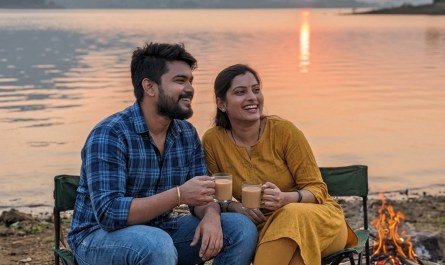


 by
by You’d think after traveling India for years we’d have it all figured out.
We don’t. Not completely. And that’s exactly why this piece exists — not as a lecture from experts who’ve never been fooled, but as honest documentation from two people who’ve been scammed, learned the hard way, and now know what red flags actually look like in the moment.
Samprita and I have documented over 80 destinations across India for Musafir Couple, from spiritual trails in Gujarat to hidden beaches in Goa. Along the way, we’ve encountered inflated bills, fake guides, staged emergencies, and the sort of creative manipulation you’d never expect until it’s happening to you. Some we caught in time. Others we paid for, literally.
The thing is, most travel content talks about tourist scams like they’re rare exceptions. They’re not. They’re predictable patterns once you know what to watch for. And they don’t just happen in crowded markets or shady back alleys — they happen at temple gates, resort lobbies, parking lots, and government-registered tourist centers.
This isn’t about blaming anyone or painting destinations as unsafe. It’s about real preparation. We’re sharing what actually happened to us, what we missed, and what you should watch for so your trip doesn’t include an expensive lesson.
Myth 1: Only Foreigners Get Targeted by Tourist Scams
Wrong. Indian travelers get scammed just as often, sometimes more.
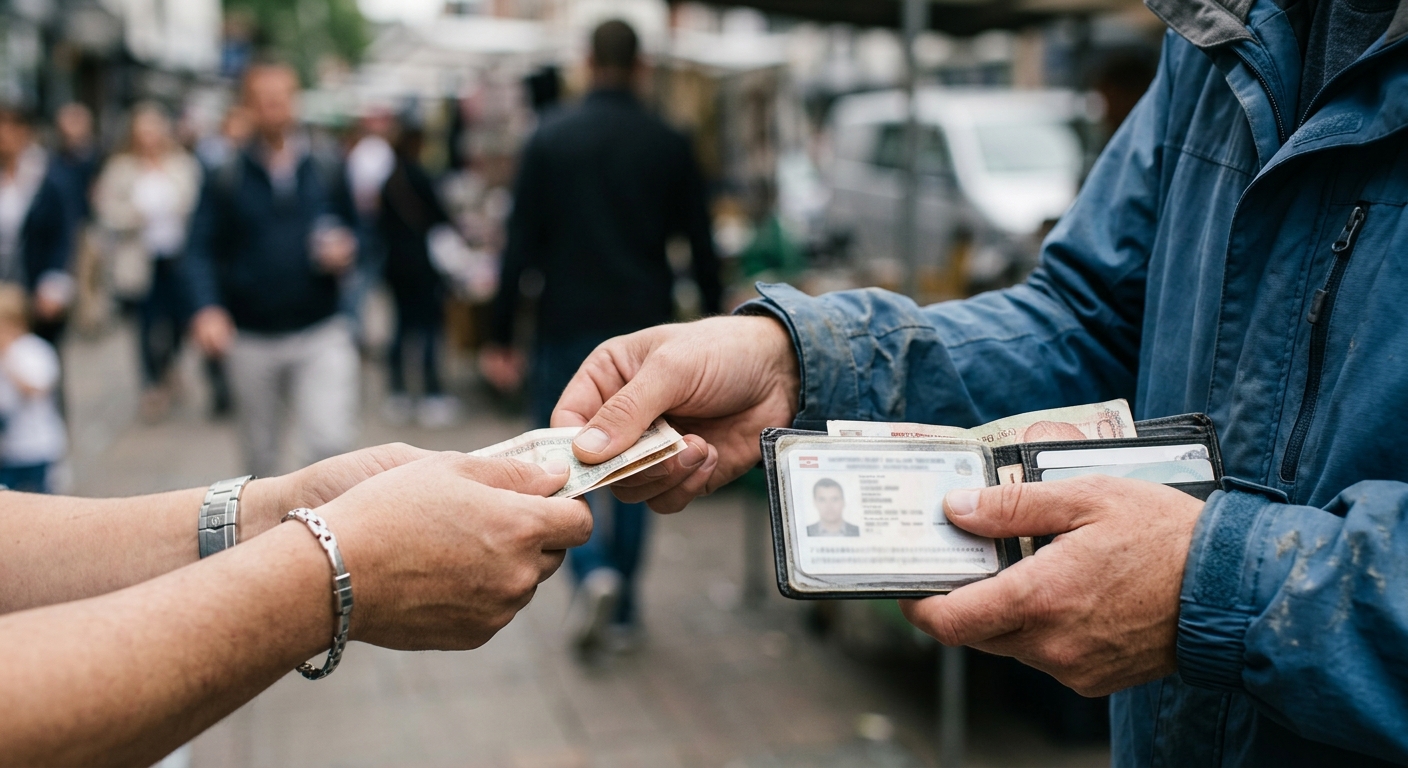
There’s this idea that scammers only go after foreign tourists because they don’t know local languages or pricing. That’s partially true, but incomplete. We’re an Indian couple traveling across India, fluent in Hindi and Marathi, and we’ve still been targeted repeatedly — precisely because scammers assume we’re outsiders to that specific region.
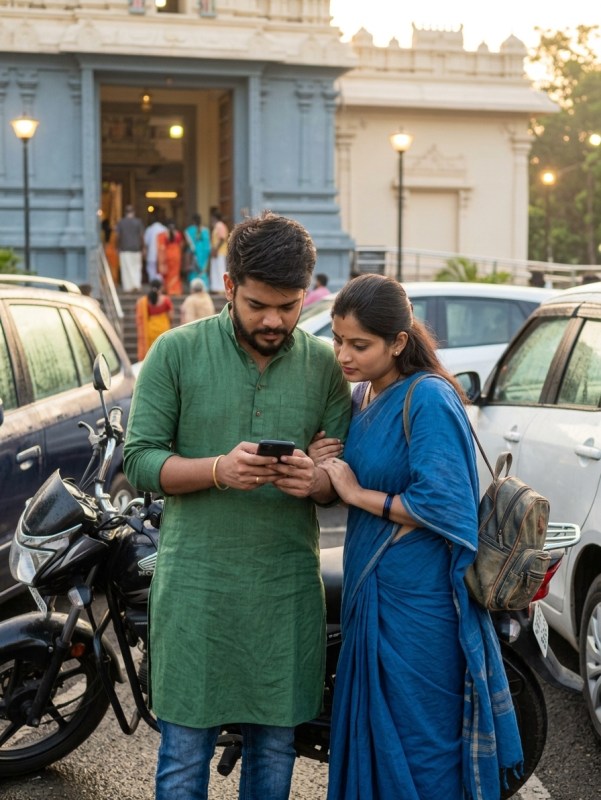
When we visited Somnath Temple in Gujarat, a man in official-looking attire approached us right outside the main gate. He had a laminated ID card, spoke politely, and told us parking wasn’t allowed near the temple after 6 PM. He offered to “help” us park in a safer spot for ₹200. It sounded reasonable. We were tired after a long drive. We agreed.
He walked us three minutes away to an open plot, took the money, and disappeared. Later we found out regular temple parking was free and open until 9 PM. The ID card was fake. The uniform was just a brown shirt. But the confidence? Flawless.
That’s the thing. Scammers don’t just target foreigners. They target anyone who looks like they’re not from that exact town. The moment you step out of your car with a different state number plate, you’re marked. Doesn’t matter if you’re from Pune, Delhi, or Paris.
In Kanyakumari, we saw a local Tamil family get charged ₹500 for a “mandatory” boat ride that wasn’t mandatory at all. The operator assumed they were from another state, and they were. That small assumption turned into a quick con.
So here’s the travel safety tip no one mentions: even if you speak the language, you’re still vulnerable if you don’t know the local pricing, routes, and systems. And scammers know that better than anyone.
Myth 2: Official-Looking People Are Safe to Trust
Not always. Uniforms and IDs mean nothing if you don’t verify them.
At Salaulim Dam near Goa, a man wearing a forest department badge stopped us before we entered the trail. He said entry required a ₹300 per person conservation fee, payable in cash. No counter, no receipt. Just him, a register, and a pen.
It felt wrong. But he had a badge. And the register had other names in it — though looking back, they were probably fake entries. We hesitated, then paid.
Two hours later we met another couple who’d entered the same trail without paying anything. Turns out the “forest officer” was a local who’d bought the badge online and printed a fake register. He’d been running the scam for months.
We felt stupid. But here’s what we learned: real officials almost always have a counter, a receipt book, or a digital payment option. If someone asks for cash directly into their hand with no paperwork, walk away. Or better, ask them to walk you to the official booth.
We’ve used that rule since. At Girnar in Gujarat, a man in khaki tried the same trick near the ropeway entrance. We asked him where the ticket counter was. He got annoyed and left. That’s your confirmation.
Uniforms are cheap. Fake IDs are easier to make than you think. Confidence sells the lie. But systems — counters, machines, receipts — those are harder to fake. Stick to those.
The Overpriced “Local Guide” Who Isn’t Local at All
This one hits different because it feels helpful at first.
We were exploring Bedse Caves near Lonavala on a weekday afternoon. Quiet spot, barely any crowd. A man approached us near the parking area, introduced himself as a local history teacher, and offered to guide us through the caves for ₹300.
He knew the history. He pointed out carvings, explained the Buddhist architecture, even clicked photos for us. Samprita was impressed. I thought we’d found a gem.
At the end, he casually mentioned he also guides at Karla and Bhaja Caves, and if we visited those next, he could arrange transport and discounted entry. That’s when it clicked. Real locals don’t hustle multiple tourist circuits. Freelance operators do.
Later, a shopkeeper near the caves told us the guy wasn’t from the village at all. He was part of a small network that rotates between heritage sites on weekends and holidays, targeting couples and small groups. The history? Mostly correct, but learned from YouTube and reused.
We’d paid ₹300 for a performance, not local insight. And that stung more than losing money — we thought we were supporting someone from the community.
Here’s the rule we follow now: if you want a genuine local guide, ask at a homestay, a village shop, or the temple priest. Real locals don’t wait at parking lots. And they definitely don’t have business cards.
The Honest-Looking Shopkeeper Who Sells You Fake “Local” Products
You’ll see this everywhere. Hill stations, beaches, spiritual towns — doesn’t matter.
At Mahabaleshwar, we stopped at a small store selling “pure Mahabaleshwar strawberry jam, made locally, no chemicals.” The owner was an older man, spoke softly, and showed us photos of strawberry farms. We bought three bottles for ₹600.
Back in Pune, Samprita checked the label closely. Manufactured in Mumbai. Ingredients included artificial flavor and color. The strawberries? Probably imported pulp.
This scam works because it’s low-stakes. You’re not losing thousands. You’re losing ₹500 or ₹600 on something that feels like a nice memory. And most people don’t check labels until they’re home, when it’s too late to go back.
We’ve since spotted the same pattern in Lonavala (fake chikki), Goa (repackaged spices sold as “Goan masala”), and even Somnath (plastic rudraksha beads sold as “temple-blessed originals”).
The tell? Real local products usually have basic packaging, inconsistent labeling, and are sold at just one or two specific shops, not everywhere. If every store on the main road has the exact same “local specialty” in identical packaging, it’s mass-produced.
Also, real locals don’t mind if you ask where it’s made. Scammers get defensive.
Myth 3: You Can Spot a Scam Because It’ll Feel Sketchy
Most scams don’t feel like scams. That’s the problem.
We’ve been in situations that felt completely normal — polite person, reasonable request, logical explanation — and still walked away ₹500 lighter than we should’ve been.
At Pawna Lake, a parking attendant told us we couldn’t park near the lake because of a local event. He directed us to a “safe paid parking” five minutes away for ₹150. It wasn’t official. It was just an empty plot his friend owned. But the way he said it, with genuine concern, made us believe him.
Another time near Cola Beach in Goa, a fisherman offered to take us to a “secret viewpoint” accessible only by boat. ₹400 for ten minutes. We went. The viewpoint was visible from the road. We could’ve walked.
The point is this: scammers don’t act shady. They act helpful. They solve a problem you didn’t know you had. They give you a reason to trust them before they take your money.
That’s why the usual advice — “trust your gut” — doesn’t always work. Your gut can be wrong when someone is calm, polite, and seemingly just doing their job.
Better advice? Pause. Ask a second person. Check Google Maps. Call the property you’re staying at. Take two minutes to verify before you pay. If it’s legitimate, those two minutes won’t matter. If it’s a scam, they’ll get impatient and leave.
The “Closed for Maintenance” Redirect Scam
This one is common near temples, forts, and heritage sites.
We were heading to a popular resort near Mulshi. About two kilometers before the entrance, a man on a bike flagged us down. He said the road ahead was closed for maintenance and suggested an alternate route. He even offered to lead us there for ₹200.
It felt genuine. We’d seen potholes. Monsoon damage is real in that area. So we followed him.
He took us on a detour that added twenty minutes, then dropped us at a different resort — one that clearly gave him a commission. When we refused to stay there and drove back to the main road, we found it was open all along. No maintenance. No closure.
This scam works because it plays on uncertainty. You’re already on the road, you’re not sure of the exact route, and someone who “lives there” is offering help. Why wouldn’t you trust them?
We now double-check closures on Google Maps, call ahead to the destination, or ask at a petrol pump instead of trusting a random person on the road. Petrol pump staff have no incentive to lie. Commission agents do.

Common Scams at Spiritual Destinations: What We Saw at Somnath and Girnar
Religious tourism comes with its own set of traps. People’s guard is lower. You’re in a devotional mindset. That’s exactly when certain operators strike.
At Somnath Temple, we were approached by a “temple volunteer” who offered to perform a special puja for us. He didn’t ask for a fixed amount, just said “whatever you feel is right.” After the puja, he suggested ₹1,100 as a “standard offering.”
We paid. Later, a local told us anyone can perform that puja on their own for free, and the temple itself offers organized pujas with printed rate cards starting at ₹50.
At Girnar, the ropeway ticket counter had a long queue. A man standing nearby said he could get us tickets faster through a “group booking window” for ₹50 extra per person. We declined, waited fifteen minutes, and got tickets at the regular counter. There was no group window.
Here’s the thing: spiritual destinations attract scammers because tourists don’t want to seem stingy or disrespectful. Scammers use that hesitation as leverage.
If someone offers you a religious service and doesn’t show you a printed rate card, ask for one. If they can’t provide it, walk away. Real temple services have fixed pricing displayed at counters.
Also, genuine priests and volunteers don’t approach you. You approach them.
Myth 4: If You’re Smart and Alert, You Won’t Get Scammed
Even experienced travelers get scammed. It’s not about intelligence.
We’ve been doing this for years. We speak multiple languages. We research every destination. And we’ve still been fooled more than once.
Why? Because scams evolve. A trick that worked in 2024 gets updated for 2026. Scammers watch what travelers are cautious about and adjust their approach.
For example, everyone now knows to avoid taxis without meters. So scammers moved into app-based cabs and started canceling rides until you agree to pay cash at a higher rate.
Everyone now knows fake guides wait at monuments. So scammers started posing as other tourists who “just happen to know a lot” and offer to show you around for free, then ask for money at the end.
The assumption that you’re too smart to fall for it is exactly what makes you vulnerable. You stop checking. You trust your judgment. And that’s when they get you.
What works better: assume everyone offering unsolicited help has a motive. Not necessarily a scam, but a motive. Maybe a commission. Maybe a markup. Maybe just bad advice.
Verify first. Trust second. That’s not cynicism. That’s just smart travel.
What Actually Works: Our Ground Rules After Years on the Road
These aren’t theories. This is what we do now, every trip.
Ask three people, not one. If someone tells you parking costs ₹200, ask two other people before you pay. Scammers rely on you trusting the first voice. Real information stays consistent across sources.
Verify prices on Google or official websites before you arrive. We now check entry fees, parking rates, and guide charges before we reach a destination. That way, if someone quotes us ₹500 for something that should cost ₹100, we know immediately.
Carry smaller notes. Big notes make you a target and also make it harder to walk away from a transaction that doesn’t feel right. With smaller denominations, you control the exact amount and avoid the “no change available” trick.
Don’t accept help you didn’t ask for. If someone offers to carry your bag, find you a parking spot, show you a shortcut, or get you a table faster — stop and think. Did you ask for that help? If not, they probably want something in return.
When in doubt, call your stay. Homestay owners, hotel managers, and resort staff have no reason to mislead you. If someone on the road is telling you something that sounds off, make a quick call and confirm. We’ve done this at least a dozen times, and it’s saved us more than once.
Pay digitally wherever possible. UPI leaves a trail. Cash doesn’t. Scammers hate trails. If someone insists on cash only and refuses digital payment, that’s your red flag right there.
How Musafir Couple Approaches Every New Destination Now
We treat every new place like it’s trying to test us. Not in a paranoid way, but in a prepared way.
Before we leave Pune, we note down official entry fees, parking costs, and timings from verified sources. We screenshot Google Maps routes. We read recent reviews on lesser-known spots, not just the top-rated ones, because that’s where honest warnings show up.
On the ground, we ask locals who have no reason to benefit from our choices — shopkeepers not selling tourist items, tea stall owners, temple staff who aren’t guides. Their answers tend to be honest because they’re not playing the commission game.
And we share everything we learn. That’s part of why Musafir Couple exists. Not to show you picture-perfect reels, but to tell you what actually happened — including the uncomfortable parts, the money we lost, and the mistakes we won’t repeat.
If this article saves you even ₹500 on your next trip, it’s done its job.
Frequently Asked Questions
What are the most common tourist scams in India?
Fake guides at monuments, overpriced transport with no meters, staged emergencies asking for help or money, shops selling relabeled products as local specialties, and unofficial “helpers” at parking lots or temples who charge for free services.
How can I avoid getting scammed at religious sites?
Always ask for a printed rate card before agreeing to any puja or offering. Genuine temple services have fixed pricing displayed at official counters. Don’t trust anyone who approaches you first — approach the temple office or counter yourself.
Are app-based cabs safer than local taxis for avoiding scams?
Mostly yes, but not always. Some drivers cancel rides and offer cash deals at inflated rates. Stick to in-app payments, and if a driver insists on cash or asks you to cancel the ride, refuse and book another.
Should I hire local guides at tourist spots?
Only if they’re recommended by your homestay, hotel, or an official tourism counter. Freelance guides waiting at parking lots or gates often aren’t local and work for commissions. Ask where the person is from and how long they’ve lived there. Real locals won’t hesitate to answer.
Don’t Let One Bad Experience Ruin the Journey
Look, we’ve been scammed. More than once. And yeah, it’s frustrating in the moment.
But here’s what we’ve learned after years of traveling across India with Musafir Couple: the scams are predictable, the scammers are not creative, and once you know the patterns, you can spot them from a distance.
That doesn’t mean you’ll avoid every single one. But you’ll avoid most. And the few that slip through? They’ll cost you less, teach you more, and eventually just become stories you share with other travelers over chai.
India is still one of the most incredible places to explore. The food is worth it. The landscapes are worth it. The stories are worth it. You just need to travel with your eyes open and your wallet a little guarded.
If you’ve faced a scam we didn’t cover here, or if you’ve got a trick that’s worked for you on the road, share it. Real travel advice comes from real experiences, and the more we talk about what actually happens out there, the better prepared we all are.
And if you’re planning a trip soon and want to know what to expect at a specific destination — the real costs, the real routes, and yes, the real scams to watch for — follow Musafir Couple. We’ve been there, made the mistakes, and documented it all so you don’t have to.
Because honest travel content isn’t about showing you the highlight reel. It’s about making sure your journey is safe, real, and worth every rupee you spend.