

 by
You’ve probably Googled “best time to visit Mulshi” and found the same answer everywhere: monsoon for greenery, winter for weather. That’s not wrong. But it’s incomplete, and if you’re planning a couple’s trip, it might send you at the worst possible time for what you actually want.
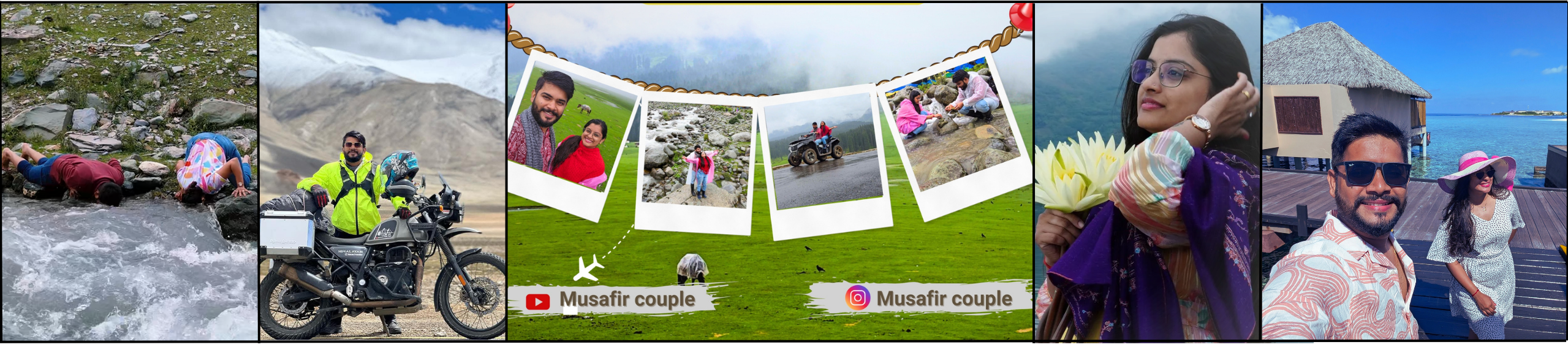
We’re Ketan and Samprita from Musafir Couple, and we’ve visited Mulshi in every season over the past three years. Not for Instagram shots. For real getaways. We’ve dealt with the crowds, the unexpected rain in “winter,” the locked homestays in off-season, and the pricing jumps nobody mentions. This isn’t a textbook guide. It’s what we wish someone had told us before our first trip.
Here’s what this guide actually covers: the real weather patterns month by month, what couples should expect in terms of crowd levels and costs, which months work for different trip types, and the myths everyone believes but shouldn’t.

Myth 1: Monsoon Is the Only Time Mulshi Looks Good
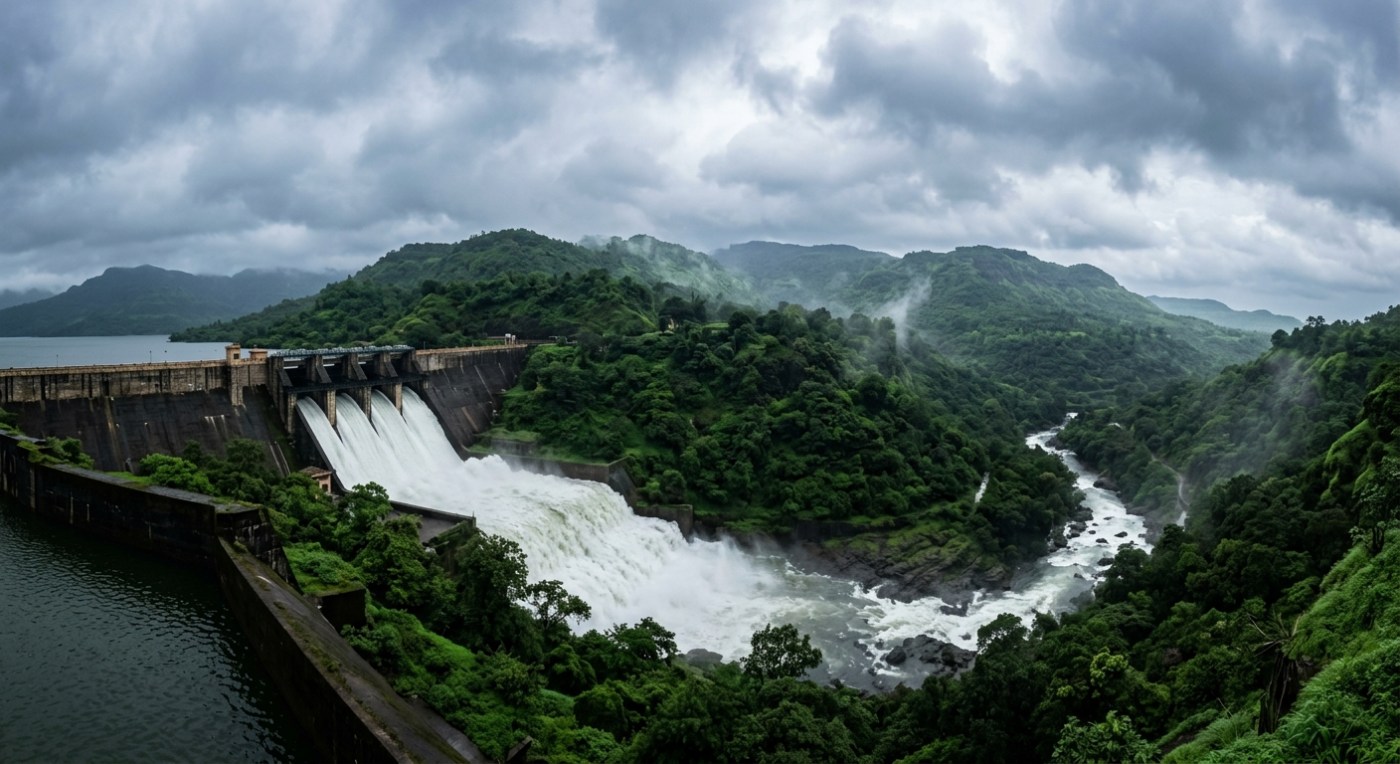
Everyone says monsoon. July to September. Lush green hills, full dam, waterfalls everywhere. True.
But here’s what they don’t say: you can’t do half the things couples want to do. The rain isn’t romantic drizzle. It’s heavy, continuous downpour that locks you indoors for hours. We went in August 2024 thinking we’d enjoy lakeside walks and outdoor meals. We spent two days inside our homestay because the roads turned slippery, the power went out twice, and the property didn’t allow any outdoor seating.
The dam does look stunning when it’s full. The waterfalls are real. But access becomes an issue. Many properties close their lakefront areas because of safety concerns. Some homestays and resorts shut down entirely during peak monsoon because maintenance becomes impossible. We tried booking a farmhouse near Tamhini Ghat in July 2025, and three out of five options on our list were closed till September end.
Mulshi weather by month during monsoon is unpredictable. One year, August was manageable with evening showers. The next year, it rained for 18 hours straight. If you’re okay with that uncertainty, monsoon works. If you want a guaranteed outdoor experience, it doesn’t.
What monsoon does offer: empty roads mid-week, lower weekday rates at some properties, and the kind of green that makes every photo look unreal. Just don’t expect adventure. Expect stillness, indoor time, and a lot of hot chai.
June: Pre-Monsoon Confusion
June isn’t monsoon yet, but it isn’t summer either. It’s hot till mid-month, then rains start appearing randomly. Some days are perfect. Others are humid messes.
We visited a property near Mulshi Dam in early June 2025. The first day was clear and breezy. The second day, it rained from 3 PM till midnight, and the temperature dropped so much we needed blankets we didn’t pack. That’s June. Unpredictable.
Crowds are low. Prices haven’t jumped yet. But you’re gambling on weather. If you’re flexible and can enjoy either sunny or rainy days, June works as a budget option. If you’ve planned specific outdoor activities, skip it.
July to September: Peak Monsoon Reality
This is when Mulshi for couples becomes tricky. Yes, it’s beautiful. But it’s also crowded on weekends, especially near Tamhini Ghat and the dam viewpoints. Pune residents flood the area every Saturday and Sunday. Traffic builds up. Parking becomes a headache. Costs go up by 30 to 40 percent for weekend bookings.
Weekdays are a different story. Empty roads, better rates, and you get the property mostly to yourself. If you can travel Monday to Thursday, this is your window. We paid ₹3,200 for a lakefront cottage on a Wednesday in August. The same place wanted ₹5,500 for Saturday.
Rain is constant but not always heavy. Mornings are often clear. Plan outdoor time before 2 PM. After that, expect rain till evening. Roads are drivable if you’re careful, but avoid shortcuts through village routes. Stick to the main Pirangut-Mulshi road.
One thing nobody mentions: leeches. If you’re walking anywhere green, especially near water, you’ll encounter them. Wear covered shoes, not sandals. We learned this the hardway at a waterfall trek near Lavasa.
Myth 2: Winter Is Perfect Weather, So It’s Always the Best Choice
October to February is called the “best time to visit Mulshi” in every guide. Clear skies, cool weather, no rain. Perfect, right?
Partly. But winter also means peak crowds, peak pricing, and something nobody talks about: Mulshi can get genuinely cold at night, especially in December and January. We stayed at a hilltop property near Panshet in late December 2023, and the temperature dropped to around 12°C after sunset. The property had no room heaters. We slept in hoodies.
Winter isn’t one experience. It’s three different phases, and knowing which month to pick makes all the difference.
October to November: The Actual Sweet Spot
This is our honest answer for the best time to visit Mulshi if you want everything: good weather, greenery still around from monsoon, manageable crowds, and reasonable pricing.
October is transition month. The rains have stopped, but the landscape is still lush. Waterfalls are drying up but still flowing. Mornings are cool, afternoons are warm but not hot, and evenings are breezy. Humidity is low. This is the month we recommend to every couple asking us when to visit Mulshi.
November continues the trend but gets busier. Diwali weekend sees a spike in bookings. Avoid that long weekend if you hate crowds. Go mid-November instead. Weather stays consistent—clear mornings, pleasant afternoons, cool nights. No need for heavy layers, but carry a light jacket for evenings.
Costs are still in control. You’ll pay 10 to 20 percent more than off-season, but nowhere near December rates. A decent homestay that costs ₹2,500 in September will be ₹3,000 to ₹3,200 in November. That same place becomes ₹4,500 in late December.
We did a three-day trip in early November 2024, stayed near Mulshi Lake, and had perfect weather for outdoor breakfasts, sunset walks, and a bonfire without freezing. No rain. No extreme heat. That’s the window.
December to January: Peak Season, Peak Chaos
The Mulshi travel guide crowd loves these months, and tourists follow. December, especially the Christmas-New Year week, is madness. Every property is booked. Rates double. Roads are packed. If you want quiet, this isn’t it.
Weather-wise, it’s cool and dry. Mornings can be foggy near the lake. Afternoons are sunny and pleasant. Evenings get cold, especially at properties on hilltops or near water. Nights need proper blankets or heaters, and not all budget stays provide them.
We tried booking a lakefront cottage for New Year 2025. Three months in advance, most places were full. The ones available wanted ₹7,000 for a place that usually costs ₹3,500. We skipped Mulshi that year and went to Salaulim Dam in Goa instead—less crowded, better value.
If you’re okay with crowds and higher costs, and you want guaranteed dry weather, late December works. But if you’re budget-conscious or want a peaceful trip, go earlier in the season.
February: Transition Back to Heat
February is when winter starts fading. Mornings are still cool, but afternoons get warmer. By late February, it’s borderline hot during the day.
Crowds thin out compared to December-January. Pricing drops slightly. Greenery starts fading, and the landscape takes on a drier, brown tone. It’s still scenic, but not as lush.
This month works if you missed the peak season and still want decent weather. Not the best time to visit Mulshi, but not the worst either. Just don’t expect the green hills you see in photos—that’s monsoon and post-monsoon only.
Myth 3: Summer Is Pointless, So Nobody Should Visit
March to May. Hot, dry, and supposedly dead for tourism. Every guide skips these months or dismisses them in one line.
But here’s the truth: summer Mulshi is empty, cheap, and still usable if you know what you’re doing. We’ve done two summer trips, and while it’s not our first choice, it worked better than expected.
March: Last Comfortable Month Before Real Heat
March is warm but not unbearable. Mornings and evenings are pleasant. Afternoons are hot, but if you’re indoors or under shade, it’s manageable. This is the last month you can comfortably do outdoor activities without sweating through your shirt.
The landscape is dry. Lakes start receding. But the views are still there, and the area is peaceful. Crowds are minimal. Pricing is at its lowest. A property charging ₹4,000 in December will drop to ₹2,200 in March.
We stayed near Panshet in mid-March 2023. Days were warm, but we planned our activities around it—morning walks, indoor time during afternoon, and evening lake visits. Worked perfectly. Costs were low, and we had the property to ourselves.
If you’re on a budget and can handle some heat, March is underrated. Just avoid planning treks or long outdoor sessions between noon and 4 PM.
April to May: Only for Specific Trip Types
Hot. Dry. Empty. These months are tough. Temperatures cross 35°C during the day. The greenery is gone. Lakes and waterfalls are at their lowest. Most people avoid Mulshi entirely.
But there’s a scenario where this works: if you want a super quiet, low-cost retreat and you’re okay staying indoors during peak heat. We know couples who booked private villas with pools in late April, spent mornings and evenings outside, and stayed in AC rooms during the afternoon. Costs were rock bottom—₹2,000 for places that charge ₹5,000 in winter.
This isn’t for sightseeing. It’s for couples who want privacy, low budgets, and don’t care about the landscape. If that’s you, summer Mulshi delivers. If you want the classic experience, skip it.
What Most Guides Won’t Tell You: Weekday vs Weekend Matters More Than Season
Here’s something we learned after multiple trips: the day of the week affects your experience more than the month itself.
A weekend in November can feel more crowded and expensive than a weekday in January. Mulshi is a weekend getaway destination for Pune. That means Saturday and Sunday are always busier and pricier, regardless of season.
If you can travel Monday to Thursday, do it. You’ll save 20 to 40 percent on accommodation. You’ll get better service because properties aren’t juggling ten check-ins. Roads are empty. Restaurants are calmer. The entire vibe changes.
We did a Tuesday-Wednesday trip in January 2024. Same winter season everyone loves, but mid-week. Paid ₹3,000 for a cottage that wanted ₹5,200 for Saturday. Had breakfast by the lake with no other guests around. Drove to Tamhini Ghat with zero traffic. That’s the difference.
Plan around weekdays if your schedule allows it. It changes everything.

Real Costs Breakdown: What to Expect Month by Month
Nobody gives actual numbers. So here’s what we’ve paid and seen across different months.
June to September (Monsoon): Budget homestays ₹2,000 to ₹3,500 weekdays, ₹3,500 to ₹5,500 weekends. Mid-range properties ₹4,000 to ₹6,000 weekdays, ₹6,000 to ₹9,000 weekends. Luxury villas ₹8,000 to ₹15,000 depending on location and amenities.
October to November: Budget stays ₹2,500 to ₹4,000 weekdays, ₹4,000 to ₹6,000 weekends. Mid-range ₹5,000 to ₹7,500 weekdays, ₹7,000 to ₹10,000 weekends.
December to January: Budget options ₹3,500 to ₹5,000 weekdays, ₹5,500 to ₹8,000 weekends. Peak Christmas-New Year period adds another ₹2,000 to ₹3,000 on top. Mid-range properties ₹7,000 to ₹12,000 weekends.
February to May: Budget stays ₹2,000 to ₹3,000 weekdays, ₹3,200 to ₹4,500 weekends. This is when you get the best deals. Some properties offer discounts if you book directly instead of through platforms.
Food costs stay fairly stable. A meal for two at a decent local place is ₹400 to ₹700. Alcohol isn’t sold everywhere, so carry your own if you drink. Petrol from Pune to Mulshi Dam area is around 40 km one way. Budget ₹350 to ₹450 for fuel round trip depending on your vehicle.
Which Month for Which Type of Couple?
Let’s make this practical.
You want lush greenery and don’t mind rain: July to September. Book weekday. Carry rain gear. Accept that you’ll be indoors more than expected.
You want the best overall experience: October to early November. This is the balance of good weather, greenery, and manageable costs. Our top pick.
You want guaranteed dry weather and can handle crowds: Late November to early January. Book two months ahead. Expect to pay more.
You’re on a tight budget: March or late April to May. Costs drop heavily. Just plan around the heat.
You want absolute peace and privacy: Weekdays in June or March. Lowest crowd levels, decent rates, weather is okay if you adjust expectations.
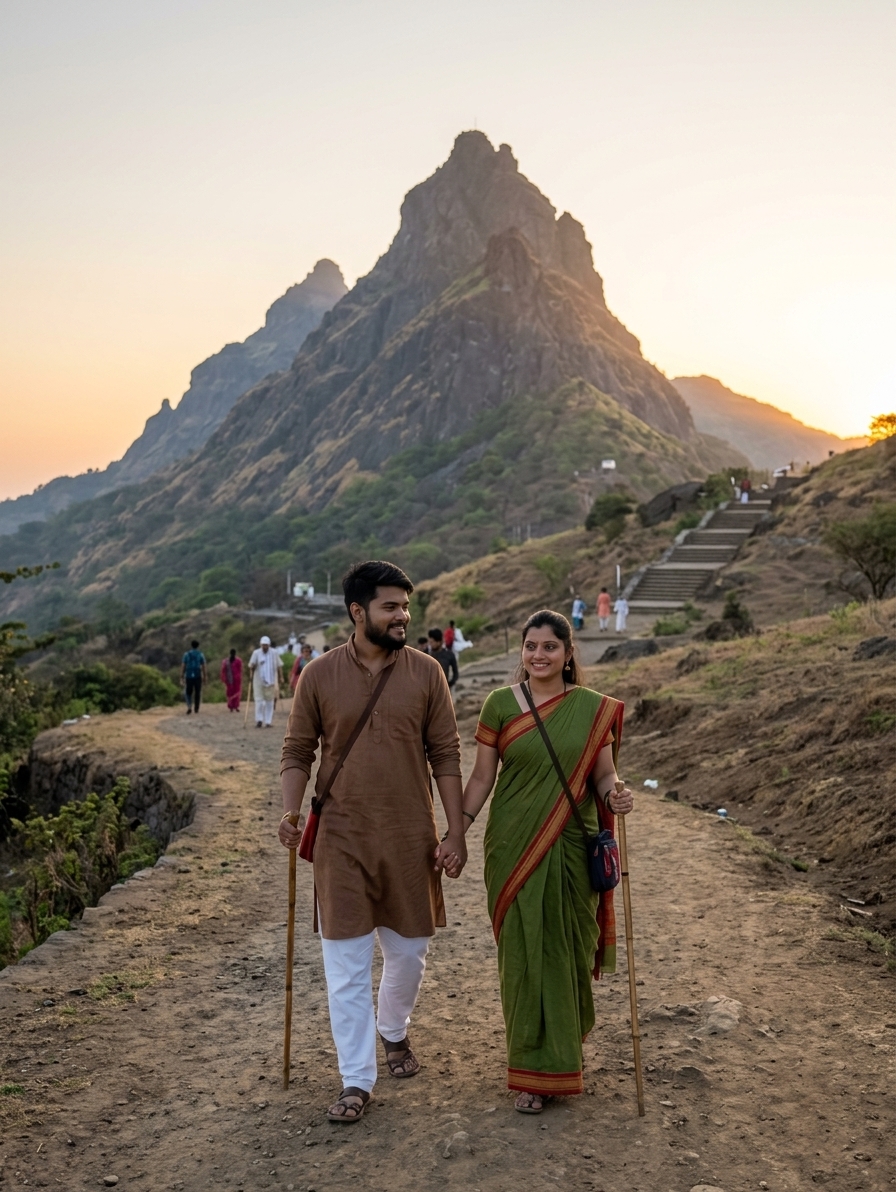
You’re planning something special—anniversary, proposal, celebration: October or November. Weather is reliable, settings are beautiful, and it’s not chaotic like December.
We’ve tried Mulshi in almost every scenario. The best time to visit Mulshi isn’t one month. It’s the month that matches what you’re actually looking for. Most couples pick winter because guides say so, then complain about crowds and costs. Don’t follow the crowd. Follow your priorities.
Frequently Asked Questions
What is the best month to visit Mulshi for couples?
October and November offer the best mix of pleasant weather, post-monsoon greenery, manageable crowds, and reasonable pricing. If you want peace and decent rates, travel on weekdays during these months.
Is Mulshi worth visiting in monsoon?
Yes, if you’re okay with heavy rain, indoor time, and limited outdoor activities. The landscape is stunning, but roads can be tricky, and some properties close. Weekdays in August work better than weekends in July.
How is Mulshi weather by month during winter?
December and January bring cool mornings, pleasant afternoons, and cold nights—sometimes dropping to 12°C. February starts warming up. Winter is dry and clear but also the most crowded and expensive season.
Can couples visit Mulshi in summer?
March is comfortable, but April and May get very hot—above 35°C during the day. Crowds are low, costs are cheap, and if you plan indoor time during afternoons, it can work for budget trips focused on privacy rather than sightseeing.
Plan Your Mulshi Trip Around What Actually Matters
The best time to visit Mulshi isn’t written in stone. It depends on whether you want greenery or dry weather, crowds or solitude, peak experience or peak savings.
We’ve done this trip wrong, right, and everything in between. The biggest lesson: don’t just follow the season everyone recommends. Think about what kind of trip you want, check the month that delivers it, and if possible, go on a weekday. That one change—weekday over weekend—improves every visit, no matter the month.
If you’re still unsure or want specific recommendations based on your travel dates and budget, reach out to us at Musafir Couple. We’ve mapped out Mulshi across every season, and we’re happy to share what worked and what didn’t. Real experiences, honest costs, no fluff—just like this guide.


