

 by
by Let’s talk about what Lonavala actually looks like right now. Not the postcard version you see on Instagram or in old travel brochures. The real one.
We’ve been driving through Lonavala multiple times a year since 2019. First as weekend warriors escaping Pune, then as content creators documenting destinations across Maharashtra. And here’s the uncomfortable truth: Lonavala has changed dramatically. Some of it for better. A lot of it… not so much.
The question isn’t whether Lonavala is beautiful anymore. The hills are still green during monsoon, the viewpoints still offer sweeping valley vistas, and the weather still beats Pune’s heat. The real question is whether it’s worth fighting the traffic, navigating overcrowded spots, and paying inflated prices for what used to be a simple hill station escape.
This isn’t a hate letter. We still visit. But we’ve learned which parts work and which ones to skip entirely. And if you’re planning a trip in 2026, you deserve the unfiltered version before you pack your bags.
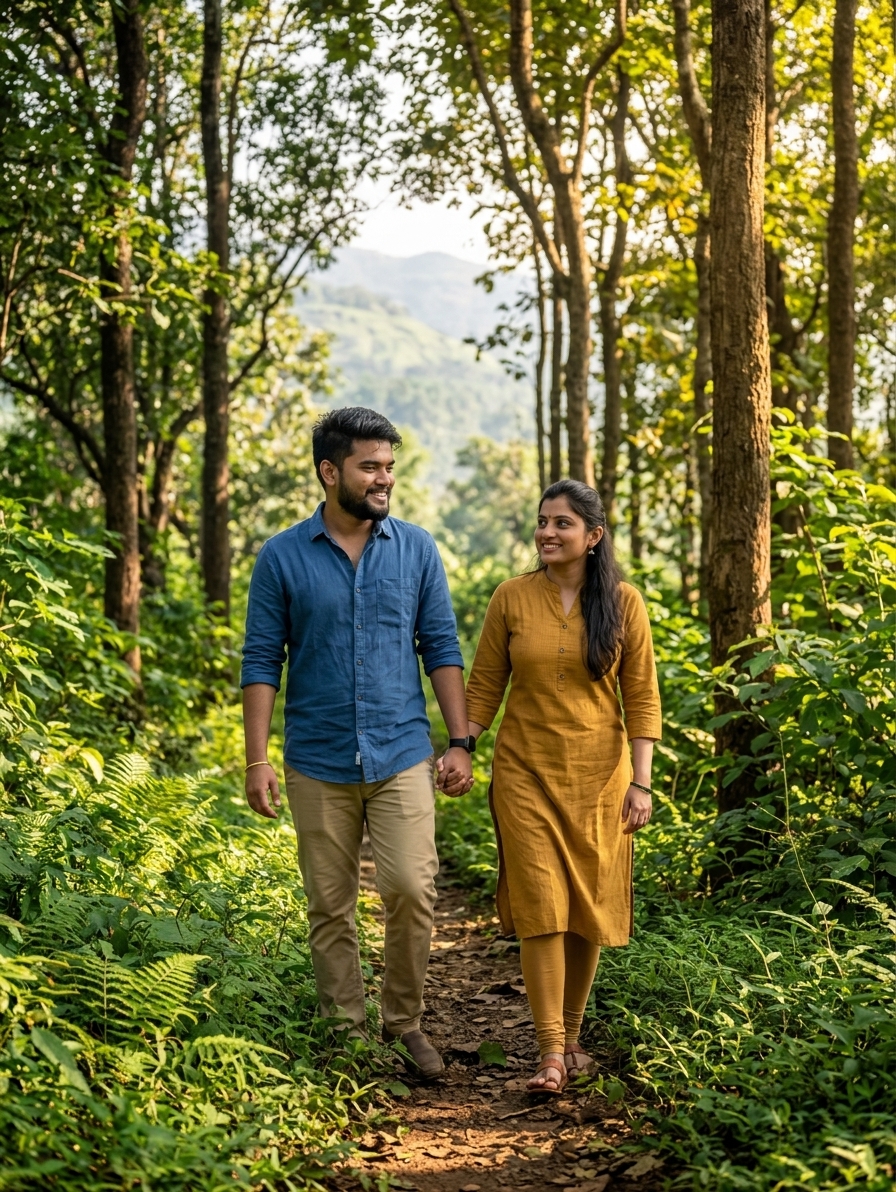
What’s Actually Changed in Lonavala Since 2020
The pandemic did something strange to Lonavala tourism. While the rest of Maharashtra’s tourist spots went quiet in 2020, Lonavala saw a different trajectory. When restrictions eased, city folks desperate for open air descended on the closest hill station they could drive to. And they never really stopped coming.
Weekends now look like miniature festival crowds. The stretch between Khandala and old Lonavala town sees bumper-to-bumper traffic from 9 AM to well past sunset every Saturday and Sunday. Parking has become a competitive sport. What used to take 15 minutes at Tiger’s Leap now eats 45 minutes just finding a spot where your car won’t block someone else.
Real estate exploded. Every other hillside now has a resort sign or a villa project billboard. Some are genuinely well-done properties with lake views and tasteful architecture. Most are not.
Food prices jumped noticeably. A plate of bhajiyas that cost ₹40 in 2019 now goes for ₹80 to ₹100 at popular stalls. Chikki shops have multiplied, but the prices haven’t stayed competitive. The same 500-gram box that was ₹150 is now ₹250 to ₹300 depending on where you stop.
Local infrastructure hasn’t kept pace. Roads inside Lonavala town are still narrow. Footpaths near busy viewpoints remain dangerously inadequate. Public toilets at major spots? Still a nightmare. The boom in visitors wasn’t matched by a boom in civic planning.
But here’s what actually improved: homestay quality, cafe variety, and off-season experiences. More locals opened up well-maintained homestays with honest pricing. Independent cafes serving decent filter coffee and breakfast moved in. And if you visit on a Tuesday in October, you’ll find a version of Lonavala that still justifies the drive.
The Overcrowding Reality Nobody Talks About
Tiger’s Leap, Bhushi Dam, Lion’s Point. These aren’t destinations anymore. They’re Instagram backdrops with queues.
We visited Bhushi Dam on a Sunday in August 2025. The approach road was gridlocked. Families unpacked picnics on the roadside because actual dam access was shoulder-to-shoulder humans. The water, which should be the main attraction, was barely visible through the crowd. We stayed 20 minutes and left.
Lion’s Point during monsoon weekends? Forget parking within 500 meters. Street vendors line every available inch. The actual viewpoint is swamped with groups taking synchronized jumps for reels. The mist and clouds are stunning, yes. But you’ll spend more time managing chaos than enjoying scenery.
This isn’t an exaggeration. It’s the consistent pattern we’ve seen across every weekend visit in the last two years. Weekdays are a completely different story, which we’ll get to. But if your only option is Saturday or Sunday, you need to reset expectations or pick different spots entirely.
The strange part is how localized this overcrowding is. Everyone gravitates to the same five or six places, leaving lesser-known spots almost empty even on peak days. Duke’s Nose trailhead on a Saturday? Packed. But the actual trail 30 minutes in? Quiet. Sunset Point near Khandala? Chaos. The walking trail behind it? You might be alone.
Musafir Couple learned this the hard way. Our first few Lonavala vlogs featured the standard spots because that’s what viewers searched for. But the footage was unusable. Too many people photobombing frames, too much noise, too little of the actual experience we wanted to share. We started scouting alternatives and found a different Lonavala hiding 10 minutes away from the tourist magnets.
Where Lonavala Still Delivers in 2026
Monsoon magic is real. That hasn’t changed. When the rains hit full force in July and August, Lonavala transforms into one of Maharashtra’s most dramatic landscapes. Waterfalls appear on every hillside. The grass turns electric green. Low-hanging clouds roll through valleys in waves. This part? Still worth it.
But timing matters more than ever. Visit between 6 AM and 9 AM on any day, and you’ll experience the Lonavala that old-timers remember. Empty roads, fresh air, viewpoints to yourself. We filmed a sunrise vlog at Khandala in early September 2025. Not a single other car for the first hour. By 10 AM, the crowd arrived. The difference was night and day.
Off-season visits are where Lonavala shines now. November to February, skip the weekends and come on a weekday. The weather is perfect. Cool enough for hoodies, warm enough to sit outside. Tourist spots are accessible again. Homestays drop prices. Local vendors are friendlier because they’re not overwhelmed.
Cafe culture has genuinely improved. Places like Rama Krishna and Cafe 24 offer reliable South Indian breakfast. Golden Vada Pav remains iconic for a reason. Cream Centre still serves quality vegetarian meals. You’re not restricted to roadside bhajiyas anymore, though those are still great when they’re fresh and not mass-produced for crowds.
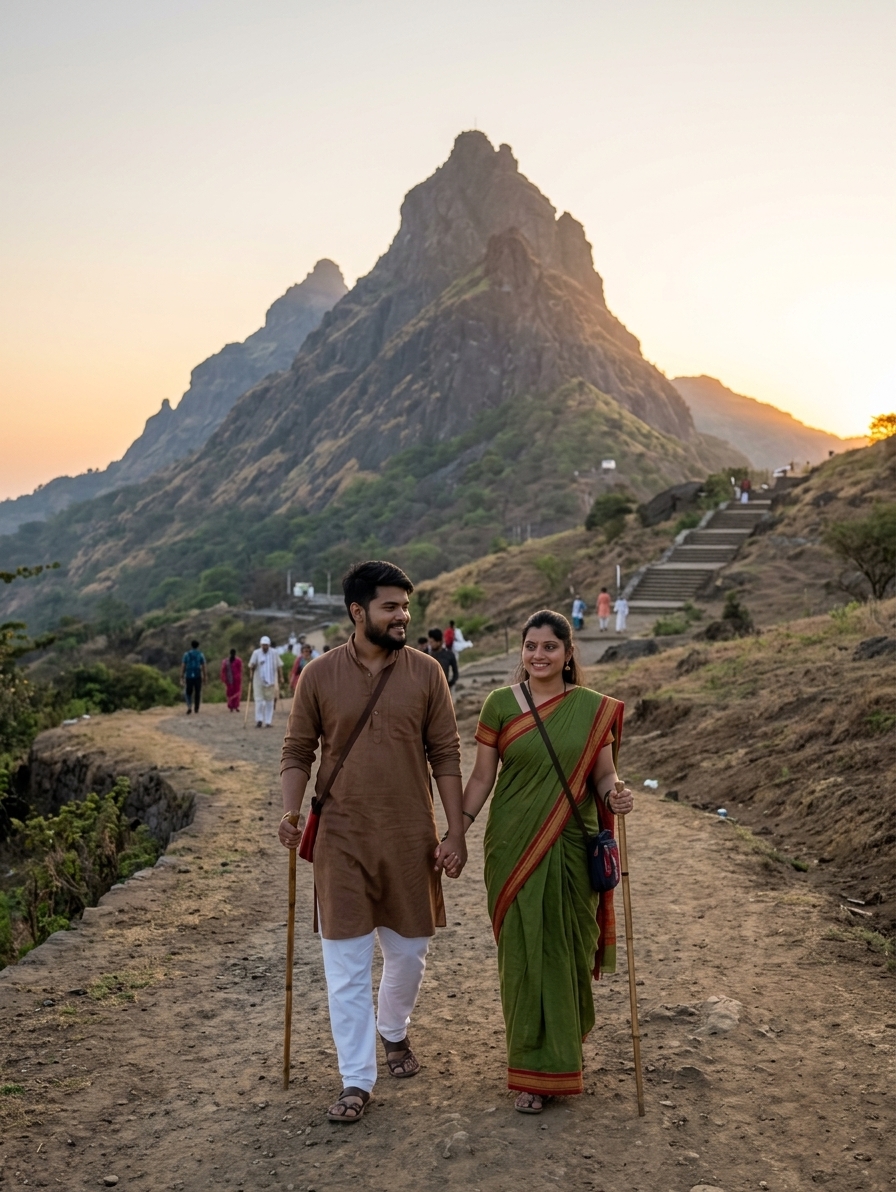
Trekking routes near Lonavala hold up better than the viewpoints. Lohagad Fort, Visapur Fort, Rajmachi. These require effort to reach, which filters out casual visitors. You’ll still see groups, especially during monsoon weekends, but the experience is less about crowds and more about the climb. Ketan and Samprita from Musafir Couple spent a full day on the Rajmachi trail in 2024. Rain-soaked, muddy, exhausting. Also some of the most rewarding content we’ve shot in Maharashtra.
The surrounding area is often better than Lonavala town itself. Kamshet for paragliding. Karla Caves for history. Della Adventure Park if you’re into manufactured thrills. Pawna Lake for camping, though that too has become commercialized. Use Lonavala as a base, not the sole destination.
The Real Costs You’ll Actually Pay
Let’s talk money because online blogs love quoting 2019 prices that don’t exist anymore.
Fuel from Pune to Lonavala and back: Around ₹600 to ₹800 for a hatchback depending on current rates and how much you drive locally. Add another ₹200 if you’re exploring Khandala, Kamshet, and surrounding spots.
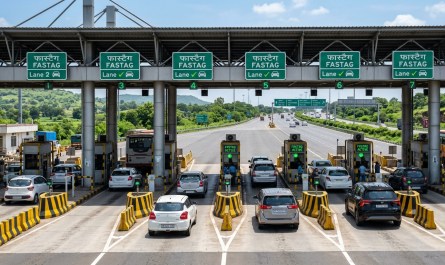
Toll charges on the expressway: ₹110 one way as of late 2025. That’s ₹220 round trip. If you take the old highway to save toll, you’ll spend the savings on time and fuel. Not worth it unless you enjoy slow, winding drives.
Parking at major viewpoints: ₹50 to ₹100 depending on the spot and who’s managing it. Some places are free, but finding space is the bigger cost.
Food for two people: Budget ₹800 to ₹1,200 for a day. Breakfast at a decent cafe runs ₹300 to ₹400. Snacks and chikki add another ₹200 to ₹300. Dinner if you stay over is ₹500 to ₹800 at a mid-range place. Street food is cheaper but inconsistent in quality on weekends when vendors rush to serve volume.
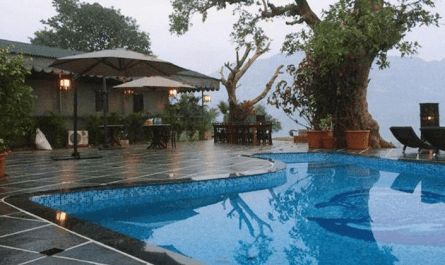
Accommodation for a couple: Homestays range from ₹1,500 to ₹3,500 per night. Resorts start at ₹4,000 and climb quickly to ₹10,000-plus for properties with pools and valley views. Budget hotels in Lonavala town sit around ₹2,000 to ₹2,500 but don’t expect much beyond a clean bed.
Total weekend trip cost for two: Minimum ₹3,500 if you’re frugal and skip accommodation. Closer to ₹8,000 to ₹10,000 if you stay overnight at a decent place and eat well. That’s not backpacker cheap anymore, but it’s still reasonable compared to Goa or Coorg.
The trick is knowing where you’re overpaying. Chikki is one example. Don’t buy at the first shop you see on the highway. Go to Maganlal Chikki or A1 Chikki in town for better quality and slightly lower prices. Skip the roadside corn sellers who charge ₹100 for a single cob. Street parking is free in many areas if you walk a bit further. And homestays booked directly through owners cost less than aggregator platforms.
What Actually Ruins the Lonavala Experience
The relentless commercialization. Every scenic spot now has a guy trying to sell you selfie props, plastic raincoats, or rides on a horse. Waterfalls that should be natural experiences are surrounded by temporary stalls blasting Bollywood music. The serenity that made Lonavala appealing is actively being sold off piece by piece.
Traffic discipline is nonexistent on weekends. People park in the middle of roads to take photos. Honking is continuous. Drivers treat narrow two-lane roads like Formula One circuits. We’ve seen near-misses at Khandala Ghat dozens of times. The drive itself becomes stressful instead of scenic.
Garbage is the ugliest truth. Plastic bottles, food wrappers, disposable plates. Every popular spot is littered despite bins being available. Bhushi Dam after a weekend looks like a landfill. It’s not the locals doing this. It’s visitors treating the place like it’s disposable. This is Maharashtra’s most visited hill station, and it shows in the worst way.
Misleading resort marketing is another frustration. Photos show sprawling properties with manicured lawns and infinity pools. You arrive to find the lawn is a patch of grass and the pool is under maintenance. Reviews help, but many are fake or outdated. We’ve stayed at places in Lonavala that looked premium online and felt like budget lodges in reality.
The scams are minor but annoying. Parking attendants who aren’t official but demand money. Food vendors who quote one price and charge another. Auto drivers who refuse meters and quote ₹300 for a ₹80 ride. None of this is unique to Lonavala, but the sheer volume of tourists has made it worse.
What bothers us most at Musafir Couple is the lost potential. Lonavala could be managed better. Crowd control at viewpoints. Stricter littering enforcement. Better public transport to reduce car dependency. Other hill stations in India have done this. Lonavala hasn’t, and it shows every weekend.

Better Alternatives If Lonavala Feels Too Much
If you’re looking for the vibe Lonavala used to offer, here are places within similar driving distance from Pune that deliver it better right now.
Mulshi is quieter, greener, and less commercialized. The lakeside route is stunning during monsoon. Farmstays here are more authentic and less expensive. It’s 50 kilometers from Pune, same as Lonavala, but feels like a different world. We’ve shot multiple vlogs around Mulshi and never faced the crowd issues that plague Lonavala.
Kamshet works if you’re into paragliding or just want open hillsides without tourist traps. The drive is beautiful, food options are limited but honest, and the area hasn’t been overbuilt yet. Pawna Lake is nearby, though camping there has become a commercial circus. Still better than Bhushi Dam on a Sunday.
Mahabaleshwar is farther but worth the extra hour if you want a hill station experience that’s better organized. Yes, it’s also crowded during peak season, but the infrastructure handles it better. Roads are wider, parking is planned, and there are enough attractions to spread people out. Panchgani nearby is even better for a relaxed vibe.
Karjat offers river scenes, waterfalls, and trekking routes without Lonavala’s chaos. Kondana Caves and Ulhas Valley are beautiful, and you won’t fight for parking. It’s closer to Mumbai than Pune, so the crowd composition is different. Weekdays here are peaceful.
Tamhini Ghat during monsoon is the scenic drive Lonavala wishes it still was. Waterfalls, mist, greenery, and relatively few vehicles. There’s not much infrastructure, which is exactly the point. Pack your own food, drive slow, stop where it’s safe, and enjoy the views without vendors selling pakodas in your face.
The pattern is clear. Lonavala’s fame is its biggest problem right now. Lesser-known spots offer better experiences because they haven’t hit Instagram saturation yet. That’ll change eventually. But in 2026, you have options.
How to Visit Lonavala the Right Way in 2026
If you still want to visit Lonavala, and there are valid reasons to, here’s how to make it work.
Go on weekdays. This is non-negotiable if you want to enjoy yourself. Tuesday through Thursday, Lonavala is manageable again. Even Friday mornings are fine if you start early. Avoid Saturday and Sunday unless you enjoy crowds.
Start early. Leave Pune by 6 AM. You’ll reach Lonavala by 7 AM, which gives you two to three hours of peaceful exploration before the rush starts. Watch sunrise at a viewpoint, have breakfast, and leave by 11 AM. You’ll miss the worst traffic both ways.
Skip the famous spots or visit them strategically. Bhushi Dam and Lion’s Point aren’t worth it on weekends anymore. If you must go, aim for early morning or late evening. Better yet, explore alternatives like Ryewood Park, Tungarli Lake, or the walking trails near Della.
Book homestays in advance and directly. Contact owners on phone instead of using apps. You’ll save money and get more honest information about what the place actually offers. Ask about parking, meal options, and whether they’re on a quiet road or next to a highway.
Pack your own snacks and water. You’ll avoid overpriced vendors and reduce plastic waste. Carry a reusable bottle. Most cafes will refill it for free if you ask.
Use Google Maps timing feature. Check traffic conditions before you start. Weekend afternoons between 3 PM and 8 PM are a nightmare on the expressway. Plan around that.
Don’t expect pristine nature. Lonavala is a commercial hill station now, not a hidden gem. Set your expectations accordingly and you won’t be disappointed.
Combine it with nearby spots. Make Lonavala part of a larger route instead of the sole destination. Stop at Karla Caves on the way. Add Khandala viewpoints. Drive to Kamshet for the afternoon. The area offers more than just Lonavala town.
Ketan and Samprita apply this exact strategy now. We visit Lonavala for specific reasons. A good homestay we’ve tested before. A cafe we want to revisit. A trail that’s genuinely peaceful. We don’t go expecting the perfect hill station anymore. We go knowing it’s flawed but still has pockets worth experiencing.
Our Honest Verdict: Is Lonavala Worth Visiting in 2026?
Depends entirely on what you’re comparing it to and when you go.
Is Lonavala worth visiting on a Saturday in July expecting empty viewpoints and untouched nature? No. You’ll hate it and wonder why you bothered.
Is it worth a Tuesday morning drive in October, breakfast at a quiet cafe, and a walk through less crowded trails before heading back by noon? Yes. Absolutely.
The Lonavala that travel blogs romanticize is mostly gone. The version that exists now requires strategy, timing, and realistic expectations. If you accept that, there’s still value here. The landscape is beautiful. The weather is great six months a year. The proximity to Pune and Mumbai makes it accessible for short breaks. Good food exists if you know where to look. And the quieter spots, when you find them, remind you why Lonavala became famous in the first place.
But it’s not the default weekend getaway it used to be. That crown has moved to lesser-known places that haven’t been Instagrammed to death yet. If you want the classic hill station escape with minimal hassle, Mulshi or Karjat are better bets right now.
Musafir Couple will keep visiting Lonavala. Partly for content, yes. But also because we’ve learned how to navigate it. Where to go, when to go, what to skip. That knowledge makes the difference between a frustrating trip and a pleasant one.
For first-time visitors in 2026, here’s the takeaway: Lonavala isn’t bad. It’s just crowded, commercialized, and overhyped. If you visit with a plan, you’ll find moments worth the drive. If you show up unprepared on a weekend, you’ll leave wondering what the fuss was about.
Plan smart. Visit off-peak. Keep expectations realistic. And you might just enjoy it.
Frequently Asked Questions
Is Lonavala better during monsoon or winter?
Monsoon offers dramatic scenery with waterfalls and greenery, but expect heavy crowds on weekends and slippery roads. Winter, especially November to January, delivers better weather and fewer tourists. If you want the full green landscape, visit monsoon on a weekday. If you want comfort and calm, pick winter.
How much does a weekend trip to Lonavala cost in 2026?
For a couple, expect ₹3,500 to ₹4,500 for a day trip including fuel, toll, food, and parking. An overnight stay adds ₹1,500 to ₹3,500 for accommodation depending on quality. Total weekend budget sits between ₹8,000 and ₹12,000 for a comfortable experience.
Are Lonavala attractions still worth visiting or should I skip the town entirely?
Skip the overcrowded spots like Bhushi Dam on weekends. Focus on lesser-known trails, early morning viewpoints, and cafes instead. Or use Lonavala as a base to explore Karla Caves, Kamshet, and Pawna Lake. The town itself has lost charm, but the surrounding area still delivers.
What’s the best time to visit Lonavala to avoid crowds?
Weekdays, especially Tuesday through Thursday, between November and February. Early mornings any day of the week also work well. Avoid weekends year-round unless you visit in extreme summer when fewer people make the trip.
Plan Your Lonavala Visit with Musafir Couple
We’ve spent years exploring Lonavala’s real side. Not the filtered Instagram version, but the actual roads, the honest costs, the spots that work, and the ones that don’t. If you’re planning a trip and want the unscripted truth about where to stay, what to skip, and how to make the most of your time, our travel guides and vlogs break it down.
Musafir Couple shares detailed itineraries with real expenses, road conditions, and the kind of practical advice you won’t find in generic travel blogs. Because we’re not selling you a fantasy. We’re showing you what actually happens when you visit these places.
Check out our Lonavala travel vlogs for route guides, honest homestay reviews, and hidden spots we’ve discovered. Whether you’re a couple looking for a peaceful escape or just someone tired of overcrowded tourist traps, we’ve tested the options so you don’t have to. Let’s make your Maharashtra travel experience real, not picture-perfect.