



 by
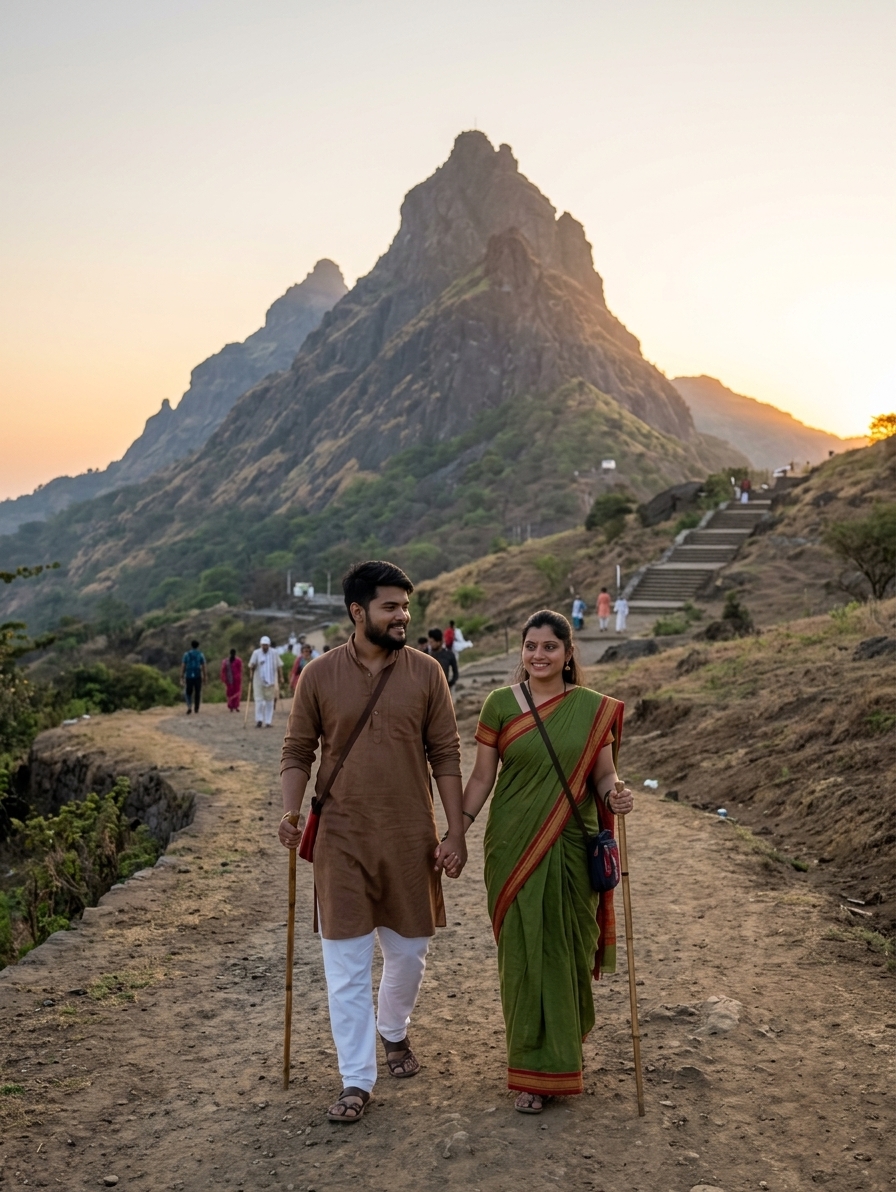
by When we first planned our Pune to Goa road trip, we thought ₹8,000 per person would be enough for four days. We were wrong. Not dramatically wrong, but wrong in the way most people budget road trips—missing the small stuff that adds up fast. Here’s what a Pune to Goa road trip cost actually looks like in 2026, with every toll receipt, fuel pump stop, and parking ticket included.

Myth 1: Fuel Is Your Biggest Expense
Most people assume fuel eats half the budget. It doesn’t.
For the roughly 450-470 km Pune to Goa distance (depending on your route), a decent hatchback or sedan burns about 30-35 litres one way. With petrol hovering around ₹105-110 per litre in 2026, that’s ₹3,300-3,850 for a round trip. Split between two people, you’re looking at ₹1,650-1,925 each just for fuel.
But that’s only about 15-20% of your total travel expenses 2026 if you’re doing a proper 4-5 day trip. Accommodation and food will cost you more. So will tolls if you’re taking the faster highway route.
We’ve done this drive five times now—Ketan and Samprita from Musafir Couple—and the fuel myth is the first thing that trips up first-timers. They budget tight on stays because they think fuel will drain them. Then they end up in sketchy guesthouses or skip good meals because the money’s already allocated wrong.
Here’s what actually happens: fuel is predictable. It’s the tolls, parking, and those “let’s just stop here for 10 minutes” snack breaks that silently inflate your road trip budget breakdown by ₹2,000-3,000.
The Two Routes: Cost vs Scenic Value
You’ve got two main options: the NH48 highway via Belgaum or the old Pune-Satara-Kolhapur-Sawantwadi route through smaller towns and ghats.
NH48 via Belgaum is faster—about 8-9 hours if you drive without long breaks. But faster costs more. The toll charges add up to roughly ₹800-900 one way. Round trip? You’re spending ₹1,600-1,800 just to use the road. Parking at rest stops and Goa hotels adds another ₹200-300 over four days.
The old ghat route via Sawantwadi is slower—10-11 hours minimum—but toll-light. You’ll spend maybe ₹200-300 total in tolls. The problem? It’s exhausting. Beautiful, yes, with stretches through Amboli Ghat that’ll make you pull over just to stare. But those ghats demand focus. After 5-6 hours, it stops being romantic and starts being tiring.
We used to romanticise the ghat route. Then we tried it on a return journey after four days of walking Goa’s beaches and realised we’re not 22 anymore. Now we take NH48 going, old route returning—if we’ve rested enough. Otherwise, highway both ways. Your knees and lower back will thank you.
The real cost difference between routes isn’t just tolls. It’s time, fuel efficiency on ghats (which is worse), and whether you’ll need to stop for an overnight break midway because you’re too knackered to finish the drive safely.
What a 4-Day Goa Road Trip Itinerary Actually Costs
Let’s break down a realistic four-day Goa road trip itinerary. Not the ₹25,000-per-person fantasy version, and not the ₹6,000 backpacker scramble. Something in between that you’d actually enjoy.
Fuel (round trip): ₹3,500-4,000
Tolls (NH48 both ways): ₹1,800
Accommodation (3 nights): ₹8,000-12,000 for a couple
Food (4 days, 2 people): ₹4,000-5,000
Sightseeing entry fees and parking: ₹1,000-1,500
Bike/scooty rental (optional, 2 days): ₹1,000-1,200
Miscellaneous (snacks, water, shopping): ₹2,000-3,000
Total for a couple: ₹21,300-28,500
Per person: ₹10,650-14,250
That’s for a comfortable trip. Not luxury, but not roughing it either. You’re staying in a decent guesthouse or budget resort, eating at local spots and a couple of nice beachside shacks, renting a two-wheeler to explore without Uber costs piling up.
You can do it cheaper. We’ve done Pune to Goa for ₹10,000 per person by staying in homestays farther from the beach, skipping rentals, and cooking a few meals. But that trip felt like work. This one—around ₹12,000-13,000 per person—feels like a break.
Myth 2: Staying in North Goa Saves Money
It doesn’t. Not anymore.
A few years ago, maybe. In 2026, budget stays in Calangute, Baga, and Candolim charge the same as mid-budget places in quieter South Goa villages. You’re paying ₹2,500-3,500 per night for a room that’s walking distance from the North Goa chaos but doesn’t give you the calm you actually came for.
We’ve stayed in both. North Goa was fun once. Loud, easy to find food at 2 a.m., packed with other Indian couples doing the same trip. But it’s not where you unwind. It’s where you spend money without meaning to—on beach shacks that overcharge, on clubs you thought would be cheaper, on autorickshaw rides because everything’s too far to walk in the heat.
South Goa, especially villages like Agonda, Palolem, or Patnem, has homestays and small guesthouses for ₹2,000-2,500 per night. Quieter. Better value. You’ll spend less on transport because everything’s closer, and food costs drop because you’re eating at local spots, not tourist traps.
If your Goa road trip itinerary includes “doing nothing by the beach,” South Goa wins. If you want the party circuit, fine, budget an extra ₹3,000-4,000 for the week and stay North. Just don’t assume it’s cheaper.

Myth 3: You’ll Stick to the Budget You Set
You won’t.
Not because you’re careless, but because road trips have this way of creating small opportunities that cost money. A roadside sugarcane juice stop. A sudden craving for Goan sausage pav at a place that only takes cash. That unplanned detour to Dudhsagar Falls because the couple at breakfast said it was worth it (it is).
Our first trip, we budgeted ₹11,000 per person and spent ₹13,800. Not because we splurged on anything big, but because we didn’t account for the tiny stuff: parking at every beach (₹50-100 each time), bottled water (₹20-40, adds up over four days), that Alphonso mango box we couldn’t resist on the return drive (₹600).
Here’s the fix: budget 15-20% more than your calculated total. So if your math says ₹12,000, carry ₹14,000. You probably won’t need all of it, but if you do, you’re covered. If you don’t, it’s your Goa shopping fund or your next weekend trip.
Also, keep ₹3,000-4,000 in cash. UPI works most places now, but not at toll booths if the scanner’s down, not at some of the better local eateries in villages, and not when you’re buying coconuts off a bike on the beach road.
The Real Pune to Goa Road Trip Cost Nobody Talks About: Time Off Work
This isn’t money, but it’s cost.
A four-day Goa trip from Pune eats five days if you’re working—two travel days, three there. If you’re salaried, fine. If you’re freelance, consulting, or running a small business like we do with Musafir Couple and Travelheal, those five days have opportunity cost.
We’ve done this trip mid-week when work was slow and on long weekends when it wasn’t. The experience is identical. The stress isn’t. Travelling when you’ve got client calls, deadlines, or unfinished work hovering over you turns the road trip into a working holiday. Which defeats the whole point.
So factor that in when you’re planning. If taking Friday off means losing a project or stressing about emails on the beach, maybe the trip costs more than the budget line says. Sometimes the better call is a three-day weekend to Lonavala or Mahabaleshwar instead of forcing Goa into a calendar that isn’t ready for it.
Myth 4: Going in Off-Season Slashes Your Budget
It helps. It doesn’t slash.
Off-season Goa—mid-May to September, essentially monsoon months—does drop accommodation prices. A room that’s ₹4,000 a night in December might be ₹1,800 in July. Petrol costs the same. Tolls cost the same. Food’s slightly cheaper because beach shacks aren’t operating and you’re eating in local spots by default.
But here’s what off-season Goa also means: half the shacks are closed, some beaches aren’t swimmable, and the roads can be slippery if it’s rained. The trip changes character. It’s beautiful in a different way—green, empty, moody. But it’s not the Goa most people picture when they’re planning the trip.
We’ve done off-season once. Loved the quiet, hated that our favourite shack in Palolem wasn’t open. Saved maybe ₹3,000 on the whole trip, but missed the vibe we were actually chasing. Would we do it again? Yes, but only if we wanted that specific experience.
If you’re going purely to save money, off-season works. If you’re going to do the classic Goa things—beach shacks, water sports, nightlife—you’ll spend the money anyway, just differently.
Frequently Asked Questions
What is the total cost of a Pune to Goa road trip in 2026 for two people?
For a couple, expect ₹21,000-28,000 total for a comfortable 4-day trip, covering fuel, tolls, 3 nights’ stay, food, and miscellaneous expenses. Per person, that’s ₹10,500-14,000. You can do it cheaper at around ₹20,000 total if you stay in homestays and skip rentals, but it’ll feel tighter.
How much does fuel cost from Pune to Goa and back?
For a round trip of roughly 900-940 km (Pune to Goa distance and back), you’ll spend ₹3,300-4,000 on petrol depending on your car’s mileage and current fuel rates. A vehicle giving 13-15 km/l will need about 60-70 litres total at ₹105-110 per litre in 2026.
Which route is cheaper: NH48 or the old ghat road?
The old ghat route via Sawantwadi costs less in tolls—around ₹200-300 total versus ₹1,600-1,800 on NH48. But it takes 2-3 hours longer, uses more fuel on climbs, and can be exhausting. The toll saving is real, but the time and effort cost usually aren’t worth it unless you’re specifically going for the scenic experience.
Is travelling to Goa during off-season really cheaper?
Yes, but only for accommodation—you’ll save ₹1,000-2,000 per night on rooms. Fuel, tolls, and most food costs stay the same. Many beach shacks close, so your dining and activity options shrink. Off-season works if you want quiet and green Goa, not if you’re chasing the typical beach holiday vibe.
You’ll Spend More Than You Think, and That’s Fine
Here’s the truth about the Pune to Goa road trip cost: your first estimate will be low. Not because you’re bad at math, but because road trips don’t run on spreadsheets. They run on spontaneity, and spontaneity costs money.
Budget ₹12,000-14,000 per person for four days if you want comfort without guilt. Add ₹2,000 buffer for the stuff you didn’t plan. Carry cash. Take the faster route unless you genuinely want the slower one. And don’t stress if you go ₹1,500 over budget because you stopped for that perfect sunset at Cola Beach.
Ketan and Samprita—Musafir Couple—have done this trip enough times to know: the best road trips aren’t the cheapest ones. They’re the ones where you didn’t have to check your wallet before stopping for fresh prawn curry or deciding to rent a bike for the day. Plan smart, pack extra, and you’ll have the trip you actually wanted instead of the one your budget bullied you into.

