
 by
by Most Maharashtra travel guides send you to the same five places. Lonavala. Mahabaleshwar. Alibaug. Matheran. We’ve been there too — multiple times. The crowds, the traffic jams on weekends, the inflated prices because every third car has a Mumbai or Pune number plate.
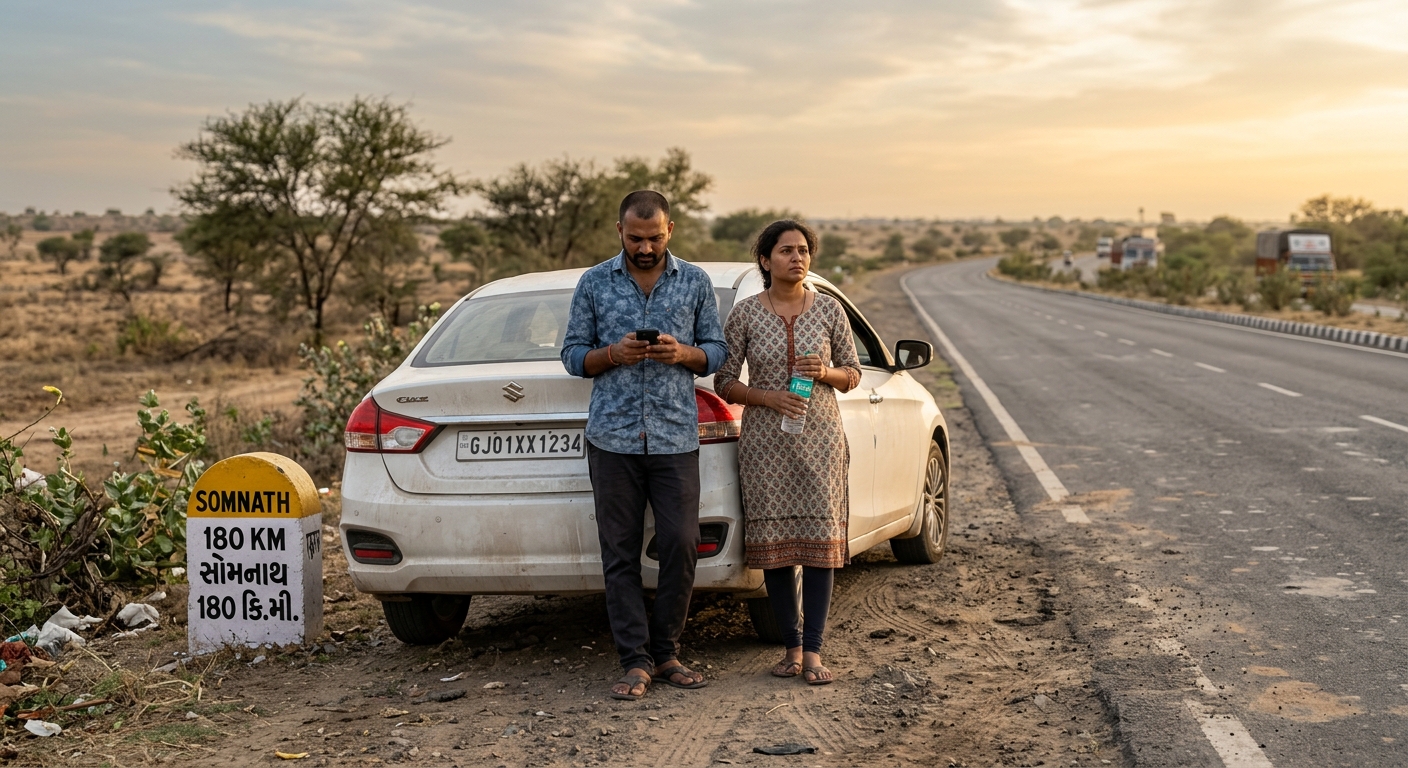
Here’s what changed for us. Last monsoon, we took a wrong turn near Mulshi. Ended up at a village called Bhira. No resorts. No “Instagram-worthy” cafes. Just a dam, a forest, and maybe 12 other people. That day, we realized Maharashtra’s best hidden places in Maharashtra aren’t hidden because they’re hard to reach. They’re hidden because nobody bothers looking past Google’s first page.
This isn’t a listicle copied from other blogs. These are places we’ve actually driven to, slept near, eaten at, and would genuinely recommend to friends. Real costs included. Real roads described. And honest answers to whether they’re worth your weekend.
Why Most Hidden Destinations Lists Miss the Actual Hidden Places
We’ve tested this. Open five “offbeat Maharashtra” articles. Four of them mention Panchgani. That’s not offbeat anymore — that’s overcrowded with a better PR team.
Here’s the pattern we noticed. Most travel blogs list places that used to be hidden five years ago. They rank well on Google, so people keep visiting, and they stop being hidden. But the articles stay unchanged. Nobody updates them. Nobody admits that secret beach in Ratnagiri now has three shacks and a parking mafia.
When we started Musafir Couple, we made that mistake too. Recommended a “hidden” waterfall near Bhandardara. Got messages from seven couples who reached there and found a traffic jam. That’s when we built our rule — if more than 15 vehicles are parked there on a Sunday morning, it doesn’t make our hidden list. Harsh, maybe. Honest, definitely.

Bhira Dam — The Mulshi Alternative Nobody Talks About
Mulshi Lake gets all the attention. Fair enough — it’s gorgeous. But drive 20 kilometers further towards Tamhini Ghat, and you’ll hit Bhira Dam. Same backwaters. Better roads. One-tenth the crowd.
We reached there on a random July afternoon in 2025. Rain was light. The dam was releasing water — not aggressively, just enough to make that low rumble sound. There were two local families picnicking and one couple from Pune who also took the wrong turn like us.
What worked for us: We parked near the PHD canteen (yes, there’s a small canteen run by a contractor). Walked along the dam wall. Spent an hour just sitting on the rocks watching the backwaters. No entry fee. No ticket counter. No “parking attendant” asking for ₹50.
What didn’t work: The road from Mulshi to Bhira has exactly one dhaba that closes by 5 PM. Carry your own snacks. Mobile network is patchy — Airtel worked, Jio didn’t. If you’re planning to stay overnight, the nearest decent homestay is back in Mulshi, about 30 minutes away.
Fuel cost from Pune: ₹280 (round trip). Time: 2.5 hours one way. Best time: Late monsoon (August-September) when water levels are high but rains aren’t blocking roads.
Kaas Pathar’s Lesser Known Twin — Chalkewadi Plateau
Everyone knows Kaas. UNESCO recognition made sure of that. Weekend crowds hit 3,000 people during peak bloom season. If you want the same wildflower experience without the chaos, drive to Chalkewadi Plateau near Satara.
We visited in September 2024. Saw carpets of pink smithia, yellow sonki, and purple karvi flowers. Met maybe 40 other visitors the entire day. The plateau is managed by the forest department, but there’s no online booking system yet. You just show up, pay ₹50 per person at the entrance, and walk in.
The difference? Kaas has designated pathways and strict rules — you can’t step off the trail. Chalkewadi lets you wander more freely (though please don’t trample the flowers; we’ve seen enough damage already). The plateau is smaller, about 1,200 hectares compared to Kaas’s 1,000, but it feels more intimate. Less like a tourist spot, more like a discovery.
Practical bits: There’s no food available inside. The nearest village, Bamnoli, has basic eatery options — Maharashtrian thalis for ₹120. Accommodation is limited. We stayed at a homestay in Satara city, about 45 minutes away. Cost: ₹1,800 for the night. The plateau is open only during flower season (mid-August to early October). Roads are good until Bamnoli, then it’s 8 kilometers of rough village roads. Ground clearance matters. Our sedan scraped twice.

Avalon in Alibag — The Secret Beach That’s Genuinely Secret
Alibag isn’t hidden. Everyone from Mumbai escapes there. But most people stick to Alibag Beach, Kashid, or Nagaon. Avalon Beach, tucked between Kihim and Alibag town, stays mysteriously empty.
We found it by accident in March 2025. Asked a local vegetable vendor for a “quiet beach” and he directed us here. It’s a small stretch, maybe 400 meters long, lined with casuarina trees on one side and black sand meeting the Arabian Sea on the other.
Why it stays hidden: There’s no direct road signage. You have to drive through Kihim village, take a narrow lane past a small Ganapati temple, and then walk about 300 meters through a grove. Most tourists don’t bother with that effort.
What we loved: Zero commercial activity. No shack owners chasing you. No horse rides. No loud music. Just waves, trees, and space. We spent three hours there. Saw exactly six other people.
What you should know: There are no facilities. No changing rooms, no toilets, no fresh water. The nearest tea stall is back in Kihim village, a 10-minute walk. High tide completely swallows the beach, so check tide timings before going. We use a simple app called Tide Times — shows Alibag timings accurately.
Parking is informal — you leave your vehicle near the temple. Nobody charges you, but we gave ₹20 to the temple hundi out of courtesy. Fuel from Pune: ₹650 (round trip). Ferry from Gateway of India to Mandwa, then 20 minutes by road. Or drive via Pune-Panvel-Alibag route if you prefer road trips.
Vishalgad Fort — Trekker’s Secret Near Kolhapur
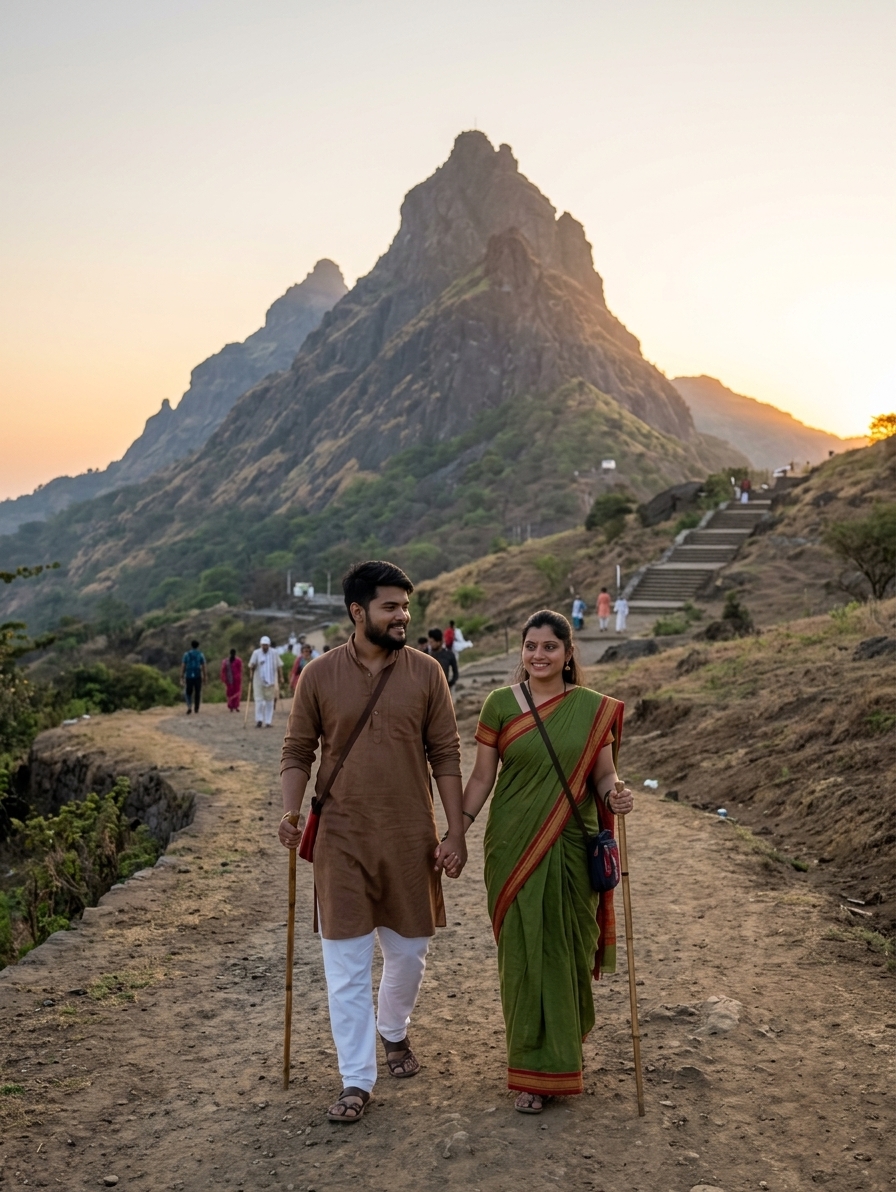
Most Maharashtra fort enthusiasts flock to Rajgad, Torna, or Sinhagad. Vishalgad, about 76 kilometers from Kolhapur, barely gets 20 trekkers on an average weekend. That’s shocking considering it was one of Shivaji Maharaj’s key forts and offers one of the best sunrise views in the region.
We trekked it in November 2024. Started from the base village, Vishalgad Patta, at 5:30 AM. The trail is moderate — about 90 minutes to the top if you’re reasonably fit. The path is well-marked but not overly commercialized. No tea stalls every 100 meters. No guides insisting you need them.
At the top, you’ll find the ruins of Shri Nrusimha Saraswati Temple, old bastions, and a few locals who live there permanently. They run a small donation-based tea stall. We had piping hot chai and bun-maska for ₹30 total. The fort offers 360-degree views — Panhala Fort on one side, Sahyadri ranges on another, and Kolhapur plains below.
Here’s what surprised us: The fort has a small guesthouse run by the Maharashtra Tourism Development Corporation (MTDC). Four rooms. Basic but clean. ₹1,200 per night. We didn’t book in advance, just walked in and got a room. The caretaker cooked us simple Kolhapuri food — bhakri, zunka, and chicken curry — for ₹250.
Access: Drive to Vishalgad Patta village. Parking is available near the trek starting point. Roads are decent. Trek is free. If you want a guide, local villagers offer services for ₹200, but honestly, the trail is straightforward. Fuel from Pune: ₹950 (round trip). Time: About 5 hours drive one way. Best between October and February — summers are brutal.
Amboli Ghat’s Hidden Waterfalls — Go Beyond Mahabaleshwar
Amboli is known. But it’s treated like a pit stop on the way to Goa. Most travelers click photos at the main waterfalls and move on. The real hidden gems are three smaller waterfalls that require short treks — Nangartas Falls, Hiranyakeshi Falls, and Madhavgad Fort Waterfall.
We spent two days in Amboli in August 2025. Stayed at a homestay run by a retired forest officer named Mr. Patil. He told us about these trails. None of them are on Google Maps. You need local guidance or a sense of adventure.
Nangartas Falls was our favorite. About 3 kilometers from Amboli town, through dense forest. The trail is muddy, slippery, and completely worth it. The waterfall is small, maybe 40 feet high, but you can stand right under it. No barriers. No crowds. Just you and nature.
Madhavgad Fort Waterfall is different. It’s not a tall cascade but a wide curtain of water flowing over a cliff edge. Locals call it “Khopila Falls” but there’s no official name. The water flows strongest during peak monsoon (July-August). By October, it reduces to a trickle.
Safety matters here. Leeches are aggressive. Wear full pants and socks. Carry salt to remove leeches if they latch on. We didn’t, and Samprita ended up with two leeches on her ankle. Not fun. Locals warned us, we didn’t listen.
Homestay cost: ₹2,000 per night with meals. Mr. Patil’s number (found via a travel forum): 98xxxxxx47 (contact Travelheal for exact details). Fuel from Pune: ₹1,100 (round trip). Time: 6 hours one way. The roads via Gaganbawada are better than the Sawantwadi route, though Google suggests both.
Tala Fort — The Trek That Feels Like Time Travel
Tala Fort, near Karjat, is technically not unknown. It shows up in trekking groups. But here’s the thing — it sees visitors only on weekends, and even then, maybe 30-40 people. Weekdays? We reached on a Tuesday in January 2025 and found the entire fort empty except for one caretaker and a cow.
The trek is short — 45 minutes from the base village, Tala. But the fort’s architecture is beautifully intact. Rock-cut stairs, massive gates, water cisterns still holding rainwater, and a sabha mandap carved into a hillside. It felt like we stepped back 400 years.
What made it special for us: There are no boards explaining history. No ticket counter. No selfie points. You’re left alone to explore. We spent an hour inside the sabha mandap, just sitting in silence. The acoustics are incredible — even a whisper echoes.
The base village, Tala, has one small tea stall. The owner, an elderly lady named Kantabai, makes the best poha we’ve eaten on any trek. ₹30 per plate. She doesn’t advertise. Doesn’t need to.
Trek difficulty: Easy to moderate. Suitable for beginners. Carry water — none available on the fort. Parking near the base is free. Entry is free. Best time: October to March. Avoid monsoon — the rock steps become dangerously slippery.
Distance from Pune: 87 kilometers. Fuel cost: ₹320 (round trip). Time: About 2 hours via NH48. You can combine this with Kondana Caves, which are about 12 kilometers away, though those are slightly more touristy.
Anjarle Beach — Konkan’s Best Kept Secret
Konkan coastline is dotted with beaches. Ganpatipule, Tarkarli, Diveagar — all beautiful, all crowded. Anjarle, near Dapoli, remains blissfully quiet. We visited on a Saturday in February 2024. The entire beach had maybe 20 people spread across a kilometer-long stretch.
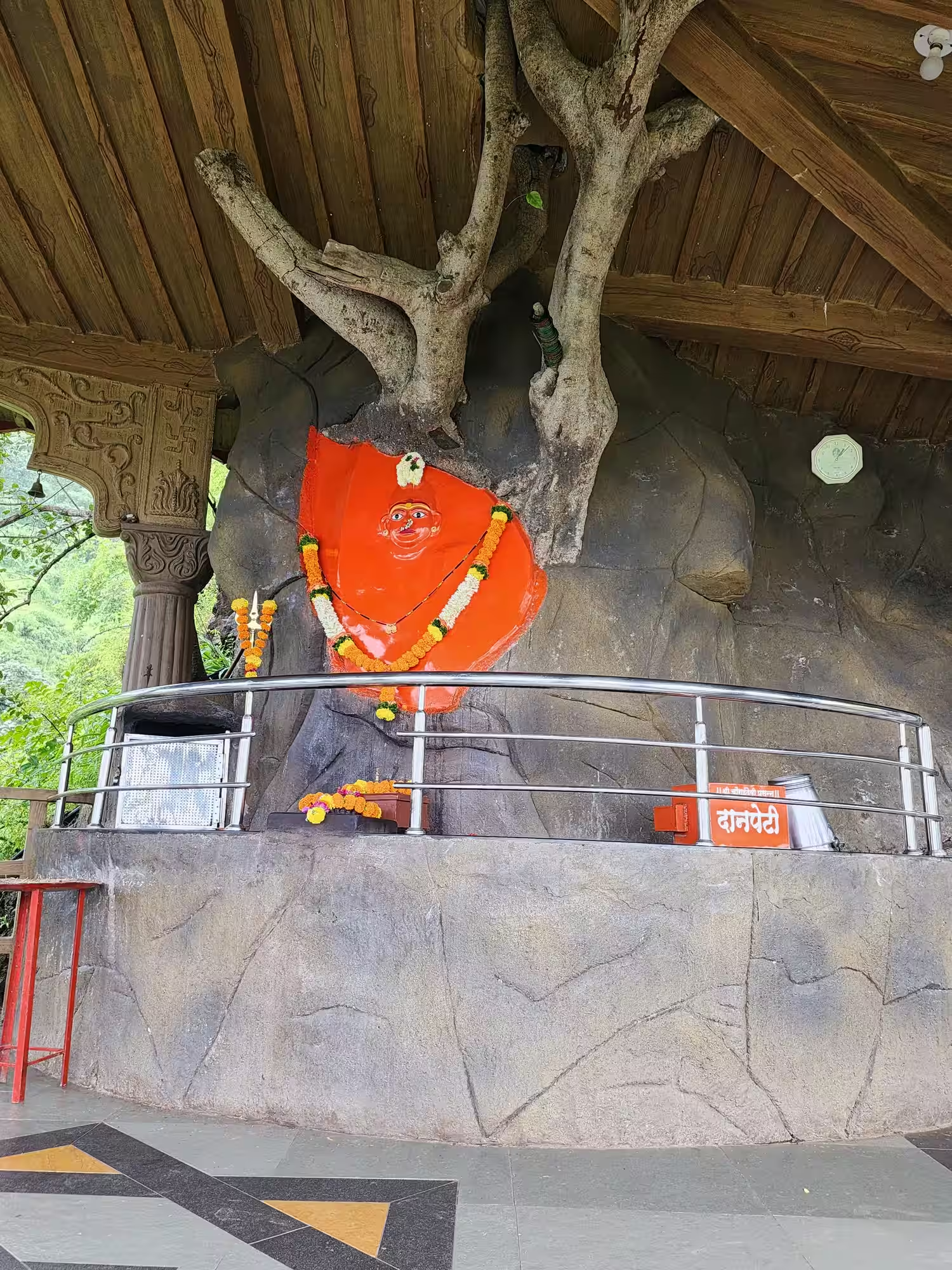
Anjarle is a crescent-shaped beach with fine white sand, gentle waves, and a small rocky patch on one end where you can spot crabs during low tide. There’s a Kadyavarcha Ganpati Temple right on the beach — locals believe the idol grows bigger every year. Whether you believe that or not, the temple offers a peaceful vibe.
What worked: No commercial pressure. One small shack selling coconut water (₹40), bhajji (₹50), and basic snacks. That’s it. No hounding. No aggressive sales pitches. The shack owner, Deepak, is a local fisherman who runs this as a side gig. He’ll tell you about the best time to visit (early morning for sunrise), which months have jellyfish (May-June), and where to get fresh seafood.
Where we stayed: Sagar Sawali Beach Resort, about 2 kilometers from the beach. Simple rooms, Konkani homestyle food, and honest pricing. ₹2,500 per night including meals. The owner’s wife cooks sol kadhi, fish curry, and kombdi vade that’ll ruin restaurant food for you forever.
The beach is swimmable, but waves can get rough post-noon. Locals don’t recommend swimming after 3 PM. There are no lifeguards. Exercise judgment.
Distance from Pune: 215 kilometers. Fuel cost: ₹850 (round trip). Time: About 5 hours via Mahad-Poladpur route. Roads are good but winding through the ghats. Drive carefully.
Panshet Dam Backwaters — Mulshi Without the Hype
Mulshi and Panshet are just 18 kilometers apart. Both are dams. Both have stunning backwaters. But Mulshi has 40 lakeside homestays and weekend traffic that rivals Mumbai’s local trains. Panshet has three small resorts and mostly local visitors.
We’ve been to Panshet four times in the last two years. Once during monsoon (July 2024), twice post-monsoon (October 2024, September 2025), and once in summer (April 2025). Each visit felt different. Monsoon is dramatic — the dam overflows, mist hangs low, and the backwaters stretch endlessly. Post-monsoon is calm — water levels stabilize, greenery peaks, and weather is perfect for kayaking (yes, one resort offers kayaks). Summer is quieter, water recedes, but sunsets are unmatched.
What we recommend: Skip the resorts. Drive along the backwaters. There are multiple spots where you can park and just sit. No entry fee. No restrictions. Carry your own picnic. We usually stop at a Pune bakery, grab sandwiches and chai in a flask, and spend two hours near the water.
If you want to stay overnight, Panshet Lake Camping offers tents for ₹1,800 per person including meals. It’s basic — mattress on the ground, shared toilets, and simple food. But waking up to the lake view is worth it.
One warning: The roads inside Panshet backwaters area are confusing. Google Maps often shows routes that lead to dead ends or private properties. Use Maps.me (offline maps work better here) or ask locals.
Distance from Pune: 42 kilometers. Fuel cost: ₹180 (round trip). Time: About 1.5 hours. Best time: October to February for pleasant weather, July-August if you want drama and rain.
Kalsubai Peak — Maharashtra’s Highest Point Without Lonavala Crowds
Kalsubai is Maharashtra’s highest peak at 1,646 meters. Trekkers know it. But unlike Lohagad or Rajmachi, which see crowds of 200+ on weekends, Kalsubai gets about 50-70 trekkers. That’s manageable.
We trekked it in December 2024. Started from Bari village at 4:00 AM to catch sunrise from the top. The trek is steep — three hours of climbing with minimal flat stretches. But there are iron railings and chains installed at tricky sections, making it safer for beginners.
At the summit, there’s a small temple dedicated to Kalsubai Devi. And the view? You can see the entire Sahyadri range — Alang, Madan, Kulang forts on one side, Bhandardara Dam on another, and Arthur Lake in the distance. On a clear day, visibility stretches beyond 40 kilometers.
Here’s what nobody tells you: The descent is harder than the climb. Your knees will hate you. Trekking poles help, but we didn’t carry any and regretted it.
Base village facilities: Bari has a few homestays. We stayed at one run by a local named Shankar Pawar. ₹1,000 per night, simple rooms, home-cooked food. He also offers guide services (₹300 per group), though the trail is well-marked and you don’t strictly need one unless it’s your first Sahyadri trek.
Trek is free. Parking at the base is ₹50. Street food vendors sell maggi, tea, and poha near the starting point. Carry your own water — at least 2 liters per person.
Distance from Pune: 165 kilometers. Fuel cost: ₹700 (round trip). Time: About 4 hours via Ahmednagar-Ghoti route. Best between November and February. Avoid monsoon — the trail becomes dangerously slippery, and mist kills the view.
Painganga Wildlife Sanctuary — Maharashtra’s Untouched Safari Experience
Everyone talks about Tadoba. Hardly anyone mentions Painganga Wildlife Sanctuary in Yavatmal district. It’s part of the same tiger corridor, but sees maybe 10% of Tadoba’s tourist footfall.
We visited in March 2025 as part of a longer road trip to Vidarbha. Booked a safari through the Maharashtra Forest Department website (yes, online booking works here). ₹1,200 per person for a three-hour safari.
Did we see tigers? No. But we saw sloth bears (three of them, including a cub), wild boars, peacocks, spotted deer, and about 15 species of birds we couldn’t identify. Our guide, Ramesh, was a forest guard who’s worked here for 17 years. His knowledge was encyclopedic — he could identify bird calls, explain animal behavior, and pointed out pug marks we would’ve walked past.
The sanctuary spreads across 324 square kilometers. The safari routes go through dense teak forests, open grasslands, and along the Painganga river. Unlike Tadoba’s crowded zones, we were the only jeep on our route for 90% of the safari.
Where we stayed: Yavatmal city, about 45 kilometers from the sanctuary. Found a decent budget hotel — ₹1,500 per night. Food options are limited. We ate at a local dhaba called Hotel Rajdhani — proper Vidarbhi mutton curry and jowar bhakri.
Practical tips: Safaris run twice daily — early morning (6:00 AM) and late afternoon (3:30 PM). Morning is better for animal sightings. Carry binoculars if you have them. Wear neutral colors (browns, greens) — bright clothing scares animals. Mobile network is zero inside the sanctuary. Inform someone about your safari timing.
Distance from Pune: 520 kilometers. Fuel cost: ₹2,300 (round trip). Time: About 9 hours via Aurangabad-Washim route. Best time: February to April when water sources dry up and animals come to the remaining waterholes.
How to Actually Keep These Places Hidden While Visiting Them
Here’s the contradiction. We’re sharing hidden places in Maharashtra in a public article. If this gets traffic, some of these spots will see more visitors. That’s unavoidable. But there’s a way to visit without ruining them.
Don’t litter. Obvious, right? Yet we’ve cleaned up trash at every single place on this list. Carry a bag. Collect your own waste. If you see plastic lying around and you have space, pick it up. Nobody’s watching. Nobody will thank you. Do it anyway.
Don’t blast music. We’ve met couples who carry Bluetooth speakers on treks. Why? You came to nature to drown it out with remixes? Use earphones if you must, but honestly, try silence. You might surprise yourself.
Respect locals. These aren’t tourist traps. They’re places where people live and work. Don’t treat villagers like props for your photos. If you’re shooting videos or vlogs (like we do), ask permission. Offer to share photos later. We’ve built genuine friendships this way.
Don’t share exact GPS coordinates on public social media. Share the general area — Mulshi region, Konkan coast, Vidarbha wildlife zone. Let people discover the precise spot themselves. That filter works. People who genuinely care will do the research. Those looking for easy weekend entertainment will move on.
Pay locals fairly. That chai you bought for ₹20? It’s worth it. That guide who charged ₹200? Don’t bargain down to ₹150. These are livelihoods. You saved money by skipping the resort. Spread it around.
Why These Hidden Places in Maharashtra Matter More in 2026
Tourism is recovering. Weekend getaways are booming. Every hill station in Maharashtra is groaning under traffic. But the hidden spots — the ones that require extra effort, no five-star amenities, and actual discovery — those still breathe easy.
We’re not gatekeepers. We’re not saying “don’t visit.” We’re saying visit differently. Slow down. Spend more time in fewer places. Talk to locals. Eat their food. Understand why they love the place enough to stay.
Maharashtra has 720+ forts, 56 wildlife sanctuaries, and over 500 kilometers of coastline. Most people visit the same 10 places repeatedly. Break that loop. Take the wrong turn. Ask the vegetable vendor. Trust the dirt road that isn’t on Google Maps.
That’s where the real Maharashtra is. Not hidden because it’s restricted. Hidden because we stopped looking.
Frequently Asked Questions
What are the most unexplored places in Maharashtra for couples?
Bhira Dam near Mulshi, Avalon Beach in Alibag, Chalkewadi Plateau in Satara, and Anjarle Beach in Dapoli are genuinely unexplored and perfect for couples seeking privacy and authentic experiences without commercial tourism pressure. These spots offer natural beauty and solitude without the weekend crowds typical of mainstream destinations.
Which hidden places in Maharashtra can be visited in two days from Pune?
Panshet Dam backwaters (42 km), Tala Fort near Karjat (87 km), Bhira Dam (65 km), and Chalkewadi Plateau (145 km) make excellent two-day trips from Pune. All have decent roads, require minimal planning, and offer accommodation options either onsite or within 30 minutes drive. Fuel costs range from ₹180 to ₹700 round trip depending on distance.
Are these hidden destinations in Maharashtra safe for solo travelers?
Most destinations listed here are safe, though some require basic precautions. Tala Fort, Panshet backwaters, and Bhira Dam see regular local visitors and are completely safe for solo travelers. Painganga Wildlife Sanctuary and Amboli forest trails are better visited with a companion or local guide. Always inform someone about your plans and expected return time, especially for treks.
What is the best time to visit hidden places in Maharashtra?
October through February offers the best weather for most locations — comfortable temperatures, clear skies, and post-monsoon greenery. Chalkewadi Plateau has a specific bloom window (mid-August to early October). For waterfalls like those near Amboli, visit during or immediately after monsoon (July-September). Wildlife sanctuaries like Painganga are best between February and April for animal sightings.
How do I find accommodation near these secret spots in Maharashtra?
Most hidden places don’t have hotels or resorts onsite. Bhira requires staying in Mulshi homestays (30 minutes away). Chalkewadi has options in Satara city (45 minutes). Avalon Beach visitors stay in Alibag or Kihim. Anjarle has one or two local resorts. For Vishalgad, the MTDC guesthouse at the fort itself is your best bet. Tala and Panshet work as day trips from Pune, though Panshet has camping options. Book accommodations in the nearest town and plan day visits to the actual locations.
Plan Your Next Hidden Escape With Real Guidance From Musafir Couple
These aren’t just GPS coordinates and Google reviews. Every place here, we’ve visited ourselves — sometimes twice because the first visit surprised us, and we needed to confirm we weren’t lucky with timing or weather.
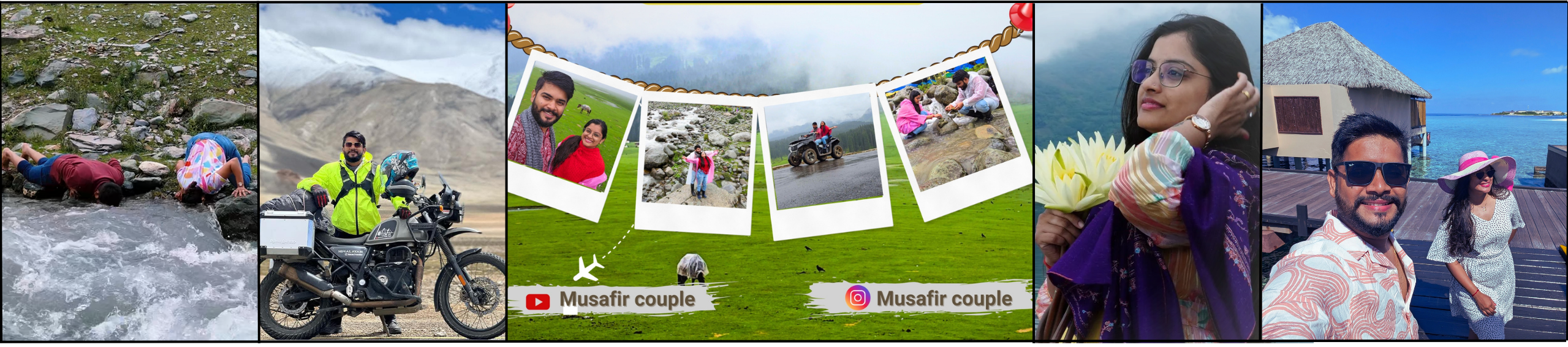
That’s what Musafir Couple, powered by Travelheal, focuses on. Real couple travel. Honest costs. Routes that actually work. Food that locals eat. And places that feel like discoveries, not tourist products.
If you’re planning a weekend in Maharashtra and want suggestions beyond this list — or specific advice about roads, stay options, or whether a place works for your travel style — reach out to us. We don’t sell packages. We share what we know. That’s the difference.
Start with one destination from this list. Drive there this month. See if it matches what we described. Then try another. Build your own collection of hidden Maharashtra. And maybe, if you find a spot we haven’t covered yet, tell us. We’ll visit it, test it, and share it honestly.
Because Maharashtra has more stories than any one article can hold. You just have to stop Googling and start driving.