

 by
by Complete Guide to Road Trip Planning in India: Everything You Need to Know Before You Hit the Road
We planned our first long road trip thinking Google Maps and a full tank were enough. They weren’t. Twenty kilometers from Pune, we realized we’d packed three phone chargers but zero offline maps. By Lonavala, we’d learned the hard way that “scenic route” often means “absolutely no mobile network for 40 kilometers.”
Road trip planning in India isn’t just about picking a destination and driving. It’s about understanding that the highway can turn into a village road without warning, that fuel stations disappear for stretches longer than you’d expect, and that the difference between a magical journey and a stressful disaster often comes down to what you did three days before you left.
This guide comes from 47 road trips across Maharashtra, Gujarat, Karnataka, Goa, and Kashmir. Every mistake we mention, we made first. Every hack we share, we tested. This isn’t theory — it’s what actually works when you’re on NH48 at 11 PM with conflicting road signs and a nearly empty tank.
Why Most Road Trip Plans Fail Before You Even Start
Here’s the uncomfortable truth: most people spend more time choosing their playlist than planning their route. Then they wonder why the trip feels chaotic.
The common approach looks like this: pick a destination, check Google Maps for the route, book a hotel, leave early morning. Sounds logical. But that planning style assumes Indian roads behave predictably. They don’t.
What kills road trips isn’t usually the big stuff — it’s the accumulation of small surprises. The village festival that blocks the highway for two hours. The detour with no signage. The highly-rated hotel that looked great online but sits next to a stone quarry with trucks rumbling past at 5 AM. The “short cut” a local suggested that added 90 minutes to your day.
When Musafir Couple planned the Pune to Somnath Temple road trip, we initially thought four days was generous for what Google showed as 14 hours of driving. We were right to add buffer, but wrong about why we’d need it. Construction near Surat. Ganesh Visarjan procession in a town we’d never heard of. A closed bridge that forced a 35-kilometer detour through villages where our sedan scraped bottom three times.
The trips that work — the ones where you arrive energized instead of exhausted — start with accepting that you can’t control everything. But you can prepare for variability. That’s what real road trip planning in India means.
Route Selection: The Decision That Makes or Breaks Everything
Most people choose routes based on shortest distance or fastest time according to navigation apps. Both metrics lie more often than they tell the truth.
Distance means nothing if 60 of those kilometers are pothole-filled state highways where your average speed drops to 30 kmph. Time estimates don’t account for the truck traffic that clogs single-lane sections every evening, or the mountain ghats where you’ll crawl behind a tour bus for 40 minutes with no overtaking opportunity.
Better approach: choose routes based on road quality, daylight driving hours, and mental fatigue. A route that’s 50 kilometers longer but uses well-maintained highways will get you there faster and less stressed than the “short cut” through rural roads.
For the Pune to Goa route, two options exist. The traditional Bangalore Highway through Kolhapur covers about 447 kilometers. The coastal route through Ratnagiri stretches to 523 kilometers but offers better roads, ocean views, and more reliable food stops. We’ve driven both seven times. The longer coastal route consistently feels shorter because the driving experience doesn’t drain you.
When planning, overlay three factors: road type (national highway vs state highway), population density (cities slow you down more than distance suggests), and altitude changes (mountain drives look short on paper but consume double the time and triple the concentration).
Check the Road Conditions Reality Test: search YouTube for recent drive videos on your planned route. No video from the past three months? That’s information too — probably means the road isn’t pleasant enough for anyone to film it.
Also consider backup routes. When we drove to Dal Lake Kashmir, political tension closed the Srinagar highway with four hours notice. The alternate route added 130 kilometers and six hours. We knew it existed because we’d marked it during planning. Other travelers got stuck waiting for road reopening with no good options.
Vehicle Preparation: What Actually Matters vs What Dealers Sell You
Three weeks before a road trip, everyone becomes a car expert. Suddenly you’re researching tonneau covers and roof racks and wondering if you need nitrogen in your tires.
Most of that is noise. Here’s what actually matters: fluid levels, tire condition, spare tire accessibility, and one good mechanic contact along your route.
Check engine oil, coolant, brake fluid, and windshield washer fluid. These aren’t sexy checks, but running low on coolant in Konkan heat or brake fluid in Lonavala ghats turns dangerous fast. Don’t just glance — actually check levels against the marked indicators.
Tires matter more than people think. We’ve seen three trip-ending breakdowns from tire failure — none from engine issues. Check tread depth (the 20-rupee coin test works fine), look for cracks or bulges on sidewalls, and verify your spare tire actually holds air. Seventy percent of car owners we’ve talked to discover their spare is flat only after they need it.
Get your wheel alignment checked if you’re doing more than 500 kilometers. Misalignment doesn’t feel dramatic in city driving but becomes exhausting on highways where you’re constantly correcting the steering. Your arms will tell you by kilometer 200.
What you don’t need: expensive engine treatments, premium fuel additives, or ceramic coating the week before you leave. These are either placebo or long-term investments — they won’t change your road trip experience.
What you should carry: basic toolkit (even if you can’t use it, a mechanic you call might need it), tire inflator, jump starter cables, duct tape, and zip ties. The last two sound ridiculous until you’re holding your bumper together after a speed breaker incident.
We learned about mechanic contacts the hard way near Salaulim Dam in Goa. Clutch cable snapped on a Sunday evening. No mobile network. Nearest mechanic 18 kilometers away. Now we save three mechanic numbers for every route — beginning, middle, and end sections — before we leave Pune. You hope you won’t need them. You’re grateful when you do.

Budgeting Reality: The Real Cost of Road Trips Nobody Posts on Instagram
Everyone shares sunset photos. Nobody shares the toll receipt collection.
Road trip costs in India vary wildly based on vehicle type, route, season, and how comfortable you want to be. But patterns exist. For a couple in a mid-size sedan covering 1000 kilometers over four days, expect to spend between ₹15,400 and ₹23,200. That’s not a guess — that’s averaged from our last nine trips of similar distance.
The breakdown typically looks like this: fuel takes 35 to 42 percent of your budget, accommodation takes 30 to 38 percent, food takes 18 to 22 percent, and tolls plus miscellaneous (parking, entry fees, emergency purchases) take the remaining 10 to 12 percent.
Fuel costs are straightforward math: kilometers divided by your car’s realistic mileage multiplied by current fuel price. But here’s what most calculators miss — your highway mileage and your reality mileage aren’t the same. If your car claims 17 kmpl, budget for 14 kmpl. Factor in city traffic at trip ends, AC usage, and mountain driving. We drove a Creta from Pune to Kanyakumari claiming 16.5 kmpl highway efficiency. Actual trip average: 13.2 kmpl.
Tolls add up faster than you expect. Mumbai to Goa on the coastal route costs about ₹800 in tolls alone one way. The Pune to Somnath Temple journey hit ₹1,340 in toll expenses. FASTag is mandatory, but keep ₹500 cash for the occasional toll plaza where FASTag lanes mysteriously don’t work.
Accommodation thinking matters more than accommodation spending. Cheap stays aren’t always budget-smart if they’re poorly located. A ₹1,800 hotel that’s 15 kilometers from the highway costs you 30 kilometers of extra driving, 45 minutes of time, and ₹180 in fuel. The ₹2,400 property right off the exit actually costs less when you do complete math.
Food costs depend on your comfort level with local joints versus branded restaurants. Highway dhabas charge ₹140 to ₹220 for a full meal. Branded chains charge ₹380 to ₹550 for roughly the same food. We mix both — dhabas for lunch when we’re energized and can explore, reliable chains for dinner when we just want predictable food and clean washrooms.
The costs nobody budgets for: vehicle cleaning after off-road adventures (₹300 to ₹800 depending on mud level), the extra night’s stay because you fell in love with an unplanned location, the rafting activity you didn’t know existed until you got there, and the roadside jackfruit that looked so good you bought two. Budget 18 percent above your calculated costs. That buffer either covers surprises or becomes your celebration dinner fund.
Packing Strategy: What Goes in the Car and What Stays Home
Packing for road trips isn’t just smaller-scale vacation packing. It’s spatial strategy. Everything you bring needs a logical place because you’ll access things while driving, in parking lots, at viewpoints, and in hotel rooms.
Three-bag system works best: one bag stays in the trunk (main luggage), one bag sits accessible in the back seat (daily essentials), and one small bag stays in front (immediate needs). This sounds obvious until you’re parked at a viewpoint near Bedse Caves wanting your camera, but it’s buried under four days of clothes in the trunk.
The back seat accessible bag should contain: water bottles, snacks, phone chargers, power bank, tissues, hand sanitizer, medicines, sunglasses, caps, and one light jacket. Basically anything you might need without stopping and opening the trunk. We use a soft duffle that fits behind the driver’s seat.
Front seat small bag or pouch: toll wallet with FASTag backup card and cash, driving license, vehicle documents, phone holder, pen (for checkpost entries), and glucose or energy bars. Sounds minimal, but these are items you need to reach without looking away from the road for more than two seconds.
For clothes, think layers and repetition, not variety. Two comfortable driving outfits, one slightly nice outfit for any restaurant or hotel that has standards, workout clothes that double as lounge wear, and enough inner wear for the trip plus two. Nobody cares if you wore the same t-shirt on day two and day four. You’re on a road trip, not a fashion show.
What you absolutely need but will forget: offline maps downloaded for the entire route, a physical map as backup (yes, paper — we’ve been saved twice by the ₹40 road atlas when phones died), a good quality flashlight, a first aid kit that you’ve actually checked recently, extra pair of glasses if you wear them, and photocopies of all important documents stored separately from originals.
What people overpack: fancy cameras with three lenses (your phone works fine for 91 percent of shots), too many shoes (two pairs maximum — one for driving, one for walking), hardcover books (download ebooks), full-size toiletries (hotels provide basics, carry only your specific-need items), and expensive jewelry (why add stress about losing things?).
What we underestimated initially: garbage bags (for wet clothes, muddy shoes, or actual garbage when bins don’t exist), a small cooler bag (keeps water cold and fruits fresh), extension cord with multiple charging points (hotel rooms never have enough accessible outlets), and a spare pair of chappals (for quick hotel exits or beach walks).
Pack two days before you leave, not the night before. You’ll remember six important things in those 48 hours that your rushed brain would skip.
Safety Planning: The Unglamorous Part That Matters Most
Nobody wants to think about what goes wrong. That’s exactly why things go wrong.
Road trip safety in India isn’t about defensive driving courses or emergency flares. It’s about sustainable alertness, shared responsibility, and knowing your limits before you hit them.
The alertness problem is real. Most accidents don’t happen because of bad roads or other drivers. They happen because your brain hits a fatigue point and stops processing information correctly. You see the pothole but your foot doesn’t press the brake. You notice the truck merging but miscalculate the gap. That’s cognitive fatigue, and it’s more dangerous than sleeping at the wheel because you don’t realize it’s happening.
Solution: plan driving in 150-kilometer blocks with 15-minute complete stops. Not chai stops where one person sits in the car. Full stops where both of you get out, walk around, stretch, and reset. We started this rule after Ketan drove through eight hours straight to Lonavala and completely missed our hotel entrance twice despite having been there before. His eyes worked fine. His brain had checked out.
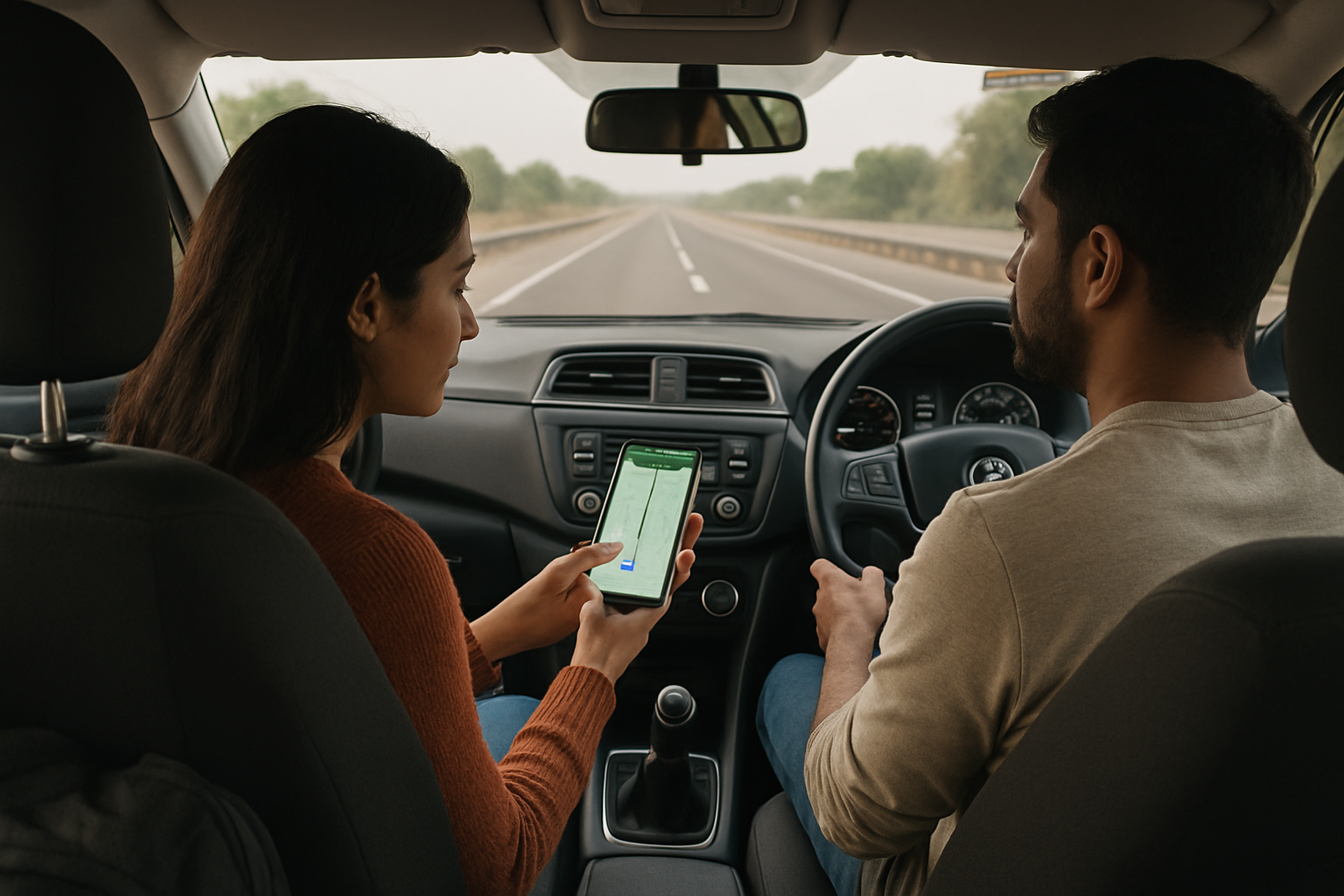
If you’re traveling as a couple, both should share driving responsibilities if both are comfortable drivers. The non-driving person isn’t a passenger — they’re the navigator, alertness monitor, and decision backup. That means staying awake, watching for road signs the driver might miss, and speaking up when something feels off. Samprita once insisted we stop because “you’re blinking weird.” I felt fine. Five minutes later at the tea stall, I realized I’d been microsleeping. Your trip partner can see warning signs you can’t feel.
Night driving in India needs a hard rule: avoid whenever possible. Roads are unpredictable in daylight — they’re treacherous at night. Unlit vehicles, unexpected speed breakers, animals, potholes invisible until you hit them, and fog in winter months. If you must drive after dark, stick to major national highways, keep speed under 70 kmph, and increase following distance to four seconds minimum.
Share your live location with family or friends during driving hours. Google Maps location sharing works well. Update them on major stops. This isn’t paranoia — it’s basic trip protocol. When our car broke down with no network near Mulshi, we were exactly where our last location pin showed. Help reached us because someone knew where to look.
Keep emergency numbers saved: highway police (1033), ambulance (108), roadside assistance (if your car manufacturer provides it), and your insurance company. Also save the numbers of hotels you’re staying at — if you’re running late or face issues, they should know.
Women travelers face specific concerns. Choose well-lit, populated parking areas even if they’re less convenient. At hotels, verify room locks before settling in. During breakdown situations, stay inside the locked vehicle until verified help arrives. These aren’t fear tactics — they’re practical filters that reduce risk without reducing freedom.
The smartphone is your most critical safety device. Keep it charged above 40 percent always. Carry two charging cables and an adapter. Download offline maps, save important PDFs (hotel confirmations, permits if required), and keep one emergency contact on speed dial.
Hidden Stops and Route Discoveries: Finding What Guidebooks Miss
The Instagram-famous spots are fine. Everyone should see Lonavala at least once. But the trips you remember three years later? Those come from the places you found by accident or intention but definitely not from a top-ten list.
Real discovery requires intentional planning. That sounds contradictory, but it’s not. You plan buffer time specifically for unplanned exploration. The difference between a rigid schedule and a discovery-friendly schedule is usually just three hours spread across your trip.
When Musafir Couple drives between two planned stops, we add 90 minutes of “flex time” to the day. That’s the budget for pulling over at that temple you spotted from the highway, or following the sign that says “waterfall 4km” down a side road, or spending extra time at a viewpoint because the light is perfect and you’re not ready to leave yet.
The finding method that works: talk to locals, but not tourist-facing locals. Hotel staff and restaurant owners near highways have heard every tourist question. They’ll recommend whatever gets them commission. Instead, talk to the person at the local vegetable shop, the fuel station attendant who’s worked there for years, or the uncle running a small tea stall. Ask them where they go when they want peace. Where their family visits on weekends. The answers lead to places like Cola Beach in Goa — absolutely stunning and practically empty because it’s not on the main tourism circuit.
Food discovery follows similar logic. The best local food isn’t at the place with English signage and a menu. It’s at the spot where you see three trucks parked and drivers eating comfortably. Truck drivers eat where food is good, cheap, and fast. They’ve tested every dhaba on every route. Follow their judgment.
During the Pune to Ahmedabad drive, we stopped at a completely unmarked dhaba near Surat because eight trucks were parked outside. The thali cost ₹110, came with unlimited refills, and remains one of the best meals we’ve had on any road trip. No Google rating. No Instagram location tag. Just excellent food in a metal plate.
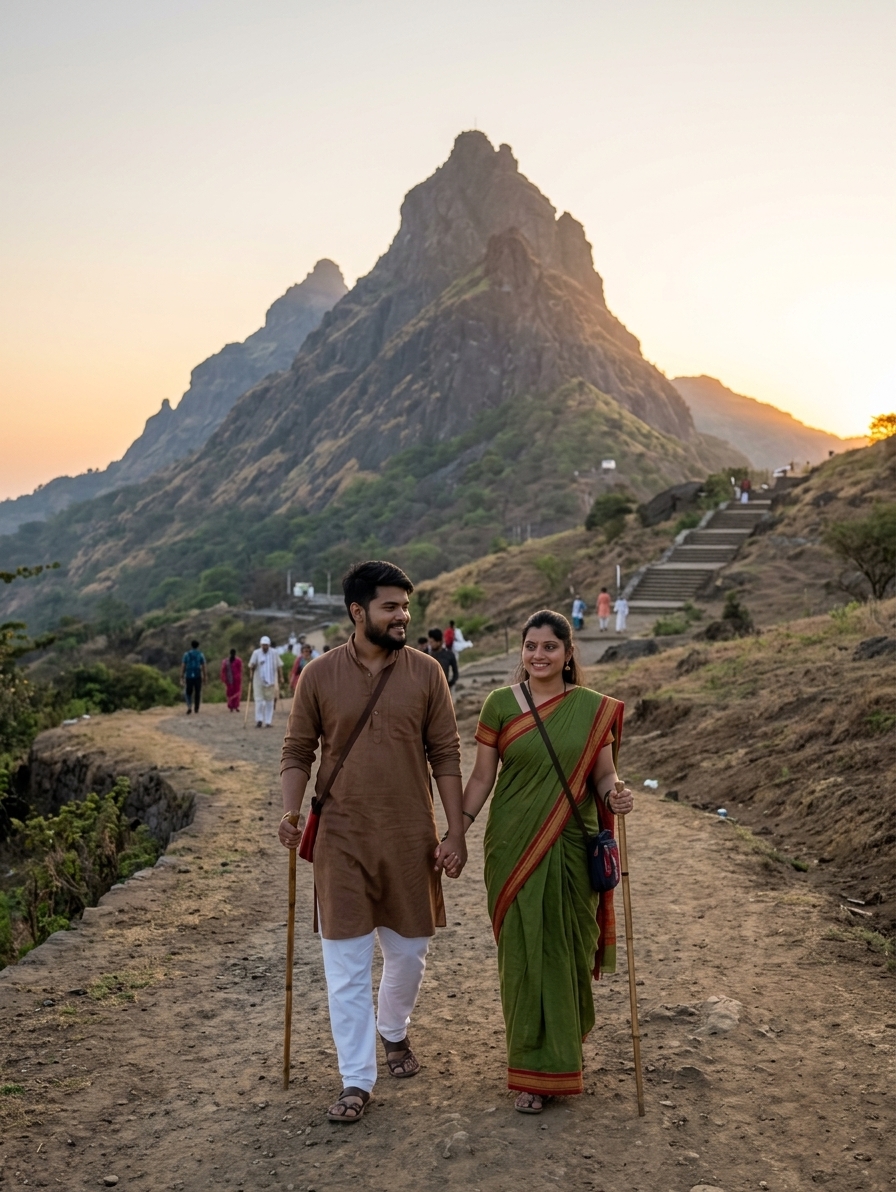
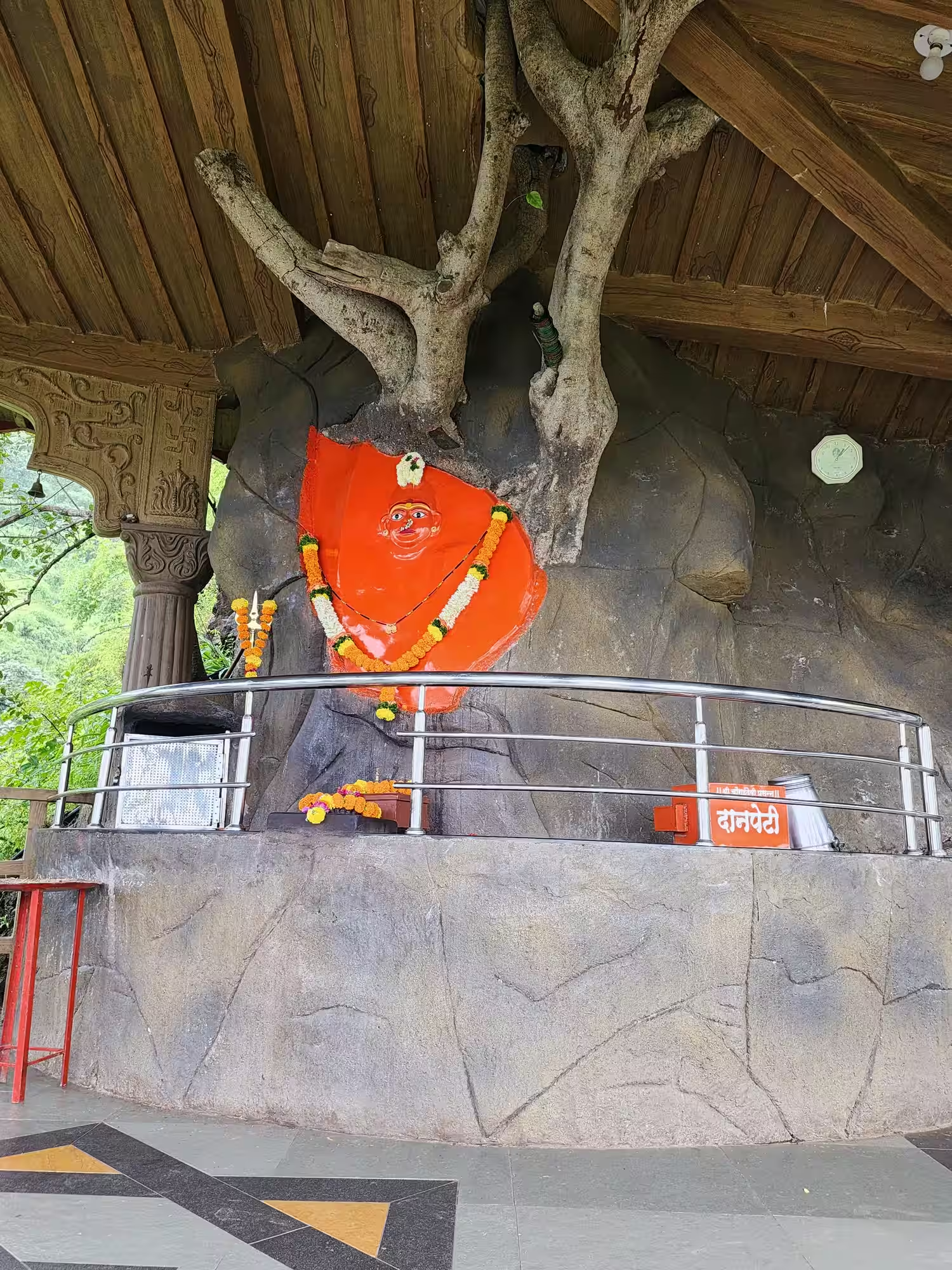
Spiritual journey stops need different approach. Places like Somnath Temple or Girnar are well-known, but the powerful experiences often happen at smaller shrines along the way. The 300-year-old Hanuman temple we found driving through Nashik backroads. The Dargah near Salaulim Dam where the caretaker explained history for 45 minutes. These stops aren’t planned — they require staying alert to roadside signs and being willing to take 20-minute detours.
Photography spots reveal themselves between 6:30 and 7:30 AM or 5:30 and 6:30 PM. The golden hour light transforms ordinary locations into extraordinary frames. We’ve learned to plan hotel checkouts for early morning or late afternoon, not midday when harsh light flattens everything.
Pro tip for finding hidden spots: use Google Maps satellite view during planning, not just the road view. Scroll along your route looking for green patches, water bodies, or structures that aren’t marked as tourist spots. Then during the drive, navigate to them. This is how we discovered an abandoned fort near Pawna Lake that had zero visitors and stunning valley views.
The best discoveries happen when you’re willing to make small mistakes. That wrong turn that led to a village market. That “road closed” sign you ignored and found a better route. That local who insisted you try a sweet you’d never heard of. Road trip magic lives in the margins between your plan and what actually unfolds.
Digital Tools and Apps That Actually Help
Technology should simplify road trip planning in India, not complicate it. Half the apps people recommend sound useful but add zero practical value when you’re actually driving.
Google Maps remains essential for basic navigation, but treat it as a starting suggestion, not absolute truth. Download offline maps for your entire route plus 50 kilometers on either side. The offline map has saved us seven times when network disappeared in valleys or remote sections. Also check the map’s last update date — if it’s more than a year old, road conditions shown might not match reality anymore.
Maps.me works as a solid backup navigation app. It’s completely offline once you download the region, shows more detail on rural roads than Google Maps, and includes trails and paths that official maps skip. The interface feels dated, but functionality matters more than design when you’re lost near Bedse Caves with no network.
For fuel planning, the Fuel Buddy or similar apps show nearby petrol pumps with current prices and user reviews. But the real hack is simpler: never let your tank drop below one-third on highways. Fuel stations exist, but gaps can hit 70 to 80 kilometers in some sections. Running low adds stress you don’t need.
FASTag recharge happens through Paytm, Google Pay, or your bank app. Check balance the night before you leave. Nothing worse than getting stuck at a toll plaza because your FASTag has ₹40 and the toll is ₹65.
For accommodation, we use Booking.com and Agoda for comparing options, but then check the hotel’s direct website or call them. Sometimes direct booking saves 12 to 18 percent compared to app prices. Plus calling lets you ask specific questions: Is parking secure? How far is the property from the highway? Is there construction nearby? Reviews mention problems, but calls reveal current reality.
Weather apps matter more than you think. Check not just destination weather but weather along your entire route. Rain in Pune doesn’t tell you about fog in Lonavala ghats or storms near Mahabaleshwar. We use Windy.com during monsoon trips — it shows rain intensity and movement, helping us time departures to avoid the heaviest downpours.
WhatsApp location sharing keeps everyone informed without constant check-in calls. Share your live location with family in a group, and they can see your progress without interrupting your drive with “where are you now” messages every two hours.
One app nobody mentions but we use constantly: Google Keep for shared trip checklists. Samprita and I both have edit access to our packing list, expenses tracking, and places-to-visit notes. When one of us thinks of something or spends money, it immediately updates for both. Simple, functional, zero learning curve.
What doesn’t help: complicated itinerary planning apps with seventeen features you’ll never use, social travel apps that focus on posting content rather than actual trip logistics, and navigation apps that promise “best routes” but lack India-specific data.
Phone battery strategy is critical. Both phones should start each driving day at 100 percent. Carry two car chargers (one always fails). A 20,000 mAh power bank gives you backup for two days if car charging fails. And here’s the thing nobody does: put your phone on low power mode during driving. Navigation doesn’t need full performance — it needs sustained battery.
The Post-Trip Reality: Costs, Lessons, and What We’d Change
Every road trip teaches something the next one needs. If you’re not tracking lessons, you’re just repeating mistakes in different locations.
We maintain a simple trip journal — not the poetic kind, the practical kind. Fuel costs, toll amounts, hotel ratings, food spots worth returning to, roads to avoid, and timing lessons. After 47 trips, patterns emerge that make the next planning 60 percent easier.
Cost tracking matters because memory lies. You’ll remember the expensive resort night but forget the ₹180 you spent on roadside fruit or the ₹450 parking fee at that viewpoint. Use a notes app during the trip to record every expense above ₹100 immediately. At trip end, you’ll have real data, not estimates that are always 30 percent too low.
The “worth it” evaluation makes future planning sharper. For every destination, hotel, activity, and food spot, ask: would we recommend this to friends? Would we do it again? Was the cost justified by the experience? The fancy lakeview farmhouse plots near Mulshi that cost ₹5,000 per night? Worth every rupee — stunning location, complete peace. The “boutique” resort near Mahabaleshwar with the ₹4,200 rate? Absolutely not worth it — basic room with an inflated price because it had Edison bulbs and called itself boutique.
Vehicle performance notes help with long-term planning. How did the car handle mountain roads? Did AC affect mileage significantly? Any unusual sounds or issues? Were ground clearance problems encountered? These observations guide vehicle choice for future trips.
Timing lessons prove valuable. We learned that leaving Pune after 10 AM means hitting lunch traffic in every town along the way. Starting at 6 AM feels brutal but saves 90 minutes of stop-and-go frustration. Similarly, reaching destinations by 4 PM gives you daylight to find the hotel, check in comfortably, and explore the immediate area before dark. Arriving at 7 PM means you’re navigating unfamiliar roads in darkness while hungry and tired.
What we consistently change: packing less. Every trip we think we’ve minimized, and every trip we bring home clothes we never wore. Aim for 30 percent less than feels sufficient. You’ll still overpack, but at least you’ll be closer to right.
What we never change anymore: the buffer day philosophy. Every 3-day trip is planned with 4 days available. Every 5-day trip has 6 days blocked. This single habit removes 80 percent of trip stress. You’re not racing checkpoints. You can spend extra time at the Salaulim Dam because the sunset is spectacular. You can rest when you’re actually tired instead of pushing through because the schedule demands it. Road trips should feel like freedom — tight scheduling kills that completely.
The honest assessment most travelers skip: energy cost versus experience value. Some trips are worth the exhaustion — Kailash Mansarovar changes you despite being physically demanding. Others aren’t — that 900-kilometer weekend rush where you drove eight hours to spend four hours at a location then drove back. You got an Instagram post, but the experience-to-exhaustion ratio was terrible.
Frequently Asked Questions
What is the ideal distance to cover per day on an India road trip?
Between 220 and 280 kilometers per day keeps driving manageable and leaves energy for actually enjoying destinations. Anything beyond 350 kilometers turns the trip into a driving marathon with sightseeing as a side activity. Factor in road quality though — 250 kilometers on smooth highways feels easier than 180 kilometers on broken state roads. For couple travel where you share driving, 300 kilometers is workable. Solo drivers should stick to 250 kilometers maximum.
How much does a 1000 km road trip cost in India for a couple?
Expect ₹15,400 to ₹23,200 for a couple in a sedan covering 1000 kilometers over four days with mid-range accommodation and mixed dining. This breaks down to approximately ₹5,800 for fuel assuming 14 kmpl and ₹95 per liter petrol, ₹1,200 for tolls, ₹6,400 to ₹9,600 for hotels at ₹1,600 to ₹2,400 per night, and ₹2,000 to ₹2,400 for food. Add 18 percent buffer for miscellaneous expenses, unplanned activities, and emergencies.
Is FASTag mandatory for road trips in India in 2026?
Yes, FASTag is mandatory at all toll plazas across national and state highways. Cash lanes have been phased out at most locations. Without FASTag, you’ll either face long delays finding the rare cash-accepting lane or pay double the toll amount as penalty at some plazas. Ensure your FASTag is active and loaded with at least ₹800 before starting any multi-day road trip. Check balance through your bank app or the FASTag issuer’s portal.
Which are the safest routes for couple road trips from Pune?
Pune to Lonavala via old Mumbai highway, Pune to Mahabaleshwar via NH48, Pune to Goa via the coastal route through Ratnagiri, and Pune to Mulshi are consistently safe with good road conditions and regular traffic. These routes have multiple fuel stations, decent mobile network coverage, and police presence. For longer trips, the Pune to Somnath Temple route via Gujarat is well-maintained. Avoid lesser-known shortcuts suggested by navigation apps without recent user reviews — they often lead to poorly maintained single-lane roads.
What should I do if my car breaks down on a highway during a road trip?
First, move the vehicle to the leftmost edge or emergency lane if possible. Turn on hazard lights immediately. Place a warning triangle 50 meters behind your vehicle if you have one. Stay inside the locked car, especially on busy highways. Call roadside assistance if your vehicle manufacturer provides it, or contact a local mechanic — this is why saving mechanic numbers along your route matters. Share your exact location via Google Maps with family or friends. If you must exit the vehicle, stay well off the road and make yourself visible. Don’t accept help from unknown individuals unless you’ve verified they’re legitimate service providers.
Ready to Turn Road Trip Planning Into Real Adventures?
Road trip planning in India isn’t complicated — it’s just different from the sanitized travel you see in edited videos and filtered photos. It requires accepting that monsoon rains might change your route, that the “5-star” hotel might disappoint, and that your most memorable moment might happen at an unnamed chai stall where you stopped only because you needed a bathroom.
Musafir Couple has learned these lessons across thousands of kilometers between Pune and Kashmir, through coastal Karnataka, across Gujarat’s highways, and into Goa’s hidden corners. Every road trip we take adds another layer of understanding about what works, what fails, and what makes the difference between a stressful journey and a story you’ll tell for years.
The trips that matter aren’t the ones with perfect execution. They’re the ones where you prepared enough to handle imperfection, budgeted enough to afford spontaneity, and planned enough to create space for the unplanned. That’s the balance worth finding.
If you’re planning your first real road trip or your fiftieth, the principles remain the same: respect the road, prepare for variability, pack lighter than you think necessary, and stay open to the detours that turn into highlights. Start planning with real costs, real routes, and realistic expectations. Your road trip story is waiting — it just needs you to begin.
For more honest travel guides, real cost breakdowns, and unfiltered road trip experiences from actual Indian travelers, follow Musafir Couple. We share the roads, the mistakes, the budgets, and the hidden spots nobody else talks about. Because travel should feel real, not like someone else’s highlight reel.