
 by
by Meta Title:
How to Plan Monsoon Travel in Maharashtra: Real Tips from the Road
Meta Description:
Meta Description:
Plan your monsoon travel in Maharashtra the right way. Real costs, hidden routes, timing hacks, and places worth visiting — no fluff, just honest advice from fellow travelers.
Full Article
How to Plan Monsoon Travel in Maharashtra: Real Tips from the Road
Most people get monsoon travel in Maharashtra completely wrong. They pack for a weekend hill station trip, book the same overpriced resorts everyone else books, and end up disappointed when half their plans wash out. We’ve done that. Multiple times. Here’s what actually works when planning monsoon travel in Maharashtra — the stuff nobody tells you until you’ve been stuck on a muddy road at 7 PM with no phone signal.
Start with Roads, Not Destinations
Everyone plans monsoon trips backwards. They pick a destination first, then figure out how to get there. That’s exactly how you end up on a flooded state highway at 3 PM watching your car’s underbelly scrape rocks.
Plan the route before you finalize the place. Seriously. Check which roads actually stay open during heavy rainfall. The Mumbai-Pune Expressway? Usually fine. That scenic route through Tamhini Ghat your friend suggested? Not always. We learned this the hard way driving to Mulshi during peak monsoon in 2024 — what should’ve been a 2-hour drive became 4 hours because two shortcuts were closed due to landslides.
Google Maps won’t tell you this. It shows roads that technically exist but aren’t safe or accessible. Call ahead. Ask locals. Check recent travel vlogs. We always search for videos uploaded within the last 10 days before any monsoon trip planning. Someone’s usually posted something that saves you hours of frustration.
The NH48 stays reliable. The Pune-Satara route via NH48 handles monsoon traffic well — we’ve driven it in moderate to heavy rain without issues. But smaller connecting roads? That’s where things get unpredictable. Budget an extra 40% travel time for any route during monsoon. If GPS says 3 hours, plan for 4.5 hours minimum.
Pick Destinations That Actually Improve in Rain
Here’s something most Maharashtra monsoon travel guides miss — not every place is better when it’s wet. Some destinations just become muddy, crowded versions of their dry-season selves. The trick is finding spots that genuinely transform during rainfall.
Lonavala gets all the attention. It’s accessible, it’s beautiful, and everyone goes there. Which means you’re competing with 50,000 other people who had the same idea. We went to Lonavala on a Saturday in July 2025. The traffic jam started 15 kilometers before town. Parking near Bhushi Dam? Forget it. We spent more time sitting in traffic than actually enjoying the waterfalls.
Better option? Bhimashankar. It’s further from Pune — about 110 kilometers — but that distance filters out the casual crowd. The drive through Khandala-Manchar-Rajgurunagar-Bhimashankar route during monsoon is spectacular. Dense forests, streams crossing roads, and significantly fewer vehicles. The temple town gets moderate visitors even during monsoon weekends, but it never feels suffocating like Lonavala does. Plus, actual trekking opportunities if you’re into that.
Matheran works if you go mid-week. Weekend Matheran during monsoon is a mess — long queues for toy train tickets, overpriced ponies, and packed viewpoints. But Tuesday or Wednesday Matheran? Completely different experience. We stayed there on a Wednesday in August 2024. Walking the trails in light drizzle with maybe 30 other people around felt like we’d discovered the place ourselves. No pushing crowds at Panorama Point. No screaming kids at Louisa Point. Just fog, rain, and peace.
Bhandardara is the answer most people haven’t figured out yet. It’s gaining popularity, but it’s still not overcrowded like the usual suspects. The drive from Pune takes about 4.5 hours via Ahmednagar, longer if you stop for photos — and you will stop. The Arthur Lake overflows during peak monsoon, creating the famous Umbrella Falls. The sight of water cascading down the dam wall is worth every kilometer. Just don’t expect luxury accommodations. Most stays near Bhandardara are basic homestays or MTDC properties. That’s part of the charm, honestly.
Time Your Trip Around Rainfall Patterns, Not Weekends
Everyone travels on weekends. Which means everyone faces the same problems — traffic, inflated prices, booked hotels, and crowded attractions. If you have any flexibility at all, travel mid-week during monsoon in Maharashtra.
But here’s what matters more than day of the week — rainfall intensity. Heavy continuous rain sounds romantic until you’re trapped indoors for 18 hours watching water sheets blur every window. Light to moderate intermittent rain? That’s the sweet spot. You get the green landscapes, dramatic skies, and waterfalls without the misery of being soaked through and stuck.
We track rainfall using IMD’s website and cross-check with local weather forecasts specific to the region. Generic “Maharashtra weather” predictions are useless — weather in Konkan differs drastically from weather in Western Ghats even 100 kilometers away. For monsoon trip planning, check district-specific forecasts 3-4 days before departure.
Late June and early July bring the heaviest rainfall across Maharashtra. Roads are slippery, landslides are common, and many guesthouses haven’t fully opened for the season. August and early September offer better conditions — steady rain, lush greenery, functional waterfalls, but less chaos. We prefer the August window for monsoon destinations in Maharashtra. The landscape is equally beautiful, but infrastructure has adapted to the season and roads are slightly less dangerous.
Never travel during orange or red alerts. Just don’t. We ignored a yellow-turning-orange alert once heading to Kolad in July 2025. Reached the place fine. Got stuck there for an extra day because the return route flooded. Lost a day of work, paid for an unplanned hotel night, and spent hours negotiating with the resort about extending our stay. Not worth the stress.
Budget Real Costs — They’re Higher Than You Think
Monsoon travel in Maharashtra costs more than off-season travel. Period. Hotels charge peak rates. Food prices increase in remote areas. Vehicle maintenance after muddy drives adds up. And you’ll spend on things you didn’t plan for.
Fuel consumption increases by 15-20% on wet, hilly roads. Your car works harder, you drive slower in lower gears, and those diversions add kilometers. For a typical Pune to Bhandardara round trip, budget ₹2,800-3,200 for fuel if you’re driving a sedan. Tolls add another ₹400-500 depending on your route.
Accommodation during monsoon weekends can be insane. A basic hotel room in Lonavala that costs ₹1,200 on a Tuesday in February will demand ₹3,500 on a Saturday in August. Homestays near popular waterfalls charge premium rates and often require two-night minimum bookings. We’ve paid ₹4,200 for a simple room with lake view near Bhandardara that would’ve cost ₹1,800 off-season. Annoying, but that’s the monsoon markup.
Food gets expensive in remote monsoon destinations. A plate of Maggi at a roadside shack near Malshej Ghat costs ₹80. Same Maggi in Pune costs ₹40. Carry snacks and water if you’re budget-conscious. We always pack dry snacks, biscuits, and at least 4 liters of water for any Maharashtra monsoon travel lasting more than 4 hours. You’ll find dhabas and restaurants, but options thin out quickly once you’re off major highways.
Parking is rarely free at popular monsoon spots. Budget ₹50-150 per location depending on how commercialized the area is. Bhushi Dam charges ₹100. Some viewpoints near Malshej charge ₹50. Small amounts, but they add up over a two-day trip.
Emergency buffer is non-negotiable. Keep ₹5,000-7,000 liquid cash for unexpected situations — road closures requiring long diversions, emergency stays, vehicle troubles, or medical needs. Card machines fail in remote areas. UPI doesn’t work everywhere. Cash does. We learned this when our planned route to Alibaug got waterlogged and we had to take a long detour through toll roads we hadn’t budgeted for. That ₹800 extra in tolls and extended fuel consumption would’ve been a problem without buffer money.
Pack for Reality, Not Instagram
Most people pack for how they want monsoon travel to look, not how it actually feels. The result? Wet clothes, ruined electronics, and uncomfortable days.
Waterproof bags are mandatory. Not “water-resistant.” Not “splash-proof.” Actually waterproof. Everything you care about — phone, wallet, documents, extra clothes — goes into sealed waterproof bags. We use simple 20-liter dry bags that cost ₹600. They’ve saved our camera gear multiple times when we got caught in sudden downpours in the Western Ghats.
Footwear makes or breaks your trip. Regular sneakers become soggy, uncomfortable disasters within 2 hours. Floaters or sports sandals with good grip work better for most situations. If you’re trekking, invest in proper waterproof trekking shoes. We made the mistake of wearing regular canvas shoes to Lohagad Fort during monsoon. Feet were soaked before we even started climbing. Blisters followed. Miserable experience that good footwear would’ve prevented.
Three sets of clothes minimum. One you’re wearing. One backup that stays completely dry in your waterproof bag. One for emergencies. Cotton takes forever to dry during monsoon. Synthetic quick-dry fabric makes sense even though it feels less natural. Carry an extra pair of socks — wet socks are torture.
Raincoats beat umbrellas on most monsoon destinations in Maharashtra. Umbrellas are useless in windy areas, they’re bulky, and they occupy one hand you need for other things. A good quality raincoat — not those ₹50 plastic sheets that tear after one use — costs ₹800-1,200 and lasts multiple seasons. Get one with a hood. We use raincoats from Quechua that have survived 3 monsoon seasons across Maharashtra without issues.
First aid matters more during monsoon trip planning. Cuts and scrapes get infected faster in wet conditions. Basic antiseptic, band-aids, pain relievers, and any personal medications should be in a waterproof pouch. Motion sickness tablets if you’re sensitive — those winding ghat roads in rain are tough on stomachs.
Know Which Activities Work and Which Don’t
Monsoon travel changes what’s actually enjoyable to do. Some activities that sound perfect on paper are miserable in practice when it’s raining.
Waterfall chasing is the obvious monsoon activity, but timing matters. Early morning visits work better — fewer crowds, better light for photos, and waterfalls have maximum flow after overnight rain. We’ve visited the same waterfall near Igatpuri at 7 AM and then again at 2 PM. Morning was peaceful with maybe 10 people around. Afternoon had 200+ people jostling for selfie spots. Zero enjoyment.
Trekking is risky during heavy rain. Trails become slippery, leeches are everywhere, and visibility drops. Light treks to forts like Lohagad or Rajmachi are manageable if you’re prepared and the rain isn’t too heavy. Anything more technical should wait. We attempted the Harishchandragad trek during monsoon in 2024 — had to turn back halfway because the trail became dangerously slippery and fog made navigation impossible. Not worth the risk.
Boating gets cancelled often. Many reservoirs and lakes in Maharashtra offer boating, but they shut down operations if rainfall is heavy or wind picks up. Don’t plan your entire trip around boating. We went to Pawna Lake specifically for the boating experience — got rained out completely. Luckily we’d planned other activities, but if boating was our only plan, the trip would’ve been a waste.
Food trails work beautifully during monsoon. Hot bhajjis, vada pav, cutting chai, and corn on the cob taste better when it’s pouring outside. Every town in Maharashtra has its street food scene that comes alive during rain. In Lonavala, the chikki shops and hot samosa stalls are better than any viewpoint. Malshej Ghat has roadside vendors selling piping hot pakoras that make the cold, wet weather enjoyable. This is where monsoon travel in Maharashtra actually shines — not in activities, but in experiences.
Photography works best in soft light between rain showers. Harsh afternoon sun doesn’t exist during monsoon, which means softer, more even lighting. But protecting camera gear is critical. Even light drizzle can damage electronics. We use simple rain sleeves for our camera — basically plastic covers with openings for lens and viewfinder. Cost ₹300, saved equipment worth ₹50,000 multiple times.
Choose Stays That Match Your Actual Needs
Accommodation options during Maharashtra monsoon travel range from luxury resorts to basic homestays. Neither is inherently better — what matters is matching the stay to what you actually need.
Luxury resorts sound tempting, but you’re paying for amenities you might not use. If you’re planning to be out exploring most of the day, that ₹8,000-per-night resort with infinity pool and spa is wasted money. You’ll use the room to sleep and change clothes. That’s it. We’ve stayed at premium properties near Mulshi and basic homestays near Bhandardara. Enjoyed the homestay experience more because expectations were realistic and the focus was on the destination, not the hotel.
Homestays offer better local insights if the hosts are engaged. Good homestay owners know current road conditions, which waterfalls are flowing, where the crowds are, and which local restaurants serve good food. This information is worth more than a fancy bathroom. A homestay owner in Bhandardara told us about a lesser-known viewpoint that almost nobody visits — we went there and had the place to ourselves for 2 hours. No resort concierge is giving you that.
Location matters more than luxury. A basic room 500 meters from a major attraction beats a fancy resort 15 kilometers away. During monsoon, you don’t want to drive extra distances on slippery roads in the dark. We prioritize proximity over amenities. The room’s just a base. The destination is why you’re there.
Check reviews specifically mentioning monsoon stays. Some properties are great in dry season but have serious issues during rain — leaking roofs, flooded access roads, poor drainage, no hot water when you desperately need it. TripAdvisor and Google reviews filtered by “monsoon” or “rainy season” give realistic expectations. We avoided a highly-rated resort near Alibaug after reading three monsoon reviews mentioning waterlogged parking and room dampness issues.
Confirm cancellation policies before booking. Weather during monsoon is unpredictable. Heavy rainfall might make travel impossible. Road closures happen. Having flexible cancellation (even if it costs ₹200-300 extra) prevents losing your entire booking amount if nature doesn’t cooperate. We’ve had to cancel two trips at the last minute due to orange alerts — lost ₹500 in cancellation fees total, but would’ve lost ₹6,000 in non-refundable bookings otherwise.
Prepare Your Vehicle or Pick the Right Transport
Most monsoon travel issues in Maharashtra stem from vehicle problems that were preventable. If you’re driving, preparation isn’t optional.
Tire condition is critical. Worn treads lose grip on wet roads. Check tire depth before any monsoon road trip. If your tires are more than 60% worn, consider replacing them before monsoon season. We skipped this once because tires “looked fine” — ended up with terrifying skid moments on the Pune-Lonavala highway during moderate rain. Not worth the risk for saving ₤6,000 on tires.
Wiper blades need to actually work. Old, worn wipers smear water instead of clearing it. Replace them before monsoon if they’re more than a year old. Costs ₹400-800 depending on vehicle. We replace wipers every monsoon season now because visibility is everything on ghat sections during rainfall.
Brakes must be responsive. Wet roads increase braking distance by 50-70%. If your brakes feel even slightly spongy in normal conditions, get them serviced before attempting hill drives during monsoon trip planning. Brake failure on a downhill ghat road in rain is a nightmare scenario you prevent with a ₹2,000 service check.
Check coolant and engine oil levels. Engines work harder on hilly terrain and monsoon routes. Low coolant or old oil can cause overheating even in cool weather because the engine’s under load. Basic fluid checks take 10 minutes at any service station and prevent expensive breakdowns in remote areas.
Carry emergency supplies in the vehicle. Jumper cables, basic toolkit, flashlight, tow rope, reflective triangle, and a mobile air compressor. We carry all these in a ₹2,500 emergency kit that’s never been fully used — but having it removes anxiety. The one time we needed jumper cables for another stranded traveler near Malshej Ghat, we were glad we had them.
If you don’t want vehicle responsibility during monsoon travel, hire a driver familiar with ghat roads. Several services in Pune and Mumbai offer vehicles with experienced drivers for ₹3,500-5,000 per day depending on vehicle type and distance. That person knows the roads, drives defensively, and handles mechanical issues. You relax and enjoy the scenery. For first-time monsoon travelers in Maharashtra, this option makes sense.
Actually Check Weather and Road Conditions Daily
This sounds obvious, but most people check weather once when planning the trip, then assume everything stays the same. Monsoon weather changes hourly. What looked fine 3 days ago might be dangerous by departure day.
Check IMD (India Meteorological Department) website daily for 5 days before travel. Not just general forecasts — look at district-specific rainfall predictions and warnings. Orange or red alerts mean postpone or cancel. Yellow alerts mean proceed cautiously with backup plans. Green doesn’t guarantee perfect weather, but it means no major systems are active.
Local news sources report road closures faster than national apps. If you’re heading to specific regions — Konkan, Sahyadri, Vidarbha — follow local news pages on social media. They post real-time updates about landslides, flooding, and road blocks. We follow Pune Mirror, Maharashtra Times, and region-specific travel groups on Facebook. Saved us from heading toward blocked routes twice in 2025.
Call your accommodation the day before departure. Ask about current conditions, road accessibility, and local rainfall. Hosts have ground truth that weather apps miss. A homestay owner near Alibaug once told us that while the main road was clear, the 2-kilometer approach to their property was waterlogged and needed a high-clearance vehicle. We adjusted plans accordingly — would’ve been stuck otherwise.
Maharashtra Highway Police Twitter handles post traffic and road updates during monsoon. Follow them. They announce closures, diversions, and dangerous stretches in real-time. More reliable than crowdsourced apps that depend on user reports that might be hours old.
Have backup destinations ready. If your primary plan becomes unsafe due to weather, knowing alternate options prevents wasted trips. We always identify 2-3 other places at similar distance before any monsoon travel in Maharashtra. When rains made our Mahabaleshwar plan risky, we switched to Panchgani — 20 kilometers away, less traffic, and safer roads. Trip wasn’t wasted.
Frequently Asked Questions
What is the best time for monsoon travel in Maharashtra?
August to early September offers the best balance — landscapes are lush, waterfalls are active, but rainfall intensity is slightly less extreme than June-July. Roads are more predictable and fewer last-minute closures happen. Mid-week travel between Tuesday and Thursday ensures smaller crowds and better pricing.
Which are the safest monsoon destinations in Maharashtra for families?
Matheran (no vehicles, pedestrian-only), Bhandardara via Ahmednagar route (good highway access), and Igatpuri (close to Mumbai-Nasik highway) are safest for families. Avoid remote destinations requiring long drives on narrow ghat roads if traveling with small children or elderly members.
How much should I budget for a 2-day monsoon trip in Maharashtra?
Budget ₹8,000-12,000 for two people covering fuel (₹2,500), accommodation (₹3,000-5,000), food (₹1,500), entry fees and parking (₹500), and buffer for unexpected costs (₹1,500). Costs increase 30-40% if traveling on weekends or to premium destinations like Lonavala or Mahabaleshwar.
Is it safe to drive to hill stations during monsoon in Maharashtra?
Moderately safe if you’re an experienced driver, vehicle is well-maintained, you avoid heavy rainfall periods, and you choose major routes over shortcuts. Always drive during daylight hours, maintain lower speeds than usual, and avoid travel during orange or red weather alerts. First-time monsoon drivers should consider hiring experienced drivers.
What should I pack for monsoon travel in Maharashtra?
Pack waterproof bags for electronics and documents, quick-dry clothes (3 sets minimum), good-grip waterproof footwear, quality raincoat, basic first aid kit, insect repellent for leeches, dry snacks, water bottles, power bank, and emergency cash of ₹5,000-7,000. Keep everything important in sealed waterproof bags, not regular backpacks.
Start Planning Your Maharashtra Monsoon Adventure Now
Monsoon travel in Maharashtra isn’t about following the same tourist trail everyone else takes. It’s about understanding what actually works, preparing for real conditions, and choosing destinations that make sense for how you travel. The couples who enjoy it most aren’t the ones chasing picture-perfect moments — they’re the ones who pack properly, pick realistic routes, and accept that rain will change plans.
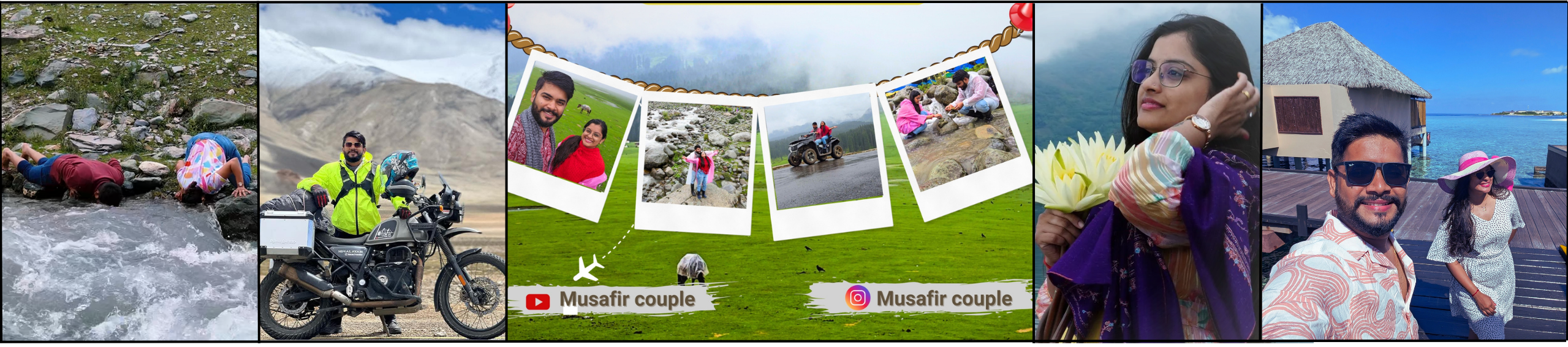
Musafir Couple shares real experiences from actual monsoon trips across Maharashtra — the beautiful moments, the frustrating delays, the hidden spots, and the honest costs. We’re Ketan and Samprita, and we’ve made every mistake mentioned in this guide at least once. Learning from those failures means your monsoon trip planning can skip the painful parts.
Planning your first monsoon adventure in Maharashtra? Want to know which destinations are actually accessible next weekend or what a specific route looks like during heavy rain? Follow our journey on YouTube where we document real road conditions, actual costs, and unfiltered experiences across Maharashtra’s monsoon destinations. Because the best travel advice comes from people who’ve gotten stuck in the same rain you’re about to drive through.