

 by
by Discover India’s most powerful spiritual places from temples to pilgrimage sites. Honest reviews, real costs, and insider tips from couples who’ve traveled these sacred journeys.
Full Article
Best Spiritual Places to Visit in India: Real Travel Guide from a Traveling Couple
We visited 23 spiritual places across India in the last two years. Some changed us. Some disappointed us. Some exceeded every expectation we had.
This isn’t a list compiled from Google searches. Every destination here, we’ve stood at ourselves—Ketan and I, Samprita, from Musafir Couple. We’ve climbed those steps, felt that energy, paid those entry fees, dealt with those priests, and figured out what’s actually worth your time and what’s just hype. Because here’s what most pilgrimage guides won’t tell you: not every famous temple delivers a spiritual experience, and some unknown spots will move you to tears.
Let me be direct. If you’re looking for spiritual places in India that actually deliver—not just tick boxes on your religious tourism checklist—you need more than a temple name and a Google Maps pin.
Why Most Spiritual Tourism in India Feels Transactional
We learned this the hard way at our third major pilgrimage site.
You arrive hopeful. The architecture is stunning. The history is real. But the experience? Rushed. Commercialized. Surrounded by aggressive vendors and complicated darshan queues that feel more like airport security than spiritual seeking. You leave feeling you saw something important but didn’t quite feel it.
That’s the trap with famous pilgrimage sites in India. Popularity doesn’t equal peace. We’ve stood in four-hour queues at temples where the actual deity darshan lasted 11 seconds. Not exaggerating—Ketan timed it.
But here’s what we discovered: India has layers of spiritual places most travelers never reach. The famous ones get 90% of the pilgrims. The transformative ones? They’re hiding in plain sight, waiting for people who want more than a selfie and prasad.
Our Framework: Three Types of Spiritual Places That Actually Work
After visiting dozens of temples to visit in India, we realized spiritual places fall into three categories—and knowing which type you need changes everything.
Category One: The Power Centers. These are your Somnath, Kailash Mansarovar, Vaishno Devi. High energy. High crowd. High logistical complexity. You go here once, maybe twice in your lifetime. The spiritual hit is real but the experience demands physical stamina and mental preparation. These aren’t weekend trips—they’re pilgrimages.
Category Two: The Hidden Sanctuaries. This is where we found our deepest experiences. Bedse Caves near Pune. Small Ganpati temples in villages. Ancient Shiva shrines in Karnataka forests. Almost no crowds. Simple rituals. Raw, unfiltered spiritual atmosphere. These work for couples, solo seekers, anyone who wants contemplation over spectacle.
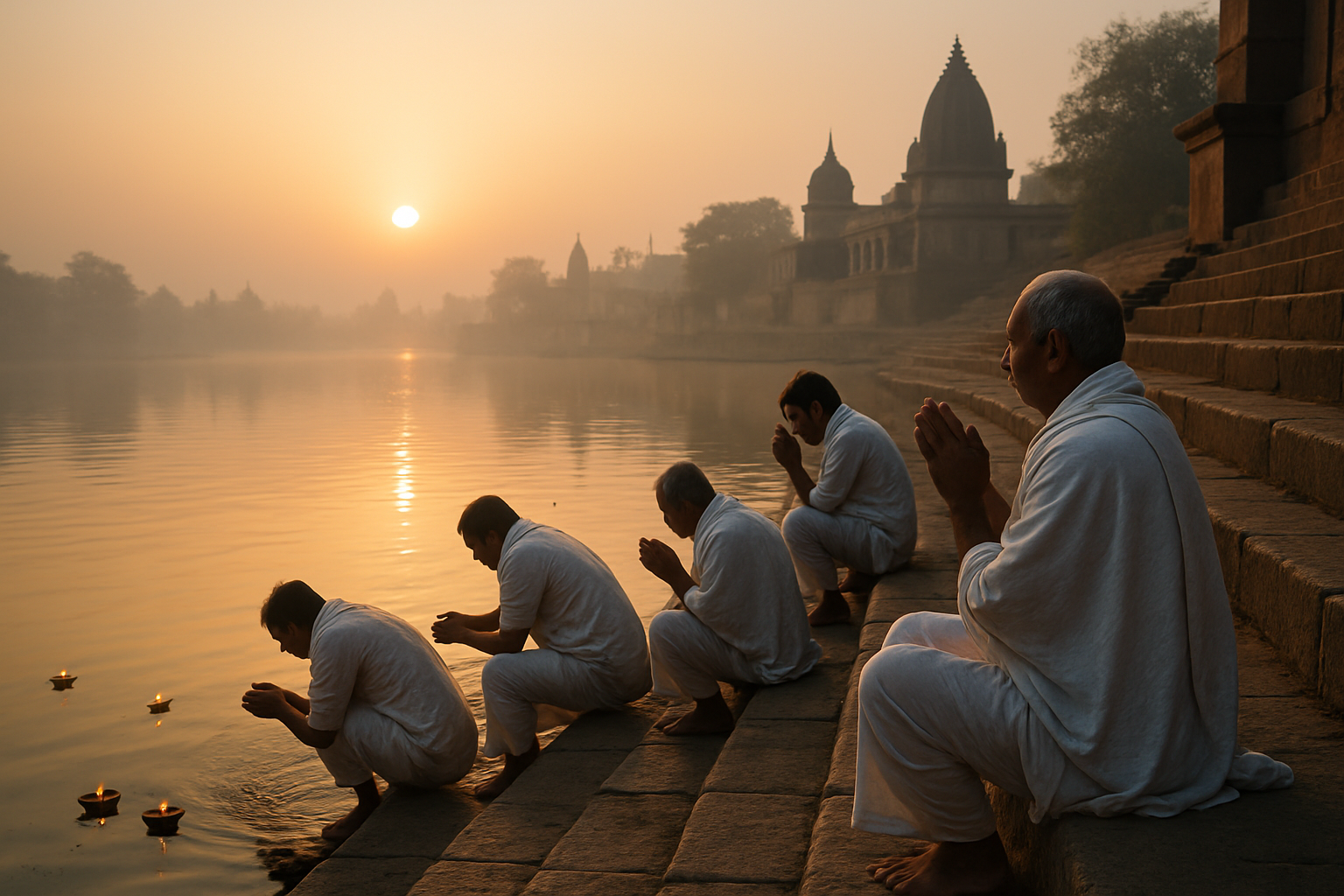
Category Three: The Nature-Spirit Blend. River ghats at sunrise. Himalayan meditation spots. Lakeside temples in Mulshi. These combine natural beauty with spiritual architecture. Lower on religious intensity, higher on peace and reflection. Perfect for people exploring spirituality without rigid religious frameworks.
Most guides treat all spiritual places in India the same. That’s the mistake. Your experience depends entirely on matching your seeking to the right category.
North India: Where Pilgrimage Sites Meet Raw Spirituality
Let’s start with the power centers because that’s what most people think of first when planning religious tourism in India.
Somnath Temple, Gujarat. We reached here after an eight-hour drive from Ahmedabad. First impression? The Arabian Sea crashing behind the temple creates this surreal backdrop that no photograph captures properly. The temple itself has been destroyed and rebuilt 17 times—and you feel that resilience in the atmosphere.
Here’s the practical reality: if you go during peak season (October to March), expect two-hour queues. But here’s the hack we discovered—reach by 5:30 AM for morning aarti. Queue time drops to 23 minutes, and you get the best darshan slot. Total cost for two including travel, accommodation, and meals: ₹4,800 over two days from Pune. Worth it? Absolutely. But only if you plan around crowd timing.
Girnar, Gujarat. This one broke us physically and rebuilt us spiritually. It’s not just a temple—it’s a mountain with multiple temples requiring a 10,000-step climb. We made the mistake of starting at 9 AM in November. By step 4,000, we questioned every life decision. But somewhere around step 7,200, something shifted. The exhaustion cleared mental noise we didn’t even know we were carrying.
One contrarian opinion: most people use the ropeway. Don’t. The climb is the point. The physical challenge creates the mental opening. If you ropeway up, you’ll see the temples but miss the transformation. Cost: ₹600 per person including food and offerings. Time needed: one full day. Leg pain for the next three days: guaranteed.
Dal Lake Temples, Kashmir. Here’s a spiritual place hardly anyone talks about. Small Mughal-era temples around Dal Lake that combine Kashmiri mysticism with stunning Himalayan views. We spent four hours here one October morning and saw maybe 30 other people total. The spiritual intensity isn’t high-voltage like Somnath—it’s more like a slow realization that builds as you sit there.
The best approach? Stay in a houseboat on Dal Lake, wake up at 5:45 AM, hire a shikara, and visit temples as the valley wakes up. Cost: ₹2,200 for houseboat stay, ₹800 for shikara with temple circuit. This is Category Three spiritual seeking—nature and divinity blurred together.

Western India: Where Spiritual Places Hide in Maharashtra and Goa
Maharashtra gets overlooked in spiritual tourism discussions because everyone assumes it’s just Shirdi. That’s lazy research.
Bedse Caves, Pune. This became our go-to escape from Pune city life. Two-thousand-year-old Buddhist caves carved into hillside. Zero commercialization. You’ll find maybe five other visitors on a busy day. The main meditation hall has acoustics that make even whispered mantras resonate. We’ve taken three couples here who were skeptical about spiritual places—all three came back with us again within two months.
The drive from Pune takes 47 minutes. Entry is free. There’s an old lady who sells chai at the base for ₹10 per cup that somehow tastes better than any café chai we’ve had. This is Category Two seeking—hidden, powerful, uncrowded. If you’re in Pune and want spiritual recharge without the pilgrimage complexity, this beats everything else.
Ganpati Temples Circuit, Pune. Yes, Pune has the famous Ashtavinayak temples, but the real spiritual experiences are at smaller neighborhood Ganpati temples during non-festival times. We discovered this accidentally during a random Wednesday evening. These temples have resident priests who actually talk to you, explain rituals, don’t rush you. The energy is personal, not transactional.
Our recommendation: visit Kasba Ganpati early morning (6:15 AM works perfectly), then Tambdi Jogeshwari around 7 AM, then breakfast in old Pune. You’ve completed a spiritual circuit and experienced authentic Pune culture simultaneously. Total cost: ₹50 in offerings, ₹200 for breakfast. Time needed: three hours.
Cola Beach Secret Temple, Goa. Most people hit Cola Beach for the lagoon views. We stumbled onto a tiny coastal temple there that locals use but tourists ignore. It sits at the north end of the beach, requires a seven-minute walk through coconut groves. The priest comes once daily at 6 PM for evening aarti. We’ve been there four times—never seen more than six people.
The spiritual vibe is gentle, coastal, grounded. This isn’t about intense seeking—it’s about quiet connection. After aarti, sit at the beach as sunset hits. That combination—ritual, nature, solitude—creates something none of the famous temples to visit in India can replicate. Cost: free. Value: priceless if you’re the right kind of seeker.
South India: Where Ancient Temples Meet Living Traditions
South India does spiritual tourism differently. The temples are older, the rituals more elaborate, the architectural scale more ambitious. But that doesn’t automatically mean better experiences.
Kanyakumari Temples Complex, Tamil Nadu. We went here expecting just the Vivekananda Rock Memorial. What we found: three distinctly different spiritual experiences in one location. The Kumari Amman Temple, the Rock Memorial, and the Thiruvalluvar Statue—each serves a different spiritual need.
Here’s what worked: we spent one full day and one sunrise there. First evening for Kumari Amman Temple (the actual power center), next morning at 5:30 AM for sunrise from Vivekananda Rock. The sunrise moment—standing where three seas meet as the sun emerges—that was the spiritual hit we came for. But the temple visit gave context and grounding.
The mistake most pilgrims make? They rush all three in four hours, tick the box, leave. The place rewards time. Cost for two including ferry, offerings, and accommodation at a decent hotel: ₹3,400. Worth it: yes, but only if you give it proper time.
Somnath Temple, Karnataka. Wait—different Somnath from Gujarat. This one’s in coastal Karnataka, near Gokarna. Almost nobody knows about it. Tiny temple, massive spiritual punch. The priest is an old man who speaks broken Hindi but radiates the kind of calm you read about in spiritual books.
We found this place through a local homestay owner near Gokarna who mentioned it casually. Visited on a Thursday afternoon. Spent two hours there. The entire experience cost ₹100 in offerings and felt more nourishing than some famous pilgrimages that cost ₹10,000. This is the thing about spiritual places in India—sometimes the smallest ones deliver the biggest shifts.
Mountain Spirituality: Himalayan Temples That Transform You
Kailash Mansarovar, Tibet. This isn’t just a pilgrimage—it’s a complete recalibration of your physical, mental, and spiritual limits. We completed this journey in 2025, and it remains the most difficult and most profound thing we’ve ever done.
Let me be clear about what this actually involves. You need 21 days total. The physical challenge is real—high altitude, rough terrain, basic facilities. The cost is substantial—₹2.8 lakh per person for the full organized yatra from Kathmandu. And the spiritual payoff? Impossible to quantify but absolutely undeniable.
One observation that surprised us: the deepest spiritual moments didn’t happen at Mount Kailash itself—they happened during the three-day parikrama around it. Something about circumambulating a mountain sacred to multiple religions, in that landscape, at that altitude, with that intention—it strips away every unnecessary layer you’re carrying.
Is Kailash Mansarovar worth it for everyone seeking spiritual places in India? No. It’s Category One seeking at maximum intensity. You need physical preparation, financial resources, and genuine spiritual readiness. But if you’re called to it—and you’ll know if you are—nothing else in religious tourism in India comes close.
Practical Reality: What Actually Costs More Than Expected
Here’s where most spiritual travel planning falls apart. You budget for the obvious stuff—travel, accommodation, offerings. But there are hidden costs nobody warns you about that add up fast.
Priest fees at major temples. At famous pilgrimage sites, the “voluntary” dakshina for special darshan or puja isn’t really voluntary. We’ve been quoted anywhere from ₹500 to ₹5,100 depending on the temple and the ritual. Budget an extra ₹2,000 per major temple if you want anything beyond basic darshan.
Storage and photography restrictions. Most major temples don’t allow phones or bags inside. Mandatory paid storage at ₹30-50 per item per person. Sounds small until you’re visiting six temples and suddenly you’ve spent ₹600 on locker fees.
Local guide pressure. Guides at spiritual places in India are aggressive and often necessary. They know queue shortcuts and ritual timings you won’t figure out alone. Fair price range: ₹300-800 for a half-day depending on location. But you’ll be quoted ₹2,000 first. Bargain firmly, settle at 40-50% of opening price.
Food restrictions. Many pilgrimage towns are completely vegetarian, some even have restrictions on onion and garlic. Fine spiritually, but it means fewer food options and potentially higher prices. Budget ₹800-1,200 per day per person for decent meals in pilgrimage towns versus ₹400-600 in regular tourist areas.
We’ve learned to add 30% to whatever our initial budget is for spiritual trips. That buffer has saved us from uncomfortable situations more than once.
Our Biggest Mistakes (So You Don’t Repeat Them)
Mistake One: Assuming all temples welcome couples equally. Some traditional temples have strict rules about married versus unmarried couples. Some don’t allow couples to perform rituals together. We’ve faced awkward situations where we assumed we could do a puja together and got separated last minute. Now we always ask beforehand.
Mistake Two: Overdoing it in one trip. Our first spiritual circuit attempt covered seven major temples in nine days. By temple five, we were exhausted and going through motions. The spiritual benefit dropped to almost zero. Now we do maximum three major sites per trip, with rest days between. Quality over pilgrimage resume-building.
Mistake Three: Ignoring local ritual timing. We’ve missed optimal darshan times, special aartis, and sacred moments because we followed our convenient schedule instead of temple rhythms. The most powerful experiences at spiritual places in India happen at specific times—usually very early morning or specific moon phases. Match your plan to temple timing, not your comfort.
Mistake Four: Bringing too much skepticism or too much expectation. Both kill the experience. Skepticism closes you off from subtle energies these places carry. Expectation sets you up for disappointment when your exact imagined experience doesn’t manifest. We’ve learned to arrive open, present, and without a checklist of spiritual feelings we’re supposed to have.
How to Choose Your Next Spiritual Journey
Here’s the decision framework we use now when planning which spiritual places to visit:
Ask yourself: Am I seeking intensity or peace? High energy or quiet contemplation? Crowds or solitude? Physical challenge or gentle presence? Your honest answers determine whether you need Category One power centers, Category Two hidden sanctuaries, or Category Three nature-blended spots.
Next question: How much discomfort am I genuinely willing to handle? Long queues? Basic facilities? Physical exhaustion? No phone access for days? Your comfort threshold eliminates certain pilgrimage sites immediately and saves you from disappointing trips.
Third question: What’s my actual budget and time availability? A weekend getaway to Bedse Caves requires different planning than three weeks for Kailash Mansarovar. Match your resources to realistic spiritual tourism options.
Final question: Am I going because I feel called or because everyone else has? We’ve had our most meaningful experiences at temples nobody recommended and our most forgettable ones at famous sites we felt obligated to visit. Internal pull matters more than external hype.
Beyond Temples: Alternative Spiritual Experiences in India
Not everyone connects with traditional temple worship. Fair enough. Religious tourism in India offers alternatives most guides ignore.
Vipassana meditation retreats. Ten days of silent meditation in centers across India. Free of cost (donation-based). Incredibly challenging. Surprisingly transformative. We completed one in Igatpuri near Pune. It’s not religious, but it’s deeply spiritual. You’ll learn more about your mind in 10 days than a year of temple visits.
Himalayan nature ashrams. Small meditation centers in mountain locations that blend spiritual teaching with natural beauty. Lower on ritual, higher on practice and learning. Places like Osho Ashram in Pune or Art of Living centers offer structured spiritual experiences without traditional religious frameworks.
River sunrise rituals. Create your own spiritual practice at sacred rivers—Narmada, Ganges, Godavari. Wake before sunrise, sit at a quiet ghat, watch the river wake up. Some of our most spiritual moments have been these self-created morning rituals at rivers, costing nothing except an early alarm.
The templates exist—temples, pilgrimages, rituals. But spiritual seeking isn’t one-size-fits-all. Musafir Couple learned that by trying everything and noticing what actually moved us versus what just looked good on Instagram.
Frequently Asked Questions
What is the best time to visit spiritual places in India?
October to March works for most pilgrimage sites across India—comfortable weather and post-monsoon freshness. But specific temples have optimal times: Himalayan temples like Kedarnath open May to October only, while South Indian temples are actually more pleasant during off-season summer months with shorter queues. For Kailash Mansarovar, you’re limited to May-September weather windows. Match your trip to both weather and crowd patterns—sometimes March or October edge months give you better experiences than peak December-January when every temple is packed.
How much does a spiritual trip in India typically cost?
Wildly variable depending on category. A weekend to nearby temples from your city—₹2,000-4,000 per person covering travel, stay, and offerings. Week-long pilgrimage covering 3-4 major sites across states—₹15,000-25,000 per person. Himalayan treks to high-altitude temples—₹30,000-45,000. Kailash Mansarovar sits at the top end around ₹2.8 lakh per person. Budget 30% more than your initial estimate for unexpected priest fees, better accommodation than planned, and weather contingencies.
Are couples allowed at all spiritual places in India?
Most temples welcome married couples, but rules vary significantly. Some traditional temples have separate entry queues for men and women. Certain temples don’t allow unmarried couples to perform rituals together—they’ll ask for marriage proof. A few temples during specific festivals or in certain sanctum areas restrict couples from entering together. Research specific temple rules beforehand or ask locals—don’t assume. We’ve learned to carry our marriage certificate copy on spiritual trips just in case.
Which is better for first-time spiritual travelers—North or South India?
South India offers easier logistics, better temple infrastructure, and more consistent experiences for beginners in religious tourism. North India pilgrimage sites often involve more challenging terrain, unpredictable weather (especially Himalayan sites), and higher complexity. But North India delivers more dramatic spiritual intensity if that’s what you’re seeking. Our recommendation: start with Maharashtra or Karnataka temple circuits to understand your spiritual travel style, then expand to more demanding pilgrimages.
How do I know if a spiritual place is too commercialized?
Red flags we’ve learned to spot: aggressive priest approaches before you enter the temple, mandatory paid VIP darshan queues that bypass regular devotees, photo opportunities with props inside temple premises, and temple surroundings dominated by souvenir shops over actual spiritual facilities. That said, some commercialization is inevitable at popular sites. The question isn’t whether a place is commercialized but whether the spiritual core remains accessible despite it. We’ve found powerful experiences even at heavily touristed temples by timing visits carefully and managing expectations.
Ready to Start Your Spiritual Journey?
The spiritual places in India we’ve shared here—from Somnath’s resilient power to Bedse Caves’ quiet transformation to Kailash Mansarovar’s ultimate pilgrimage—represent years of our real travel, real confusion, real discovery as a couple.
We don’t have all the answers. Some temples we visited didn’t move us at all. Some places we expected nothing from changed something fundamental in how we see the world. That unpredictability is exactly what makes spiritual tourism in India so compelling.
At Musafir Couple, we keep exploring these sacred spaces, documenting the real costs, the actual access routes, the moments of genuine connection, and yes—the disappointments too. Because someone planning their first pilgrimage or their tenth deserves honest information from people who’ve actually walked those temple steps, not compiled a list from someone else’s list.
Whether you’re drawn to famous temples to visit in India or hunting for hidden sanctuaries only locals know, start with what calls you, not what impresses others. The best spiritual journey is the one that matches your seeking, your budget, your timeline, and your readiness—not the one that looks most impressive on social media.
If you’re planning a spiritual trip and want real advice from traveling experience, reach out to us through our social channels. We share complete travel vlogs, actual costs, and honest reviews of every spiritual place we visit. Sometimes the best guidance comes from fellow travelers who remember what it’s like to plan that first pilgrimage and not know where to start.
Your spiritual journey matters more than our recommendations. But our experiences might help you avoid our mistakes and find your transformation faster. Safe travels, genuine seeking, and may you find exactly what you need—even if it’s nothing like what you expected.