

 by
by You’re tired of seeing those “magical monsoon spots” that forget to mention the landslide-prone highway or the flooded approach road. We’ve been there. Stuck. Rerouting. Wasting three hours because someone’s Instagram photo didn’t come with a road condition warning.
Here’s what nobody tells you about monsoon weekend getaways near Pune — most famous spots become accessibility nightmares between June and September. Lonavala? Gorgeous. Also jammed and slippery. Mahabaleshwar? Beautiful until you hit that one stretch where visibility drops to five meters and trucks refuse to budge.
This isn’t a list of pretty places. It’s a list of places Ketan and I actually drove to during peak monsoon season without white-knuckling the steering wheel or second-guessing our life choices. Roads that the Public Works Department maintains. Routes with mobile connectivity if something goes wrong. Destinations where the journey doesn’t kill the joy.
We’re Musafir Couple, and we’ve learned this the expensive way — through detours, near-misses, and one very uncomfortable night sleeping in the car because we trusted a “hidden gem” recommendation without checking the road status. These seven spots passed our safety test. Everything else we tried? Didn’t make the cut for good reasons.

Tamhini Ghat: The One Everyone Warns You About (But Gets Wrong)
People say Tamhini is dangerous. They’re half right. The old route via Mulshi is genuinely sketchy in heavy rain — narrow, prone to minor landslides, and locals drive it like a rally stage. But there’s a newer approach most weekend travelers miss entirely.
Take the route through Paud-Tamhini-Mangaon instead. It’s a State Highway that sees regular maintenance and actual traffic management during monsoon months. We drove this in late July 2025, mid-afternoon during steady rain. Visibility was fine. Road markings were visible. The only delay was a PWD crew clearing a small debris patch — they were already there, working, which told us the route gets attention.
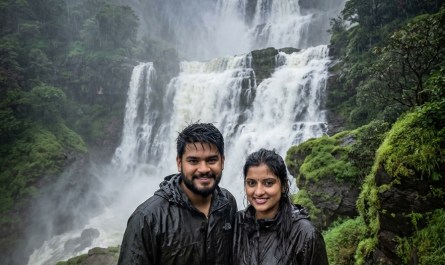
The waterfalls here are the real unedited version of Western Ghats monsoon beauty. Not Instagrammed to death. Just raw water cutting through rock. You’ll find a few small dhabas before the ghat section where locals will give you real-time road updates. Worth stopping. Worth asking. We got tipped off about a better parking spot and avoided the tourist-trap tea stall charging ₹40 for cutting chai.
Budget this: Fuel from Pune to Tamhini and back costs around ₹600 for a hatchback. Add ₹200 for snacks and tea. No entry fees. No parking charges if you’re smart about where you stop. Total: under ₹1000 for two people.
Road quality: 7/10 during monsoon. Mobile network: Mostly present on the highway stretch. Risk factor: Low if you avoid evening drives and don’t attempt the old Mulshi route.
Bhira Dam: The Underrated Backwater Nobody Talks About
Bhira sits in Raigad district, about 100 km from Pune via the Pune-Goa Highway. It’s technically not “near” Pune by Lonavala standards, but it’s accessible on roads that don’t disintegrate when it rains. That’s the whole point here.
The entire route is National Highway until you take a right toward Bhira village. That last 8 km is a district road, and yes, it gets muddy, but it’s wide enough for two-way traffic and doesn’t have the kind of blind curves that scare you into praying. We went there in August 2025. Met a couple from Raigad who told us this spot rarely makes travel blogs because it’s not “photogenic enough.” Translation: no overcrowding, no traffic snarls, no influencers blocking the view for drone shots.
The backwaters are calm. Genuinely calm. You’re not fighting for space to sit. You’re not dodging groups blasting music. It feels like Maharashtra before the weekend tourism boom. There’s a small temple near the dam, and locals do a simple aarti in the evening. If you’re into that quiet spiritual vibe without the commercialization, this delivers.
Accommodation is limited to a couple of homestays in Bhira village. We didn’t stay overnight, but the hosts we spoke to quoted ₹1200-₹1500 for a basic double room. No hot water, no room service, but clean and safe.
Costs: Toll charges Pune to Bhira approximately ₹250 one way. Fuel costs around ₹800 round trip for a sedan. Meals at village dhabas cost ₹100-₹150 per person. No entry fees. Total budget: ₹1500-₹2000 for a day trip.
Road quality: 8/10 till the highway stretch, 6/10 for the last approach. Mobile network: Decent Airtel and Jio coverage. Risk factor: Very low. Even first-time drivers can handle this route comfortably.
Rajmachi via Lonavala (Not the Trek Route)
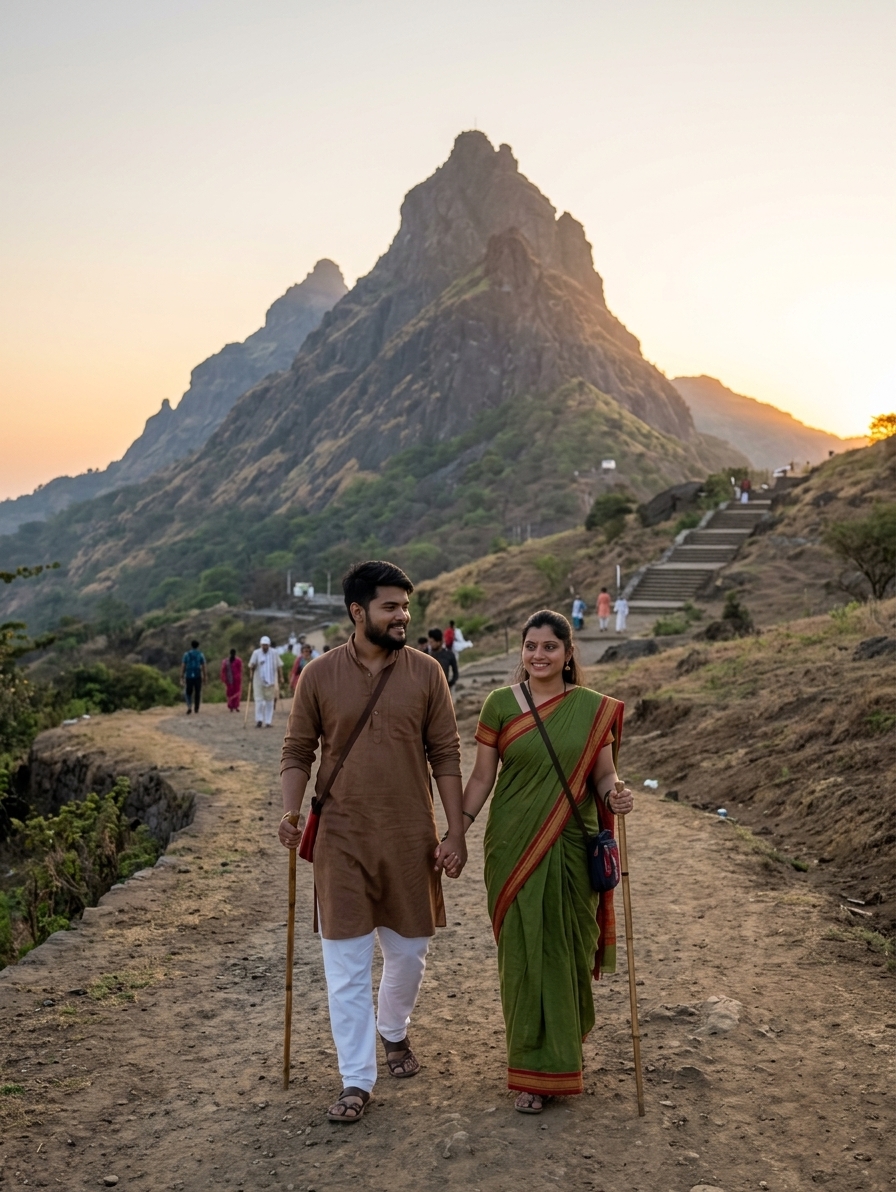
Everyone knows Rajmachi for the trek. Almost nobody talks about the motorable route via Valvand village. That’s the version we’re recommending here. No trekking. No slippery descents. You drive almost all the way and park about 2 km from the fort area.
Why this works in monsoon: The motorable road is used by local villagers and gets cleared regularly. It’s rocky, yes. Uneven in sections, absolutely. But it’s drivable in a sedan if you go slow and don’t panic when the road narrows. We did this in September 2024 after a particularly heavy week of rain. The road was wet but not washed out.
Here’s the trade-off — you lose the trekking adventure, but you gain access even if your fitness levels are average or if you’re traveling with older family members who can’t manage steep climbs in the rain. From the parking area, it’s a short manageable walk to reach the viewpoints overlooking Shirota and Manaranjan forts.
Local tip from the Valvand dhaba owner: Start early. By 10 AM, the clouds roll in thick and you lose visibility. Early morning gives you clear views and safer driving conditions. He also warned us that post-4 PM, the fog makes the return trip unnecessarily risky.
The base village has basic food options. Expect ₹120-₹150 for a simple Maharashtrian thali. A few families offer homestay arrangements for around ₹1000-₹1200 per night. No luxury, but the hosts are helpful and honest about what to expect.
Costs: Pune to Valvand via Lonavala is about 70 km. Fuel costs roughly ₹500 round trip. No entry fees for the motorable route. Food and tea: ₹300 for two people. Total: under ₹1000 for a day trip.
Road quality: 6/10 after you leave the main Lonavala highway. Mobile network: Spotty after Valvand village. Risk factor: Moderate. Only attempt if you’re confident driving on uneven rural roads.
Panshet and Varasgaon: Twin Lakes with Proper Road Access
These two reservoirs sit close to each other, about 40-45 km southwest of Pune. The best part? The roads leading to both are well-maintained district roads that don’t turn into rivers during heavy rain. The worst part? They’re getting popular, so weekends see decent crowds.
We visited Panshet in June 2025 right after the first heavy spell. Water levels were rising, the surrounding hills were green, and the road from Pune via Chandani Chowk was in excellent shape. Varasgaon, connected via a slightly longer route, offers similar scenery but slightly fewer people.
Here’s what works for monsoon travel: both spots have multiple access points, so if one route has issues, locals will guide you to an alternate. We met a group from Bavdhan who regularly camps near Panshet — they told us to avoid the route through Dhak village in peak monsoon because it gets waterlogged. The main approach through Donaje is safer.
Food options here are limited to small roadside stalls and one decent resort that allows outside visitors to use their restaurant. We had lunch there — ₹400 for two people, decent Maharashtrian fare, nothing fancy. If you pack your own snacks and tea, you’ll save money and get more flexibility to explore without returning to fixed meal spots.
There’s a small adventure sports setup at Panshet offering kayaking. It operates in monsoon but only during lighter rain spells. Cost is around ₹500 per person for a 30-minute session. We didn’t try it, but the operators seemed professional with proper safety gear.
Costs: Fuel from Pune to Panshet/Varasgaon and back is about ₹350-₹400. No tolls. Parking charges around ₹50. Food costs ₹300-₹500 depending on whether you eat at roadside stalls or the resort. Total: ₹800-₹1200 for a day trip.
Road quality: 8/10. Excellent by monsoon standards. Mobile network: Full coverage on Airtel and Jio. Risk factor: Low. Suitable for families with kids and older travelers.
Sinhagad Fort: Obvious, But Correctly Done
Yes, Sinhagad is the most predictable suggestion on this list. It’s also one of the few hill destinations near Pune where the road department actually cares about monsoon maintenance. The ghat section gets cleared almost daily during heavy rain, and there’s enough traffic that you’re never truly isolated if something goes wrong.
The mistake people make is attempting Sinhagad late in the evening or during peak afternoon rain. That’s when visibility drops and the road gets genuinely slippery. Early morning is the safe window. We’ve been there at least eight times across different monsoon seasons, and our rule is simple — reach the base by 8 AM, finish the visit by noon, and head back before the afternoon downpour starts.
What makes this work is the infrastructure. There are multiple food stalls at the top, a small Jio mobile tower ensuring connectivity, and enough people around that help is accessible if needed. It’s not remote. It’s not an adventure into the unknown. It’s a manageable, predictable outing when you want monsoon greenery without monsoon risk.
The fort itself gets muddy, so proper footwear is non-negotiable. We’ve seen people attempt this in floaters and regret every step. Wear closed shoes with grip. Carry a raincoat, not an umbrella — the wind makes umbrellas useless.
Food costs at the top are inflated but not absurd. ₹200-₹300 for two people will get you onion pakodas, chai, and a simple meal. The quality is average, but the view while eating is worth the markup.
Costs: Sinhagad is about 35 km from central Pune. Fuel cost is around ₹250 round trip. Parking charges ₹30-₹50. Food at the top: ₹200-₹300. Total: ₹500-₹600 for two people.
Road quality: 7/10. The ghat section is steep but well-maintained. Mobile network: Full coverage. Risk factor: Low if you stick to morning hours. Moderate if you attempt it during afternoon rain.
Kamshet: Paragliding’s Off-Season Is Your Safe Season
Kamshet is famous for paragliding, which shuts down during monsoon. That means fewer tourists, lower accommodation rates, and near-empty roads. The route from Pune via Old Mumbai-Pune Highway is straightforward — national highway quality until you turn off toward Kamshet village.
The area transforms in monsoon. The lakes fill up, the grasslands turn impossibly green, and you get that classic Western Ghats mood without the Western Ghats traffic chaos. We stayed there one weekend in July 2024. Found a small homestay for ₹1800 per night that would’ve easily charged ₹3500 during paragliding season.
There’s not much to “do” in Kamshet during monsoon in the conventional sense. You’re not here for activities. You’re here for the quiet. Morning walks along the lake, evenings watching the clouds roll over Tikona Fort in the distance, simple meals with the homestay family. It’s the kind of trip where doing nothing is the whole point.
The road access is excellent. Multiple routes connect Kamshet to the highway, and the village is large enough that basic supplies, medical shops, and repair shops are available if needed. We had a minor flat tire situation — found a puncture repair shop within 10 minutes.
Local food is simple home-cooked Maharashtrian meals if you stay at a homestay, or there are a few small restaurants serving basic North Indian and Chinese. Nothing fancy. Budget ₹150-₹200 per person per meal.
Costs: Pune to Kamshet is about 45 km via expressway. Toll charges around ₹100. Fuel cost approximately ₹300 round trip. Accommodation ₹1800-₹2500 per night during monsoon. Food ₹400-₹600 per day for two people. Total weekend cost: ₹3500-₹4500 including stay.
Road quality: 9/10. National highway till Kamshet turn-off, then decent village roads. Mobile network: Excellent coverage. Risk factor: Very low. Ideal for solo travelers and couples wanting a safe, quiet weekend.
Pawna Lake: Overrated for Camping, Underrated for Day Visits
Pawna became a camping clichĂ©. Every adventure company runs identical tent setups with identical barbeque packages and identical fairy lights. That scene gets messy in monsoon — waterlogged tents, canceled bookings, and a lot of disappointed groups who didn’t check the weather.
But Pawna Lake as a simple day visit during monsoon? Actually good. The road from Lonavala is a proper state highway. The approach to the lakeside via Thakursai or Dudhivare villages is manageable even in steady rain. You’re not dependent on camping operators, you’re not locked into overpriced packages, and you can leave whenever the weather turns bad.
We did this in August 2025 on a day when most campsites had shut bookings due to heavy rain forecasts. Drove to the lake, found a quiet spot near Dudhivare village, sat by the water for a couple of hours, had chai at a local stall, and drove back. Total cost: ₹700 for two people including fuel and snacks. No drama. No FOMO.
The trick is managing expectations. You’re not getting the “camping under stars” Instagram moment in monsoon. You’re getting a peaceful lakeside setting without crowds because everyone else canceled their plans. That’s actually better if you’re okay with rain and mud.
A local villager told us that post-monsoon, from October onward, the same stretch gets so crowded that finding parking becomes a 30-minute challenge. Monsoon gives you the rare window when Pawna is accessible but not overrun.
Costs: Pune to Pawna via Lonavala is about 60 km. Fuel cost around ₹450 round trip. No entry fees for day visits. Food at village stalls: ₹200-₹250 for two people. Total: ₹700-₹800.
Road quality: 8/10. Well-maintained highway and decent village approach roads. Mobile network: Good coverage near main villages. Risk factor: Low for day visits. Avoid overnight camping unless you have confirmed weather updates.
What We Learned the Hard Way About Monsoon Road Safety
Three seasons of making mistakes taught us more than any travel blog. First lesson: Google Maps estimated time means nothing in monsoon. Add 40% to whatever it says. That two-hour drive? Plan for three. The moment you’re in a rush, you’ll make bad decisions — overtaking where you shouldn’t, driving faster than conditions allow, skipping breaks.
Second: Mobile network matters more than scenic beauty. We once got stuck near a “hidden” waterfall spot with zero network coverage and a car that wouldn’t start. Took us four hours to get help because we had to physically walk back to find signal. Now we check network coverage as seriously as we check road conditions.
Third: Local information beats Google reviews. Stop at dhabas. Ask locals. They’ll tell you if a particular stretch washed out yesterday or if the PWD crew is working on a section ahead. We’ve avoided multiple bad situations just by spending ₹40 on tea and asking the dhaba owner about road conditions.
Fourth: Sunset drives are dangerous, no matter how scenic. Visibility drops fast in monsoon evenings. Fog rolls in without warning. The same road you drove comfortably at 10 AM becomes stressful at 6 PM. We now make it a rule — start early, finish by afternoon, drive back in daylight.
Fifth: Your car matters. We’ve done these trips in both a small hatchback and a sedan. The hatchback struggled on waterlogged patches and steep ghat sections. The sedan handled better but had ground clearance issues on uneven village roads. If you’re renting, pick something with decent ground clearance and working wipers. Check tire tread before any monsoon trip. We learned this after a scary skid on a wet descent near Tamhini.
Frequently Asked Questions
Is it safe to drive to Lonavala during heavy monsoon?
Yes, but timing matters. Lonavala’s main highway is well-maintained, but landslides can happen on the ghat sections. Avoid driving during or immediately after heavy overnight rain. Check live traffic updates before starting, and travel during morning hours when visibility is better and PWD crews are actively monitoring the route.
Which monsoon destinations near Pune have the best road conditions?
Panshet, Varasgaon, and Kamshet consistently have the most reliable road access during monsoon. All three are connected via well-maintained highways with minimal ghat sections. Sinhagad is also safe if you stick to morning travel. Avoid remote “hidden gem” spots with poor mobile connectivity and narrow approach roads.
What should I carry for a monsoon road trip from Pune?
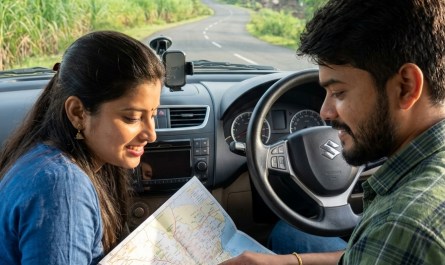
Essentials: working raincoat, closed shoes with grip, fully charged power bank, physical map or downloaded offline maps, basic first aid kit, and a flashlight. Keep a towel in the car, carry extra drinking water, and pack dry snacks. Most importantly, share your live location with family and keep your phone charged.
Are homestays near Pune safe to book during monsoon season?
Most established homestays near Pune operate year-round and are safe during monsoon. However, confirm booking a day before your trip and ask specifically about road conditions to the property. Some homestays in remote areas become inaccessible during heavy rain. Stick to places with multiple reviews and clear contact information. We always call the host directly before booking.
Let’s Be Honest About Your Actual Monsoon Plans
You’re not looking for adventure right now. You’re looking for a break that doesn’t come with anxiety about whether you’ll make it back safely. That’s fair. That’s smart. The monsoon weekend getaways near Pune we’ve covered here prioritize exactly that — places where the roads are maintained, help is accessible, and your weekend doesn’t turn into a survival story.
Ketan and I run Musafir Couple because we got tired of travel content that hides the real details. Road conditions. Network coverage. Actual costs. Whether a destination is worth the risk during specific seasons. We’ve driven these routes during heavy rain, light drizzle, and everything in between. These seven made the list because we’d confidently recommend them to our own families.
If you’re planning a monsoon trip from Pune and want route-specific advice or real-time updates from someone who’s actually driven there recently, reach out to Musafir Couple. We share honest experiences, not sponsored promotions. Check our recent vlogs for live road conditions, and follow us on Instagram for weekly monsoon travel updates. Safe travels matter more than scenic photos.
Monsoon Weekend Getaways Near Pune: Where Roads Are Actually Safe
Monsoon Weekend Getaways Near Pune | Musafir Couple
Discover safe monsoon weekend getaways near Pune with reliable roads, real costs, and honest travel advice. No landslide risks, just accessible spots you can actually reach.
monsoon weekend getaways near Pune
safe monsoon destinations Pune, monsoon travel Pune, weekend trips from Pune, monsoon season Pune getaways