
 by
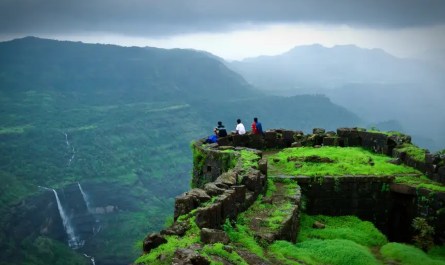
Lonavala looked nothing like the escape we imagined. The lake parking had more cars than the lake had water. We counted seventeen buses idling near the viewpoint. Samprita tried to get one clean frame of the hills — impossible without five strangers photobombing it. That trip, back in 2023, made us rethink how we choose weekend getaways. We haven’t been to a popular hill station during peak season since.
Here’s what changed. We started asking one question before booking any trip: “Will we actually feel like we’ve left the city?” Most famous hill stations fail that test now. They’ve become open-air malls with a view — crowded, commercialised, loud. The whole point was peace. Instead, you’re stuck in traffic on a mountain road, bargaining for overpriced corn, and jostling for space at a sunset point built for fifty people but hosting five hundred.
This isn’t about hating popular places. It’s about realising they no longer deliver what we’re paying for. So we stopped going. And we found better alternatives that most couples still don’t know about.
What Actually Happens at Overrated Hill Stations Now
The promise is cool weather and calm surroundings. The reality is bumper-to-bumper traffic from the base itself. Ketan drove us to Mahabaleshwar on a long weekend in 2024. The last twelve kilometres took an hour and twenty minutes. We spent more time staring at the Scorpio ahead than at any actual scenery.
Overtourism isn’t just inconvenient — it’s expensive. A decent hotel room that costs ₹2,500 on a weekday jumps to ₹6,000 on Saturday. Parking fees double. Even local food spots start charging tourist rates. You’re paying premium prices for a downgraded experience. That math stopped making sense to us.
And it’s not just the crowds. Infrastructure hasn’t kept up. Lonavala’s waste management can’t handle weekend visitor loads. Panchgani’s roads are choked. Matheran’s horse routes are eroding. The hill stations people love are being damaged by that very love. Environmentalists have been saying this for years — these destinations are collapsing under their own popularity.
We saw this firsthand at a homestay near Mulshi. The owner told us his bookings dropped thirty percent after a resort complex opened two kilometres away. The lake’s water quality dropped. Local families started avoiding the area on weekends. It wasn’t peaceful anymore, even for the people who live there.
The Real Cost of Choosing Mainstream Hill Getaways
You lose time first. A place that should take three hours takes five because half of Pune had the same idea. You lose money next — because scarcity pricing kicks in when demand is high and options feel limited. But the bigger loss is the experience itself.
Samprita wanted to try authentic Maharashtrian food on one trip. Every restaurant in the main market was serving the same North Indian buffet menu. No local flavours. No family recipes. Just industrial kitchens catering to volume. We ended up eating Maggi and leaving hungry.
Overtourism doesn’t just ruin your trip — it changes the place. Locals stop seeing tourists as guests and start seeing them as revenue. Interactions become transactional. Prices aren’t listed — they’re negotiated based on how much they think you’ll pay. Shopkeepers get pushy. Auto drivers quote double the fair rate. The warmth disappears.
We noticed this shift between our first visit to Lonavala in 2021 and our last in 2023. The chikki sellers who used to offer samples and chat now just yell prices. The viewpoint vendors who once gave directions now demand ₹50 for a basic photo op. It felt less like travel and more like being processed through a tourism assembly line.
Where We Go Instead: Offbeat Hill Destinations That Still Feel Real
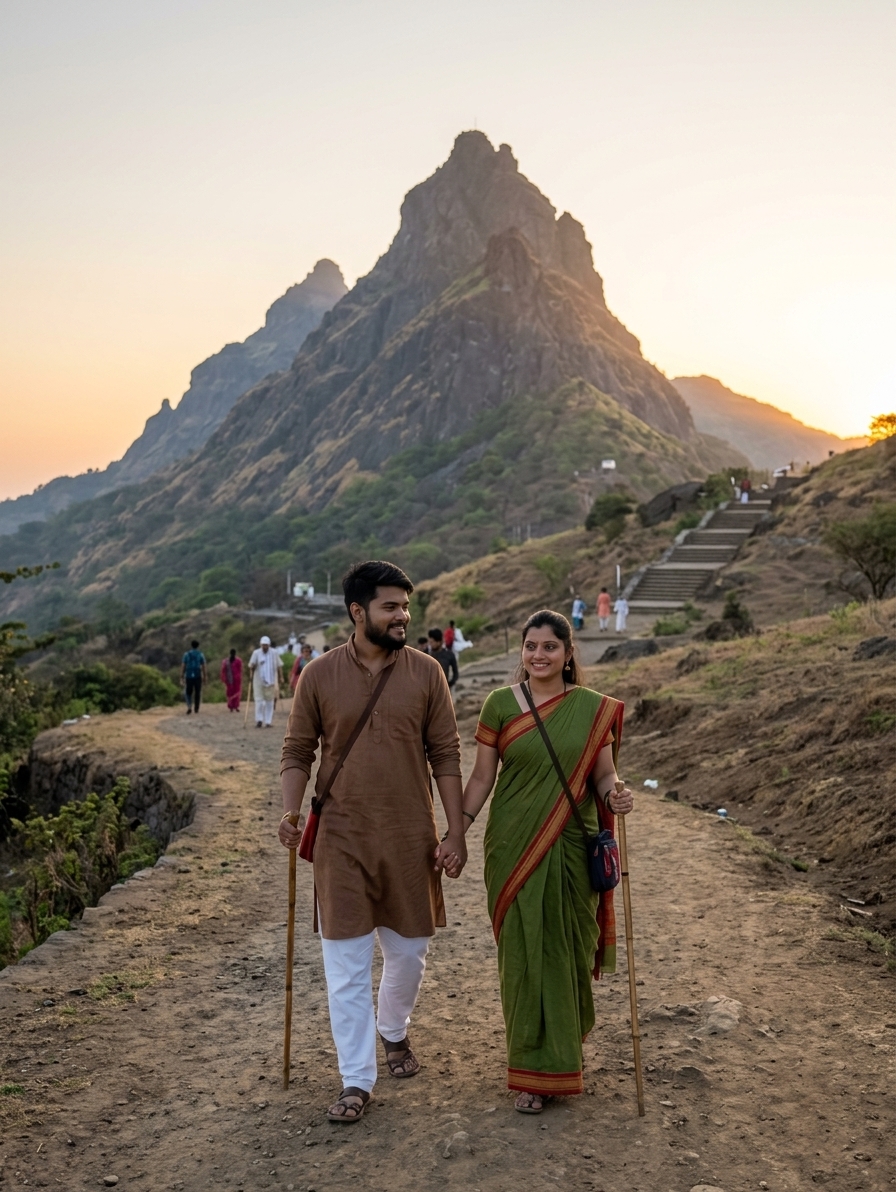
We started looking for places where we’d be travellers, not customers. That meant skipping anything with heavy weekend traffic or a TripAdvisor top-ten tag. Here’s where we actually go now — and why these places still work.
Bhandardara
About three and a half hours from Pune, past Ahmednagar. It has a lake, a dam, and the Arthur Lake sunset that rivals anything Lonavala offers. But here’s the difference — you can actually sit by the water without someone trying to sell you roasted corn every ninety seconds.
We stayed at a simple guesthouse run by a retired couple. ₹1,800 per night, breakfast included. Ketan and the host spent an hour talking about the best driving routes in the region. Samprita got her food recommendations from the host’s wife, not a generic blog. That’s what we’d been missing.
Weekdays are nearly empty. Even weekends see maybe thirty percent of what Mahabaleshwar gets. The roads are decent. Fuel is available. There’s no entry fee, no parking mafia, no artificial scarcity. Just a quiet hill station doing what hill stations used to do.
Kas Plateau
Technically not a hill station, but it scratches the same itch. Located near Satara, it’s a UNESCO World Natural Heritage site. The flower bloom season — late August to September — is the only time it gets busy, and even then it’s managed with visitor caps.
We went in early September 2025. The entire plateau was carpeted in wildflowers. The air smelled like earth and rain. We saw maybe two hundred people across four hours. Compare that to the walking paths in Panchgani where you’re in a queue just to move forward.
Cost for two: ₹3,200 including stay, food, and fuel. The homestay we picked was basic but spotless. The owner’s family grows strawberries and let us walk through the farm. No resort. No spa. No overpriced amenities we didn’t ask for. Just what we came for.
Amboli
Tucked in the Sahyadris near the Maharashtra-Goa border. It’s green, misty, and still relatively undiscovered by the weekend crowd. The drive from Pune takes about seven hours, which filters out casual visitors. That distance is exactly why it stays peaceful.
Waterfalls here don’t have railings and entry tickets. Sunset Point doesn’t have a concrete platform and a selfie queue. You park your car on the roadside, walk fifty metres, and you’re there. Samprita said it felt like travel used to feel — unstructured, unhurried, and ours.
We stayed two nights. Total cost including a homestay, all meals, and fuel: ₹5,100. One evening, the homestay owner took us to a private viewpoint his grandfather used to visit. No Google pin. No signboard. Just local knowledge shared because he liked talking to us. You don’t get that in places optimised for throughput.
Tapola
The “Mini Kashmir” tag is cheesy, but the backwaters of Shivsagar Lake genuinely deliver. It’s about four hours from Pune, past Mahabaleshwar, which most people skip because they stop at Mahabaleshwar itself.
Boating here is calm. The lake isn’t packed with jet skis and speed boats. You can rent a kayak or a small boat and paddle to quieter corners. Ketan tried fishing — caught nothing, but spent two hours in complete silence. That silence is worth the drive.
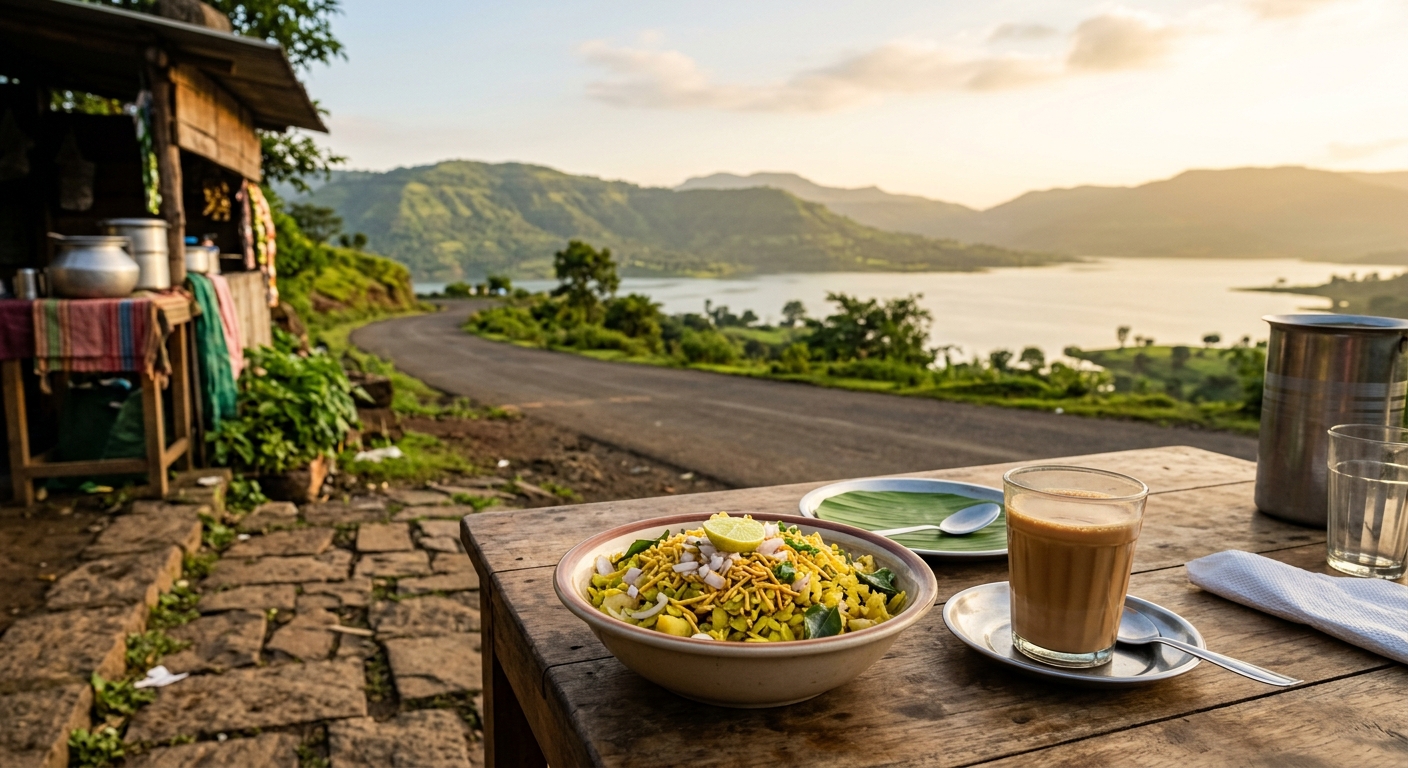
Accommodation ranges from ₹1,500 budget stays to ₹4,000 lakeside cottages. We picked mid-range at ₹2,400 per night. The hosts cooked traditional Konkani food. No menu, no options — just whatever the family was eating. It was some of the best food we’ve had on any trip.
How to Pick a Hill Station That Won’t Disappoint You
Stop Googling “best hill stations near me.” That search pulls up the same five overrun places every time. Instead, search for smaller towns near those famous spots. The offbeat alternative is usually thirty to fifty kilometres away from the crowded one.
Check traffic reports before booking. If the route to your destination shows red on a regular Sunday, that’s your signal. Go somewhere else. We use Google Maps traffic layer on a weekend morning to see which roads are jammed. Anything with consistent slowdowns gets crossed off.
Read recent reviews, but focus on what people didn’t like. If multiple reviews mention crowds, long waits, or rude vendors, believe them. The place has likely tipped into overtourism. One negative review is an outlier. Five saying the same thing is a pattern.
Book directly with homestays or small properties when possible. Skip the big resort chains in popular zones. Smaller stays depend on repeat visitors and word-of-mouth. They treat you better because they can’t afford not to. We’ve had better conversations, better food, and better prices going this route.
Travel midweek if your schedule allows it. A hill station that’s unbearable on Saturday can be lovely on a Wednesday. The same viewpoint, same lake, same weather — but you’ll actually enjoy it because you’re not fighting for space.
Ask locals where they go to relax. Seriously. The couple running your homestay, the guy at the local tea stall, the shopkeeper who isn’t trying to sell you something — they know the quiet spots. We’ve found some of our best destinations just by asking, “Where do you take your family when you want a break?”
The Problem With “Hidden Gems” Lists (Including This One)
Here’s the irony. The moment we publish this, someone will bookmark Bhandardara and Amboli. If enough people do that, these places become the next Lonavala. So use this list as a starting method, not a final answer.
The real skill isn’t finding one perfect offbeat place. It’s learning how to keep finding them as the old ones get discovered. That means staying curious, talking to locals, checking maps for roads that don’t show heavy traffic, and being willing to take a chance on a place that doesn’t have a hundred blog posts written about it.
We’ve had trips where the destination didn’t live up to expectations. That Kas Plateau trip? The homestay’s bathroom had a broken geyser. Tapola? It rained so hard we couldn’t boat for a full day. Amboli’s fog was so thick we saw exactly nothing from the viewpoint. But even those trips felt better than fighting crowds at a place that promised peace and delivered chaos.
Mainstream hill stations aren’t evil. They’re just victims of their own success. If you love Lonavala on a Tuesday morning in February, go. If you can handle Mahabaleshwar in the off-season, enjoy it. But if you’re travelling on a weekend, expecting serenity, and picking a top-ten destination — reset your expectations or reset your destination.
Frequently Asked Questions
Which hill stations in India are the most overrated right now?
Lonavala, Mahabaleshwar, Matheran, Nainital, and Mussoorie top the list in 2026. They see the heaviest weekend traffic, worst price inflation, and the most tourist-focused commercialisation. Weekday visits are still manageable, but weekend trips feel more like crowd management than travel.
What are some offbeat hill stations near Pune and Mumbai?
Bhandardara, Tapola, Amboli, and Kas Plateau remain relatively uncrowded as of early 2026. They require longer drives — four to seven hours — which naturally filters casual traffic. These places offer better value, fewer crowds, and more authentic local interactions than the usual weekend circuit.
How do I avoid crowds at popular hill stations?
Travel on weekdays, visit during the off-season (avoid May-June and October-November), start your day before 7 AM to beat day-trippers, and book accommodations at least five kilometres away from the main tourist zones. Alternatively, pick lesser-known alternatives near the popular destination instead of the destination itself.
Are hill stations in India being ruined by tourism?
Yes, in measurable ways. Environmentalists and local authorities have documented infrastructure overload, waste management failures, traffic congestion, water quality decline, and soil erosion at heavily visited hill stations. The damage is worst at destinations with unchecked commercial development and poor visitor management policies.
Stop Chasing the Same Weekend Circuit — Try Something Else
If your hill station trip involves sitting in traffic, paying inflated prices, and queueing for a viewpoint photo, you’re not travelling — you’re just relocating your stress to higher altitude. That’s not worth a weekend or your money.
We’re not saying avoid every popular destination. We’re saying stop defaulting to them without thinking. Ask whether the place still delivers what you’re looking for. If the answer is no, look ten kilometres further, try a weekday, or pick somewhere without a Wikipedia page.
Musafir Couple isn’t about telling you where to go. We share where we actually go, what we actually spent, and whether we’d go back. Bhandardara? Absolutely. Tapola? Already planning a return trip. Lonavala on a Saturday? Not unless someone pays us to document the chaos.
If you want to know where we’re heading next — or if you’ve found an offbeat spot that’s still worth visiting in 2026 — reach out. We’re Ketan and Samprita, and we’re done pretending crowded hill stations are still getaways. Let’s find the places that actually are.