

 by
Here’s the truth about road trip planning India: most people spend hours picking destinations but forget the trip happens between those dots on the map. The actual driving, the highway dhabas, the sudden monsoon downpour, the village detour because Google Maps decided to quit—that’s where your road trip lives.
We’ve done this wrong more times than we’d like to admit. Ketan once planned a Pune to Ladakh trip with zero buffer days, assuming “highways are highways.” We ended up stuck in Manali for 47 hours because of a landslide we didn’t see coming. Samprita’s packing list included three dresses but no toolkit. That cost us ₹2,800 at a random mechanic shop in Gujarat who knew we had no choice.
You don’t need a perfect plan. You need a flexible one that accounts for reality. Let’s walk through what actually works.
Start With Your Route, Not Your Destination
Most couples pick Kashmir or Goa and then figure out how to get there. Wrong order.
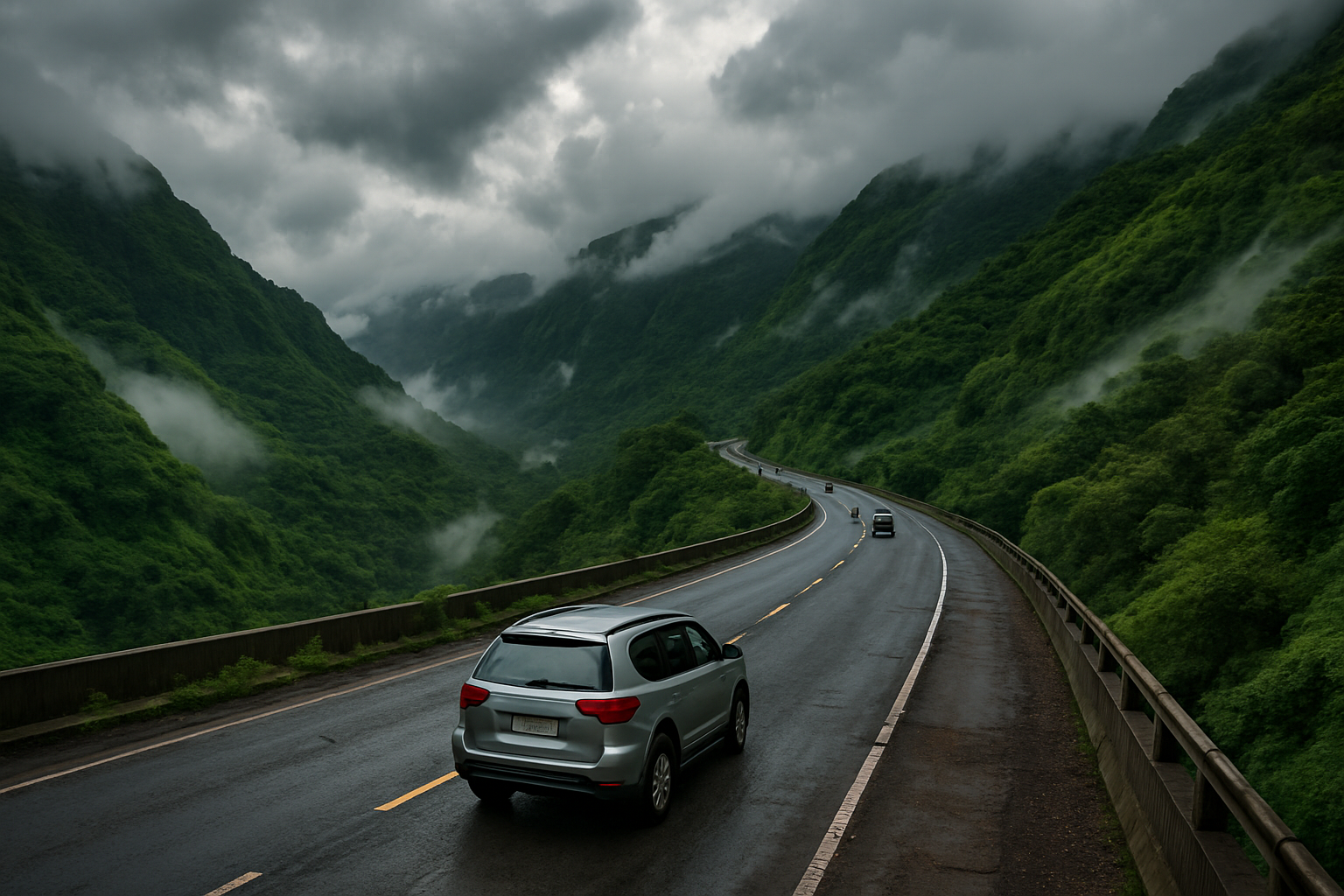
India road trip tips start with understanding what kind of roads you’ll actually drive. The Pune-Goa coastal route is nothing like the Ahmedabad-Rajasthan highway stretch. One has curves, rains, and zero cell signal for 30-kilometer chunks. The other is flat, hot, and has a petrol pump every 40 minutes.
Before you finalize anything, answer these:
- How many hours can you realistically drive per day without hating each other?
- Does your car handle ghats, or will it wheeze up every incline?
- Are you okay with no ATM access for 6-8 hours at a stretch?
We’ve learned this the hard way. On our Somnath to Girnar leg, we assumed mountain roads meant “scenic and manageable.” They were steep, unpaved in sections, and our sedan scraped bottom twice. The route was stunning. The repair bill was ₹4,200.
Pick your route based on your vehicle, your stamina, and the season. Monsoon changes everything. A route that’s gorgeous in November can turn into a mudslide risk in July. Check state highway department sites—not just travel blogs—for real road condition updates.
Your road trip itinerary India should list highways by number, not just city names. NH 48, SH 34, MDR 88W—know what you’re driving on. Highway quality varies wildly even within the same state.
Build Your Road Trip Checklist India Before You Touch the Ignition
Here’s what happens when you don’t: you’re two hours into the drive and realize you forgot the car’s registration papers. Or the phone charger. Or any form of cash because “UPI works everywhere now.” It doesn’t.
Start with documents. Registration certificate, insurance, pollution certificate, your license, and one government ID that’s not your license. Keep physical copies and phone photos. We store ours in a plastic folder that lives in the glove compartment year-round.
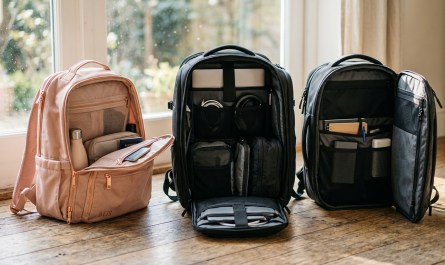
Then your car kit. This isn’t optional:
- Spare tire that actually has air in it (check it, don’t assume)
- Jack and wheel spanner that fit your car model
- Jumper cables
- Basic toolkit—screwdriver set, pliers, duct tape, zip ties
- Tire puncture repair kit or sealant spray
- Flashlight with working batteries
- First aid box with bandages, antiseptic, pain meds, and any prescription drugs you need
On our Mulshi to Mahabaleshwar route, we got a flat at 11 p.m. near Wai. No mechanic for 18 kilometers. Ketan changed the tire using our spare, but the jack was rusted and nearly didn’t work. We bought a new one the next day and it’s been in the car ever since.
Now the human essentials. Drinking water—at least 5 liters for two people on any trip over 4 hours. Dry snacks that don’t need refrigeration. A small cooler if you’re driving through hot states. Wet wipes, tissues, a small towel. One blanket. Sounds excessive until you’re stuck overnight in your car because a truck overturned and blocked the highway. It happened to us near Lonavala. The blanket saved that night.
Phone gear: two charging cables, one car charger, one power bank that’s fully charged before you leave. Download offline maps for your entire route on Google Maps. Don’t rely on network coverage.
Pick Stays You Can Cancel and Budget for Reality
We used to book rigid hotel chains thinking “confirmed bookings are safer.” They’re not safer. They’re just more expensive when your plan changes.
Road trips in India don’t follow schedules. Traffic, weather, detours, or simply finding a place so good you want to stay an extra day—it all shifts. Book accommodations that allow free cancellation up to 24 hours before check-in.
Homestays and smaller properties are better than resorts for road trippers. You can usually call the owner directly and shift your dates. We’ve done this at least a dozen times. Near Pawna Lake, we called a farmstay owner at 4 p.m. and said we’d arrive a day late. He said, “No problem, just let me know when you’re 30 minutes out.” Try doing that with a chain hotel.
Budget the hidden costs everyone forgets:
- Tolls: ₹40 to ₹180 per toll plaza depending on the highway and your vehicle type
- Parking: ₹20 to ₹100 per location, and tourist spots charge more
- Fuel: calculate based on your car’s real mileage, not the company’s claim
- Food: ₹400 to ₹800 per day for two people if you eat at dhabas, double that for restaurants
- Emergency buffer: at least ₹5,000 in cash for breakdowns, sudden stays, or bribes (yes, bribes)
On our Kanyakumari trip, we spent ₹3,600 in tolls alone for a round trip from Pune. We didn’t budget for that. It stung.
Keep cash in three separate places—wallet, glove box, and Samprita’s bag. ATMs fail. Card machines fail. UPI fails outside metros. Cash doesn’t.
Plan Your Stops Around Fuel, Food, and Fatigue
The plan road trip guide nobody talks about: your stops matter more than your destination.
Every 2 hours or 150 kilometers, stop. Stretch. Pee. Drink water. Swap drivers if you can. Driving fatigue kills more road trippers than bad roads do.
Mark fuel stations in advance using Google Maps. Don’t assume you’ll find one when the needle hits red. Some highway stretches have 70-80 kilometer gaps between pumps. We’ve coasted into a station on fumes twice. Not fun.
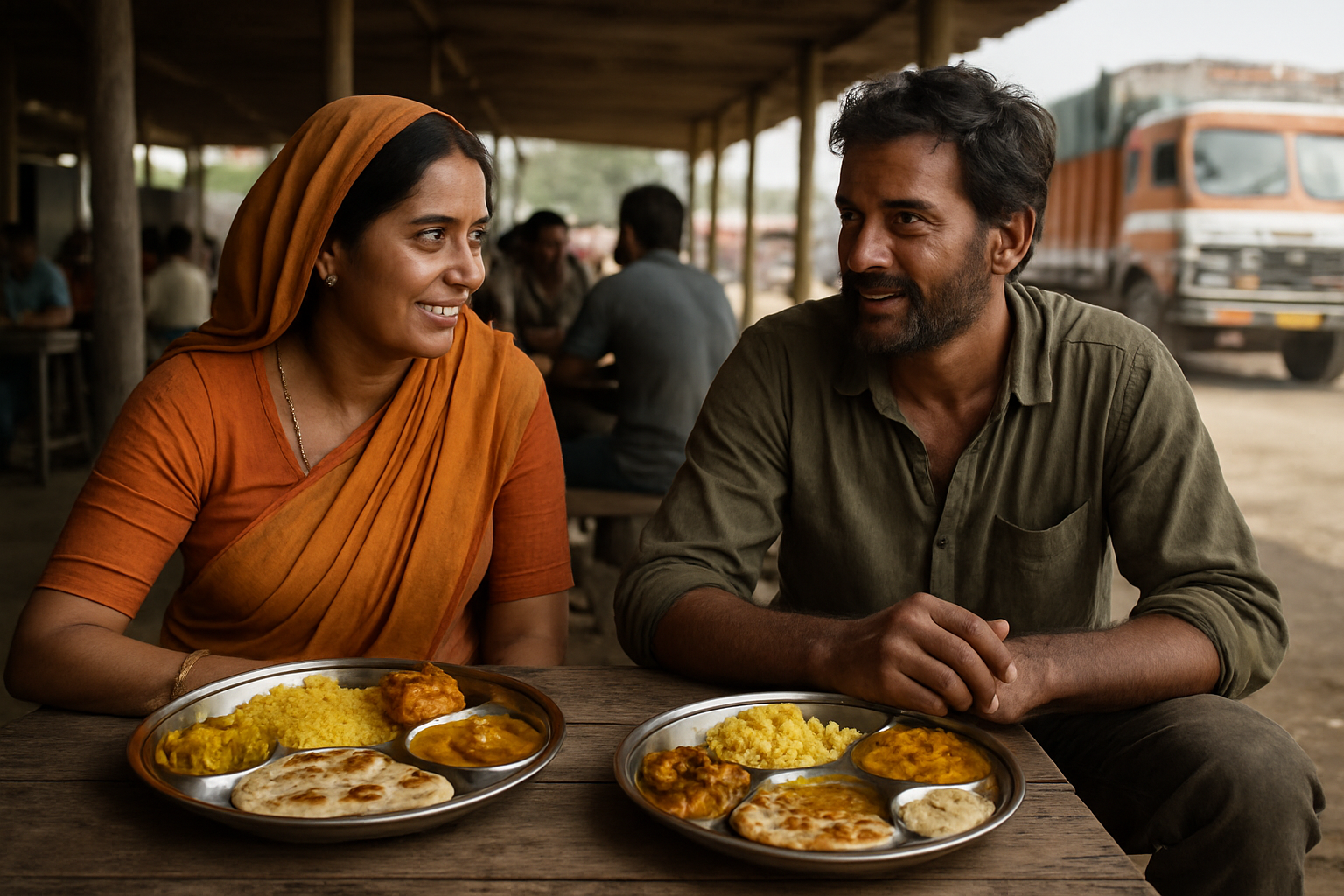
Eat at dhabas that have truck parking. Sounds random, but truckers know which spots have clean food and honest pricing. If a dhaba is full of trucks at lunch, the food’s probably safe and good. Avoid empty highway restaurants that look fancy. They’re usually overpriced and the food’s been sitting.
Identify safe rest stops before you start. Highway rest areas run by NHAI are okay for short breaks. Petrol pump parking lots are fine for 10-15 minutes. Don’t park on the highway shoulder unless it’s an absolute emergency. Vehicles speed unpredictably and visibility is poor at night.
Plan at least one long break—30 to 45 minutes—around midday. Not just to eat, but to cool down the car, check tire pressure, and give your brain a break from focusing on the road.
Prepare for the Stuff That Goes Wrong
Here’s the contrarian bit: assume something will go wrong. Not in a paranoid way. In a prepared way.
Share your live location with someone back home using WhatsApp or Google Maps. Update them every 3-4 hours. If you go silent for too long, they know to check on you.
Keep emergency contact numbers saved offline: highway patrol, state police helpline, your car insurance roadside assistance, and the local ambulance service for the state you’re driving through. Every state has different numbers.
Know basic car trouble fixes:
- If the engine overheats, stop immediately, turn off AC, let it cool for 20 minutes. Don’t open the radiator cap until it’s cool.
- If you hear grinding or scraping, stop. Don’t push it. Call for help.
- If your car pulls to one side, it’s likely a tire issue. Check for flats or low pressure.
We’re not mechanics, but learning these basics saved us twice. Once near Salaulim Dam when the engine started steaming, and once near Bedse Caves when a rear tire lost air slowly and we caught it before it became a flat.
Also accept that some things are out of your control. We got caught in a sudden traffic jam outside Lonavala that added 3 hours to a 2-hour drive. No accident, no reason. Just India. You either get frustrated or you queue up a podcast and deal with it.
Test Your Car Before the Trip, Not During It
One week before you leave, take your car to a trusted mechanic. Not the dealership. A real mechanic who’ll tell you the truth.
Get these checked:
- Engine oil level and quality
- Brake fluid and brake pad condition
- Coolant level
- Battery health and terminals
- All lights—headlights, taillights, indicators, brake lights
- Tire tread depth and air pressure including the spare
- Windshield wipers and washer fluid
- AC functionality (you’ll regret skipping this in summer)
This costs ₹800 to ₹1,500 depending on your city and garage. It’s the cheapest insurance you’ll buy.
Ketan skipped this once before our Ahmedabad trip. We made it 140 kilometers before the battery died at a toll plaza. The replacement cost ₹6,400 plus two hours of waiting because we were in the middle of nowhere. A pre-trip check would’ve caught it.
Also clean your car. Seriously. A cluttered car is a stressful car. You can’t find stuff, things roll under seats while driving, and it just feels chaotic. Start your trip with a clean, organized vehicle.
Choose Travel Partners Who Match Your Road Trip Style
If you’re planning this with friends or other couples, have one honest conversation before you book anything: what kind of road trippers are you?
Some people want to start at 5 a.m. and cover 400 kilometers before lunch. Others want to wake up slow, stop at every viewpoint, and take 8 hours to cover 200 kilometers. Neither is wrong. But mixing them in one car is a disaster.
Samprita and Ketan have very different pacing. She wants to stop for every sunset and random temple. He wants to stick to the schedule and reach before dark. We’ve learned to compromise: two spontaneous stops per day, her choice. Everything else follows the rough plan.
If you’re traveling with others, decide upfront:
- Who’s driving which legs?
- How do you split fuel and toll costs?
- What’s the food budget per person per day?
- What time are you comfortable driving until?
We did a Girnar trip with another couple who assumed we’d cover 500 kilometers on day one. We’re comfortable with 250 to 300 max. The first day was tense because we never aligned on this. Now we discuss it before the trip, not during.
Also agree on phone usage. One person navigates. One person manages music. One person handles photos and videos. Don’t have everyone on their phones doing nothing—it’s a waste of a road trip.
Capture the Trip Without Letting It Ruin the Trip
We’re travel storytellers, so we film a lot. But here’s what we’ve learned: if you’re spending more time setting up shots than actually experiencing the place, you’re doing it wrong.
Set up a phone mount on your dashboard. Hit record when you start driving. Forget about it. You’ll get hours of windshield footage you can edit later. No effort, no distraction.
Stop when something genuinely moves you—a view, a moment, a weird roadside statue. Don’t stop because you “should” capture it for content. Forced content feels forced.
Take photos of the small stuff: the chai glass at a random dhaba, the handwritten toll receipt, the mud on your tires after a rough patch. Those tell better stories than yet another sunset shot.
And here’s the big one: put the phone away for at least one full hour each day. Just drive. Talk. Notice things. The best road trip moments aren’t photographed—they’re felt.
On our Dal Lake Kashmir drive, we spent an entire morning without phones. No content. Just us, the roads, and the mountains. It’s still our favorite travel memory, and ironically, we talk about it more in our vlogs than trips we documented heavily.
Frequently Asked Questions
What is the best time of year for road trip planning India?
October to March is ideal for most regions—clear skies, moderate temperatures, and better road conditions. Avoid monsoon months (June to September) unless you’re experienced with driving in heavy rain and landslide-prone areas. Summer road trips work for hill stations but are brutal in plains and deserts where temperatures cross 42°C.
How much does a 5-day road trip in India typically cost for a couple?
Budget ₹18,000 to ₹28,000 for two people covering fuel (₹6,000-9,000 for 1,200-1,500 km), accommodation (₹3,000-6,000 for 4 nights in homestays), food (₹3,000-5,000), tolls (₹2,000-3,000), and buffer for emergencies (₹4,000-5,000). Costs increase significantly if you stay in resorts or travel to remote areas like Ladakh or Northeast India.
Do I need special permits for road trips in certain Indian states?
Yes. Inner Line Permits are required for Arunachal Pradesh, Mizoram, and Nagaland. Protected Area Permits are needed for parts of Sikkim, Ladakh, and some border regions. Apply online through state tourism portals at least 15 days before travel. Carry multiple photocopies and keep digital copies on your phone.
What are the most important safety tips for solo couple road trips in India?
Never drive after 9 p.m. on highways, especially in rural areas. Share your live location with family. Keep ₹5,000 cash hidden separately from your wallet. Stop only at well-lit, populated areas after sunset. If someone signals that something’s wrong with your car, don’t stop immediately—drive to the next petrol pump or toll plaza before checking. Trust your instinct. If a place feels wrong, leave.
How do I handle car breakdowns in remote areas during a road trip?
Stay with your vehicle. Turn on hazard lights and place a warning triangle 50 meters behind your car if you have one. Call your insurance company’s roadside assistance first—most provide free towing up to 50-100 km. If you’re in a no-network zone, wait for highway patrol or flag down a truck driver (they often help or have mechanic contacts). Never accept help from random individuals who appear too eager—scams targeting stranded travelers are real.
Ready to Turn Your Road Trip Plan Into Real Kilometers?
Road trip planning India isn’t about controlling every detail. It’s about preparing enough that when things go sideways—and they will—you’re not panicking. You’re problem-solving.
We’ve shared what works for us after driving over 23,000 kilometers across 11 states in the last three years. Some of it you’ll use exactly as written. Some you’ll adapt. Some you’ll ignore completely because your travel style is different. That’s fine.
The goal isn’t a perfect trip. It’s a memorable one. The kind where you’re laughing about the chaos six months later instead of still being annoyed by it.
Musafir Couple (powered by Travelheal) exists because we kept wishing someone had told us this stuff before we figured it out through expensive mistakes. Now we’re telling you. Pack that toolkit. Download those offline maps. Budget for tolls. And go drive.
If you want more honest road trip breakdowns—actual routes, real costs, what went wrong and what surprised us—follow our journey. We’re not here to sell you a fantasy. We’re here to help you plan a trip that actually works.
Start your engine. India’s waiting. And trust us, the best stories happen between the destinations, not at them.