


 by
We were sitting in our Pune flat, scrolling through Kailash Mansarovar photos on Instagram, when Samprita asked the question that changed everything: “Can we actually do this?” Not “should we” or “someday maybe” — but can we. Right then, kailash mansarovar yatra planning moved from dream to project. Two months later, we were standing at the base camp, breathless and grateful we’d done the homework. Here’s what we learned the hard way, so you don’t have to.
Why First-Time Couples Struggle with This Yatra
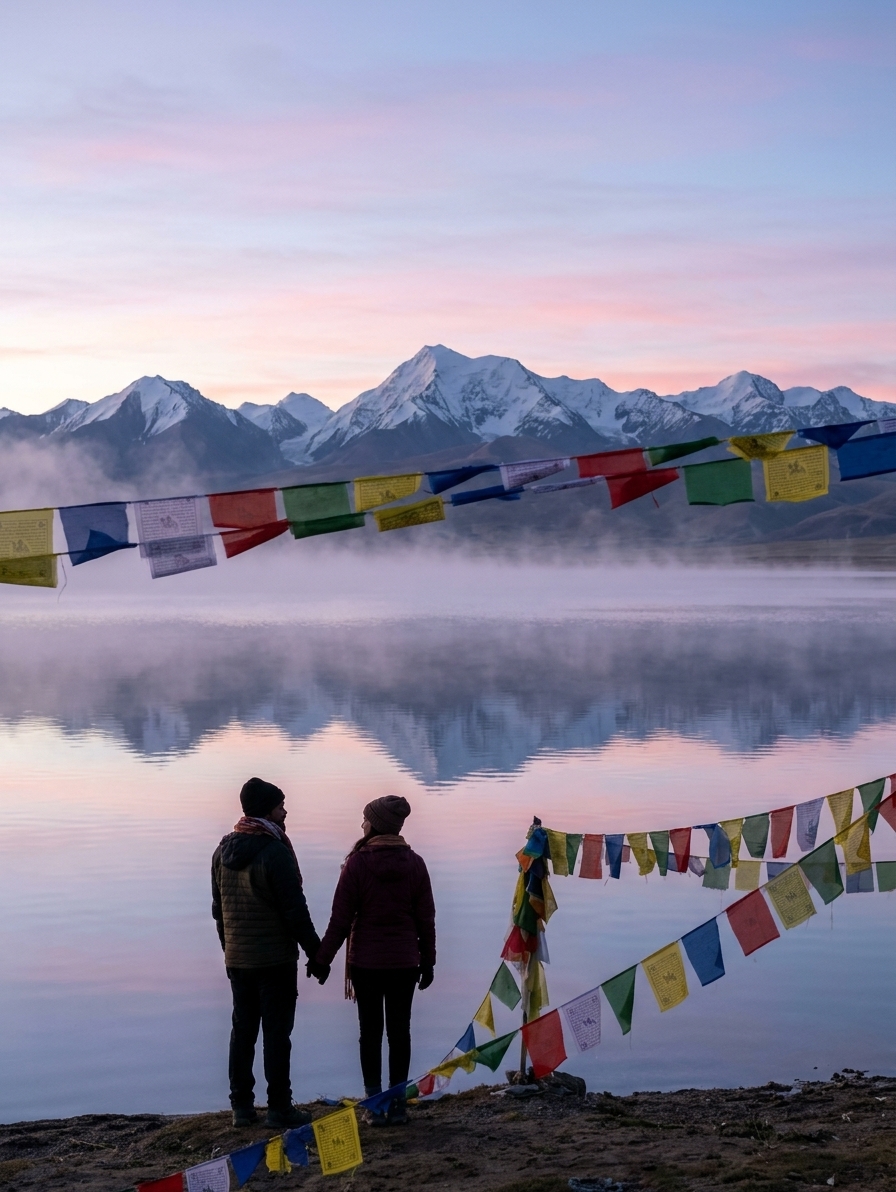
Most couples dive into spiritual yatra planning the same way they plan a beach holiday. Big mistake. Kailash isn’t Goa with a temple. The altitude alone — you’re crossing 5,600 metres at Dolma La Pass — turns simple tasks into endurance tests. We watched couples arrive underprepared, one partner coughing through the night, the other nursing blisters that could’ve been avoided.
The real challenge isn’t faith or finances. It’s information overload mixed with contradictory advice. One website says June is perfect, another warns against monsoons. Someone’s uncle swears by the Lipulekh route, while a travel agent pushes the Kathmandu option. You’re left confused, which is why kailash mansarovar yatra planning needs to start with the right questions, not random Google searches.
The truth is, this yatra demands more respect than romance. You’ll walk together, sure. But you’ll also struggle separately with headaches, exhaustion, and moments where turning back feels smarter than pushing forward. If both of you aren’t mentally and physically ready, one partner ends up sacrificing their experience to support the other.
Which Route Works Best for Indian Couples
There are three main routes, and your choice shapes everything — budget, difficulty, and whether you’ll actually enjoy the journey.
Lipulekh Pass (via Uttarakhand) is the official Indian government route. Managed by the Ministry of External Affairs, it starts from Delhi, goes through Pithoragarh and Dharchula, and crosses into Tibet. This one’s bureaucratic but reliable. Costs run between ₹1.65 lakh to ₹2 lakh per person, all-inclusive. The trek is hard — you’re walking in remote terrain with basic facilities. We didn’t take this route, but couples who did told us the group bonding was real. You share the suffering, which somehow makes it sacred.
Kathmandu route (via Nepal) is what we chose, and most first-timers pick this. You fly to Kathmandu, drive to the Tibet border, and continue by road with occasional short treks. It’s less physically brutal than Lipulekh, though the altitude hits just as hard. How to prepare kailash mansarovar via this route is simpler — you don’t need intense trekking stamina, but you absolutely need acclimatisation discipline. Tour operators in Kathmandu handle permits, hotels, and transport. Expect ₹1.8 lakh to ₹2.5 lakh depending on group size and operator reputation.
Simikot-Hilsa route enters Tibet from northwest Nepal. Fewer Indians use this path. It’s shorter on road travel but involves a flight to Simikot, which gets delayed or cancelled often. If you’ve got tight timelines or low patience for uncertainty, skip it.
For first-timers, especially couples who aren’t hardcore trekkers, the Kathmandu route balances accessibility with authenticity. You still parikrama around Kailash, you still dip your hand in Mansarovar. You just don’t destroy your knees getting there.
Real Kailash Yatra Cost India Breakdown
Let’s talk money without the fluff. Kailash yatra cost india starts around ₹1.65 lakh per person for the government Lipulekh route and goes up to ₹3 lakh for premium private tours via Nepal. Here’s where your money actually goes.
Permits and visas eat up ₹25,000 to ₹40,000. You need a China group visa, Tibet Travel Permit, and Alien Travel Permit. Operators bundle this, but double-check what’s included. We’ve heard of couples paying extra at the last minute because “permit fees increased.”
Flights depend on your route. Kathmandu flights from Delhi or Kolkata cost ₹15,000 to ₹25,000 return. If you’re doing Lipulekh, add train or flight to Delhi, then a long road journey that’s included in most packages.
Accommodation and meals on the yatra are basic. Guesthouses in Tibet, shared tents near Mansarovar, dormitory-style lodges. You’re paying for access, not comfort. This is built into package costs, but solo add-ons — extra blankets, packed snacks, bottled water — add up fast. Budget another ₹10,000 for these extras.
Insurance is non-negotiable. High-altitude travel insurance with emergency evacuation coverage costs ₹8,000 to ₹15,000 per person. Regular travel insurance won’t cover you above 4,500 metres. Don’t skip this. We met a couple whose trip got cut short due to altitude sickness — insurance covered the evacuation and refunded a chunk of the tour cost.
Tips and donations are part of the culture. Porters, drivers, guides — you’ll want to thank people who literally carry your bags uphill. Keep ₹5,000 to ₹7,000 in cash for this.
So realistically, budget ₹2 lakh to ₹2.5 lakh per person if you’re going through a decent operator. Cheaper packages exist, but they cut corners on acclimatisation days, which is exactly where you shouldn’t compromise.
How to Prepare Kailash Mansarovar Physically and Mentally
The MEA website says you need to be “medically fit,” which is vague and unhelpful. Here’s what that actually means. You should be able to walk 6 to 8 kilometres daily without gasping for air. Not run. Just walk, with a light backpack, on uneven ground.
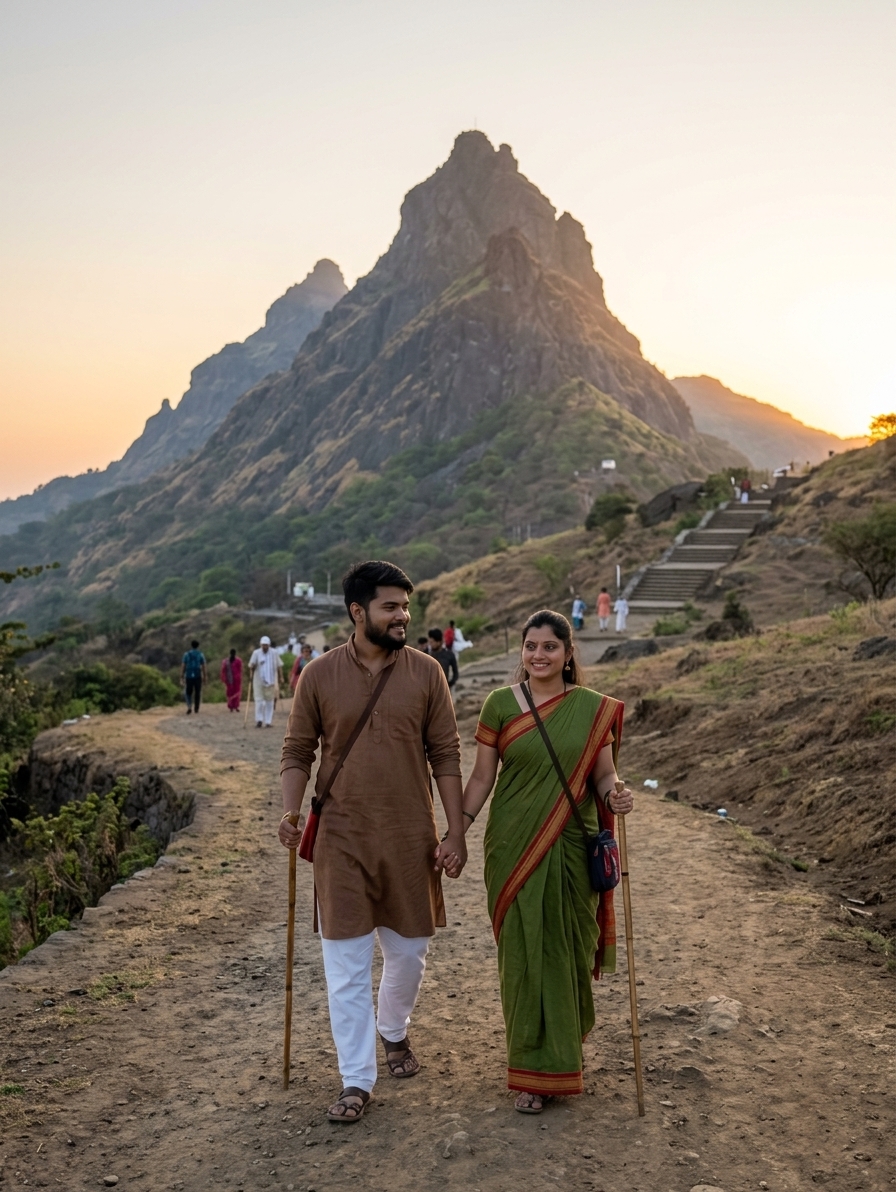
Start training three months before departure. Cardio is king — jogging, cycling, stair climbing. We did 30-minute walks every morning and added weekend hikes around Pune. Lonavala and Rajmachi became our practice grounds. The goal isn’t to become athletes. It’s to build a base so your body doesn’t revolt at 4,500 metres.
Breathing exercises helped more than we expected. Pranayama, specifically anulom vilom and kapalbhati, taught us to control our breath when oxygen drops. At Dolma La, when every step feels like lifting weights, controlled breathing is the difference between panic and progress.
Mental prep is trickier. This isn’t a holiday where you disconnect and recharge. It’s a pilgrimage where discomfort is part of the deal. Samprita struggled on Day 3 with a splitting headache. No medicine worked fast enough. She had to sit with the pain, breathe through it, and accept that some suffering is just… there. We’d talked about this before leaving, which helped. Expect hardship. Don’t romanticise it, but don’t fear it either.
Packing Smart Without Overpacking
Every packing list online says “bring warm clothes.” No kidding. But which warm clothes, how many layers, and what actually works at -10°C when you’re sweating from a climb? That’s what nobody explains clearly.
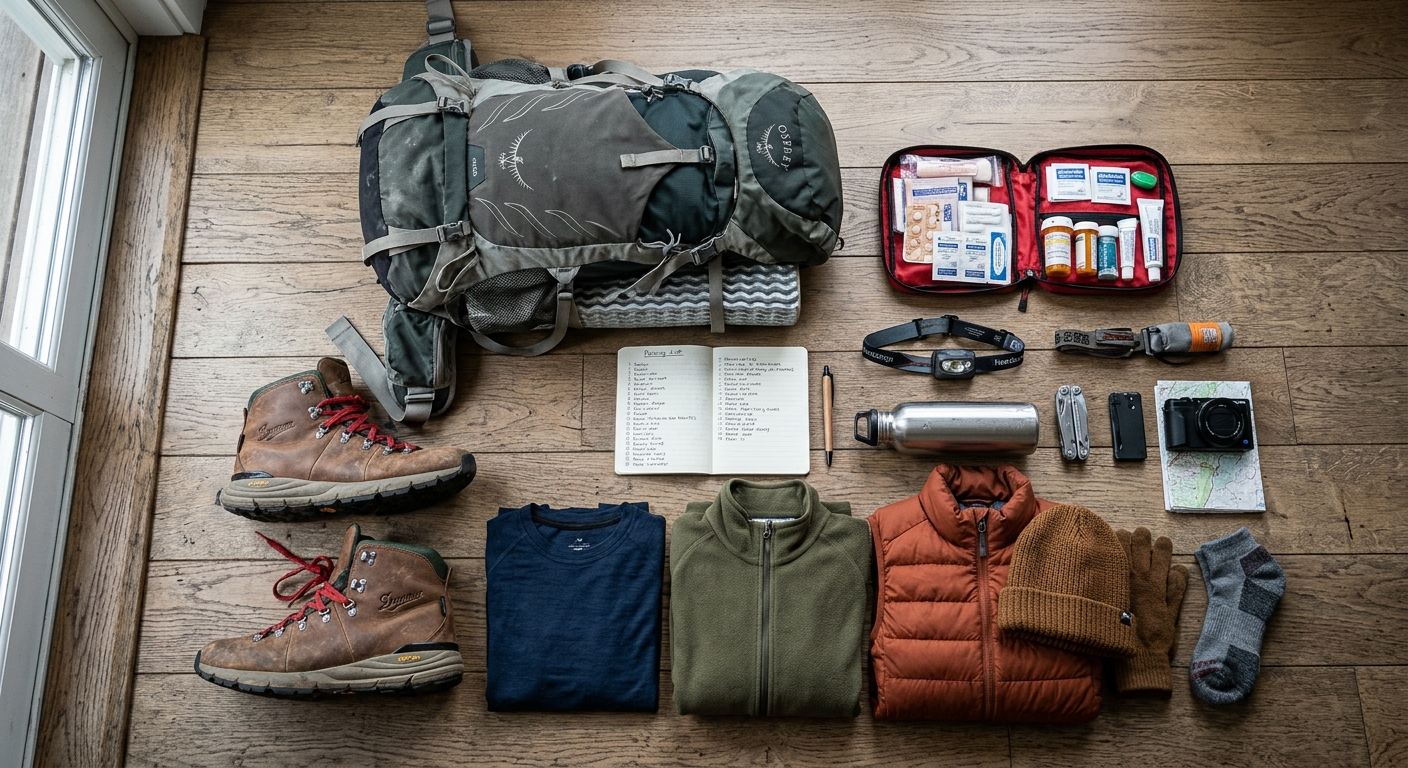
Base layers — thermal tops and bottoms, at least two sets. You’ll wear them every single day. Decathlon’s Quechua range worked fine for us; you don’t need imported brands.
Mid-layers — fleece jacket or down vest. Something you can remove when the sun’s out and throw back on when wind picks up.
Outer shell — windproof, waterproof jacket with a hood. This is your money item. Don’t cheap out. We used a North Face shell that handled rain, snow, and wind without letting us freeze.
Trekking shoes — waterproof, ankle-high, broken in before you leave. New shoes = guaranteed blisters. Wear them for a month before departure.
Accessories — woollen cap, gloves, neck warmer, UV-protection sunglasses, high-SPF sunscreen. The sun at altitude burns fast. Samprita ignored this on Day 1 and looked sunburnt by evening.
Medicines — Diamox for altitude sickness, Disprin, Crocin, anti-nausea tablets, Digene, bandages, antiseptic. Carry a small pharmacy. Medical help is hours away, sometimes longer.
Power banks — at least two, fully charged. Electricity is unreliable. You’ll want your phone for photos, and more importantly, emergency contact.
Dry snacks — energy bars, nuts, glucose biscuits, instant noodles. Food on the route is basic and repetitive. Having your own stash keeps energy up when meals are delayed.
Keep your main bag under 10 kg. Porters or yaks carry it, but they’ve got limits. Your day pack — 3 to 4 kg max — holds water, snacks, medicines, and layers. That’s what stays with you during the parikrama.
Choosing the Right Operator Without Getting Scammed
This is where most first-timers lose money or worse, get stuck with a nightmare experience. Not all Kailash tour operators are equal, and low prices usually mean hidden cuts — in safety, acclimatisation days, or permits.
Check registration and reputation. Operators should be registered with the Indian Mountaineering Foundation or have verifiable government approvals for Tibet travel. Ask for registration numbers. Google their reviews on multiple platforms — TripAdvisor, Facebook groups, Google reviews. One bad review is noise. Ten bad reviews is a pattern.
Ask about acclimatisation days. Good itineraries include buffer days at intermediate altitudes — Nyalam, Saga, and before Mansarovar. If an operator offers “Kailash in 10 days,” they’re rushing you. Standard safe trips take 12 to 14 days minimum. Cutting acclimatisation to save costs is how people end up with severe altitude sickness.
Confirm what’s included. Permits, meals, accommodation, internal travel, oxygen cylinders, medical kits — get it in writing. We paid extra because our operator’s “all-inclusive” package didn’t cover tips or personal expenses, which was fine, but it was disclosed upfront. Surprise costs mid-trip are red flags.
Talk to past travelers. Serious operators connect you with previous clients. We spoke to two couples who’d gone the year before. They told us which operator guide was experienced, which hotels were decent, and what to expect on tough days. That insider info was worth more than any website copy.
Kailash trip for couples through an unreliable operator can ruin what should be a once-in-a-lifetime experience. Spend time here. It matters more than booking early or finding the cheapest deal.
Permits, Paperwork, and Timelines
You can’t just show up. Tibet requires group visas, travel permits, and coordinated entry. Your operator handles most of this, but you need to provide documents on time.
Passport — minimum six months validity from your travel date. Photocopy the first and last page.
Visa photos — passport-size, white background, recent. Carry extras; officials ask for random copies.
Medical certificate — from a registered doctor confirming you’re fit for high-altitude travel. Some operators provide a template; others accept any general fitness certificate. Get it stamped.
Travel insurance — proof of high-altitude coverage. Operators ask for a copy before finalising bookings.
Submit everything 45 to 60 days before departure. Permit processing takes time, and delays happen. We submitted ours two months early and still got our China group visa just two weeks before departure. That’s normal. Don’t panic, but don’t delay submission either.
The Ministry of External Affairs announces Lipulekh route dates every year, usually between May and September. Private routes via Nepal operate from April to October, avoiding winter snow and monsoon peaks. Book at least four to five months ahead for summer batches. Spots fill fast, especially in May and June.
Frequently Asked Questions
Is Kailash Mansarovar Yatra safe for couples in their 30s and 40s?
Yes, if you’re reasonably fit and free from serious heart or respiratory conditions. Most groups have couples in this age range. Older and younger pilgrims complete it too, but preparation and acclimatisation are non-negotiable regardless of age.
Can we do Kailash Mansarovar Yatra on our own without a group?
No. Individual tourist travel in Tibet is banned. You must go with a registered group through an approved operator. Even the Lipulekh route is batch-based through the Indian government. Solo or independent travel isn’t allowed.
What is the best time to plan Kailash Yatra from India?
May to June and September are ideal. Weather is stable, temperatures are manageable, and roads are mostly clear. July and August see monsoon rain in Nepal and occasional landslides. Avoid unless you’re flexible with delays.
How difficult is the Kailash parikrama trek for first-timers?
It’s physically demanding but doable with preparation. The parikrama is 52 kilometres over three days, mostly walking on rocky trails with steep climbs near Dolma La Pass. If you can walk 8 to 10 km daily with breaks, you’ll manage. Fitness and acclimatisation matter more than trekking experience.
Start Your Kailash Journey with Honest Preparation
Kailash Mansarovar isn’t a trip you tick off a list. It’s a journey that asks for honesty — with yourself, your partner, and your limits. Ketan and I went in knowing it would be hard, and it was. But we also knew what to pack, what to expect, and who to trust. That made all the difference.
If you’re serious about this yatra, start with fitness, find a credible operator, and give yourself time to prepare mentally and physically. Don’t rush the planning. Kailash has been there for centuries. It’ll wait for you to be ready.
For more real stories, honest travel experiences, and practical guides from couples who’ve actually done it, follow Musafir Couple. We share what works, what doesn’t, and everything in between — from spiritual journeys like Kailash to weekend getaways around Pune. You can reach us through our YouTube channel or Instagram. Let’s plan your next journey together, with no filters and all the details that actually matter.


