

 by
We’ve stayed at both homestays and resorts around Mulshi. The choice isn’t about one being “better” — it’s about what you’re actually paying for and what you’ll regret not having.
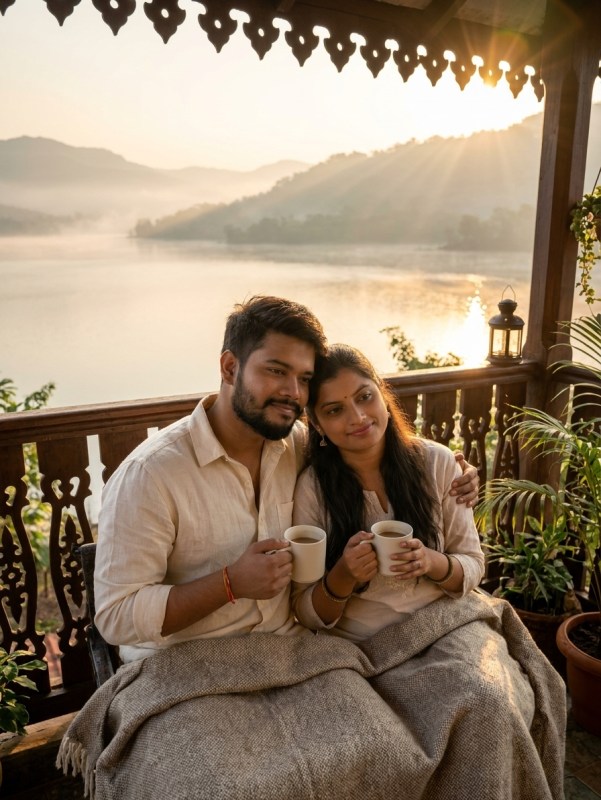
Most couples pick based on Instagram photos. That’s a mistake. The lake view looks identical from a ₹3,000 homestay and a ₹12,000 resort room. What changes is everything around that view — and whether you’ll feel like you overpaid or got exactly what you needed.
Here’s what actually matters when you’re deciding where to stay in Mulshi, based on real stays, real costs, and the stuff nobody mentions in booking descriptions.
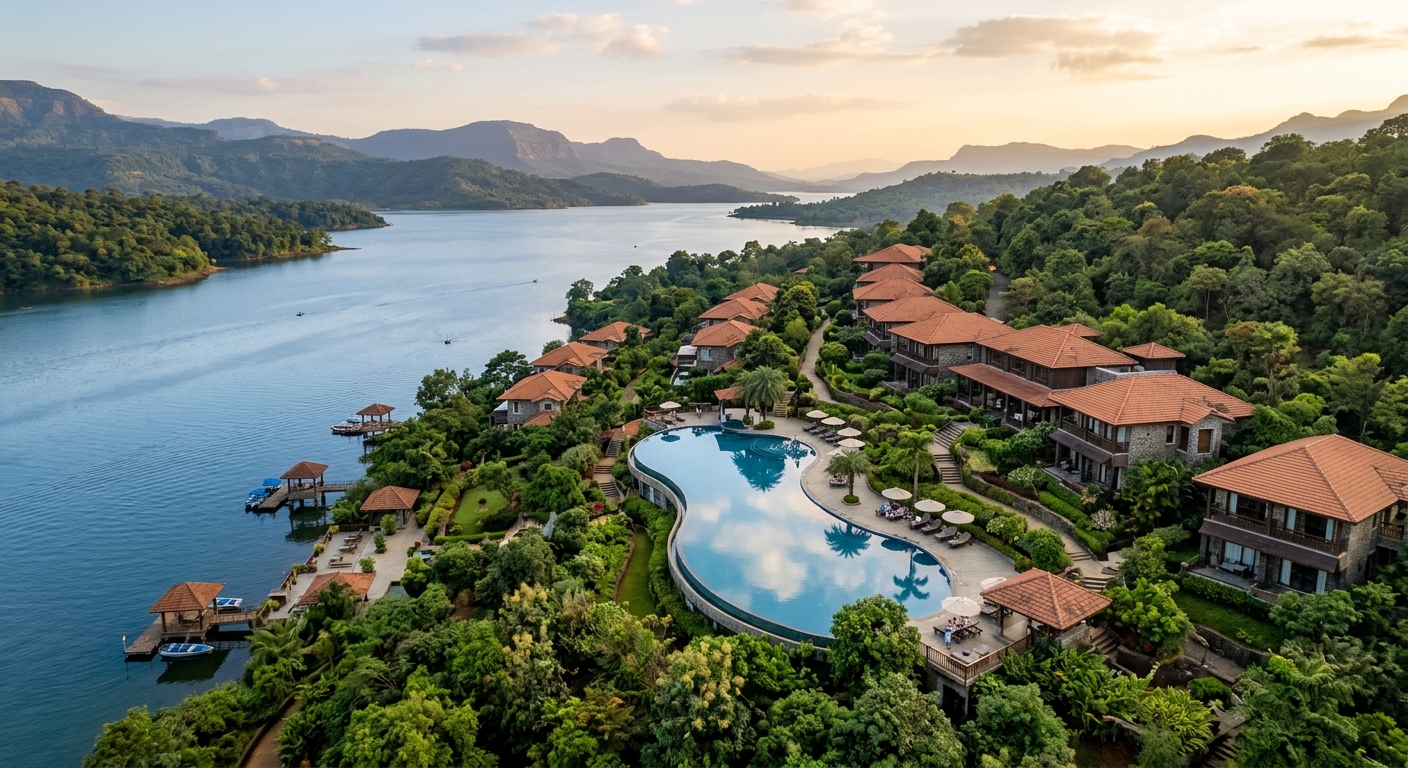
What You Get at a Mulshi Resort That Homestays Don’t Offer
Resorts give you infrastructure. That’s the trade. You’re paying for swimming pools, in-house restaurants, room service, packaged activities, and staff who don’t treat you like house guests.
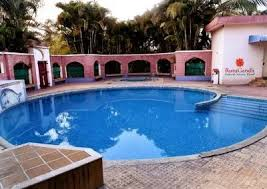
Take Lake Forest Resort or Residency Lake Resort & Spa. You get a private pool, multiple meal options without leaving the property, and rooms that feel like hotel rooms — which means predictable comfort but zero local flavour. The Waterfront Shaw Lavasa goes further with spa services and curated “experiences” that honestly feel a bit corporate.
Staff at resorts won’t ask about your life. You won’t eat meals with the hosts. You won’t get insider tips on where locals actually go. It’s transactional, polished, and sometimes that’s exactly what you want after a week of work stress.
The real win with mulshi couple stay options at resorts is privacy without awkwardness. You’re not sharing common spaces with a family. You’re not timing your breakfast around someone else’s schedule. You check in, you disappear into your room, you use the facilities, you check out.
That costs. Expect ₹8,000 to ₹15,000 per night for decent lakeside resorts during weekends. Prices drop mid-week, but Mulshi resorts know their audience — it’s weekend warriors from Pune willing to pay for convenience.
One thing we learned the hard way: resort food gets boring fast. The menu at most Mulshi resorts is the same North Indian + Chinese + Continental mix you’ll find at every hill station property in Maharashtra. If you’re staying two nights, you’ll want to leave for at least one meal.
Why Homestays Win on Authenticity and Cost (With Trade-offs You Should Know)
Homestays strip it down to the basics. A room, a view, home-cooked food, and hosts who actually live there. The price difference is massive — ₹2,500 to ₹5,000 per night for lakeside homestays, sometimes less if you’re booking off-season or directly with the owner.
The mulshi accommodation comparison gets interesting here. Resorts give you predictability. Homestays give you stories, but zero guarantees.
We’ve stayed at homestays where the host cooked the best mutton curry we’ve had in months, sat with us after dinner, and told us about trails only locals know. We’ve also stayed at places where “lakeside” meant you could see a sliver of water if you stood on the terrace and squinted.
Homestays don’t have backup generators like resorts do. Power cuts happen. Hot water sometimes runs out. If the family dog doesn’t like strangers, you’ll know about it. The bathroom fittings won’t be modern, and the bed might be softer or firmer than you’d choose.
But here’s what you get that no resort will offer: someone who knows Mulshi like their backyard. They’ll tell you which ghats are worth the drive, where to get fresh strawberries in season, and which routes to avoid during monsoon. That kind of local knowledge doesn’t come printed on a resort itinerary.
The real question isn’t quality. It’s vibe. Homestays feel like visiting distant relatives. If that sounds uncomfortable, book the resort. If it sounds like an adventure, save the money and pick a well-reviewed homestay.
One honest warning: photos lie everywhere, but homestay photos lie more creatively. Always check recent reviews and ask for current photos directly. “Lakeside” often means “within a kilometre of the lake.”
Privacy, Meals, and the Things Nobody Tells You Before Booking
Let’s talk about the stuff that ruins stays. Privacy isn’t just about having your own room — it’s about not feeling watched or heard.
At resorts, you’re invisible. Nobody cares when you wake up, how loudly you talk, or if you spend the whole day in your room. At homestays, you’re a guest in someone’s house. That means being mindful of noise, timing, and the fact that walls are often thinner than you’d expect.
We’ve had homestay experiences where the family was lovely but genuinely curious about our plans, our jobs, our travel history — which is charming for some couples and exhausting for others. If you want to disconnect completely, that energy can feel intrusive even when it’s well-meaning.
Meals are the other big difference. Resort meals are a la carte or buffet. You order what you want, when you want it, and it arrives. Homestay meals are usually fixed-menu, cooked by the host, served at set times. You eat what’s made. If you’re vegetarian and they’ve cooked chicken, that’s a problem.
But when homestay food hits, it really hits. Home-cooked Maharashtrian meals, fresh rotis, local vegetables, food made the way families actually eat — not the way hotels think tourists want to eat. That’s worth the lack of choice if you’re into authentic local food discovery.
The other thing: bathrooms. Resorts have attached bathrooms with geysers, toiletries, and decent water pressure. Homestays sometimes have shared bathrooms or geysers that need to be switched on 20 minutes early. It’s not a dealbreaker, but it’s the kind of detail that determines whether you’ll remember the stay fondly or feel mildly annoyed the whole time.
Check before you book. Ask about bathroom arrangements, meal timings, and whether other guests will be staying simultaneously. These aren’t rude questions — they’re the difference between a great stay and a frustrating one.
Costs Breakdown: What You Actually Pay at Each Type of Stay
Let’s get specific. Numbers matter more than descriptions.
Mulshi resort costs (weekend rates, 2026):
- Lake Forest Resort: ₹10,000 to ₹14,000 per night, includes breakfast
- Residency Lake Resort & Spa: ₹8,500 to ₹12,000 per night, breakfast and dinner packages available
- The Waterfront Shaw Lavasa: ₹12,000 to ₹18,000 per night, premium property with full amenities
- Bougainvillea Resort Mulshi: ₹9,000 to ₹13,000 per night, decent mid-range option
Add meals if not included. Lunch or dinner at resort restaurants runs ₹800 to ₹1,500 per person. Alcohol is marked up heavily — expect ₹300 for a beer, ₹600+ for cocktails.
Mulshi homestay costs (weekend rates, 2026):
- Basic lakeside homestays: ₹2,500 to ₹4,000 per night, breakfast included
- Premium homestays with better views and rooms: ₹4,500 to ₹6,500 per night, meals negotiable
- Full board (all meals included): add ₹1,000 to ₹1,500 per person per day
Homestays don’t charge for drinking water, tea, or small requests. Resorts itemize everything. That ₹50 bottle of water adds up.
For a two-night stay, you’re looking at ₹20,000 to ₹30,000 at a resort versus ₹8,000 to ₹15,000 at a homestay, all in. That’s not a small difference. It’s a separate weekend trip somewhere else.
The hidden costs nobody budgets for: resort activities. Kayaking, coracle rides, bonfire setups — they’re all extras. A bonfire alone costs ₹2,000 to ₹3,000 at most resorts. At homestays, the host might arrange it for free or at cost.

When to Pick the Resort (Even If It Costs Double)
Resorts make sense in specific situations. Don’t overpay out of habit, but don’t cheap out when the situation calls for polish.
Pick the resort if you’re celebrating something. Anniversaries, birthdays, or just a proper getaway where you want things to feel special without effort. Resorts handle the setup, the aesthetics, the little touches that make it feel like an occasion.
Pick the resort if you want activities on-site. Swimming, indoor games, organized treks, spa treatments — these aren’t things homestays offer. If leaving the property feels like effort, pay for the convenience of staying in one place.
Pick the resort if you don’t want to interact much. Introverts, this one’s for you. Resorts let you exist in your own bubble. Homestays require at least some social energy, even if it’s just polite small talk during meals.
Pick the resort if you’re traveling during peak monsoon and you want backup systems. Resorts have generators, water heaters that actually work, and staff to call if something breaks. Homestays might not.
We stayed at Residency Lake Resort during a July weekend. It rained non-stop. The pool was useless, but the in-house restaurant, reliable hot water, and the fact that we didn’t have to step out once made it worth the premium. A homestay would’ve felt isolating in that weather.
When the Homestay Wins (And Saves You Serious Money)
Homestays aren’t budget compromises. They’re better for certain kinds of stays.
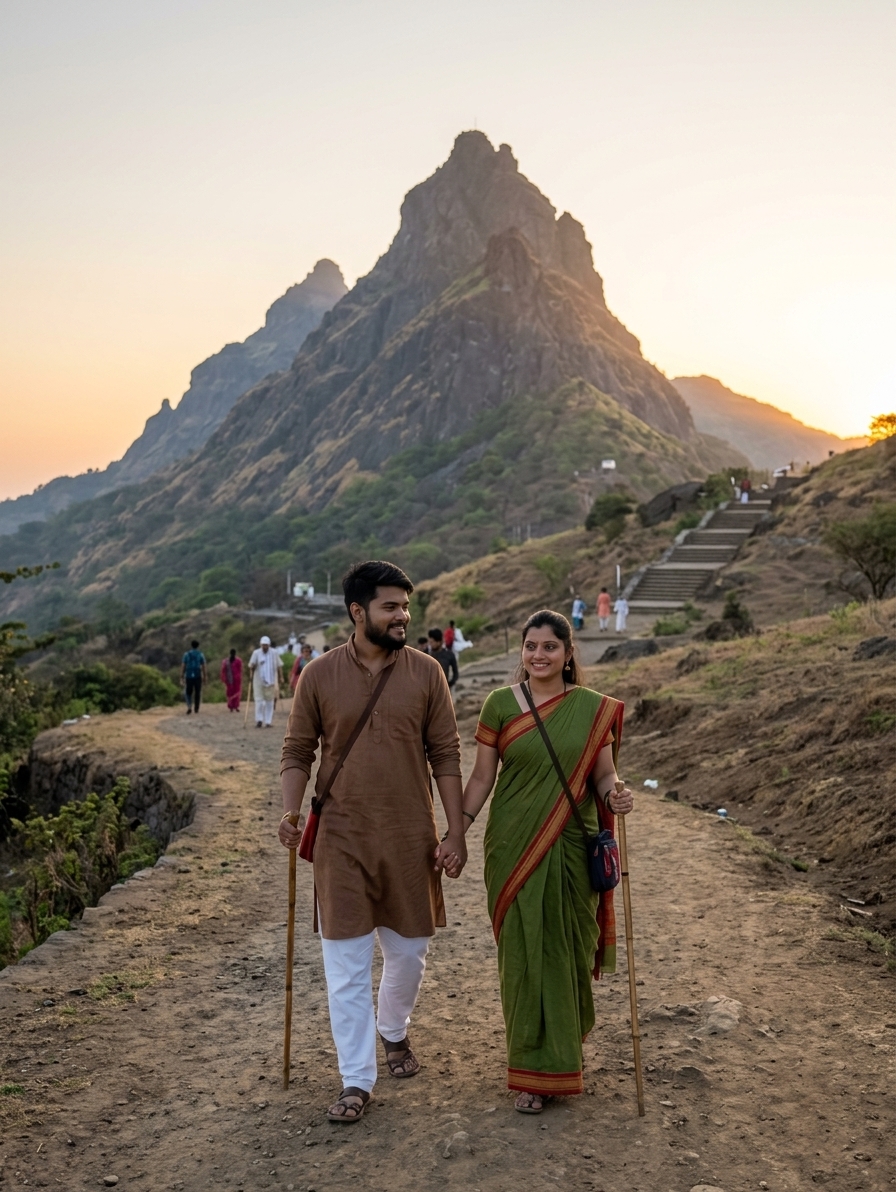
Pick the homestay if you want to feel like you’re actually in Mulshi, not just looking at it. Hosts know the area. They’ll suggest trails, viewpoints, and local spots that aren’t on Google Maps. That kind of access is the whole point of traveling somewhere less commercialized.
Pick the homestay if you care about food. Resort food is fine. Homestay food can be phenomenal if the host cooks well. We’ve had Malvani fish curry at a Mulshi homestay that beat anything we’ve been served at a paid restaurant.
Pick the homestay if you’re staying longer than two nights. The cost difference multiplies, and the initial awkwardness fades. By day two, you’re chatting comfortably. By day three, you’re practically family.
Pick the homestay if you’re okay with imperfect comfort in exchange for character. Quirky rooms, uneven mattresses, bathrooms that aren’t Instagram-ready — these things matter less when the view is great, the vibe is warm, and you’re paying half the price.
Homestays work best for couples who travel to disconnect and explore, not to lounge by a pool and order room service. If your idea of a good stay involves walking around the village, talking to locals, and stumbling onto small discoveries, the homestay will feel more rewarding.
What Ketan and Samprita Actually Recommend After Staying at Both
We’re not going to tell you one is always better. That’s not honest.
If you’ve got the budget and you want a smooth, predictable, comfortable stay where everything just works, book the resort. Lake Forest Resort and Residency Lake Resort & Spa are solid picks. You won’t get stories, but you won’t get hassles either.
If you want to save money, eat real food, and feel like you’ve experienced Mulshi beyond just the scenic photos, book a homestay. Check reviews carefully, confirm the bathroom setup, and go in with realistic expectations. The best mulshi lakeside stay options aren’t always the most expensive ones.
For us, it depends on the trip. Quick weekend reset after a stressful month? Resort. Long stay where we’re exploring the area and want local insights? Homestay every time.
The real mistake is booking based only on price or only on pictures. Think about what you’ll actually do during the stay, how much you value privacy versus interaction, and whether you care more about facilities or authenticity.
One last thing: don’t assume more expensive means better. We’ve stayed at ₹4,000 homestays with better views and kinder hosts than ₹12,000 resort rooms with fancy lobbies and mediocre service. Where to stay Mulshi isn’t about tiers — it’s about fit.
Frequently Asked Questions
Is it safe for couples to stay at homestays in Mulshi?
Yes, but book through verified platforms like Airbnb or directly with hosts who have recent reviews. Confirm that it’s a couple-friendly property before booking. Most Mulshi homestays are used to hosting couples, especially near popular lake areas.
Do Mulshi resorts allow unmarried couples?
Most resorts around Mulshi accept unmarried couples without issue, but confirm during booking. Properties like Lake Forest Resort and Bougainvillea Resort are couple-friendly. Smaller guesthouses might have stricter policies.
Can I get a lake-facing room at a homestay?
Sometimes, but not always. Many homestays advertise “lakeside” when they mean “near the lake.” Ask for specific photos of the view from the room and check recent guest reviews before booking. True lake-facing rooms at homestays are rare and book out fast during weekends.
What’s the best time to book Mulshi accommodation for lower rates?
Weekdays and non-monsoon months like March, April, October, and November have the lowest rates. Avoid weekends, public holidays, and peak monsoon (June to August) when prices double. Booking directly with homestays instead of through platforms can sometimes get you a discount.
Plan Your Mulshi Stay With Honest Advice From Travelers Who’ve Been There
Still confused about whether to book a Mulshi homestay vs resort? We’ve stayed at both, compared the costs, tested the food, and figured out what actually matters versus what’s just marketing.
At Musafir Couple, we share real travel experiences from Ketan and Samprita — including the bookings that worked, the ones that didn’t, and what we’d do differently next time. No sponsored fluff, no picture-perfect lies. Just honest advice from one couple to another.
Check out our Mulshi travel vlogs and destination guides for the real story — routes, costs, food spots, and places worth your time. Follow us for travel content that tells you what you actually need to know before you book.