
 by
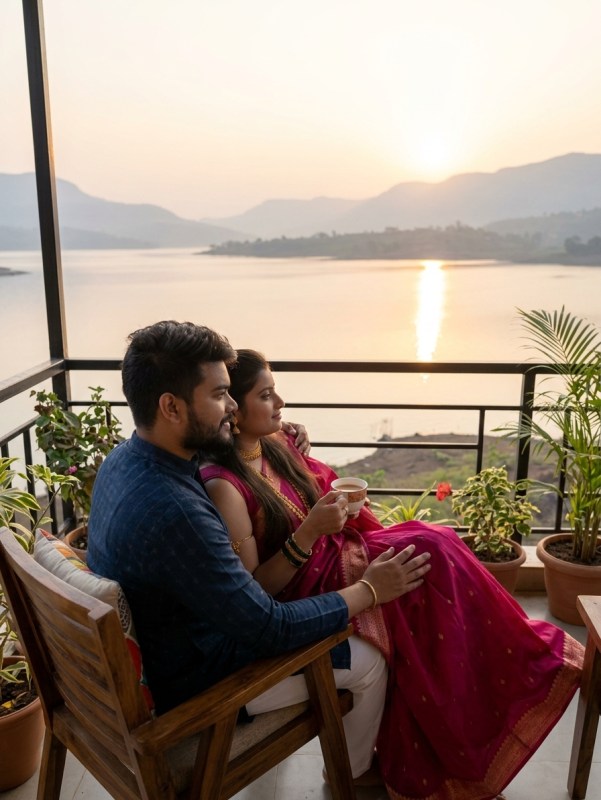
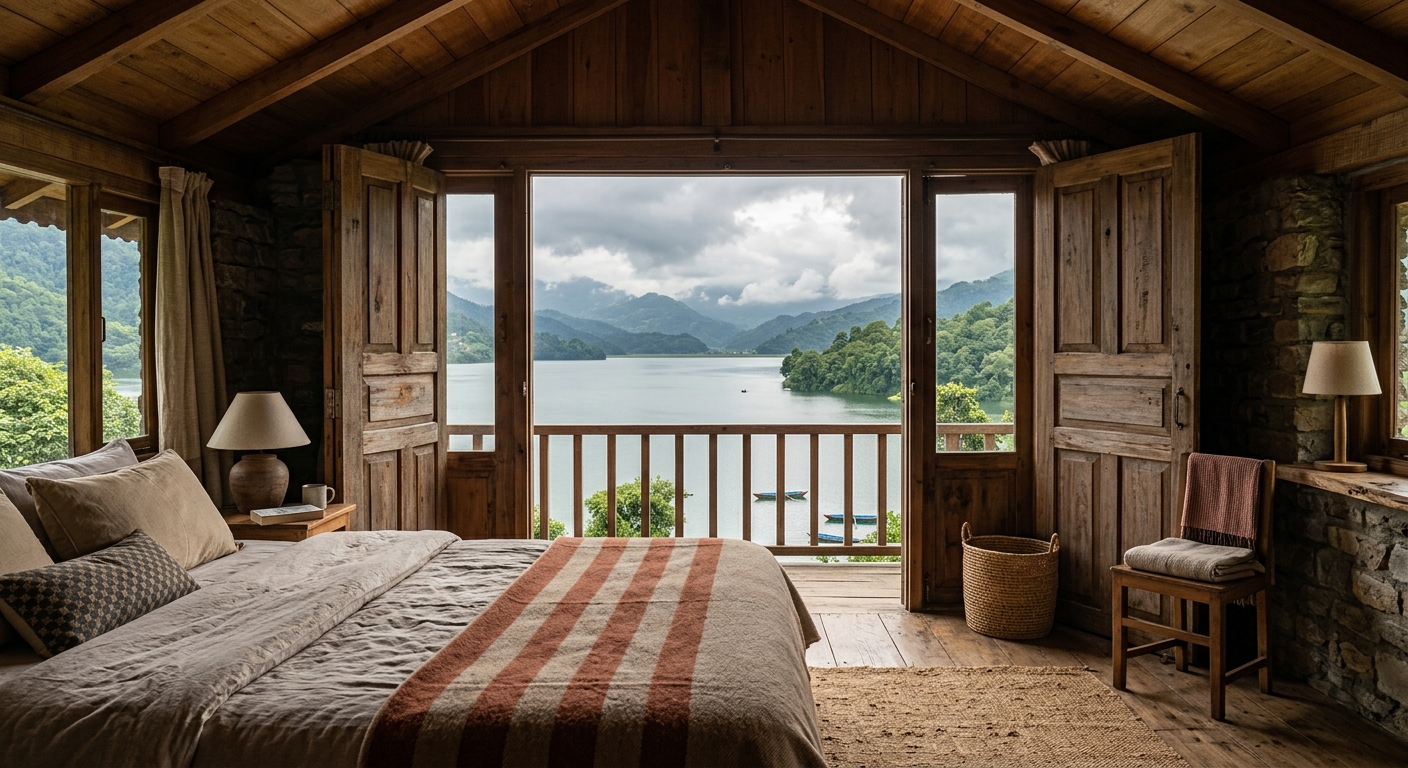
by You’ve seen the photos. That perfect lake view from a balcony, morning mist, two chairs waiting. Now you’re booking a Mulshi trip and stuck between two choices: a homestay that promises authenticity or a hotel that guarantees comfort. We’ve stayed in both, argued about both, and here’s what actually matters when you’re spending your own money.
What You’re Really Paying For: Homestay vs Hotel
Homestays in Mulshi aren’t just cheaper hotels with fewer amenities. They’re a different product entirely. When you book a homestay, you’re paying for access to someone’s property, often their home, with meals cooked by the family and stories shared over chai. You’ll get local intel — which temple opens early, where the road floods during heavy rain, which vendor sells fresh strawberries.
Hotels, on the other hand, sell predictability. Room service menus. Fixed check-in times. Staff who won’t ask about your life. For some couples, that’s exactly what a getaway needs to be.
The price gap? Real. Homestays near Mulshi Lake start around ₹1,200 to ₹2,500 per night for a decent room with a lake view. Hotels — especially the ones marketing themselves as resorts — start closer to ₹3,500 and climb fast. Bougainvillea Resort Mulshi and Residency Lake Resort both sit in the ₹4,000 to ₹7,000 range depending on season and room type.
But here’s the thing we learned the hard way: the cheapest option isn’t always the budget-friendly one. Not when the homestay has no backup power during a storm, or when the hotel charges ₹300 for a basic omelette.
Step 1: Decide What Kind of Couple You Are This Weekend
Before you compare properties, figure out what version of yourselves you’re bringing to Mulshi. Sounds dramatic, but it matters.
Are you the couple that wants to wake up slow, make your own coffee, sit by the lake without a schedule? Homestays win here. You’ll have a kitchen or at least access to one, flexibility with meal times, and hosts who don’t care if you show up for breakfast at 11 a.m.
Or are you the couple that wants zero decisions after check-in? Someone else handles breakfast, housekeeping shows up on time, and if the geyser breaks, you call the front desk instead of troubleshooting with the property owner. Hotels are built for this.
We’ve been both versions on different trips. When we stayed at a small homestay near Mulshi village last monsoon, the host let us shift dinner by two hours because we got stuck watching the rain from Tamhini Ghat. Try that at a hotel with fixed buffet timings.
But when we stayed at The Ark Wellness Retreat — which calls itself a resort but functions like a hotel — we loved that we didn’t have to ask anyone for anything. Towels appeared. Food arrived. Done.
Step 2: Pick Your Lakeview Reality Check
“Lakeview” is the most oversold word in Mulshi. Half the properties claim it. A third of them deliver it. The rest show you a sliver of water between two buildings if you stand on your toes.
Here’s how to filter: ask for photos from the actual room or cottage you’ll be assigned, not the property’s best suite. Request a video walkthrough if you’re booking during peak season like Diwali or New Year’s. And check Google Maps satellite view to see how close the property actually sits to the water.
Homestays often have better unobstructed views because they’re smaller properties, sometimes just two or three rooms on a family plot right by the lake. No resort-style landscaping blocking the water. When we stayed near Panshet, our homestay had exactly this — three cottages, and every single one faced the lake directly.
Hotels and resorts, especially the bigger ones, usually have lakeview rooms and non-lakeview rooms. You’ll pay ₹1,500 to ₹3,000 more per night for the view. Malhar Machi Mountain Resorts has lake-facing and valley-facing cottages. The price difference is sharp, and during monsoon, the valley view honestly competes. But if you came for the lake, don’t compromise.
Step 3: Count the Real Costs, Not Just the Room Rate
This is where couples mess up. You see a homestay listed at ₹2,000 and a hotel at ₹5,000 and assume you’re saving ₹3,000. Then reality hits.
Homestay meals are sometimes included, sometimes extra, sometimes half-included with weird rules like “breakfast and dinner yes, lunch no.” Ask upfront. If meals aren’t part of the package, check if there’s a kitchen you can use. Some hosts allow it. Others get weird about it.
Hotels usually quote room-only rates. Breakfast might be included if you book directly or through certain platforms, but lunch and dinner will cost you. A simple veg thali at Residency Lake Resort runs about ₹400 per person. Two meals for two people? That’s ₹1,600 added to your bill.
Then there’s the stuff nobody mentions. Does the homestay have hot water all day or only during specific hours? Is the caretaker on-site or do you call him when something breaks? Does the hotel charge for activities like boating, bonfires, or guided treks that the listing made sound complimentary?
We once stayed at a Mulshi property that advertised a “complimentary bonfire.” True — but they charged ₹800 for the snacks and tea that came with it, which the listing never mentioned. Not a scam, just vague communication.
Step 4: Test the Host or Property Before You Commit
Call them. Seriously. WhatsApp works too, but a call tells you more.
For homestays, you’re often talking directly to the owner or family member. Ask them about road conditions if you’re driving. Ask if the property is isolated or if there are other travellers staying. Some couples want total privacy. Others feel uncomfortable being the only guests in a remote property with strangers.
We called a homestay near Mulshi village once and the host casually mentioned, “The last kilometre is a dirt road, tough during heavy rain, but manageable with any car.” That honesty saved us from taking our low-clearance sedan during monsoon and blaming them later.
For hotels, call the front desk or reservations team. Ask about cancellation policies, check-in flexibility, and whether the photos on their website are current. Peponi, a smaller pod-style property near Mulshi, has excellent reviews but very few rooms. Confirm your exact booking, not just a “similar room” promise.

Step 5: Match Your Budget to Your Non-Negotiables
Every couple has dealbreakers. For us, it’s a clean bathroom and a bed that doesn’t creak every time you shift position. For you, it might be WiFi, air conditioning, or a bathtub.
Homestays rarely have AC. Mulshi’s pleasant year-round, so you won’t need it most months, but if you’re traveling in May, that’s a different story. Hotels in the ₹4,000+ range usually include AC as standard.
Homestays almost never have elevators. If your room is on the first floor and you’ve packed heavy, you’re carrying it yourself. Hotels handle luggage.
But homestays often win on space. A cottage-style room in a Mulshi homestay gives you a private sit-out, sometimes a small garden patch, and distance from other guests. Hotel rooms, even the expensive ones, can feel compact once you’ve unpacked.
When Homestays Beat Hotels Every Time
If you want to feel like you’ve left Pune behind, homestays win. The pace is slower. Meals happen when you’re ready. Hosts recommend trails and viewpoints that aren’t on Google Maps.
If you’re okay with basic amenities — a comfortable bed, a clean bathroom, and a view — and you’d rather spend money on experiences than on a room you’ll only sleep in, homestays make sense.
If you’re traveling off-season, say mid-September after monsoon crowds thin out, homestay hosts are more flexible with rates. We’ve negotiated 20 to 30 percent discounts just by calling ahead and asking politely. Hotels have rate cards and rarely budge.
When Hotels Are Worth the Premium
If this is an anniversary, a birthday, or you just don’t want to think about anything, hotels earn their cost. You’re paying for the buffer between you and every small inconvenience.
If you want amenities like a spa, a gym, or an indoor pool, only hotels have them. The Ark Wellness Retreat offers full-service spa treatments. Malhar Machi has an indoor pool. No homestay in Mulshi comes close.
If you’re particular about food quality and variety, hotel kitchens deliver consistency. Homestay meals are home-cooked, which is lovely when it’s done well and disappointing when it’s not. You don’t get a menu. You get what’s made.
And if you’re booking last-minute or during peak season, hotels have customer service teams and processes. Homestays sometimes go silent for hours.
The Verdict We Wish Someone Told Us Earlier
We’ve stayed in both, multiple times, and here’s the truth: it’s not about which is better. It’s about which matches the trip you’re actually taking.
Mulshi lakeview homestays win when you want space, authenticity, and a break from scripted experiences. You’ll interact with locals, eat food that tastes like someone’s kitchen, and save money if you’re careful about what’s included.
Hotels win when you want comfort you don’t have to negotiate, when you’re celebrating something specific, or when you’d rather pay more upfront than deal with surprises later.
For couples on a budget who still want that lakeview moment, homestays starting around ₹1,800 to ₹2,500 give you everything Mulshi is actually known for — the lake, the quiet, the hills. For couples who’ve done the rustic thing before and just want to relax without managing anything, hotels starting at ₹4,000 are worth it.
The wrong choice is booking something just because it’s cheap or expensive and then spending the weekend wishing you’d picked differently.
Frequently Asked Questions
Which is cheaper for couples — Mulshi homestays or hotels?
Homestays are cheaper upfront, starting around ₹1,200 to ₹2,500 per night, while hotels start closer to ₹3,500. But add meal costs, activity fees, and transport, and the gap narrows. Homestays save money if meals are included and you’re okay with basics.
Do Mulshi lakeview homestays have the same view as hotels?
Often better, actually. Homestays are smaller and sit closer to the water without landscaping or other buildings blocking the view. Hotels have lakeview and non-lakeview rooms — confirm exactly which one you’re getting before booking.
Are hotels safer than homestays for couples traveling to Mulshi?
Both are safe if you book verified properties with reviews. Hotels have 24-hour staff and security systems. Homestays are usually family-run. Read recent reviews on Google and Booking.com and call the property before confirming.
Can I get a romantic setup at a Mulshi homestay like I would at a hotel?
Some homestay hosts arrange candlelight dinners, flower decorations, or bonfire setups if you ask in advance. Hotels sell these as packages, often at premium rates. Homestays customize it for free or a small charge — just call and ask before arrival.
Plan Your Mulshi Getaway With Honest Advice You Can Trust
Choosing between a homestay and a hotel isn’t about right or wrong. It’s about knowing what you’re paying for and what actually matters to you both. At Musafir Couple, we share these real experiences — costs, access, confusion, what worked and what didn’t — because that’s the advice we wish we’d had before our first Mulshi romantic getaway.
Whether you pick a quiet Mulshi Lake homestay or a full-service resort, make the call based on your weekend, your budget, and your version of comfort. Not someone else’s Instagram version.
Explore more unfiltered couple travel stories, real costs, and hidden gems across Maharashtra on our blog. Or follow Musafir Couple on Instagram and YouTube where Ketan and Samprita take you along for the actual trip — bargaining, wrong turns, and all.