

 by
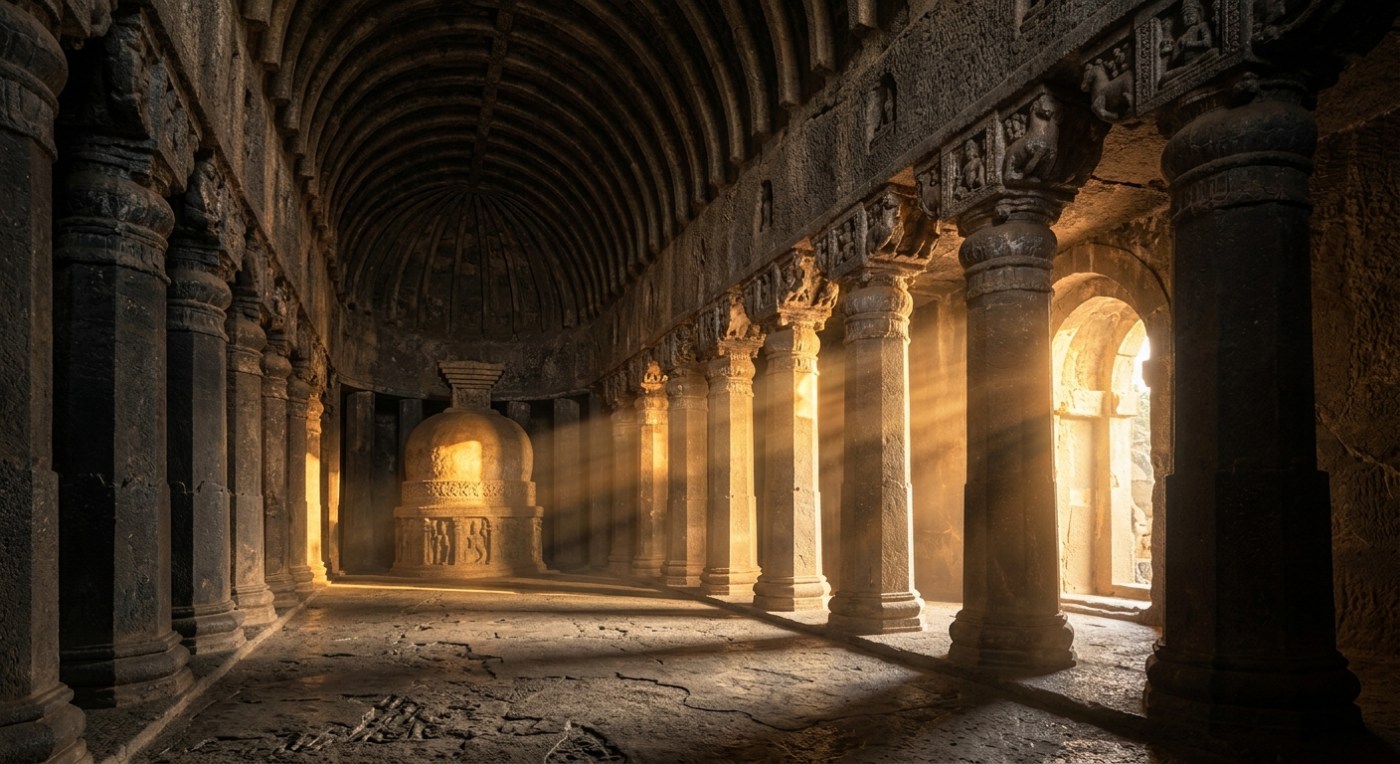
by Most travel blogs show you polished photos of Bedse Caves. Gorgeous light streaming through rock-cut pillars. Empty courtyards. Perfect framing.
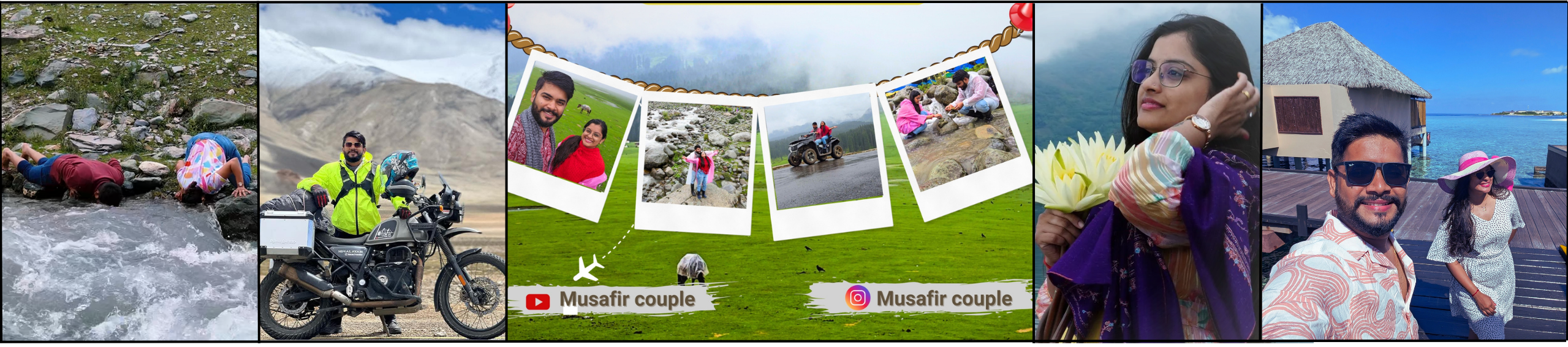
Here’s what they don’t show: the actual approach road that’ll test your car’s suspension, the confusing entry points with zero signage, the goat herds blocking your path mid-trek, and the fact that you might reach the top only to find the main cave locked. We’re Ketan and Samprita from Musafir Couple, and we’ve made the Bedse Caves trip from Pune three times now — once beautifully, twice with frustrating surprises. This isn’t another “Top 10 Reasons to Visit” list. It’s the practical stuff you need before you start your engine.

Step 1: Pick Your Route Based on Your Vehicle Type
The first mistake we made? Following Google Maps blindly.
There are two ways to reach Bedse Caves from Pune. The first route takes you via the Pune-Mumbai Expressway, exiting at Kamshet, then a narrow village road through Bedse village. Total distance: roughly 58 kilometres. The second goes through Lonavala town, past Bhaja Caves, and up a slightly better-maintained approach. About 62 kilometres.
If you’re driving a sedan or a low-clearance hatchback, take the Lonavala route. The Kamshet-Bedse village road has potholes that look innocent until your car bottoms out. We scraped our underbelly twice before switching routes. The Lonavala side isn’t pristine either, but it’s wider and has fewer sudden dips.
For SUVs or vehicles with decent ground clearance, the Kamshet route saves 10 minutes and offers better mountain views. Just don’t attempt it during or immediately after monsoon. The road becomes a slush trap, and you’ll spend more time worrying about getting stuck than enjoying the ride.
Step 2: Start Early or You’ll Regret the Light
Most people think late morning is fine for a Bedse Caves day trip. It’s not.
The caves face west. That means harsh, flat afternoon light kills the atmosphere inside. Worse, the climb gets uncomfortably hot by 11 AM, even in winter. We made our first visit around noon in February. The stone steps radiated heat, the courtyard was glaring bright, and the interiors had zero dramatic lighting.
Leave Pune by 7 AM. You’ll reach the base by 8:15 or 8:30, which gives you soft morning light filtering through the cave pillars — the kind that actually makes your photos look like those influencer shots. The temperature is pleasant. The local shepherds haven’t brought their flocks up yet, so the paths are clear.
Also, early arrival means you avoid the weekend trekking groups. By 10 AM on Saturdays, Bedse gets crowded with college groups who treat the site like a photo studio. If you value a quiet, contemplative experience, timing isn’t optional.
Step 3: Navigate the Confusing Entry Points Without Getting Lost
Here’s where every blog and vlog fails you.
When you reach Bedse village, there are two parking spots that look like trailheads. One is near a small temple at the village edge. The other is about 300 metres further, near a dirt clearing where locals park tractors. Most people stop at the first one because it’s marked with a faded signboard. Wrong choice.
The temple parking leads to a longer, rockier trail with unclear forks. You’ll second-guess yourself three times before reaching the caves. The second spot — the tractor clearing — has a more direct, better-defined path. It’s not marked, which is why people miss it. Look for a narrow cement path heading uphill next to a corrugated tin shed. That’s your trail.
We wasted 20 minutes on our second trip trying to figure out which fork to take from the temple route. A local finally redirected us. Save yourself the confusion: park at the clearing, not the temple.
The climb itself takes 15 to 20 minutes at a relaxed pace. It’s not difficult — just uneven stone steps with loose gravel in sections. Wear shoes with decent grip. Flip-flops are a gamble.
Step 4: Bring These Essentials That Nobody Mentions
Every generic Bedse Caves travel guide tells you to carry water. Obviously. What they don’t tell you: bring a flashlight or use your phone’s torch.
The main cave has sections that are pitch dark, especially the inner cells where monks once meditated. Your eyes adjust partially, but you’ll miss intricate carvings on the pillars and ceiling without direct light. We didn’t realise this until our third visit when we finally brought a torch and saw details we’d walked past twice before.
Also, carry a small towel or cloth. The stone benches inside the caves are dusty, and if you plan to sit and absorb the space — which you should — you’ll want something to wipe surfaces. Packaged snacks are smart too. There’s nothing to buy on the way up, and you’ll likely spend an hour exploring if you’re genuinely interested.
One more thing: don’t rely on mobile network. Airtel works sporadically. Jio is weak. Vi is almost nonexistent. Download offline maps before you leave Pune. Musafir Couple learned this when we tried looking up historical context mid-visit and had zero connectivity.
Step 5: Explore the Caves in the Right Sequence
Most visitors walk straight into the main chaitya hall because it’s the most photogenic. That’s backwards.
Start with the smaller viharas on the left as you enter the complex. These are residential caves — simpler, less ornate, but they give you context. You’ll see stone beds carved for monks, water cisterns cut into rock, and narrow meditation cells. Spend five minutes here understanding how these structures were lived in, not just admired.
Then move to the main chaitya. It’s a prayer hall with a central stupa and rows of octagonal pillars. The craftsmanship is stunning — each pillar slightly different, the ceiling ribbed to mimic wooden architecture. Walk slowly around the stupa. Notice the wear patterns on the floor stones from centuries of barefoot pilgrims.
Here’s what nobody mentions: climb the small hill behind the main cave. There’s a lesser-known rock shelter with faint inscriptions and a panoramic view of the Pawna Dam and surrounding valleys. It’s unmarked, and most people skip it entirely. We discovered it by accident when a local pointed it out. Worth the extra 10-minute detour.

Step 6: Avoid These Common Mistakes That Ruin the Visit
First mistake: treating Bedse Caves as a quick photo-op on the way to Lonavala. If that’s your mindset, don’t bother. The site deserves at least an hour. Rushing through means you’ll miss the atmosphere, the silence, the centuries-old aura that makes this place special.
Second mistake: visiting Bedse Caves during peak monsoon. The trek becomes slippery, leeches are active, and the caves themselves get damp and uninviting. Post-monsoon — September or October — is ideal. The landscape is lush, the weather is cool, and the site feels alive.
Third mistake: ignoring the caretaker. There’s usually an elderly local near the main cave who informally manages the site. He’s not officially employed, but he knows the history, can point out hidden details, and sometimes unlocks side sections that are otherwise gated. Offer a small contribution — ₹50 or ₹100. It’s respectful, and you’ll learn things no guidebook covers.
We made all these mistakes across our visits. Each trip taught us something. That’s the nature of visiting Bedse Caves from Pune — it rewards attention and punishes assumptions.
Step 7: Combine Your Trip Smartly with Nearby Spots
A solo Bedse Caves day trip feels incomplete because the site itself takes just an hour or two. Pair it strategically.
The best combination: start with Bedse early morning, then head to Pawna Lake for breakfast at one of the lakeside cafes. The drive is 15 minutes. If you’re into more history, visit Bhaja Caves afterwards — they’re older, more extensive, and completely different in character. The two sites together make a fuller experience.
Another option: combine Bedse with Tikona Fort. It’s a short trek, great views, and it balances cave exploration with a bit of adventure. Or if you’re after relaxation, head to one of the farmstays around Kamshet post-visit. Many offer day-use access to their properties for a small fee.
What we don’t recommend: clubbing Bedse with Lonavala’s touristy spots like Tiger Point or Bushi Dam. The vibe doesn’t match. Bedse is quiet, historical, introspective. Lonavala’s main attractions are crowded and commercial. Mix them and you’ll dilute both experiences.
Step 8: Know the Real Costs Before You Go
This is where every polished travel vlog skips the details. Let’s break it down.
Fuel from Pune to Bedse and back: roughly ₹400 to ₹500 depending on your car’s mileage. There’s no toll if you take the Lonavala route via old Mumbai-Pune highway. If you go via expressway, add ₹100 for the Kamshet exit and return.
Parking at Bedse: free. You’re parking on open village land.
Entry to the caves: free. No ticket, no official fee. But as mentioned, tip the caretaker ₹50 to ₹100 if he’s around.
Food: budget ₹300 to ₹500 per person if you stop for breakfast or lunch at Pawna Lake cafes. Local village dhabas charge ₹100 to ₹150 for basic meals.
Total trip cost for two people, including fuel, food, and incidentals: ₹1,200 to ₹1,800. That’s honest math from our multiple trips as Musafir Couple. If someone tells you it’s a ₹500 day trip, they’re either lying or skipping meals.
Is Visiting Bedse Caves Actually Worth It?
Depends on what you’re after.
If you want Instagram-ready backdrops with minimal effort, you’ll be disappointed. The caves are beautiful, but they don’t scream drama like Ajanta or Ellora. The surroundings are rural, the facilities are basic, and the experience is quiet.
But if you appreciate history, ancient architecture, and spaces that let you pause and think, Bedse is absolutely worth it. It’s one of the few places near Pune where you can stand in a 2,000-year-old structure, hear nothing but wind and birds, and actually feel the weight of time.
We’ve recommended the Bedse Caves trek to friends who are into offbeat travel. Every single one came back saying they’re glad they went, but they also understood why it’s not mainstream. It’s not for everyone. And that’s exactly what makes it special.
Frequently Asked Questions
How difficult is the trek to Bedse Caves?
Easy to moderate. The climb is mostly stone steps with a few steep sections. Takes 15 to 20 minutes at a normal pace. Kids and older adults can manage it comfortably. No technical trekking skills needed.
Can I visit Bedse Caves during monsoon?
You can, but we don’t recommend it. The trail gets slippery, leeches are active, and the caves feel damp. Post-monsoon — September to November — is the best time. February and March work well too.
Is there mobile network at Bedse Caves?
Weak and unreliable. Airtel works occasionally near the parking area. Inside the caves and on the trail, expect no signal. Download offline maps and information before leaving Pune.
Are there guides available at Bedse Caves?
Not officially. Sometimes a local caretaker is present who can share historical details. There are no certified guides or tour operators on-site. Do your research beforehand or visit with someone familiar with the area.
Ready to Experience Bedse Caves the Right Way?
Now you know what actually happens when you visit Bedse Caves from Pune — not the filtered version, the real one. The confusing entry points, the timing that makes or breaks your experience, the costs nobody shares, and the quiet beauty that rewards those who come prepared.
At Musafir Couple, we share these unscripted, honest travel experiences because that’s what we wish we’d found before our first trips. If you’re planning this visit, check out our vlog where we walk you through the exact route, show the trail conditions, and capture the caves in real light — not edited magic hour.
Have questions about road conditions, nearby stays, or combining Bedse with other spots around Lonavala? Reach out. We’ve done the trial-and-error so you don’t have to.