

 by
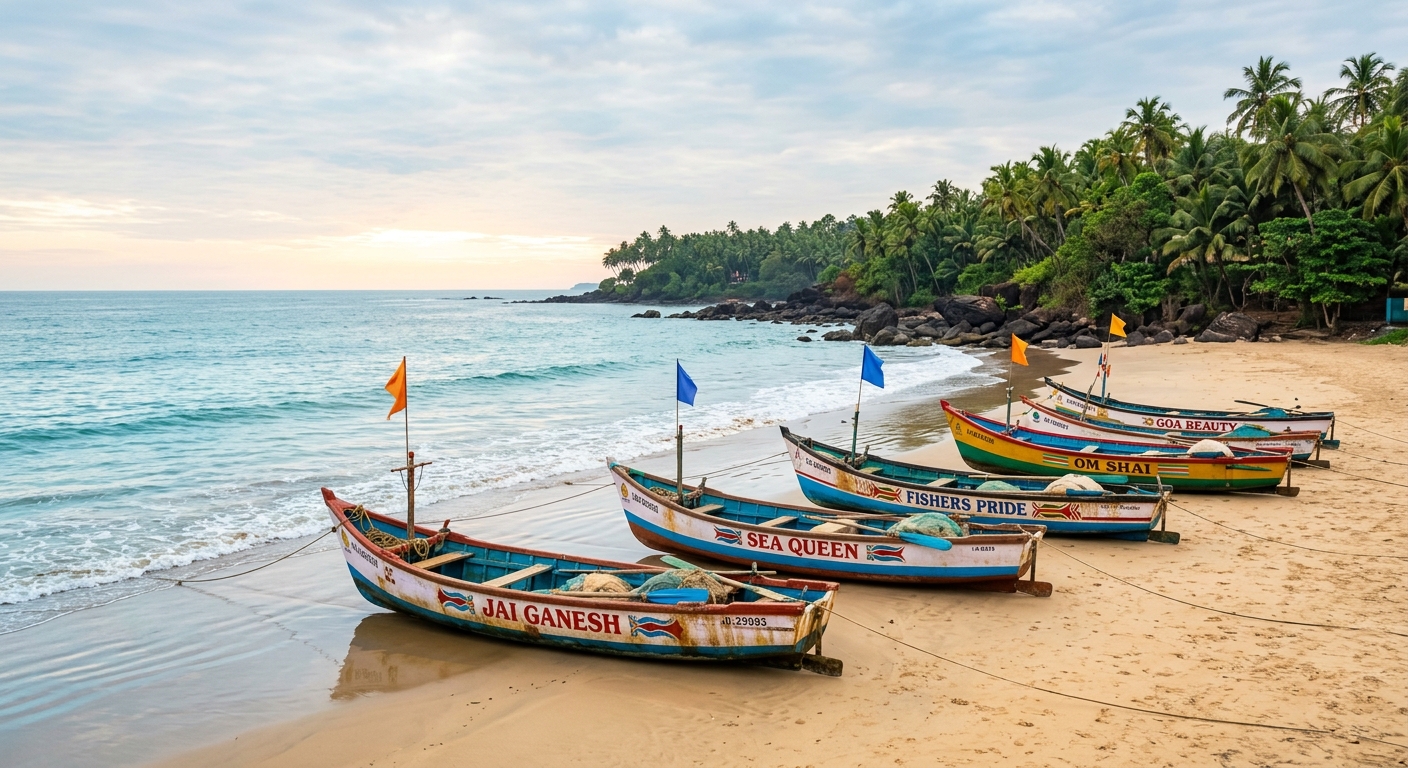
by Picture this: you’re sitting in a beach shack at Cola Beach, watching the waves crash, cold beer in hand. Your partner’s scrolling through photos of the hidden waterfall you found that morning. The bill arrives. You brace for impact — but it’s ₹340 for two. That’s Goa in 2026 if you know where to look.
Most travel bloggers will tell you Goa’s gotten expensive. They’re half right. The tourist circuit — Calangute, Baga, Candolim — will drain your wallet faster than a leaking sunscreen bottle. But the Goa we discovered? The one where locals eat, where fishing villages still feel like fishing villages, where you can stay 50 meters from the ocean without selling a kidney? That Goa still exists.
We’ve done this trip four times now — Ketan and I, Samprita — each time tweaking the budget, testing different routes, staying in everything from beach huts to boutique stays. And every single time, couples ask us the same thing: “Exactly how much do we need?” Not ranges. Not “it depends.” Actual numbers.
So here it is. The real Goa trip cost for two people in 2026 — with receipts, mistakes we made, and the hidden expenses nobody warns you about.
Step 1: Calculate Your Pune to Goa Travel Cost (The First Big Decision)
Your transport choice sets your entire budget tone. We’ve tried all three options, and the math changes dramatically depending on what you pick.
Option 1: Train (Budget Champion)
The Pune-Madgaon route costs ₹500-800 per person in sleeper class, ₹1,200-1,500 in 3AC. Book 30 days ahead through IRCTC, and you’ll grab Tatkal if you’re flexible with timing. Total for two: ₹1,000-3,000 depending on class.
The catch? You’ll need local transport in Goa — auto-rickshaws, bike rentals, or cabs. Budget another ₹2,000-4,000 for three days of getting around. We learned this the hard way on trip one when we assumed everything would be “walking distance.” Nothing in Goa is walking distance when it’s 34 degrees and you’re carrying beach gear.
Option 2: Bus (The Middle Path)
Private sleeper buses from Pune to Panaji run ₹800-1,500 per seat. Comfortable? Depends on the operator. We once took a “luxury sleeper” that had suspension like a bullock cart. But when you book through RedBus or government kadamba services, it’s decent. Budget ₹2,000-3,000 for two, round trip.
Same local transport costs apply once you’re there.
Option 3: Own Vehicle (Freedom Tax)
This is what we do now, and here’s the real breakdown:
- Fuel: Pune to Goa is roughly 450 km one way. A decent sedan gives 15 km/liter. That’s 60 liters total for the round trip. At ₹105/liter (Pune rates, 2026), that’s ₹6,300.
- Tolls: Four toll plazas en route, totaling about ₹850 each way. Round trip: ₹1,700.
- Parking: ₹50-100 per day at most beaches and restaurants. Budget ₹300 for three days.
Total vehicle cost: ₹8,300.
Sounds expensive compared to the train, right? But you’re not paying for bike rentals (₹500-800/day in Goa), you can leave whenever you want, and you can stop at Khed for misal pav at 6 AM. For us, the freedom’s worth it. For first-timers on a tight budget, train wins.
Our recommendation: If your total budget is under ₹25,000, take the train. If you’re at ₹30,000 or more and want flexibility, drive. Buses are only worth it if trains are fully booked.
Step 2: Choose Accommodation That Won’t Destroy Your Budget
This is where most Goa trip price per person calculations explode. Hotels near Baga and Candolim charge ₹4,000-8,000 per night for rooms that smell like old carpet and overlook a parking lot. We’ve been there.
Here’s what works better.
Budget Option: Beach Huts and Guesthouses (₹1,500-2,500/night)
Places like Cola Beach, Agonda, and Palolem still have simple beach huts run by local families. You get a clean room, sometimes AC, always a sea view, and zero pretense. We stayed at a guesthouse in Benaulim for ₹1,800/night — AC worked, hot water was reliable, and the aunty who ran it told us which beach shacks to avoid.
Three nights: ₹5,400.
Pro tip: Don’t book these on Booking.com. Call directly. We saved ₹600 on our Benaulim stay just by asking the owner if direct booking got a discount. It did.
Mid-Range: Homestays and Small Hotels (₹2,500-4,000/night)
Airbnb has exploded in Goa. You’ll find Portuguese-style homes in Fontainhas, modern apartments near Calangute, and villa stays near Ashwem. We stayed at a two-bedroom homestay near Vagator for ₹3,200/night. The host left us fresh poee bread and homemade coconut chutney every morning. That alone justified the price.
Three nights: ₹9,600.
Splurge Option: Boutique Resorts (₹5,000-10,000/night)
If you’re celebrating an anniversary or honeymoon, this is where you spend. We tried a lakeview property near Salaulim Dam — not technically Goa beach, but 40 minutes from Palolem. The place had a private balcony, kayaks, and a chef who made prawn curry that still haunts our dreams. Cost: ₹7,500/night.
Three nights: ₹22,500.
What we actually do: We mix it. Two nights in a budget guesthouse near South Goa beaches (₹4,000 total), one night splurging at a nicer place (₹5,000). Total: ₹9,000. We get the beach experience and the comfort, without feeling guilty about either.
Step 3: Plan Your Food Budget (This Is Where Honesty Matters)
Every blogger says “eat local, it’s cheap.” Sure. If you eat poha and chai for every meal. But you’re on vacation. You’ll want seafood platters, cocktails at sunset, and that overpriced gelato at Panjim.
Here’s what three days actually looks like.
Breakfast (₹150-300 for two)
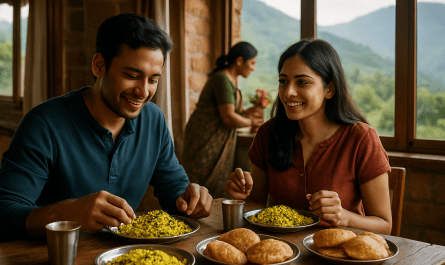
Local bakeries and beach shacks serve pao bhaji, poee with chicken cafreal, omelets, and chai for ₹70-150 per person. Tourist spots like Baga charge double. We found a small Konkani place near Margao where two plates of chicken xacuti with sannas cost ₹200 total. Best breakfast we had.
Three days: ₹600-900.
Lunch (₹300-600 for two)
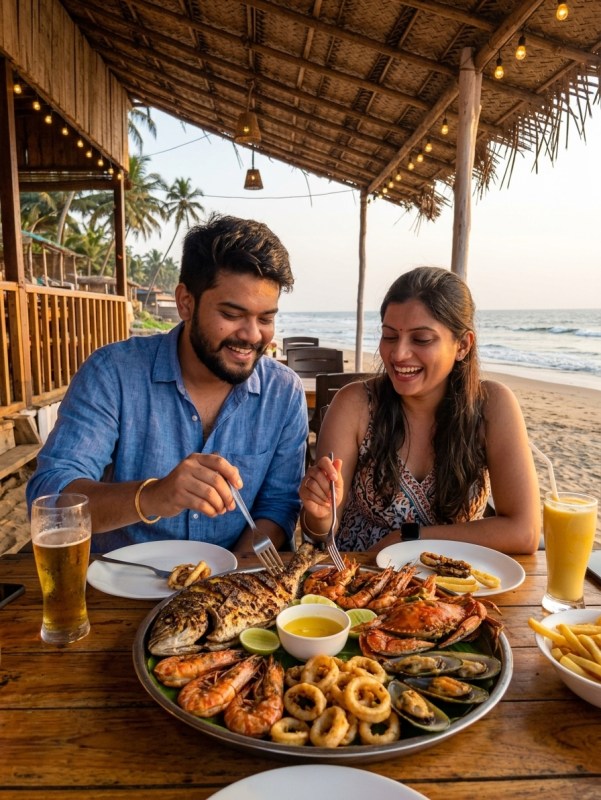
This depends entirely on where you eat. A thali at a local joint in Mapusa or Margao: ₹80-120 per person. A seafood platter at a beach shack in Palolem: ₹800-1,200 for two. We usually do one “proper” seafood lunch (₹1,000) and two simpler meals (₹300 each).
Three days: ₹1,600.
Dinner (₹500-1,200 for two)
Dinner’s where you’ll spend. A riverside restaurant in Panjim, candlelit tables at Ashwem, live music at a beach shack — these aren’t cheap. Expect ₹600-1,500 for two, depending on drinks. We once spent ₹2,100 on dinner at a beach shack in Morjim. Was it worth it? Absolutely. Did it hurt the budget? Also absolutely.
Three days: ₹2,000-3,500.
Drinks and Snacks (₹500-1,000)
Kingfisher at a shack: ₹100-150. Cocktails: ₹250-400. Coconut water: ₹40. Evening chai and pakoras: ₹80. It adds up. Budget ₹500 minimum, ₹1,000 if you like sundowners.
Total food cost for three days: ₹5,000-7,000 for two people.
We usually land around ₹6,000. One fancy meal, rest local and honest.
Step 4: Factor In Activities and Entry Costs
Goa isn’t just beaches. Though honestly, the beaches are free and often the best part.
But if you want to do more, here’s what things cost in 2026:
Water Sports (₹500-2,500 per person)
Parasailing: ₹800-1,200. Jet ski: ₹500-800 for 10 minutes. Banana boat: ₹300-500. Scuba diving: ₹2,500-4,500. We did jet skiing at Calangute and felt every second of that ₹700. Fun? Yes. Necessary? Debatable.
If you’re doing one activity, budget ₹1,500-3,000 for two.
Sightseeing and Entry Fees (₹300-800)
Most churches, temples, and forts are free. Dudhsagar waterfalls jeep safari costs ₹1,200-1,500 per person (we skipped it — too touristy). Spice plantation tours: ₹500-800 per person. We visited Basilica of Bom Jesus (free) and Chapora Fort (free, amazing sunset).
Budget ₹500 if you’re selective.
Bike or Scooter Rental (₹400-800/day)
If you didn’t drive, you’ll want a bike. Activa/scooter rentals run ₹500-800/day depending on season. Three days: ₹1,500-2,400. Fuel for local riding: ₹300-500 extra.
Total activities: ₹2,000-6,000 depending on how adventurous you are.
We usually spend ₹3,000. One activity, one rental bike, lots of free beach time.
Step 5: Budget for the Stuff Nobody Talks About
This is the section most blogs skip. The hidden bleed that turns a ₹20,000 trip into ₹28,000.
Sunscreen, mosquito repellent, toiletries: ₹500-800
You’ll forget something. You’ll buy overpriced sunscreen at a beach shack because you’re already burnt. We did this twice before learning to pack properly.
Alcohol from wine shops (not restaurants): ₹1,000-2,000
Beer at a shack costs ₹150. Same beer from a wine shop: ₹70. If you’re staying somewhere you can drink at your room/balcony, buy from local shops and save ₹500-1,000 over three days.
Tips and random expenses: ₹500-1,000
Beach shack service, parking attendants, helpful locals who show you a hidden spot — we keep ₹100 notes handy. It’s not mandatory, but it’s respectful.
Emergency buffer: ₹1,000-2,000
Flat tire. Lost phone charger. Extra day because you don’t want to leave. We always keep ₹2,000 untouched. Used it once when our car needed a quick coolant refill in Ponda.
Total hidden costs: ₹3,000-5,000.

Step 6: Add It All Up (Three Realistic Budget Scenarios)
Now let’s talk real numbers. Here’s what a 3-day Goa beach trip budget actually looks like for two people in 2026, based on how you travel.
Scenario 1: Budget Backpacker (₹18,000-22,000)
- Transport: Train + local auto/bike (₹4,000)
- Accommodation: Guesthouse/beach hut (₹5,400)
- Food: Local spots, one nice meal (₹5,000)
- Activities: Minimal, mostly free beaches (₹1,500)
- Hidden costs: (₹3,000)
Total: ₹18,900
This is doable if you’re smart about timing, book early, and skip the touristy zones. We did a version of this on our first Goa trip and had a fantastic time.
Scenario 2: Comfortable Mid-Range (₹28,000-35,000)
- Transport: Own car or premium bus (₹8,300 or ₹3,000)
- Accommodation: Homestay or small hotel (₹9,600)
- Food: Mix of local and nice restaurants (₹6,500)
- Activities: One or two experiences (₹3,500)
- Hidden costs: (₹4,000)
Total: ₹31,900 (with own car) or ₹26,600 (bus)
This is our sweet spot. Comfort without guilt. You eat well, stay somewhere nice, and still have money left for unplanned moments.
Scenario 3: Honeymoon Splurge (₹45,000-60,000)
- Transport: Own car or flight (₹8,300-15,000)
- Accommodation: Boutique resort (₹22,500)
- Food: Beachfront dinners, cocktails, fancy brunches (₹9,000)
- Activities: Water sports, spa, guided tours (₹6,000)
- Hidden costs: (₹5,000)
Total: ₹50,800+
Worth it for anniversaries. We did this once. No regrets, but also no repeats until the next milestone.
What We’d Do Differently (Mistakes You Can Skip)
First trip mistake: we stayed in Calangute. Big error. Crowded, loud, overpriced, and the beach had more vendors than sand. South Goa — Palolem, Agonda, Cola — is where the magic is.
Second mistake: we didn’t negotiate bike rentals. First vendor quoted ₹800/day. We walked two shops down and got the same Activa for ₹500. Always ask at least three places.
Third: we overplanned. Goa’s best moments aren’t scheduled. Some random local in Chaudi told us about a tiny beach near Cabo de Rama. No name, no signs. We followed his directions and found a completely empty stretch with perfect waves. If we’d stuck to our rigid itinerary, we’d have missed it.
When to Go (Timing Changes Everything)
Peak season — November to February — is when Goa trip cost for two people skyrockets. Hotels double their rates. Beach shacks charge ₹200 for a coconut. It’s also when Goa’s most beautiful, with perfect weather and beach parties everywhere.
Off-season — June to September — slashes prices by 40-50%. But it’s monsoon. Some shacks close. The sea’s rough. We went in July once. Loved the empty beaches and cheap stays, but couldn’t swim much.
Shoulder season — October and March — is the sweet spot. Prices are reasonable, weather’s decent, and crowds are manageable. That’s when we go now.
How Musafir Couple Does Goa Differently
Here’s the thing about budget travel Goa content — most of it’s written by people who went once, stayed in Baga, and called it research.
We’ve been going to Goa since before we started Travelheal and Musafir Couple. We’ve slept in beach huts where the bathroom was a bucket. We’ve splurged on properties where the bed cost more than our car. We’ve eaten at roadside dhabas in Ponda and Michelin-hopeful restaurants in Assagao.
And every single time, we track costs. Not estimates. Actual receipts. Because when someone asks us “how much,” we want to give them the truth, not a guess.
The Goa we show in our vlogs isn’t the postcard version. It’s the one where we’re bargaining with a shack owner in broken Konkani, trying to figure out if ₹400 for prawns is fair (it is, if they’re tiger prawns). It’s us getting lost on a village road near Canacona and finding a toddy shop where locals charged us ₹50 for fresh feni.
That’s the Goa worth budgeting for.
Frequently Asked Questions
Is Goa expensive for couples in 2026?
Not if you avoid the tourist traps. A couple can do Goa comfortably in ₹25,000-30,000 for three days, including decent accommodation and good food. Budget travelers can pull it off under ₹20,000. The key is staying in South Goa, eating where locals eat, and booking transport early.
What is the cheapest month to visit Goa?
July and August are cheapest due to monsoon season, with hotel rates dropping 40-50 percent. However, many beach shacks close and water activities are limited. For the best balance of cost and experience, visit in October or early March when prices are moderate and weather is pleasant.
How much money should I carry for a 3-day Goa trip?
Carry ₹8,000-10,000 in cash even if you have cards. Many small beach shacks, local eateries, and guesthouses don’t accept digital payments. UPI works in most places now, but network issues are common in remote beach areas. We keep cash for parking, tips, and roadside stops.
Is it cheaper to book Goa hotels online or directly?
Direct booking often saves money. Call guesthouses and smaller hotels directly — many offer 10-15 percent discounts for cash payments or direct bookings that skip commission platforms. For beach huts and family-run stays, WhatsApp booking is common and usually cheaper than OTA rates.
Ready to Plan Your Goa Escape? Start With Real Numbers
Look, Goa isn’t going to break your bank if you’re honest about what you actually need versus what Instagram tells you to want. The ₹60,000 influencer trip and the ₹18,000 backpacker experience can both be incredible — they’re just different trips.
We’ve done both. The budget version taught us to talk to locals and find hidden spots. The splurge version let us wake up to ocean views without checking the bill first. Both were worth it for different reasons.
At Musafir Couple, we build our Goa content around one simple rule: show people what things actually cost, not what they could cost or might cost or cost someone else three years ago. Because when you know the real numbers, you can plan the real trip.
Want to see exactly where we stayed, what we ate, and which beaches we’d return to? Check out our detailed Goa vlogs on Travelheal’s YouTube channel. Every receipt, every road condition update, every “worth it or not” verdict — captured exactly as we experienced it.
And if you’ve done Goa on a different budget or found spots we missed, tell us. We’re always testing new routes, new stays, and new ways to make Goa work for couples who want the experience without the fake price tags.
Because honest travel content isn’t about showing the highlight reel. It’s about showing the real reel — toll plazas, parking struggles, amazing sunset moments, and all.